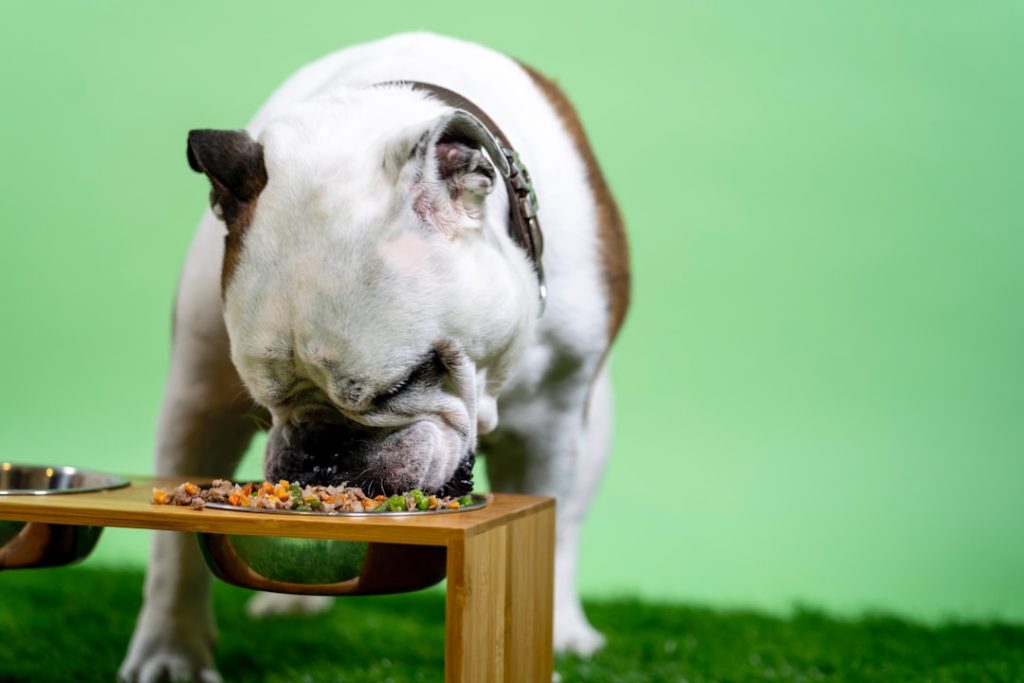
Are you wondering if it’s okay for your adult dog to eat puppy food? You’re not alone.
Many dog owners face this question and want to make the best choice for their furry friend’s health. Feeding your dog the right food affects their energy, weight, and overall happiness. But is puppy food a good option, or could it cause problems?
Keep reading to discover what experts say and how you can make sure your dog gets exactly what they need to stay healthy and strong.

Credit: www.petscare.com
Nutritional Needs Of Adult Dogs
Adult dogs need different nutrition than puppies. Their bodies use energy and nutrients in specific ways to stay healthy.
Feeding adult dogs with the right food helps keep their weight, energy, and overall health balanced.
Calorie Requirements
Adult dogs need fewer calories than puppies. Too many calories can cause weight gain and health problems. The right amount depends on the dog’s size, breed, and activity level.
- Small dogs need fewer calories than large dogs.
- Active dogs burn more calories and need more food.
- Older dogs usually require fewer calories than young adults.
Protein And Fat Levels
Adult dogs require protein and fat but in different amounts than puppies. Puppy food has higher protein and fat to support growth. Adult dog food balances these nutrients to maintain muscle and energy.
| Nutrient | Puppy Food | Adult Dog Food |
| Protein | 22% – 32% | 18% – 25% |
| Fat | 8% – 20% | 5% – 15% |
Essential Vitamins And Minerals
Vitamins and minerals keep adult dogs strong and healthy. Puppy food may have extra amounts to support growth. Adult dogs need balanced levels to avoid health issues.
Important vitamins and minerals for adult dogs include:
- Calcium and phosphorus for bones
- Vitamin A for vision and skin
- Vitamin E for immune health
- Iron for blood health
- Zinc for coat and wound healing
Credit: www.thinkjinx.com
What Puppy Food Contains
Puppy food is made to support young dogs as they grow. It has special ingredients to help puppies develop strong bones and muscles.
Adult dogs have different needs than puppies. Puppy food contains more energy and nutrients to help puppies grow fast and healthy.
Higher Calories And Fat
Puppy food has more calories than adult dog food. Puppies need extra energy to play and grow. Fat is also higher in puppy food to support this energy demand.
Adult dogs do not need as many calories or fat. Too much can cause weight gain and health problems in adult dogs.
Growth-boosting Nutrients
Puppy food contains special nutrients that help puppies grow strong. These include proteins, vitamins, and minerals in higher amounts.
- More protein to build muscles
- Calcium and phosphorus for bones
- Vitamins like A and D for overall health
Adult dogs need these nutrients too, but in smaller amounts to keep their bodies healthy without encouraging extra growth.
Differences In Ingredients
Puppy food has ingredients that support growth and brain development. It often has higher-quality protein sources and added DHA, an omega-3 fatty acid.
- Extra DHA for brain and eye health
- More digestible proteins for young dogs
- Balanced minerals to support growth
Adult dog food focuses on maintaining health and weight. It has less fat and calories and may include ingredients for joint support and digestion.
Potential Effects On Adult Dogs
Adult dogs sometimes eat puppy food either by accident or choice. It is important to understand how this affects their health. Puppy food has different nutrients made for growing dogs.
This section explains the possible risks and impacts of feeding puppy food to adult dogs. Knowing these effects helps keep your dog healthy.
Weight Gain Risks
Puppy food contains extra calories and fat to support growth. Adult dogs do not need this much energy. Feeding them puppy food can cause unwanted weight gain.
- Higher calorie content in puppy food
- Extra fat leads to fat buildup
- Weight gain can cause joint problems
- Obesity increases risk of diabetes
- Overweight dogs may have shorter lifespans
Digestive Concerns
Adult dogs have different digestive needs than puppies. Puppy food may upset their stomach or cause other issues.
| Issue | Cause | Effect |
| Loose stools | Higher fat content | Diarrhea or soft poop |
| Gas | Different fiber levels | Discomfort and bloating |
| Vomiting | New food components | Stomach upset |
Long-term Health Impact
Feeding puppy food to adult dogs for a long time can harm their health. Nutrient imbalances may develop and cause problems.
Key long-term risks include:
- Excess calcium causing joint issues
- Imbalanced vitamins affecting organs
- Unhealthy weight increasing heart strain
- Possible nutrient deficiencies or excesses

Credit: www.becopets.com
When Puppy Food Might Be Suitable
Adult dogs usually need food made for their age and size. Puppy food has more calories and nutrients for growing pups. Still, some adult dogs may benefit from puppy food for a short time.
Choosing the right diet helps keep your dog healthy and active. Below are cases when puppy food might be a good choice for adult dogs.
Pregnant Or Nursing Dogs
Pregnant or nursing dogs need extra nutrition. Puppy food has more protein and fat, which supports their energy needs. It also helps with milk production and puppy growth.
- Higher calories to support pregnancy
- More protein for muscle and tissue growth
- Increased fat for energy and milk quality
- Added vitamins and minerals for puppies and mother
Active Or Working Dogs
Dogs that work hard or stay very active may need more calories and nutrients. Puppy food can provide these extra needs. It helps keep their strength and stamina during long work or play.
| Dog Type | Reason Puppy Food May Help |
| Herding Dogs | High energy for long hours of work |
| Search and Rescue | Extra nutrients for endurance |
| Agility Dogs | Support fast recovery and muscle repair |
| Hunting Dogs | Boost strength and stamina |
Consulting Your Veterinarian
Always ask your vet before changing your dog’s food. They know your dog’s health history and needs. Your vet can tell you if puppy food fits your dog’s lifestyle.
Questions to ask your vet:
- Is my dog’s weight healthy?
- Does my dog need more calories or nutrients?
- How long should I feed puppy food if needed?
- Are there any risks with switching foods?
Choosing The Right Food For Adult Dogs
Adult dogs have different nutritional needs than puppies. Their food should support their health and energy levels. Feeding adult dogs puppy food can cause problems over time.
It is important to choose food that fits your dog’s age, size, and activity level. Understanding how to pick the right food helps keep your dog healthy and happy.
Reading Dog Food Labels
Dog food labels show important information about ingredients and nutrition. Look for clear details about protein, fat, and calories. These are key for adult dog health.
Check if the food meets standards set by pet health organizations. This ensures the food is safe and balanced for adult dogs.
- Look for protein sources like chicken or beef
- Check fat content for energy needs
- See if vitamins and minerals are included
- Identify if the food is made for adult dogs
Balancing Nutrients
Adult dogs need a balanced mix of nutrients to stay healthy. Too much protein or fat from puppy food can cause weight gain or other problems. Balance is key for long-term health.
Essential nutrients include protein, fats, carbohydrates, vitamins, and minerals. Each nutrient supports different body functions like muscles, skin, and energy.
- Protein supports muscle maintenance
- Fats provide energy and help skin health
- Carbohydrates supply fuel for daily activity
- Vitamins and minerals support overall wellness
Tailoring Diet To Lifestyle
Adult dogs have different lifestyles that affect their food needs. Active dogs need more calories, while less active dogs need fewer. Age and health conditions also matter.
Choose food that matches your dog’s daily routine and health status. This helps keep your dog at a healthy weight and with good energy.
- Active dogs need high-energy food
- Older dogs may need food with joint support
- Dogs with health issues need special diets
- Adjust portions based on activity level
Frequently Asked Questions
Can Adult Dogs Eat Puppy Food Safely?
Adult dogs can eat puppy food occasionally, but it’s not ideal. Puppy food has extra calories and nutrients meant for growth, which may cause weight gain or digestive issues in adults if fed regularly.
What Are The Risks Of Feeding Adult Dogs Puppy Food?
Feeding adult dogs puppy food long-term can lead to obesity and digestive upset. The higher fat and protein content may strain their kidneys and cause nutrient imbalances over time.
When Is It Appropriate For Adult Dogs To Eat Puppy Food?
Adult dogs may eat puppy food temporarily during recovery or growth phases. Consult your vet before switching diets to ensure it meets your dog’s specific health needs.
How Does Puppy Food Differ From Adult Dog Food?
Puppy food contains more calories, protein, and fat to support growth. Adult dog food is balanced for maintenance, with fewer calories to prevent weight gain.
Conclusion
Adult dogs can eat puppy food occasionally, but not regularly. Puppy food has extra nutrients adults do not always need. Feeding it too long may cause weight gain or upset stomach. Choose adult dog food for balanced nutrition. Always watch your dog’s health and energy.
Consult a vet if unsure about diet changes. Keep your dog happy with proper food choices. Simple care helps your dog live a healthy life.

Emily Barker is the founder of ChillDogLife.com, a space dedicated to helping pup parents discover the best dog products, lifestyle tips, and cozy ideas for happier homes.
A lifelong dog lover, Emily combines her passion for pets with a knack for research to share trusted recommendations on everything from toys and furniture to health and everyday care.
Her goal is simple: to make life easier, stylish, and more joyful for dogs and the people who love them.




