
Are you wondering if feeding your adult dog puppy food could be harmful? It’s a common question many dog owners face.
You want the best for your furry friend, but using the wrong food might cause problems you don’t expect. Understanding how puppy food affects adult dogs can help you make smarter choices for your pet’s health and happiness. Keep reading to discover what you need to know before making this important decision.
Differences Between Puppy And Adult Dog Food
Puppy food and adult dog food are made for different life stages. Each type supports specific health needs.
Choosing the right food helps keep your dog healthy and strong at every age.
Nutritional Needs Of Puppies
Puppies need more nutrients to grow fast and build strong bones. Their food has extra protein and fat.
They also need more vitamins and minerals for a healthy immune system and brain development.
- Higher protein for muscle growth
- More fat for energy
- Added DHA for brain and eye health
- Extra calcium and phosphorus for bones
Adult Dog Dietary Requirements
Adult dogs need balanced food to maintain weight and health. They require fewer calories than puppies.
Their diet focuses on steady energy, healthy skin, and strong muscles without too much fat.
- Moderate protein for muscle maintenance
- Lower fat to prevent weight gain
- Fiber for digestion
- Antioxidants for immune health
Key Ingredient Variations
Puppy food has more calories and special ingredients to support growth. Adult food has balanced nutrients for maintenance.
Some ingredients are adjusted to suit energy needs and digestive health at each stage.
| Ingredient | Puppy Food | Adult Dog Food |
|---|---|---|
| Protein | High for growth | Moderate for maintenance |
| Fat | Higher for energy | Lower to prevent weight gain |
| Calcium & Phosphorus | Increased for bones | Controlled to avoid excess |
| DHA (Omega-3) | Added for brain development | Included for skin and coat health |
| Fiber | Moderate | Higher for digestion |
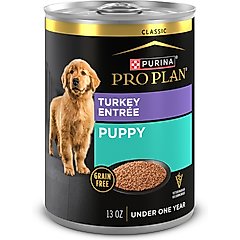
Credit: www.chewy.com
Potential Risks Of Feeding Puppy Food To Adults
Puppy food has more calories and nutrients than adult dog food. Feeding it to adult dogs can cause problems. Adult dogs have different needs than puppies.
It is important to understand the risks before giving puppy food to adult dogs. This helps keep your dog healthy and happy.
Excess Calories And Weight Gain
Puppy food contains extra calories to support growth. Adult dogs do not need these extra calories. Eating too many calories can lead to weight gain.
- Extra calories can cause obesity.
- Obesity increases the risk of joint problems.
- Overweight dogs may have heart and breathing issues.
- Weight gain can lower a dog’s energy and mobility.
Imbalanced Nutrient Intake
Puppy food is made for growing dogs. It has more protein, fat, and calcium than adult dog food. Adult dogs may get too much of some nutrients.
| Nutrient | Effect of Too Much |
| Protein | Stress on kidneys |
| Fat | Weight gain and digestive upset |
| Calcium | Bone problems and kidney stones |
Digestive Issues
Adult dogs may find puppy food hard to digest. The richer formula can cause stomach upset. Some dogs may have diarrhea or vomiting.
Signs of digestive problems include:
- Loose stools or diarrhea
- Vomiting
- Gas and bloating
- Loss of appetite
When Puppy Food Might Be Safe For Adults
Puppy food has more calories and nutrients than adult dog food. It helps puppies grow strong and healthy. Adult dogs usually need less energy.
In some cases, feeding puppy food to adult dogs can be safe. This depends on the dog’s health and life stage.
Underweight Or Growing Adult Dogs
Some adult dogs need extra calories to gain weight or build muscle. This can happen after illness or surgery.
Puppy food can help these dogs because it has more fat and protein. It supports healthy weight gain and energy.
- Underweight adult dogs
- Dogs recovering from illness
- Active or working dogs with high energy needs
Special Health Conditions
Some health problems require extra nutrition. Puppy food can provide this in some cases.
For example, dogs with poor nutrient absorption or certain metabolic issues may benefit from puppy food.
- Dogs with digestive problems
- Dogs with kidney or liver issues (only with vet advice)
- Dogs needing higher protein or fat
Consulting A Veterinarian
Always ask a vet before feeding puppy food to an adult dog. Vets know what each dog needs.
They can recommend the right food type and amount. This keeps dogs healthy and avoids problems.
- Discuss your dog’s weight and health
- Follow vet advice on food changes
- Watch for any side effects or allergies
Signs Your Adult Dog Is Struggling With Puppy Food
Feeding puppy food to an adult dog can cause health problems. It is important to watch for signs your dog might be having trouble.
Adult dogs have different nutritional needs than puppies. Puppy food may be too rich or unbalanced for them.
Weight Fluctuations
Weight changes are a clear sign your adult dog may not be thriving on puppy food. Some dogs gain too much weight due to extra calories and fat. Others may lose weight because the food lacks the right nutrients for adults.
- Sudden weight gain or obesity
- Unexpected weight loss
- Difficulty maintaining a healthy weight
- Changes in body shape or muscle tone
Changes In Energy Levels
Adult dogs may feel tired or restless if their diet is not right. Puppy food can cause energy swings because it is designed for fast growth, not steady adult energy.
| Energy Sign | Possible Reason |
|---|---|
| Low energy or fatigue | Too many calories causing sluggishness |
| Hyperactivity or restlessness | High protein or fat content |
| Uneven energy throughout the day | Unbalanced nutrient levels |
Digestive Distress Indicators
Digestive issues often show that puppy food is not suitable for adult dogs. Watch for signs like upset stomach or irregular bowel movements.
- Vomiting or nausea
- Diarrhea or loose stools
- Constipation or difficulty passing stool
- Excess gas or bloating
- Changes in appetite or thirst
Choosing The Right Food For Your Adult Dog
Feeding your adult dog the right food is very important. Adult dogs have different needs than puppies. Choosing the correct food helps keep your dog healthy and happy.
Understanding food labels, age needs, and treats can guide you in picking the best diet. This helps avoid health problems and supports your dog’s energy.
Reading Dog Food Labels
Dog food labels show what is inside the bag or can. Look for key ingredients and nutrients that suit adult dogs. Check for protein, fat, fiber, and vitamins.
- Protein should be from meat or fish sources.
- Fat gives energy but should not be too high.
- Fiber helps digestion and keeps your dog full.
- Avoid foods with many fillers like corn or wheat.
Age-appropriate Nutrition
Puppy food has more calories and nutrients for growth. Adult dog food has balanced calories to keep your dog fit. Feeding puppy food to adults can cause weight gain.
| Type of Food | Calorie Level | Protein Level |
| Puppy Food | High | High |
| Adult Dog Food | Moderate | Moderate |
| Senior Dog Food | Lower | Moderate |
Balancing Treats And Meals
Treats are fun but can add many calories. Keep treats small and rare to avoid weight problems. Use healthy treats that add nutrition.
- Limit treats to less than 10% of daily calories.
- Choose treats with natural ingredients.
- Use treats to reward good behavior.
- Do not replace regular meals with treats.
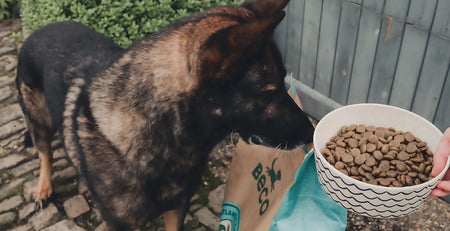
Credit: www.becopets.com
Transitioning Between Puppy And Adult Food
Puppy food can sometimes be too rich for adult dogs. It is important to transition your dog to adult food carefully. This ensures they get the right nutrients.
Changing your dog’s diet requires careful planning. This helps avoid digestive problems and ensures your dog remains healthy.
Gradual Food Changes
Switching from puppy food to adult food should be gradual. Sudden changes can upset your dog’s stomach.
Mix a small amount of adult food with the puppy food. Increase the adult food gradually over a week.
- Day 1-2: 25% adult food, 75% puppy food
- Day 3-4: 50% adult food, 50% puppy food
- Day 5-6: 75% adult food, 25% puppy food
- Day 7: 100% adult food
Monitoring Dog’s Response
Watch your dog closely during the transition. Look for signs of discomfort or allergies.
If your dog has diarrhea or vomiting, slow down the transition. Consult a vet if problems persist.
| Signs of Trouble | Action Needed |
| Loose stools | Reduce adult food, increase puppy food |
| Vomiting | Consult your veterinarian |
| Lethargy | Check for allergic reactions |
Avoiding Sudden Dietary Shifts
Sudden dietary changes can cause stress for your dog. It is best to avoid them whenever possible.
Gradual changes help your dog adjust better. It also reduces the risk of digestive problems.
Credit: www.thinkjinx.com
Frequently Asked Questions
Can Puppy Food Harm An Adult Dog’s Health?
Feeding puppy food to an adult dog occasionally is safe. However, long-term feeding may cause nutrient imbalances and weight gain. Puppy food is higher in calories and protein, designed for growing dogs. Adult dogs need a balanced diet tailored to their life stage.
What Are Risks Of Feeding Puppy Food To Adults?
Adult dogs eating puppy food regularly may develop obesity and digestive issues. Excess nutrients can strain kidneys and liver. The extra calories can lead to unhealthy weight gain. It’s best to switch to adult dog food to meet their specific needs.
How Does Puppy Food Differ From Adult Dog Food?
Puppy food contains more protein, fat, and calories for growth. Adult dog food has balanced nutrients for maintenance and energy. The formulas differ to support different life stages and health requirements. Feeding the correct food ensures optimal health and longevity.
Can Adult Dogs Digest Puppy Food Properly?
Yes, adult dogs can digest puppy food, but it’s richer and may upset digestion. Some adult dogs may experience loose stools or gas. Moderation is key, and transitioning to adult food is recommended for better nutrient balance. Always observe your dog’s reaction to diet changes.
Conclusion
Feeding puppy food to an adult dog can cause health problems. Adult dogs need different nutrients than puppies. Too much protein and fat might upset their stomach. Long-term use may lead to weight gain or joint issues. Always choose food made for your dog’s age.
Watch your pet’s behavior and energy levels closely. Consult a vet if unsure about diet choices. Keeping your dog healthy starts with proper nutrition. Small changes make a big difference in their life.

Emily Barker is the founder of ChillDogLife.com, a space dedicated to helping pup parents discover the best dog products, lifestyle tips, and cozy ideas for happier homes.
A lifelong dog lover, Emily combines her passion for pets with a knack for research to share trusted recommendations on everything from toys and furniture to health and everyday care.
Her goal is simple: to make life easier, stylish, and more joyful for dogs and the people who love them.




