Have you ever wondered if stray cats can safely eat dog food? If you’ve come across a hungry stray or are caring for one, this question might be on your mind.
You want to do what’s best for these furry visitors, but feeding them the wrong food could harm their health. Understanding whether dog food is a good option for stray cats is important for their well-being—and for your peace of mind.
Keep reading to find out the truth and learn how to make sure your stray feline friend stays healthy and happy.

Credit: supertails.com
Stray Cats And Dog Food
Stray cats often face challenges finding consistent and nutritious food sources. Sometimes, they come across dog food left outside by pet owners or shelters. You might wonder if it’s safe or healthy for them to eat dog food regularly.
Nutritional Differences Between Cats And Dogs
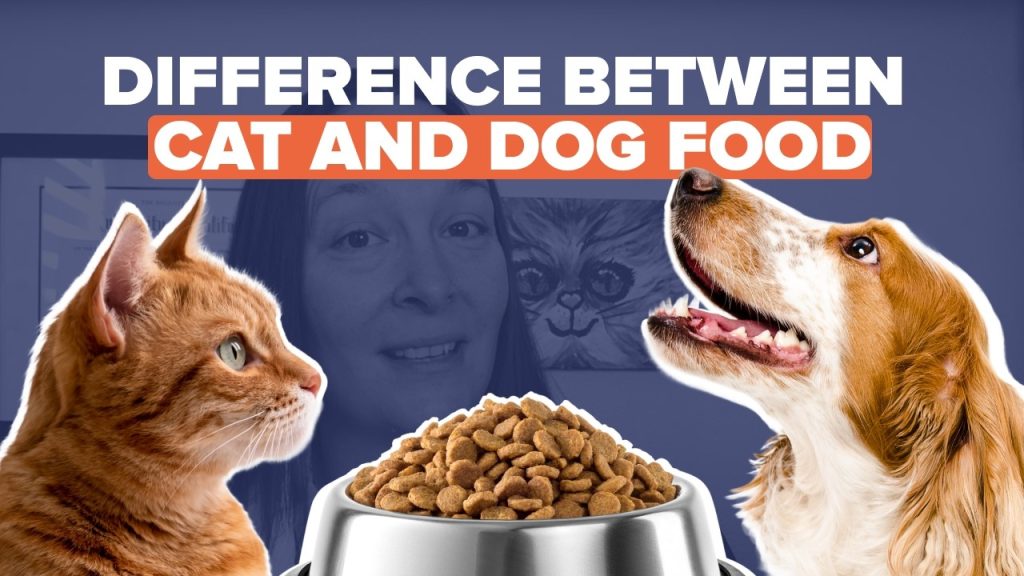
Cats and dogs have very different nutritional needs. Cats are obligate carnivores, which means they require certain nutrients only found in meat. Dog food usually lacks some essential nutrients that cats need to stay healthy.
For instance, cats need taurine, an amino acid critical for their heart and eye health. Most dog foods do not contain enough taurine. Also, cats require higher protein and certain vitamins like vitamin A in a form they can absorb easily, which dog food might not provide.
Why Cats Might Eat Dog Food
Stray cats might eat dog food simply because it’s available and easy to find. Hunger drives them to eat whatever they can get. Dog food can be palatable enough for cats to consume even if it doesn’t fully meet their dietary requirements.
Sometimes, stray cats get used to the taste or texture of dog food, especially if other food sources are scarce. Have you noticed a cat in your neighborhood nibbling on dog kibble? This is usually a survival tactic, not a preference.
While dog food may fill a stray cat’s stomach temporarily, it’s not a long-term solution for their nutritional needs. If you care about a stray cat’s health, providing proper cat food or supplements is essential.

Credit: www.yahoo.com
Health Risks Of Dog Food For Cats
Dog food lacks important nutrients cats need, which can cause health problems over time. Feeding stray cats dog food may lead to vitamin deficiencies and poor growth. Cats require special diets to stay healthy and strong.
Cats and dogs have different dietary needs. Feeding stray cats dog food can lead to health issues. Cats require specific nutrients found only in cat food. Dog food lacks these vital components, posing risks to a cat’s well-being. Understanding these risks is crucial for their health.Lack Of Essential Nutrients For Cats
Cats need certain nutrients like taurine and arachidonic acid. These are not present in dog food. Taurine is vital for heart and eye health in cats. Without it, cats may suffer from heart disease or vision problems. Dog food is not designed to meet these needs. This nutritional gap can lead to severe deficiencies.Potential Allergies And Digestive Issues
Cats have sensitive digestive systems. Dog food may contain ingredients that upset their stomachs. Proteins or grains in dog food can trigger allergies. Symptoms include vomiting, diarrhea, or skin irritations. Observing these signs is important for a cat’s health. Proper food helps prevent these uncomfortable reactions.Long-term Effects On Cat Health
Long-term feeding of dog food can harm a cat’s health. Chronic nutrient deficiencies weaken their immune system. This makes them susceptible to infections and diseases. Over time, their organs may not function properly. Providing the right food ensures they stay healthy and active. Ensuring proper nutrition is key to a long, healthy life for stray cats.Safe Food Alternatives For Stray Cats
Finding safe food alternatives for stray cats is important if you want to help them stay healthy. Dog food might seem like an easy option, but it doesn’t meet the nutritional needs of cats. Offering the right kind of food can make a big difference in their well-being and energy levels.
Commercial Cat Food Options
Commercial cat food is specially formulated to provide all the nutrients cats need. Look for brands that list meat or fish as the first ingredient and have added taurine, an essential amino acid for cats. Dry kibble and canned wet food both work well, but wet food can help keep stray cats hydrated.
If you can, offer a variety of flavors to see what the cat prefers. You might be surprised how picky some stray cats can be! Also, check the expiration dates to make sure the food is fresh and safe.
Homemade Cat Food Ideas
Making homemade meals can be a good alternative if commercial food isn’t available. Simple recipes with cooked chicken, turkey, or fish mixed with small amounts of rice or pumpkin can work. Avoid adding onions, garlic, or spices, as these can be toxic to cats.
Remember that cats need protein and fat, so keep the focus on meat. If you’ve ever cared for a stray cat, you might have noticed they go straight for the meat and ignore other ingredients. This natural preference shows how important it is to provide the right nutrients.
Supplementing With Treats And Snacks
Treats can be a great way to supplement a stray cat’s diet, but they should never replace their main food. Small pieces of cooked meat or commercial cat treats work well. Be careful to avoid dog treats or human snacks, as these might harm the cat.
Do you wonder how often to give treats? Keep it occasional, just like with your own pets, to prevent upset stomachs or nutritional imbalances. Treats are about enrichment, not nutrition.
Feeding Stray Cats Responsibly
Feeding stray cats responsibly is more than just offering food—it’s about ensuring their health and well-being while respecting their independence. Stray cats often face unpredictable food sources, so your thoughtful approach can make a real difference. How can you provide the right balance without unintentionally causing harm?
Proper Feeding Schedules
Setting a consistent feeding schedule helps stray cats develop a routine and prevents them from scavenging in unsafe places. Try feeding them at the same time every day, preferably twice—once in the morning and once in the evening.
This routine not only stabilizes their eating habits but also helps you monitor their health and behavior closely. Have you noticed how regular feeding times can build trust with these cautious animals?
Avoiding Overfeeding And Dependency
It’s tempting to give stray cats plenty of food, but overfeeding can cause health issues and lead to dependency on human care. Aim to provide just enough food so they stay healthy but still maintain their natural hunting instincts.
Encouraging independence ensures they remain adaptable and able to survive if you’re not always around. Consider the long-term impact: does your feeding help them thrive or hold them back?
Providing Fresh Water
Fresh water is as crucial as food for stray cats. Always place clean water in a shaded, safe spot near where you feed them, and change it daily.
Water helps digestion and keeps cats hydrated, especially in hot weather or dry environments. How often do you think about water when feeding strays, and could this simple step improve their health dramatically?
When To Consult A Veterinarian
Stray cats sometimes eat dog food, but it is not always safe for them. Knowing when to seek veterinary help is crucial for their health. Early advice can prevent serious problems and improve their quality of life.
Signs Of Nutritional Deficiency
Look for these signs in stray cats eating dog food:
- Dull, brittle fur
- Weight loss or poor growth
- Lethargy or low energy
- Weakness or difficulty walking
- Digestive issues like vomiting or diarrhea
These signs show the cat may lack essential nutrients.
Health Problems From Inappropriate Diet
Dog food lacks some nutrients cats need. A diet of only dog food can cause:
- Vitamin A deficiency
- Taurine deficiency leading to heart problems
- Kidney and liver issues
- Weakened immune system
Ignoring these risks can lead to serious illness or death.
Veterinary Advice For Stray Cat Care
A vet can check a stray cat’s health thoroughly. They can:
- Perform blood tests to detect deficiencies
- Recommend proper cat food and supplements
- Provide vaccinations and parasite control
- Guide on long-term care and nutrition
Early veterinary care improves survival and well-being.

Credit: thehill.com
Frequently Asked Questions
Can Stray Cats Safely Eat Dog Food Regularly?
Stray cats can eat dog food occasionally, but it’s not ideal for daily nutrition. Dog food lacks essential nutrients specific to cats, like taurine. Regular feeding of dog food may cause health issues. It’s best to provide cat-specific food for stray cats to stay healthy.
What Nutrients Do Cats Need That Dog Food Lacks?
Cats require taurine, arachidonic acid, and vitamin A, which dog food often lacks. These nutrients are vital for cats’ heart, vision, and immune health. Dog food is formulated for dogs, not cats, so it may not meet their dietary needs.
Cat food ensures they get these essentials.
Why Do Stray Cats Sometimes Eat Dog Food?
Stray cats may eat dog food because it’s accessible and provides calories. They are opportunistic eaters and will consume available food to survive. However, dog food isn’t nutritionally complete for cats. Feeding stray cats proper cat food helps maintain their health better.
Is Feeding Dog Food To Stray Cats Harmful?
Feeding dog food occasionally to stray cats is not immediately harmful. However, long-term feeding can lead to nutrient deficiencies and health problems. Cats need a balanced diet specific to their species. Providing cat food supports their overall well-being and longevity.
Conclusion
Stray cats can eat dog food, but it’s not ideal for them. Dog food lacks key nutrients cats need to stay healthy. Feeding cats dog food only sometimes won’t hurt much. Long-term feeding may cause health problems for cats. It’s better to provide food made specifically for cats.
This helps stray cats get the right nutrition they need. Caring for stray cats with proper food supports their well-being. Always try to offer cat food when possible for stray cats.

Emily Barker is the founder of ChillDogLife.com, a space dedicated to helping pup parents discover the best dog products, lifestyle tips, and cozy ideas for happier homes.
A lifelong dog lover, Emily combines her passion for pets with a knack for research to share trusted recommendations on everything from toys and furniture to health and everyday care.
Her goal is simple: to make life easier, stylish, and more joyful for dogs and the people who love them.




