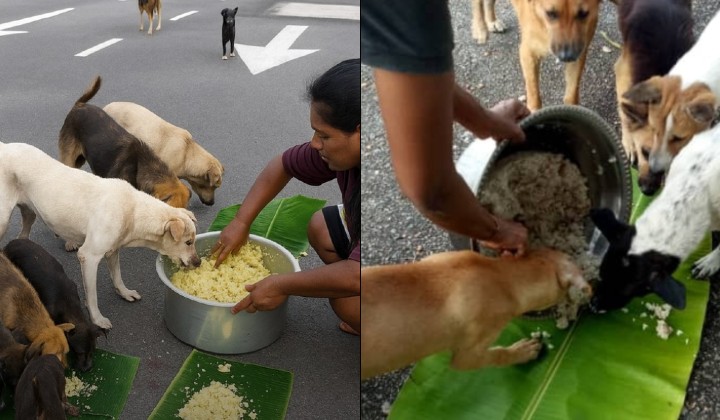
Finding a stray dog can tug at your heart, and you want to help—but what exactly should you feed it? Giving the right food can make a huge difference in the dog’s health and trust in you.
If you’re unsure where to start, this guide will walk you through simple, safe options that won’t harm the dog and will show your kindness. Keep reading, and you’ll learn how to make a stray dog feel cared for with just the right meals.
Choosing Safe Foods
Feeding a stray dog requires care and attention to their diet. Choosing safe foods helps protect their health and build trust. Some human foods can harm dogs, so knowing what to avoid is crucial. Offering dog-friendly fruits, vegetables, and proteins can provide good nutrition. This guide helps select safe foods that stray dogs can enjoy and digest well.
Common Human Foods To Avoid
- Chocolate – toxic and can cause serious illness
- Onions and garlic – damage red blood cells
- Grapes and raisins – can lead to kidney failure
- Avocado – contains a substance harmful to dogs
- Alcohol – very dangerous and toxic
- Caffeine – causes restlessness and heart problems
- Xylitol (sweetener) – causes low blood sugar and liver damage
- Raw dough – expands and produces gas in stomach
Dog-friendly Fruits And Vegetables
- Carrots – crunchy and rich in vitamins
- Apples (without seeds) – good source of fiber
- Blueberries – full of antioxidants
- Green beans – low-calorie and nutritious
- Sweet potatoes – rich in fiber and vitamins
- Cucumber – hydrating and low in calories
Suitable Protein Sources
- Cooked chicken – easy to digest and low fat
- Boiled eggs – packed with protein and nutrients
- Lean beef – good source of iron and protein
- Cooked fish – provides omega-3 fatty acids
- Plain yogurt – supports digestion with probiotics

Credit: www.youtube.com
Feeding Frequency And Portions
Feed stray dogs small meals two to three times daily to avoid overeating. Offer portions that match the dog’s size and energy needs for healthy growth.
Feeding a stray dog is a compassionate act that requires a bit of thought, especially regarding frequency and portion sizes. It’s essential to ensure that your good intentions don’t inadvertently cause harm. Understanding how often to feed and the right portion sizes can make a significant difference in the well-being of a stray dog. Consider the dog’s age, size, and health condition to tailor your approach accordingly.How Often To Feed
Stray dogs often don’t have a regular feeding schedule, so offering food once a day can be a good start. If possible, feeding twice daily—morning and evening—can help the dog gain the nutrition it may have been lacking. Observe the dog’s reaction to the feeding schedule and adjust based on its needs and your availability.Portion Size Guidelines
Stray dogs may have smaller stomachs due to irregular eating habits. Start with small portions to avoid overwhelming their digestive system. A cup of dry dog food or a can of wet food per meal is a good baseline for average-sized dogs. Consider reducing or increasing the portion based on the dog’s size and appetite.Adjusting For Age And Size
Puppies and older dogs have different nutritional needs. Puppies require more frequent meals to support their growth, while older dogs may need smaller, easily digestible portions. Larger dogs will naturally need more food, but it’s crucial to monitor their weight and energy levels. Keep an eye on the dog’s body condition and adjust portions as necessary to maintain a healthy weight. Have you ever wondered if that stray dog you feed regularly recognizes you? Your consistent care can not only nourish their bodies but also build trust.Hydration Needs
Hydration plays a crucial role in the health and well-being of stray dogs. Providing fresh water is not just about quenching thirst; it supports their vital body functions and helps them stay strong. Understanding their hydration needs can make a real difference in their recovery and trust towards you.
Importance Of Clean Water
Clean water is essential for stray dogs because contaminated water can cause serious illnesses. You might think any water is better than none, but dirty water can lead to infections and worsen their condition.
Always offer water that is fresh and free from dirt or chemicals. If you don’t have access to fresh water immediately, try to find natural sources like clean streams or rainwater, but check for safety first. You can also carry bottled water when you plan to feed strays regularly.
Signs Of Dehydration
Recognizing dehydration in a stray dog can save its life. Look out for signs like dry gums, sunken eyes, and lethargy. You may notice the dog panting heavily or having a sticky mouth.
Another simple test is gently pinching the skin on the back of their neck; if it doesn’t quickly return to normal, the dog is likely dehydrated. If you see these signs, offer water slowly to avoid causing stomach upset.
Supplements And Treats
Supplements and treats can support the health of a stray dog. They offer extra nutrients and encourage positive behavior. Giving the right supplements and treats helps build trust and keeps the dog healthy.
When To Use Supplements
Supplements help fill gaps in a dog’s diet. Stray dogs may lack essential vitamins and minerals. Use supplements when the dog shows signs of weakness or poor coat condition. They also help older dogs with joint pain or low energy.
Common supplements for stray dogs include:
- Fish oil for a shiny coat and healthy skin
- Glucosamine for joint support
- Multivitamins to boost overall health
Always consult a vet before starting supplements. Too many supplements can harm a dog’s health.
Healthy Treat Options
Treats reward good behavior and strengthen bonds. Choose treats that are safe and nutritious. Avoid sugary or salty snacks that may upset the dog’s stomach.
Good treat options include:
- Small pieces of cooked chicken or turkey
- Carrot sticks for a crunchy, low-calorie snack
- Plain rice or boiled potatoes in moderation
- Store-bought dog treats with natural ingredients
Give treats in small amounts to avoid overeating. Treats should never replace a balanced meal.
Avoiding Common Mistakes
Feeding a stray dog is a kind act, but it comes with responsibilities. Avoiding common mistakes ensures you help without causing harm. Many well-meaning people unintentionally put strays at risk by not knowing what or how much to feed.
Overfeeding Risks
It’s natural to want to give a stray plenty of food, but overfeeding can cause serious health problems. Stray dogs are often not used to large meals, and sudden overfeeding can lead to stomach upset or even life-threatening bloat.
Watch for signs like vomiting, diarrhea, or lethargy after feeding. These can indicate that the dog’s digestive system is overwhelmed. Instead, offer small, frequent meals to help the dog adjust gradually.
Have you noticed a stray dog eagerly eating but then acting uncomfortable? That might be a warning sign. Feeding with care prevents these issues and builds trust over time.
Harmful Foods To Watch For
Not all human foods are safe for dogs. Some common kitchen items can cause poisoning or severe illness. Avoid feeding anything with chocolate, onions, garlic, grapes, or raisins—these can be deadly.
Also, stay away from foods high in salt, sugar, or fat. Fried foods and junk snacks may seem like treats but can upset the dog’s stomach and cause long-term damage. Bones, especially cooked ones, can splinter and cause internal injuries.
Instead, stick to plain cooked meats, boiled rice, and dog-safe vegetables like carrots or green beans. Always ask yourself: “Is this food safe for a dog’s sensitive system?” If the answer is unclear, it’s better to skip it.

Credit: snuggle.upworthy.com
Monitoring Health And Behavior
Keeping an eye on a stray dog’s health and behavior after feeding them is crucial. It helps you understand if the food suits their needs and if the dog is adapting well to the new diet. Observing changes closely can prevent serious health issues and build trust between you and the dog.
Tracking Weight Changes
Regularly checking the dog’s weight tells you a lot about their health. Sudden weight loss could mean the dog isn’t getting enough nutrients or might be sick. On the other hand, rapid weight gain could lead to obesity and other problems.
Use a simple scale to weigh the dog once a week if possible. Note the numbers and watch for steady trends rather than day-to-day fluctuations. Have you noticed how small changes in diet can quickly affect a dog’s weight?
Noticing Food Allergies
Food allergies in dogs often show up as itching, redness, or digestive upset like vomiting or diarrhea. Strays might develop new allergies when exposed to unfamiliar foods. Watch their skin and stool carefully for any signs of discomfort.
If the dog scratches more than usual or develops patches of hair loss, try changing the food. Keep a journal of what you feed and how the dog reacts to spot patterns. Ever seen a dog avoid certain foods? That’s a strong clue.
When To Seek Veterinary Help
Some symptoms need a vet’s attention right away. If the dog shows signs of severe vomiting, diarrhea lasting more than a day, lethargy, or difficulty breathing, don’t wait to get help. These could indicate serious infections or poisoning.
Even if the symptoms are mild but persist for several days, a checkup is important. Vets can provide treatments that you can’t, like vaccines or medications. Have you considered how timely veterinary care can save a stray’s life?
Credit: timesofindia.indiatimes.com
Frequently Asked Questions
What Foods Are Safe For Stray Dogs To Eat?
Safe foods for stray dogs include plain cooked meats, rice, boiled vegetables, and dog-safe fruits like apples. Avoid onions, chocolate, and processed foods to prevent toxicity and digestive issues. Providing clean water alongside food is essential for their health and hydration.
How Often Should I Feed A Stray Dog?
Feed a stray dog once or twice daily, depending on its size and condition. Small dogs need less food, while larger dogs require more. Consistent feeding times help build trust and establish a routine for the stray dog’s well-being.
Can I Feed A Stray Dog Human Food?
Yes, but only safe, plain human foods like cooked chicken, rice, and vegetables. Avoid salty, spicy, or fatty foods, as they can harm a dog’s digestive system. Always prioritize dog-specific nutrition for long-term health.
Should I Give Water To A Stray Dog With Food?
Absolutely, always provide fresh, clean water with food. Hydration is crucial for stray dogs, especially in hot weather or after exercise. Water helps digestion and prevents dehydration, supporting overall health and recovery.
Conclusion
Feeding a stray dog can save a life and build trust. Offer simple, healthy foods like cooked rice, boiled chicken, or dog food. Avoid giving harmful items like chocolate or onions. Always provide fresh water nearby. Be patient; strays may take time to feel safe.
Small, regular meals work best to keep them healthy. Helping stray dogs shows kindness and care. Every little bit of help makes a difference. Stay gentle and consistent in your approach. Caring for strays creates a better community for all.

Emily Barker is the founder of ChillDogLife.com, a space dedicated to helping pup parents discover the best dog products, lifestyle tips, and cozy ideas for happier homes.
A lifelong dog lover, Emily combines her passion for pets with a knack for research to share trusted recommendations on everything from toys and furniture to health and everyday care.
Her goal is simple: to make life easier, stylish, and more joyful for dogs and the people who love them.




