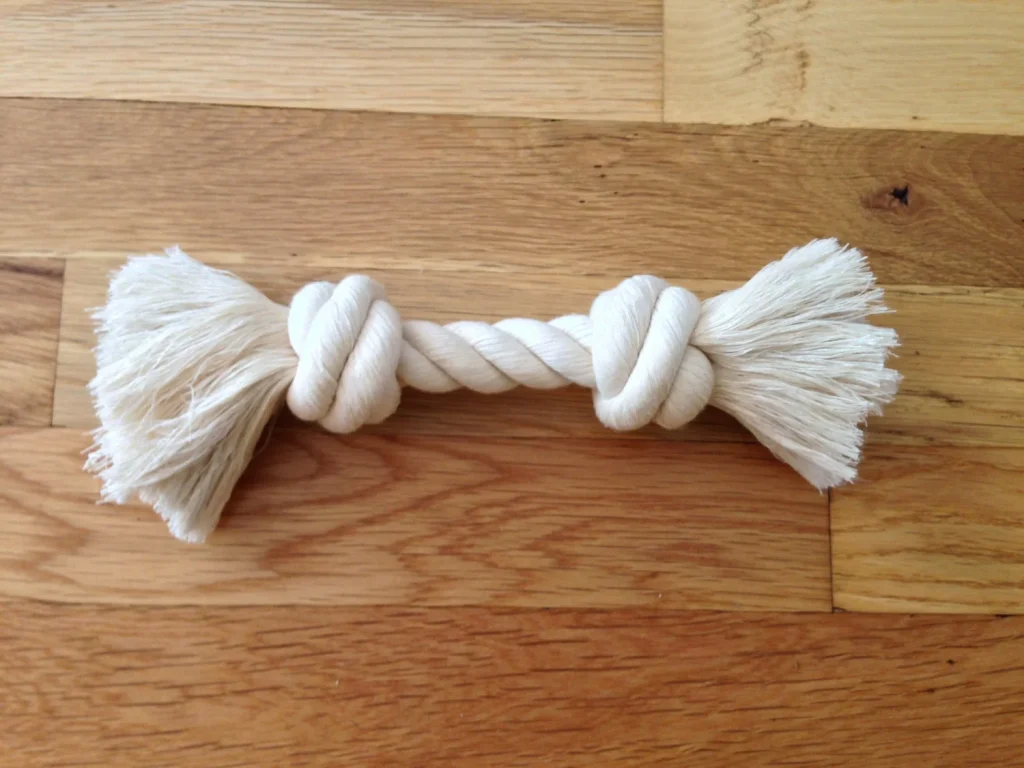
Are you looking for a fun and simple way to keep your dog happy and entertained? Making your own dog rope toys is easier than you think, and it’s a great way to save money while giving your furry friend something safe to chew on.
In this guide, you’ll discover step-by-step instructions to create durable and colorful rope toys that your dog will love. Keep reading, and you’ll soon have a new favorite toy that strengthens your bond and keeps your pup busy for hours!
Materials Needed
Gathering the right materials is the first step to making safe and fun dog rope toys. Choosing quality supplies ensures the toy will last and stay safe for your pet. Focus on strong, non-toxic items that can handle chewing and tugging.
Prepare all items before starting your project. This will help the process go smoothly and keep your dog’s safety in mind.
Types Of Rope Suitable For Toys
- Cotton rope: Soft, natural, and safe for dogs to chew.
- Hemp rope: Strong and eco-friendly, ideal for durable toys.
- Polyester rope: Resistant to wear but check for toxicity.
- Manila rope: Rough texture, good for aggressive chewers.
Avoid ropes with metal or synthetic fibers that can harm your dog.
Additional Supplies
- Scissors: For cutting rope cleanly.
- Measuring tape or ruler: To ensure the right toy size.
- Needle and thread (optional): For extra secure knots.
- Non-toxic fabric glue: Helps hold knots in place.
Safety Considerations
- Choose ropes without harmful dyes or chemicals.
- Inspect all materials for frays or loose strands.
- Use thick ropes to avoid swallowing small pieces.
- Keep tools and extra supplies out of your dog’s reach.
Credit: www.allwinedesigns.com
Choosing The Right Rope
Choosing the right rope is key to making safe and fun dog toys. The rope must be strong enough to handle chewing and pulling. It should also be safe for your dog’s health. Different ropes offer various benefits and challenges. Understanding these will help you pick the best one for your dog’s toy.
Natural Vs Synthetic Fibers
Natural ropes come from plants like cotton or hemp. They feel soft and are usually safer if your dog chews small pieces. Natural fibers break down over time but are eco-friendly. Synthetic ropes are made from materials like nylon or polyester. They resist water and last longer. Some synthetic fibers may fray and cause choking risks. Choose natural fibers for gentle chewers. Pick synthetic for heavy chewers or outdoor play.
Durability And Strength
Durability matters for active dogs. Strong ropes resist fraying and breaking. Look for ropes with tight weaves or braids. Avoid ropes that easily pull apart. Durable ropes keep dogs entertained longer. They also reduce waste and save money. Choose ropes that can handle your dog’s chewing style. Test the rope’s strength before making a toy.
Size And Thickness
The rope’s size must fit your dog’s mouth. Thin ropes suit small dogs or puppies. Thick ropes work better for large dogs or strong chewers. Too thin ropes can break easily. Too thick ropes may be hard to hold or chew. Match the rope thickness to your dog’s size and play habits. This ensures safety and fun during playtime.
Basic Knot Techniques
Basic knot techniques form the foundation of making durable dog rope toys. These knots hold the ropes tightly together. Strong knots ensure the toy stays safe during play. Learning a few simple knots can make a big difference. Each knot type offers unique strength and ease of tying. Practice these knots to create fun and long-lasting toys for your dog.
Square Knot
The square knot is simple and strong. It joins two rope ends securely. Cross the right rope over the left. Then cross the left rope over the right. Pull both ends tight. The knot lies flat and stays in place. It is perfect for tying the middle of the rope toy.
Overhand Knot
The overhand knot is the easiest knot to tie. Make a loop and pass the rope end through it. Pull tight to form a simple stopper. Use this knot at the ends of the rope. It prevents the rope from fraying. It also adds a small handle or grip for your dog.
Figure Eight Knot
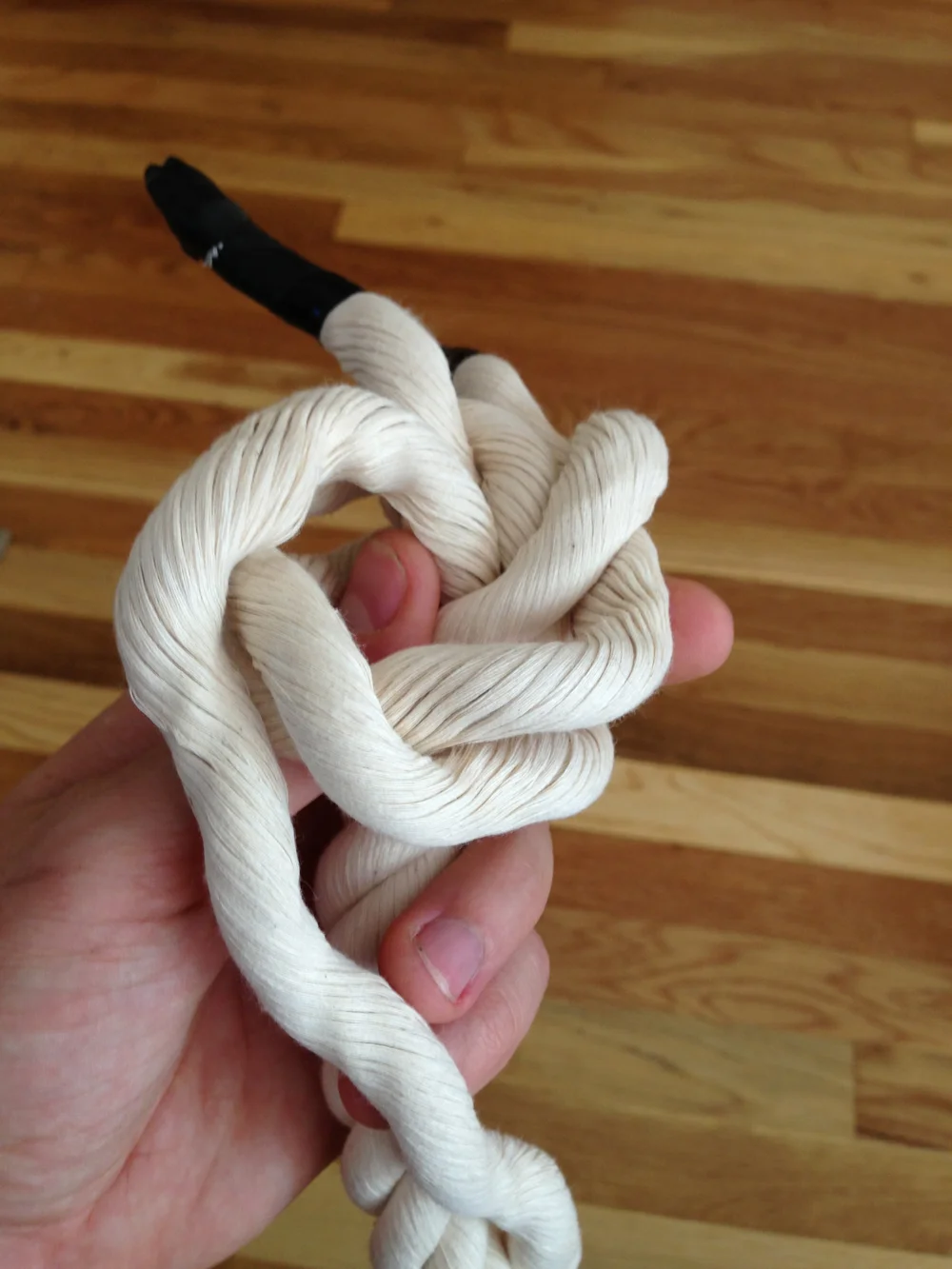
The figure eight knot creates a strong, bulky stopper. Make a loop and wrap the rope end around the standing part. Pass the end through the loop again. Pull tight to form a shape like the number eight. This knot is great for making knots that your dog can grab easily. It also adds extra durability to the toy.

Credit: www.allwinedesigns.com
Step-by-step Toy Making
Making your own dog rope toy is easier than you might think. With just a few supplies and some simple techniques, you can create a durable and fun toy tailored for your furry friend. Let’s break down the process into clear, manageable steps so you can get started right away.
Preparing The Rope
Choose a sturdy cotton rope that is safe for dogs. Avoid synthetic ropes as they can fray and may be harmful if ingested.
Cut the rope into lengths that suit your dog’s size—usually between 2 to 3 feet works well. Make sure the ends are clean and not frayed before you start tying knots.
Think about how thick or thin you want the toy to be. Doubling the rope before tying can add strength and bulk, which is great for aggressive chewers.
Tying The Knots
Start with a simple knot at one end to keep the strands together. This knot forms the base of your toy and needs to be tight.
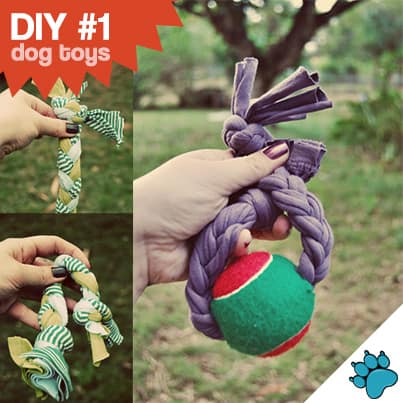
Braid or twist the strands together for the body of the toy. Keep the tension firm so the rope stays tight and doesn’t come loose during play.
Finish by tying another secure knot at the other end. This locks the braid in place and creates a fun grip for your dog to chew and tug.
Finishing Touches
Trim any excess rope close to the knots to prevent unraveling. If you want, you can use pet-safe glue or heat to seal the ends.
Check the toy carefully for any loose strands or weak spots. Test it yourself by pulling on the knots to ensure they won’t come undone easily.
Consider adding a few colorful strands of rope or fabric to make the toy more visually appealing for your dog. What colors does your dog respond to the most?
Customizing Your Toy
Customizing your dog rope toy makes it unique and fun for your pet. Personal touches increase the toy’s appeal and durability. Simple changes can match your dog’s style and chewing habits. Let’s explore easy ways to personalize your rope toy for better playtime.
Adding Color
Choose colorful ropes to catch your dog’s eye. Mix bright shades like red, blue, or green for a vibrant look. You can braid different colors together for a striped effect. Bright colors help find the toy quickly in the yard or house.
Incorporating Chew Elements
Include strong knots for extra chew fun. Add small, safe chew pieces like wooden beads or rubber rings. Tie them securely to avoid choking risks. These elements keep your dog interested and help clean teeth during play.
Adjusting Size For Different Dogs
Make the toy fit your dog’s size and strength. Use thicker ropes for large dogs to last longer. For small dogs, choose thinner ropes to avoid heavy toys. Measure the length so your dog can carry and toss the toy easily.
Cleaning And Maintenance
Cleaning and maintenance keep dog rope toys safe and durable. Dirt, saliva, and debris build up on the ropes over time. Regular care prevents bacteria and bad odors. It also helps the toys last longer. Proper upkeep protects your dog’s health and playtime fun.
Washing The Toys
Wash rope toys frequently to remove dirt and germs. Use warm water and mild soap. Scrub gently with a brush to clean deep inside the fibers. Rinse well to remove soap residue. Let the toy air dry completely before giving it back to your dog.
Machine washing works for some rope toys. Place them in a laundry bag to avoid tangling. Use a gentle cycle with cold water. Skip the dryer to prevent shrinking or damage.
Inspecting For Wear
Check rope toys often for loose threads or frayed fibers. Look for tears or holes where stuffing might come out. Small parts can cause choking hazards. Make sure knots are tight and secure. Toss toys that show heavy wear or damage.
Regular inspection helps catch problems early. It keeps your dog safe while playing.
When To Replace
Replace rope toys if they become unsafe or too worn. Signs to watch for:
- Fraying threads that unravel easily
- Broken knots or loose ends
- Exposed stuffing or sharp edges
- Foul smells that don’t wash out
Old toys may harbor bacteria or splinters. New toys keep playtime fun and safe.
Benefits Of Diy Rope Toys
DIY rope toys offer many benefits for both you and your dog. These toys are simple to make and bring joy and health to your pet. Crafting your own toys allows you to control the materials and shape the toy to suit your dog’s needs.
Cost Savings
Making rope toys at home saves money. Store-bought toys can be costly, especially if your dog chews them quickly. Using old clothes or ropes reduces waste and expenses. You get more toys for less money, and they last longer when made with care.
Bonding With Your Dog
Creating toys together builds a stronger bond. Your dog senses your effort and love. Playing with a toy you made brings joy to your pet. It deepens trust and connection between you both. This shared activity strengthens your relationship.
Encouraging Healthy Play
Rope toys promote active and healthy play. They help clean your dog’s teeth and massage gums. Tugging and chewing reduce boredom and stress. These toys keep your dog engaged and physically active. Healthy play supports your dog’s overall well-being.
Credit: pethero.co.za
Frequently Asked Questions
What Materials Are Best For Dog Rope Toys?
Cotton or fleece are ideal for dog rope toys. They’re durable, safe, and gentle on your dog’s teeth. Avoid synthetic materials that may fray or cause harm. Make sure the rope toy is washable for hygiene.
How Do I Make A Braided Rope Toy?
Cut three equal lengths of rope, tie a knot at one end. Braid the strands tightly and finish with a knot. Ensure knots are secure to prevent unraveling during play.
Are Homemade Rope Toys Safe For Dogs?
Yes, if made with pet-safe materials like cotton or fleece. Regularly inspect for wear and replace if damaged. Avoid small parts that can become choking hazards.
How Often Should I Replace Dog Rope Toys?
Replace dog rope toys when they show signs of wear or fraying. Regular inspections help ensure your dog’s safety. A durable toy can last several months with proper care.
Conclusion
Making dog rope toys is simple and fun. You only need a few materials and some patience. These toys keep your dog happy and active. Plus, you save money by creating them yourself. Remember to choose safe, sturdy ropes for your pet.
Try different knots to find what works best. Enjoy the process and watch your dog play happily. Homemade toys bring joy to both you and your furry friend. Give it a try today!

Emily Barker is the founder of ChillDogLife.com, a space dedicated to helping pup parents discover the best dog products, lifestyle tips, and cozy ideas for happier homes.
A lifelong dog lover, Emily combines her passion for pets with a knack for research to share trusted recommendations on everything from toys and furniture to health and everyday care.
Her goal is simple: to make life easier, stylish, and more joyful for dogs and the people who love them.




