
Teaching your dog to swim can be one of the most rewarding experiences you share together. Imagine the joy of watching your furry friend paddle confidently through the water, staying safe and having fun.
Whether you want to cool off on hot days or add a new activity to your playtime, knowing how to teach your dog to swim is essential. In this guide, you’ll discover simple steps to help your dog feel comfortable and excited about swimming.
Keep reading, and soon you and your dog will be making a splash in no time!
Preparing Your Dog For Water
Preparing your dog for water is key before teaching swimming skills. It helps your dog feel safe and enjoy the experience. Taking time to prepare reduces fear and builds trust. Start with small steps and watch your dog’s reactions closely.
Choosing The Right Location
Pick a calm, shallow area for your dog’s first swim. Avoid places with strong currents or deep water. A quiet pool or a gentle lake shore works well. Look for spots with easy access in and out of the water. Clean water is important to keep your dog healthy.
Essential Safety Gear
Use a dog life jacket to keep your pet safe in water. It helps your dog float and gives you control. Make sure the life jacket fits snugly but comfortably. Bring a leash to guide your dog if needed. Towels and fresh water are useful for after swimming.
Assessing Your Dog’s Comfort Level
Watch your dog’s body language near water carefully. Signs of stress include trembling, whining, or trying to escape. Reward calm behavior with treats and praise. Allow your dog to explore water at their own pace. Never force your dog into water if scared.
Introducing Water Gradually
Introducing your dog to water gently can make a big difference in how they learn to swim. Rushing into deep water might scare them and create a negative experience. Instead, take small steps to build their confidence and comfort around water.
Starting With Shallow Areas
Choose a calm, shallow spot where your dog can stand easily. A kiddie pool, a shallow lake edge, or even a bathtub can work well. Let your dog explore the water at their own pace without forcing them in.
Notice how your dog reacts—are they curious or hesitant? If they seem unsure, try sitting in the water yourself and calling them over. Your calm presence can encourage them to join you.
Using Positive Reinforcement
Reward your dog with treats, praise, or their favorite toy whenever they take a step toward the water. This helps them associate water with something good.
Keep sessions short and fun to avoid overwhelming your dog. Celebrate small victories, like touching the water or paddling a little, to keep motivation high.
Encouraging Calm Behavior
Stay patient and watch your dog’s body language closely. If they start to panic or struggle, calmly remove them from the water and try again later.
Use a soothing voice and gentle touches to reassure your dog throughout the process. Your calm energy will help them feel safe and more willing to try swimming.
Teaching Basic Swimming Techniques
Teaching basic swimming techniques to your dog helps them enjoy water safely. Start slow and keep sessions short. Use calm, quiet water to avoid stress. Patience is key. Each dog learns at its own pace. Clear steps guide your dog to swim confidently.
Supporting Your Dog In Water
Hold your dog gently under the belly. Keep their head above water at all times. Support helps your dog feel safe and secure. Avoid lifting too high or squeezing too tight. Let your dog move their legs freely. Your steady hands give them balance. Stay close and watch their reactions.
Guiding Paw Movements
Show your dog how to paddle with their paws. Move their legs in a gentle, swimming motion. Encourage steady, even strokes to build rhythm. Use treats or toys to motivate movement. Praise your dog for each attempt. Keep movements slow to avoid fatigue. Repetition helps your dog learn muscle coordination.
Building Confidence And Endurance
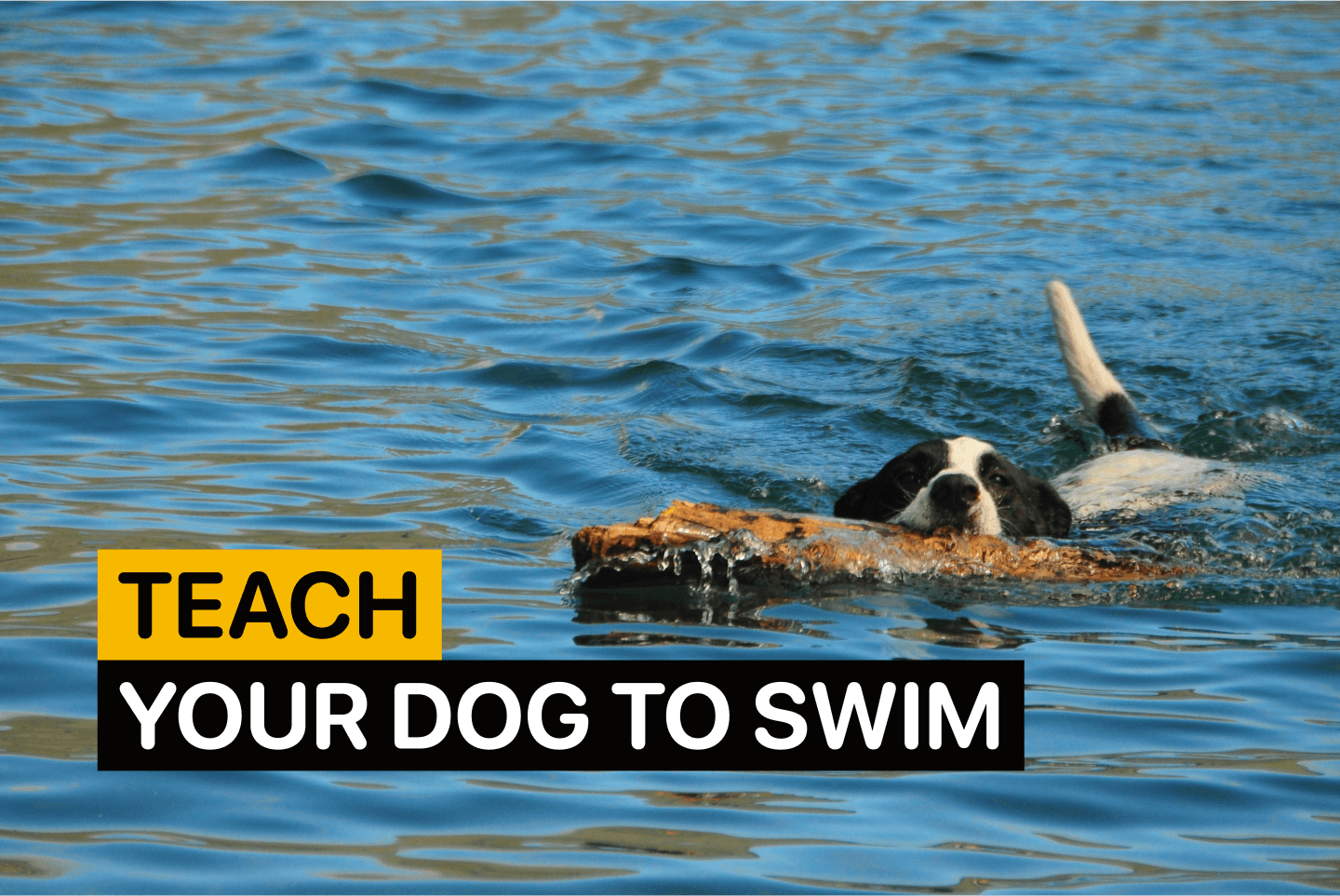
Start with short swims and increase time gradually. Let your dog rest between sessions to avoid tiredness. Use positive words and rewards for encouragement. Practice in shallow water before deeper areas. Familiar faces and toys boost confidence. Regular practice builds strength and comfort. Celebrate small successes to keep your dog motivated.
Credit: www.woofz.com
Ensuring Safety During Swim Sessions
Keeping your dog safe during swim sessions is very important. Water fun can become risky without proper care. Understanding how to watch for signs of tiredness and using safety tools helps prevent accidents. A safe swim builds your dog’s confidence and enjoyment in water.
Recognizing Signs Of Fatigue
Dogs can get tired quickly in water. Watch for:
- Heavy panting or drooling
- Slow or weak swimming strokes
- Whining or trying to climb out
- Head dipping below water level
Stop swimming if your dog shows any of these signs. Rest time keeps your dog safe and healthy.
Keeping Swim Sessions Short
Short swim times prevent exhaustion. Start with 5 to 10 minutes. Gradually increase time as your dog gets stronger. Frequent breaks help your dog recover.
Always swim in calm, shallow water for beginners. This reduces danger and builds confidence.
Using Life Jackets For Extra Protection
Life jackets add a safety layer. They help dogs float and reduce tiredness. Choose a well-fitted jacket designed for dogs.
- Look for bright colors for visibility
- Check secure straps and handles
- Test the jacket in shallow water first
Use life jackets especially for weak swimmers or deep water swims.
Post-swim Care For Your Dog
After your dog enjoys swimming, proper care is vital to keep them safe and comfortable. Post-swim care helps avoid health problems and makes swimming a positive experience. Focus on drying, warming, ear cleaning, and praising your dog’s efforts.
Drying And Warming Up
Use a towel to dry your dog gently but thoroughly. Pay attention to the paws, belly, and ears. Avoid using a hairdryer unless it has a cool setting. Let your dog rest in a warm, dry place to prevent chills. Keep your dog calm and comfortable during this time.
Cleaning Ears To Prevent Infections
Water trapped in ears can cause infections. Use a vet-approved ear cleaner and cotton balls. Gently wipe the inside of the ears without pushing deep. Check ears for redness, odor, or discharge regularly. Early care prevents painful ear problems later.
Rewarding Your Dog’s Efforts
Swimming is hard work for dogs new to it. Praise your dog with kind words and gentle petting. Give a small treat to encourage positive feelings. Celebrate small progress to build confidence and love for swimming. Happy dogs swim more and enjoy the water.

Credit: pupford.com
Troubleshooting Common Challenges
Teaching your dog to swim can be a rewarding experience, but it doesn’t always go smoothly. Some dogs hesitate, others show fear, and safety is always a top concern. Let’s look at ways to handle these common challenges so your dog feels confident and secure in the water.
Dealing With Fear Of Water
Fear of water is a natural reaction for many dogs. Start by introducing your dog to shallow water where they can stand comfortably. Use treats and praise to create positive associations with the water.
Try gently splashing water near your dog’s paws to get them used to the sensation. If your dog backs away, don’t force them—give them time and try again later. Have you noticed which activities calm your dog the most? Use those to build trust around water.
Handling Reluctance To Swim
Some dogs understand water is safe but still refuse to swim. Encouragement through play can help here. Toss a favorite toy a short distance into the water to motivate your dog to paddle towards it.
Swimming alongside your dog can also boost their confidence. Use a life jacket designed for dogs if they seem unsure—it makes them feel more secure and helps you control their movement. What small wins can you celebrate with your dog to keep their interest alive?
Addressing Safety Concerns
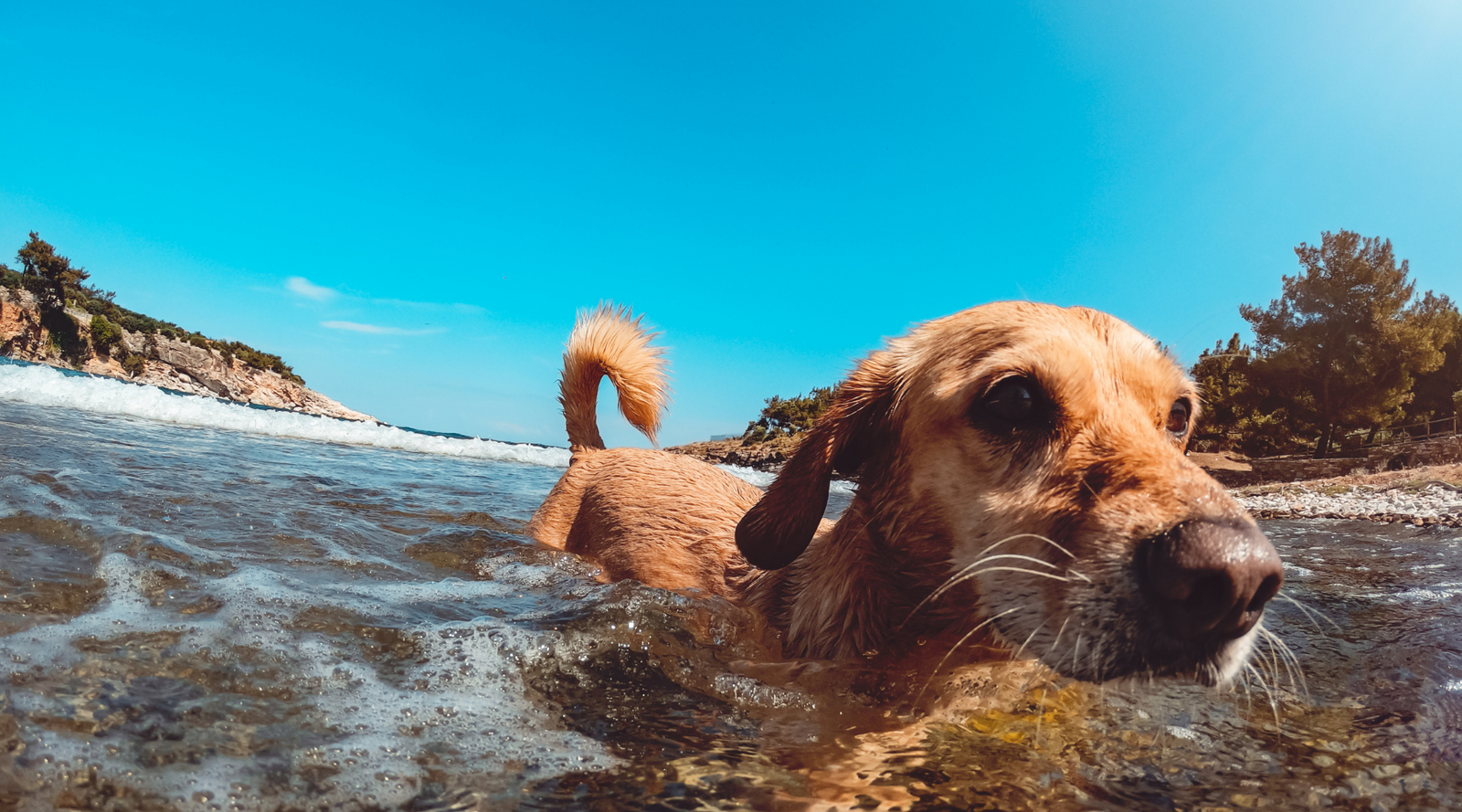
Safety is crucial when teaching your dog to swim. Always check the water for strong currents, sharp objects, or hazardous plants before letting your dog in. Never leave your dog unattended near water, no matter how confident they seem.
Invest in a well-fitted canine life jacket, especially for beginners or less confident swimmers. If you’re near a lake or river, be aware of local wildlife and water quality. How can you create a safe environment that lets your dog enjoy swimming without risk?
Credit: www.naturalfarmpet.com
Frequently Asked Questions
How Do I Introduce My Dog To Water?
Start with shallow water and gradually move to deeper areas. Use a calm and positive tone to encourage your dog. Allow them to explore at their own pace and always stay nearby for safety.
Can All Dog Breeds Learn To Swim?
Not all breeds are natural swimmers, but most can learn with patience. Breeds with short legs or heavy bodies may struggle more. Introduce them to water gently and use a life jacket if necessary.
What Safety Precautions Should I Take?
Always supervise your dog around water. Use a life jacket for added safety, especially in deep water. Be aware of water currents and avoid areas with strong tides or hazardous obstacles.
How Can I Make Swimming Enjoyable For My Dog?
Use toys and treats to create a positive experience. Gradually build your dog’s confidence with encouragement and praise. Ensure the water is warm and calm for a comfortable experience.
Conclusion
Teaching your dog to swim can be a fun and safe experience. Start slow and stay calm to build your dog’s confidence. Use treats and praise to encourage progress. Always watch your dog closely near water. Keep sessions short to avoid tiring your pet.
Swimming helps dogs stay healthy and happy. With patience, your dog will enjoy the water more each time. Remember, safety comes first in every swim lesson. Enjoy the bonding time and the new skill together.

Emily Barker is the founder of ChillDogLife.com, a space dedicated to helping pup parents discover the best dog products, lifestyle tips, and cozy ideas for happier homes.
A lifelong dog lover, Emily combines her passion for pets with a knack for research to share trusted recommendations on everything from toys and furniture to health and everyday care.
Her goal is simple: to make life easier, stylish, and more joyful for dogs and the people who love them.




