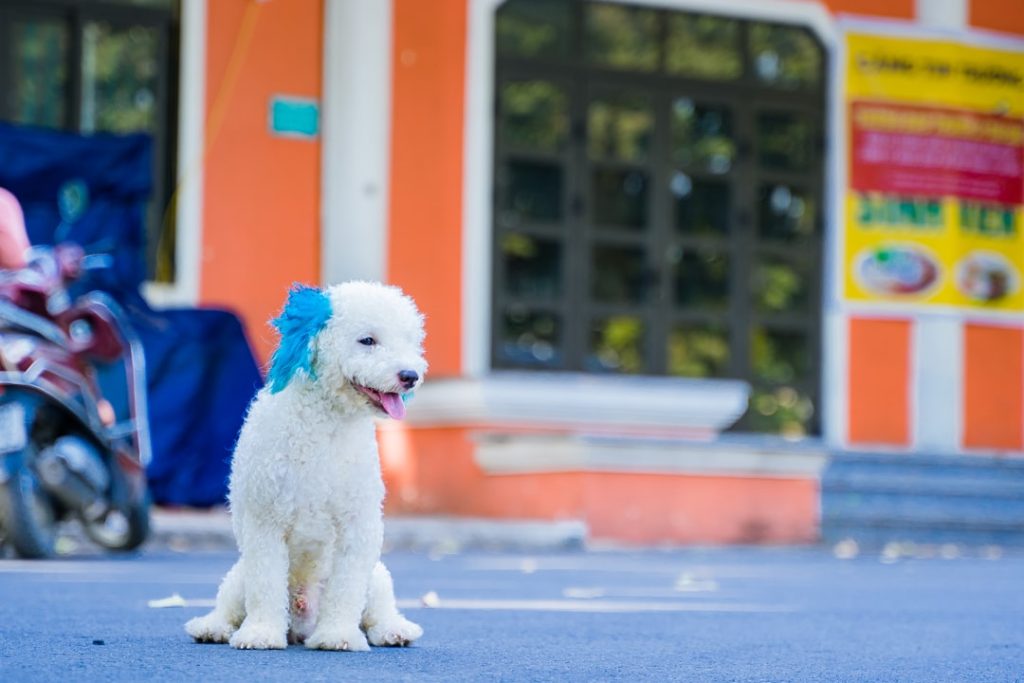
Are you thinking about adding a furry friend to your life? A Toy Poodle dog might be the perfect companion for you.
Small in size but big in personality, this breed brings joy, intelligence, and endless affection. Whether you live in an apartment or a house, the Toy Poodle adapts easily and loves to be by your side. Keep reading to discover what makes this little dog so special—and why it could be the best choice for your home and heart.

Credit: www.ckc.ca
Toy Poodle Traits
Toy Poodles are small dogs with big personalities. They are known for their intelligence and charm. This breed fits well in many homes because of its size and friendly nature. Understanding their traits helps in giving them the best care.
Physical Characteristics
- Height: Usually 9 to 11 inches tall
- Weight: Typically 4 to 6 pounds
- Coat: Curly and dense, comes in many colors
- Build: Compact and elegant with a proud stance
- Eyes: Dark and oval-shaped, full of expression
- Ears: Drop down close to the head
Temperament
Toy Poodles are very smart and easy to train. They enjoy learning new tricks and commands. They are friendly to people and other pets. These dogs are playful but also love quiet time. They can be alert, making good watchdogs. Toy Poodles thrive on human companionship and do not like being alone for long.
Lifespan And Health
The average lifespan of a Toy Poodle is 12 to 15 years. They are generally healthy but may face certain issues. Common concerns include dental problems and patellar luxation. Regular vet visits help catch problems early. Proper diet and exercise keep them fit and happy.
Choosing Your Toy Poodle
Choosing your Toy Poodle is an exciting process. This small dog brings joy and companionship. Making the right choice means understanding where to find a healthy, happy dog. Consider different sources and the dog’s age. This helps match your lifestyle and needs.
Finding A Reputable Breeder
A good breeder cares about the health and temperament of their dogs. They provide clear health records and vaccinations. Visit the breeder’s home to see living conditions. Ask about the parents’ health history and behavior. A responsible breeder answers your questions patiently. Avoid breeders who rush the sale or hide information.
Adoption Options
Shelters and rescue groups often have Toy Poodles needing homes. Adoption saves lives and offers a loving dog a second chance. Staff can help match you with a dog that fits your lifestyle. Many adopted dogs are already trained and socialized. Adoption fees usually cover vaccinations and spaying or neutering.
Puppy Vs Adult Dog
Puppies need time, patience, and training. They are playful and full of energy. Adult Toy Poodles often come with some training. They may have calmer personalities and lower energy. Consider your daily routine and experience with dogs. Both puppies and adults can make loving pets.
Daily Care Essentials
Keeping a Toy Poodle happy and healthy means paying close attention to their daily care. These small dogs have unique needs that, if met, make a huge difference in their quality of life. You’ll find that a consistent routine helps your Toy Poodle thrive both physically and emotionally.
Nutrition And Diet
Your Toy Poodle’s diet should be balanced and tailored to their size and activity level. High-quality dog food rich in protein supports their energetic nature and keeps their coat shiny.
Watch the portion sizes carefully. Overfeeding can lead to obesity, which is common in small breeds. Consider adding fresh vegetables like carrots or green beans as treats instead of sugary snacks.
Have you noticed how your Toy Poodle reacts to different foods? Some owners find that grain-free options reduce allergies or digestive issues. Keep an eye on their stools and energy levels to find the best fit.
Exercise Needs
Toy Poodles might be small, but they have plenty of energy to burn. Daily walks and playtime prevent boredom and destructive behavior.
Short bursts of activity like fetch or agility games are perfect. These dogs love mental stimulation, so try puzzle toys or obedience training sessions to keep their minds sharp.
Does your Toy Poodle get restless indoors? A 20 to 30-minute walk twice a day often does the trick. Adjust the intensity based on their age and health, but never skip exercise altogether.
Grooming Routine
Their curly coat requires regular grooming to avoid mats and tangles. Brush your Toy Poodle’s fur at least three times a week to keep it soft and clean.
Many owners schedule professional grooming every 4 to 6 weeks. This helps maintain a neat appearance and prevents skin problems.
Don’t forget to check their ears and trim nails regularly. Clean ears reduce the risk of infections, and proper nail length ensures comfortable walking.
Training Basics
Training a Toy Poodle sets a strong foundation for good behavior. These dogs are smart and eager to learn. Consistent training helps them grow into well-mannered pets. Patience and clear communication make training easier. Focus on basic skills first before moving to advanced commands.
House Training Tips
Start house training early for best results. Use a regular schedule for bathroom breaks. Praise your Toy Poodle when it goes outside. Clean accidents thoroughly to avoid repeats. Crate training can help control indoor habits. Keep sessions short to maintain interest. Watch for signs your dog needs to go out.
Obedience Commands
Teach simple commands like sit, stay, and come. Use treats and positive words as rewards. Practice commands daily in a quiet space. Repeat commands clearly and calmly each time. Gradually add distractions during training sessions. Keep training fun to hold attention. Avoid harsh words or punishment.
Socialization Practices
Expose your Toy Poodle to different people and pets. Introduce new sounds and places gently. Encourage calm and friendly behavior around others. Use treats to reward positive social interactions. Socialization helps reduce fear and aggression. Start socializing early for best outcomes. Regular outings build confidence and trust.
Advanced Training Techniques
Training a Toy Poodle beyond basic commands enhances their intelligence and behavior. Advanced training techniques help build a stronger bond between you and your dog. These approaches make your Toy Poodle more confident and obedient in daily life.
Trick Training
Teaching tricks keeps a Toy Poodle mentally sharp and active. Start with simple tricks like “shake hands” or “spin.” Use small treats and praise to encourage learning. Keep training sessions short to hold their attention. Gradually increase trick difficulty as your dog improves. Tricks provide fun challenges and deepen your connection.
Handling Separation Anxiety
Toy Poodles may feel stressed when left alone. Practice leaving your dog for short times to build tolerance. Create a safe space with toys and comfort items. Use calming sounds or a piece of your clothing. Avoid long goodbyes to reduce stress. Reward calm behavior after you return. These steps help your Toy Poodle feel secure.
Addressing Behavioral Issues
Correct unwanted behaviors early to prevent habits. Use positive reinforcement for good actions. Ignore minor misbehaviors to avoid attention seeking. Redirect chewing or barking toward toys or commands. Consistency in rules helps your dog understand limits. Seek professional help if problems persist. This keeps your Toy Poodle happy and well-mannered.
Health And Wellness
Keeping your Toy Poodle healthy and happy requires attention to their unique wellness needs. These small dogs can live long lives, but they need consistent care to avoid common health issues. Understanding what to watch for and how to care for them daily makes a big difference in their quality of life.
Common Health Problems
Toy Poodles are prone to certain health conditions you should be aware of.
- Patellar Luxation:This is a knee joint issue that can cause limping or discomfort.
- Progressive Retinal Atrophy (PRA):A genetic eye disease leading to vision loss.
- Dental Issues:Small dogs often face gum disease and tooth decay if their teeth aren’t cleaned regularly.
- Epilepsy:Seizures can occur but are manageable with veterinary guidance.
Have you noticed your dog limping or squinting lately? Early signs like these can help you catch problems before they worsen.
Regular Vet Checkups
Scheduling routine vet visits is crucial for spotting health issues early. A yearly checkup might not be enough for Toy Poodles, especially as they age.
During these visits, vets check your dog’s weight, teeth, eyes, and joints. They can also update vaccinations and recommend tests specific to your dog’s breed and age.
Think about how much your dog relies on you. Could you improve their wellness by adding a mid-year vet visit?
Preventative Care
Preventative care is more than just vet visits. It includes daily habits that keep your Toy Poodle strong.
- Brush their teeth several times a week to prevent dental disease.
- Feed a balanced diet designed for small breeds to maintain ideal weight.
- Provide regular exercise to keep joints flexible and muscles toned.
- Use flea, tick, and heartworm preventatives year-round.
Consistency in these areas can add years to your dog’s life. What small change can you make today to improve your Toy Poodle’s health?
Living With A Toy Poodle
Living with a Toy Poodle means inviting energy, intelligence, and affection into your daily life. These little dogs have big personalities that can brighten any home. Their adaptability makes them excellent companions whether you live alone or with a bustling family.
Toy Poodles And Families
Toy Poodles fit well in families of all sizes. Their gentle nature makes them great with children, but supervision is important to keep playtime safe for both. They thrive on attention, so involving the whole family in their care builds strong bonds.
Have you noticed how a Toy Poodle quickly learns family routines? They often anticipate meal times, walks, and play sessions. This awareness helps them feel secure and part of the family unit.
Traveling With Your Dog
Traveling with a Toy Poodle can be a joyful experience if you prepare properly. Their small size makes them easy to carry in a travel bag or crate. Always pack essentials like water, a favorite toy, and treats to keep them comfortable and calm.
Think about how your dog reacts to new places and sounds. Do they get anxious or excited? Planning breaks during long trips lets your Toy Poodle stretch and explore safely.
Creating A Safe Home Environment
Safety starts with the little things. Toy Poodles can squeeze into small spaces and get into trouble, so block off areas like under furniture or tight gaps. Secure loose wires and remove small objects they might swallow.
Consider adding soft bedding in quiet corners where your dog can rest undisturbed. A calm space helps reduce stress and supports healthy sleep.
Have you checked your home from your dog’s perspective lately? Seeing your space through their eyes can reveal hidden hazards or cozy spots that need attention.

Credit: zigly.com
Credit: www.pets4homes.co.uk
Frequently Asked Questions
What Is The Average Size Of A Toy Poodle?
Toy Poodles typically weigh between 4 to 6 pounds. They stand about 10 inches tall at the shoulder. Their small size makes them ideal for apartment living and travel.
How Long Do Toy Poodles Usually Live?
Toy Poodles have a lifespan of 12 to 15 years. Proper care, diet, and regular vet visits improve their longevity. They are generally healthy with few hereditary issues.
Are Toy Poodles Good For Families With Kids?
Yes, Toy Poodles are friendly and gentle with children. They are intelligent and easy to train. Supervision is recommended to prevent accidental rough handling.
How Often Should You Groom A Toy Poodle?
Toy Poodles require grooming every 4 to 6 weeks. Their curly coat needs regular brushing to avoid mats. Professional grooming helps maintain their coat and hygiene.
Conclusion
Toy Poodles bring joy and energy to any home. Their intelligence shines in every action. Easy to train and eager to please, they fit well in families. Small in size but big in personality, they adapt to any living space.
Their playful nature charms everyone they meet. Regular grooming keeps them looking their best. A Toy Poodle is more than a pet; it’s a loving companion. Perfect for those seeking a loyal friend. Consider adding a Toy Poodle to your family.
It’s a decision you won’t regret. Enjoy endless love and laughter with this delightful breed.

Emily Barker is the founder of ChillDogLife.com, a space dedicated to helping pup parents discover the best dog products, lifestyle tips, and cozy ideas for happier homes.
A lifelong dog lover, Emily combines her passion for pets with a knack for research to share trusted recommendations on everything from toys and furniture to health and everyday care.
Her goal is simple: to make life easier, stylish, and more joyful for dogs and the people who love them.




