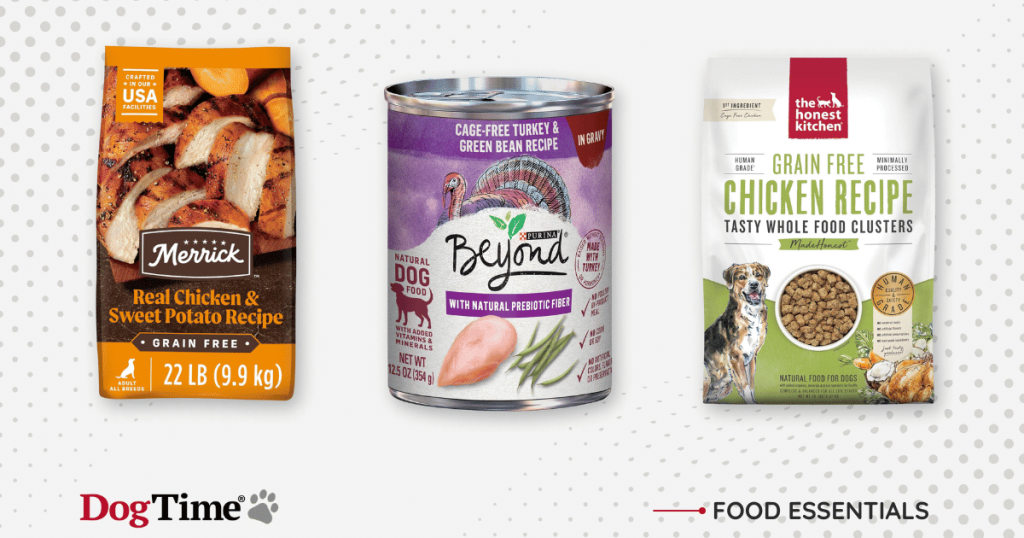
Are you wondering if grain free dog food is the right choice for your furry friend? You want the best for your dog’s health, energy, and happiness.
But with so many options out there, it’s hard to know what truly makes a difference. Grain free dog food is more than just a trend—it could be the key to solving common issues like allergies, digestion problems, or low energy.
Keep reading to discover how switching to grain free food can benefit your dog’s well-being and why it might be worth making the change today.

Credit: canidae.com
Grain Free Dog Food Basics
Grain free dog food has gained popularity for its simple formula. It removes grains that some dogs may find hard to digest. This type of food focuses on proteins and other ingredients to support dog health. Understanding the basics helps you see why many choose grain free options.
What Is Grain Free Dog Food
Grain free dog food is made without common grains like wheat or corn. Instead, it uses other ingredients to provide energy and nutrients. This food type aims to reduce allergies and digestive issues in dogs. It often suits dogs with sensitive stomachs or specific dietary needs.
Common Ingredients Replaced
Grains are replaced with other sources of carbohydrates and fiber. These include:
- Potatoes
- Sweet potatoes
- Pea starch
- Lentils
- Chickpeas
These ingredients provide energy and help maintain healthy digestion. They are easy to digest and less likely to cause allergies.
Types Of Grains Often Removed
Grain free dog food removes several common grains such as:
- Wheat
- Corn
- Barley
- Oats
- Rice
These grains can sometimes trigger allergies or cause digestive problems. Removing them helps some dogs feel better and have more energy.
Health Benefits For Dogs
Choosing grain free dog food can bring several health benefits for your furry friend. Many dogs react negatively to grains, and removing them can lead to noticeable improvements in their overall well-being. Let’s break down how grain free diets can specifically help your dog’s health.
Improved Digestion
Grains can be hard for some dogs to digest, causing discomfort and irregular bowel movements. Grain free dog food often contains easily digestible ingredients like sweet potatoes and peas, which ease the digestive process.
If your dog has experienced bloating, gas, or diarrhea, switching to grain free food might reduce these symptoms. Have you noticed your dog’s tummy acting up after meals? This could be a sign that their food isn’t agreeing with them.
Reduced Allergies And Sensitivities
Grain allergies or sensitivities are common in dogs and can lead to itching, ear infections, and skin issues. Removing grains from their diet often helps reduce these allergic reactions.
I once had a dog who constantly scratched and chewed their paws. After switching to a grain free diet, the itching stopped within weeks. Could your dog’s frequent itching be linked to their food ingredients?
Enhanced Coat And Skin Health
Grain free diets tend to include higher levels of protein and healthy fats, which can improve your dog’s coat and skin condition. You might notice a shinier coat and less dandruff or dryness.
Improved skin health also means fewer vet visits for skin infections or irritations. What if a simple change in diet could give your dog that glossy, healthy look you want for them?
Better Weight Management
Grain free dog food often contains fewer fillers and more nutrient-dense ingredients. This helps maintain a healthy weight by providing balanced nutrition without unnecessary calories.
If your dog struggles with weight, grain free options might help control their appetite and energy levels. Have you checked if your dog’s current food is contributing to unwanted weight gain?
Who Needs Grain Free Diets
Choosing the right diet for your dog can feel overwhelming, especially with so many options available. Grain free diets are not necessary for every dog, but they serve a specific purpose for some. Understanding who truly benefits from grain free dog food helps you make a smart choice for your furry friend’s health.
Dogs With Food Allergies
Many dogs suffer from food allergies that cause itching, skin irritations, or digestive problems. Grain can sometimes trigger these reactions, making grain free food a better option. If your dog shows signs like constant scratching or upset stomach, a grain free diet might reduce these symptoms.
Have you noticed your dog scratching more than usual? Or experiencing frequent diarrhea? These could be clues that a grain free diet will help your pet feel more comfortable.
Breeds Prone To Grain Sensitivities
Some dog breeds are naturally more sensitive to grains. Breeds like Boxers, Bulldogs, and Golden Retrievers often react poorly to grain ingredients. Feeding them grain free food can prevent common issues like allergies and digestive upset.
Think about your dog’s breed and its typical health concerns. Could switching to grain free food be a simple way to avoid these breed-specific problems?
Puppies And Senior Dogs
Puppies and senior dogs have unique nutritional needs. Puppies need easily digestible food to support growth, and seniors often require diets that reduce inflammation and support joint health. Grain free formulas can be gentler on their digestive systems and provide better nutrient absorption.
Is your puppy struggling with digestion or your older dog slowing down? Grain free food might offer the gentle nutrition they need to thrive at every stage of life.

Credit: www.vetsupply.com.au
Potential Risks And Considerations
Choosing grain free dog food requires careful thought. It is not always the best choice for every dog. Some risks and factors need attention before making the switch.
Grain free diets might lack certain nutrients. Dogs need a balanced diet for good health. Missing nutrients can lead to problems over time.
Nutritional Balance Challenges
Grains provide important nutrients like fiber and vitamins. Grain free foods may replace grains with other ingredients. This can change the nutrient profile of the food. It may not meet all of a dog’s needs. Watch for signs of poor nutrition, such as weight loss or dull coat.
Cost Implications
Grain free dog food often costs more than regular food. The special ingredients and processing raise the price. Feeding grain free may increase your monthly pet care budget. Consider if the benefits outweigh the extra cost for your dog.
Consulting With A Veterinarian
Talk to a vet before changing your dog’s diet. They can recommend the best food based on health and needs. A vet can spot risks of grain free food for your dog. They help create a safe feeding plan to avoid problems.
Choosing The Right Grain Free Food
Choosing the right grain free dog food takes care and attention. It helps keep your dog healthy and happy. Not all grain free foods are the same. Some have better ingredients and nutrition. Knowing what to look for makes a big difference.
Reading Ingredient Labels
Check the ingredient list carefully. Good grain free dog food uses quality protein like chicken, beef, or fish. Avoid foods with fillers or artificial additives. Ingredients should be easy to understand. Look for whole foods such as sweet potatoes or peas. These provide natural nutrients and energy. Watch out for added sugars or by-products. The first few ingredients carry the most weight.
Top Grain Free Brands
Choose brands known for quality and safety. Many brands offer grain free options with balanced nutrition. Some popular choices include:
- Blue Buffalo Wilderness
- Wellness CORE Grain-Free
- Merrick Grain Free
- Natural Balance L.I.D.
- Canidae Grain Free
These brands use natural ingredients and avoid fillers. Always read reviews and check for recalls. Pick a brand that fits your budget and meets your dog’s needs.
Homemade Grain Free Options
Home-cooked meals give full control over ingredients. Use fresh meats, vegetables, and grains substitutes like quinoa. Avoid common allergens and fillers. Make sure meals are balanced with protein, fats, and vitamins. Consult a vet or pet nutritionist to meet dietary needs. Homemade food can be a healthy and tasty choice.
Myths About Grain Free Dog Food
Grain free dog food has sparked many debates and misconceptions among pet owners. It’s important to separate fact from fiction to make the best choice for your dog’s diet. Let’s look at some common myths that might be misleading you.
Grain Free Is Always Healthier
Many believe grain free means automatically healthier. But that’s not always true. Health depends on the overall ingredients and nutritional balance, not just the absence of grains.
Some grain free foods use fillers like potatoes or peas that can raise carbohydrate levels. Always check the full ingredient list rather than assuming grain free equals better nutrition.
Grain Free Prevents All Allergies
It’s easy to think grain free food stops all allergies. Actually, only a small number of dogs are allergic to grains. More dogs react to proteins like beef or chicken.
If your dog shows allergy signs, work with a vet to identify the exact cause. Removing grains without knowing the real trigger might not solve the problem.
Grains Are Harmful To All Dogs
Grains like rice, oats, and barley provide essential nutrients and energy. Many dogs digest grains well and benefit from their fiber and vitamins.
Are you avoiding grains because of a trend, or because your dog truly needs it? Observe your dog’s health and discuss diet changes with your vet before cutting out grains completely.

Credit: kohapet.com
Frequently Asked Questions
What Is Grain Free Dog Food?
Grain free dog food is a type of pet food that does not contain grains like wheat, corn, or rice. Instead, it often uses alternative carbohydrates such as sweet potatoes or legumes. This type of diet is designed for dogs with grain allergies or sensitivities.
Are There Health Benefits To Grain Free Dog Food?
Yes, grain free dog food can offer health benefits. It may help dogs with allergies or digestive issues. It can lead to improved skin health and shinier coats. Additionally, it might provide more energy and better digestion for some dogs.
Is Grain Free Dog Food Suitable For All Dogs?
Grain free dog food is not suitable for all dogs. While some dogs benefit from it, others may not need it. Always consult with your veterinarian before changing your dog’s diet. They can provide guidance based on your dog’s specific needs and health conditions.
How Does Grain Free Dog Food Affect Digestion?
Grain free dog food may improve digestion in some dogs. It can be easier on the stomach for those with grain sensitivities. The alternative ingredients used are often more digestible. However, each dog’s digestive system is different, so results can vary.
Conclusion
Grain free dog food offers many benefits for your pet’s health. It can reduce allergies and improve digestion. Dogs may feel more energetic and have shinier coats. Choosing the right food helps avoid unnecessary grains that cause issues. Always check ingredients carefully and consult your vet.
Healthy food means a happier dog. Simple changes in diet can make a big difference. Your dog deserves the best care and nutrition. Grain free options are worth considering for many dogs.

Emily Barker is the founder of ChillDogLife.com, a space dedicated to helping pup parents discover the best dog products, lifestyle tips, and cozy ideas for happier homes.
A lifelong dog lover, Emily combines her passion for pets with a knack for research to share trusted recommendations on everything from toys and furniture to health and everyday care.
Her goal is simple: to make life easier, stylish, and more joyful for dogs and the people who love them.




