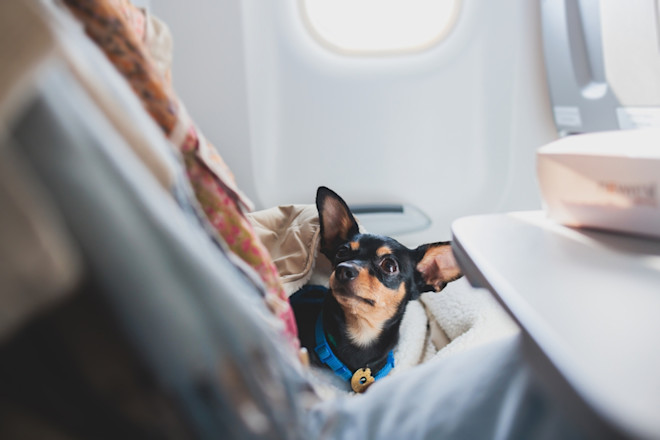
Traveling with your dog on an airplane can feel overwhelming. You want to keep your furry friend safe and comfortable, but there are so many rules and details to remember.
What are the best ways to prepare? How do you make sure your dog stays calm during the flight? In this guide, you’ll find simple, clear tips that help you plan every step of your trip. By the end, you’ll feel confident and ready to take to the skies with your loyal companion right by your side.
Keep reading to discover how to make flying with your dog smooth and stress-free.
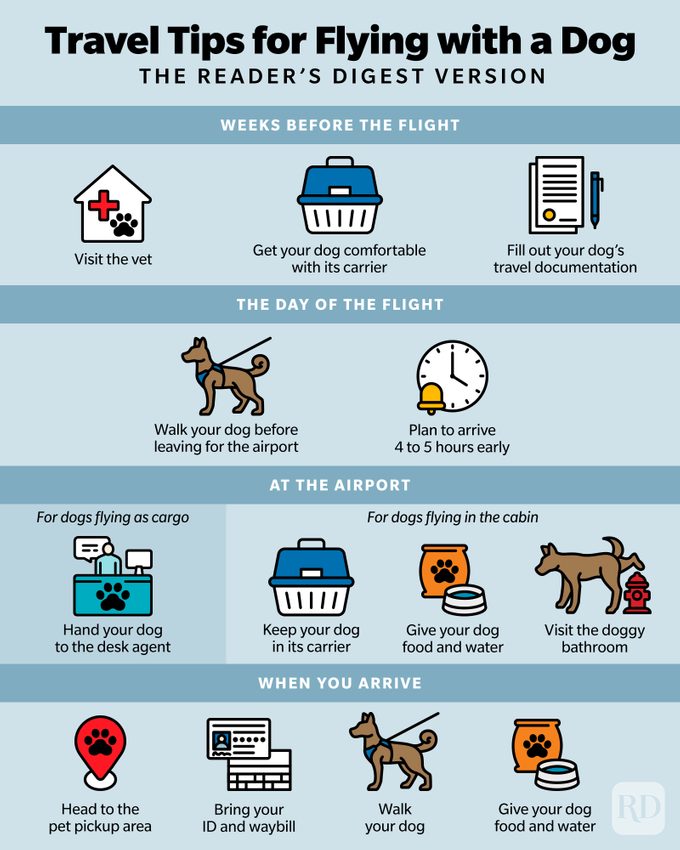
Credit: www.rd.com
Choosing The Right Airline
Choosing the right airline is a critical step when planning to travel with your dog on an airplane. Each airline has its own rules, fees, and restrictions that can directly affect your pet’s comfort and your travel experience. Picking the best airline means less stress for both you and your furry companion.
Pet Policies Comparison
Airlines vary widely in their pet policies. Some allow small dogs in the cabin, while others require pets to fly in the cargo hold. It’s important to check the maximum weight and size limits for in-cabin pets, as well as breed restrictions.
Look out for these key points when comparing airlines:
- Carrier dimensions:Does your dog’s carrier fit the airline’s size limits?
- Pet fees:How much extra will you pay for your dog’s ticket or crate?
- Health requirements:Is a health certificate or vaccination record needed?
- Booking limits:How many pets are allowed per flight?
For instance, I once had to switch from a preferred airline because they only allowed two pets per flight, and the flight was already fully booked. Checking these details early can save you last-minute hassles.
Booking Pet-friendly Flights
Securing your dog's spot on a flight requires more than just buying a ticket. Many airlines recommend booking as early as possible since pet spaces are limited.
Try to choose flights that are less crowded, such as mid-week or early morning flights. This reduces noise and stress for your dog. Also, direct flights are better to avoid the chaos of layovers and transfers.
When booking, always call the airline directly to confirm pet availability and ask about any special instructions. This step helped me avoid unexpected problems on a holiday trip when the online system showed availability but the pet quota was full.

Credit: www.aol.com
Preparing Your Dog For Air Travel
Preparing your dog for air travel is important for a smooth journey. It reduces stress for both you and your pet. Careful preparation helps your dog feel safe and comfortable. Start planning well before the flight day.
Health Check And Vaccinations
Visit the vet to ensure your dog is healthy for travel. Confirm all vaccinations are up to date. Some airlines require a health certificate issued within 10 days of travel. Discuss any health concerns with your vet. Keep a copy of medical records and vaccination certificates handy.
Familiarizing With The Carrier
Help your dog get used to the travel carrier early. Place the carrier in a common area at home. Encourage your dog to enter by using treats or toys. Leave the carrier door open at first. Gradually increase the time your dog spends inside. This builds comfort and reduces anxiety during the flight.
Selecting The Perfect Carrier
Choosing the right carrier is key to a smooth flight with your dog. The carrier keeps your pet safe and comfortable during the trip. It must fit both your dog and airline rules. A good carrier reduces stress for you and your furry friend. Consider size, comfort, and airline approval to find the best option.
Size And Comfort Requirements
Your dog needs enough space to sit, stand, and turn around. Measure your dog from nose to tail and floor to head. Add a few inches to these measurements for comfort. The carrier should have soft padding or a cozy lining. Good ventilation is a must to keep your dog cool. Choose a carrier with secure doors and zippers that won’t open accidentally. Lightweight carriers with handles or straps make carrying easier.
Approved Carrier Types
Airlines have strict rules about what carriers they accept. Most allow soft-sided carriers for cabin travel. Hard plastic carriers are usually for checked baggage or cargo. Check your airline’s website for exact carrier dimensions and materials. Carriers must fit under the seat in front of you if your dog flies cabin. Look for carriers labeled “airline approved.” Some airlines require waterproof or leak-proof bottoms. Always confirm before booking your flight to avoid surprises at the airport.
Booking And Documentation
Booking your flight and gathering the right documents are the first crucial steps to traveling with your dog on an airplane. These steps set the tone for a smooth journey. Missing details or incorrect paperwork can lead to last-minute stress or even denied boarding.
Reservation Tips
Book your dog’s spot early. Airlines often limit how many pets they allow per flight, so secure your dog’s place well in advance.
Choose flights with minimal layovers. Direct flights reduce the time your dog spends in transit and lower the chance of mishaps.
Call the airline directly instead of booking online. Speaking to an agent helps clarify pet policies and special requirements.
Ask about the size and type of carriers allowed. Some airlines have strict rules on carrier dimensions, which affects whether your dog can travel in the cabin.
Necessary Paperwork
Prepare a health certificate from your vet, dated within 10 days before travel. This certificate confirms your dog is fit to fly and free of contagious diseases.
Check if your destination requires specific vaccinations, like rabies shots. Some countries or states have quarantine rules if vaccines aren’t up to date.
Bring your dog’s vaccination records and microchip details. These are often requested at check-in or customs.
Keep copies of all documents in your carry-on and on your phone. Having backups saves you from panic if originals are misplaced.
Day Of Travel Tips
Traveling with your dog on an airplane can be a smooth experience if you plan well for the day of travel. The right approach helps keep your dog calm and comfortable, while also reducing your stress. Here are some practical tips to guide you through feeding, hydration, airport arrival, and security checks.
Feeding And Hydration
Keep your dog’s feeding schedule light on travel day. Avoid heavy meals right before the flight to prevent nausea. A small meal a few hours before heading to the airport works best.
Offer water regularly but in small amounts to avoid accidents. Carry a collapsible water bowl for easy access during security lines or waiting periods. Staying hydrated helps your dog stay alert and comfortable.
Have you noticed how some dogs get restless when they’re hungry or thirsty? Managing their food and water intake can make a big difference in their behavior during travel.
Airport Arrival And Security
Arrive at the airport earlier than usual to give yourself plenty of time. Airports can be overwhelming for dogs with all the noises and crowds. A calm pace helps you and your dog adjust gradually.
During security, you’ll need to take your dog out of the carrier. Use a leash and stay close to prevent any sudden movements. Keep your dog calm by speaking softly or offering a favorite toy.
Remember, security personnel are used to pets traveling, but your dog may not be. Your calm presence can reassure your furry friend through the process.
In-flight Experience
Flying with your dog can be a unique adventure filled with challenges and surprises. The in-flight experience matters a lot, as it impacts your pet’s comfort and your own peace of mind. Understanding what to expect and how to prepare can make a big difference during the flight.
Keeping Your Dog Calm
Your dog’s calmness during the flight starts with preparation. Try taking short practice trips in their carrier to get them used to being confined. Bring along familiar items like a favorite blanket or toy to provide comfort and reduce anxiety.
During the flight, speak softly and gently to reassure your dog. Avoid giving too many treats or new foods before the flight to prevent stomach upset. If your dog tends to get nervous, ask your vet about natural calming aids or mild sedatives, but never use medication without professional advice.
Have you noticed how dogs react differently to noises and movements? Some might find the engine sounds soothing, while others could get startled. Watch your dog's behavior closely and offer comfort when you see signs of stress, like whining or pacing.
Cabin Vs Cargo Travel
Deciding whether your dog should fly in the cabin or cargo hold depends on size, breed, and airline rules. Small dogs can usually stay with you in the cabin, which lets you keep an eye on them and respond quickly if they get anxious.
Traveling in the cargo hold is an option for larger dogs but comes with more risks. Temperatures, air pressure, and handling during loading can affect your dog’s wellbeing. Airlines have specific requirements and safety measures, but it’s crucial to evaluate if your pet is suited for this environment.
Think about your dog’s temperament and health. Would they handle being separated from you and confined in a dark, less controlled space? Some breeds with respiratory issues or extreme sizes are not recommended for cargo travel.
Choosing cabin travel means preparing a proper airline-approved carrier that fits under the seat. For cargo, invest in a sturdy, well-ventilated crate, and label it clearly with your contact information. Both options require advance planning and understanding of airline policies.
Post-flight Care
After a flight, your dog needs special attention to recover from the journey. Post-flight care helps your furry friend feel comfortable and safe in a new environment. It also ensures that any travel-related stress or health issues are addressed promptly.
Settling Your Dog
Once you arrive, give your dog some quiet time to adjust. Find a calm spot where your dog can relax without distractions. Offering fresh water and a favorite toy can help ease anxiety.
Observe your dog’s behavior closely. Are they pacing, whining, or hiding? These signs might mean they need more time to settle or extra reassurance from you.
Try a gentle walk outside if the environment allows it. This helps release built-up energy and provides a familiar routine. Have you noticed how a short walk can instantly calm your pet after a stressful event?
Health Check After Travel
Check your dog for any signs of discomfort or injury right after the flight. Look for symptoms like excessive panting, limping, or unusual lethargy. These could indicate dehydration, stress, or injury from the trip.
Keep an eye on your dog’s appetite and bathroom habits over the next 24 hours. Changes might signal digestive upset or illness caused by travel. If you spot anything concerning, don’t hesitate to contact your vet.
Remember, some dogs may feel the effects of flying hours after landing. How prepared are you to respond if your dog shows delayed signs of travel stress? Having your vet’s contact info handy can save crucial time.

Credit: wheniroam.com
Common Challenges And Solutions
Traveling with your dog on an airplane can bring unexpected challenges. Knowing common issues and how to handle them can make your journey smoother and less stressful for both you and your pet. Let’s look at some typical hurdles and practical ways to overcome them.
Dealing With Anxiety
Many dogs feel nervous during air travel. The unfamiliar sounds, smells, and confined space can easily spike their anxiety.
To help your dog stay calm, try familiarizing them with their travel crate well before the trip. Add a favorite blanket or toy inside to create a comforting space.
Consider a short practice session where your dog spends time in the crate at home. This can reduce fear on the actual flight.
Have you thought about natural calming aids? Some pet owners use pheromone sprays or calming treats, but always check with your vet first.
Handling Unexpected Delays
Flight delays can be tough on dogs who aren’t used to waiting in busy airports. Your dog might get restless or stressed if stuck for hours.
Bring extra food and water to keep your pet hydrated and comfortable during delays. Portable bowls can be a lifesaver.
Plan bathroom breaks by scouting pet relief areas at the airport ahead of time. This helps avoid accidents and keeps your dog at ease.
Ask yourself: how prepared are you to keep your dog entertained during long waits? Small chew toys or gentle petting can help pass the time.
Frequently Asked Questions
Can I Take My Dog On A Plane?
Yes, most airlines allow dogs on board, either in-cabin or as cargo. Each airline has specific requirements and fees. Check your airline’s pet policy in advance to ensure a smooth journey. Make sure your dog meets size and weight restrictions and has the necessary health certificates.
What Are The Airline Requirements For Dog Travel?
Airline requirements for dog travel include size and weight limits, pet carrier standards, and health documentation. Ensure your dog’s vaccinations are up to date. Contact your airline beforehand to understand specific pet travel policies and any additional fees. Compliance with these requirements is crucial for a hassle-free travel experience.
How Do I Prepare My Dog For A Flight?
To prepare your dog for a flight, familiarize them with the carrier. Gradually increase their time inside it. Ensure they are comfortable and calm. Avoid feeding them a large meal before the flight. Take them for a walk before departure to burn off energy.
What Should I Pack For My Dog’s Flight?
Pack essentials like a comfortable carrier, leash, portable water bowl, and a small amount of food. Bring your dog’s favorite toy or blanket for familiarity. Don’t forget health documents and identification tags. These items ensure your dog’s comfort and safety throughout the journey.
Conclusion
Traveling with a dog on a plane takes some planning and care. Know the airline’s pet rules before booking your ticket. Bring your dog’s favorite items to keep them calm. Check your dog’s health and paperwork ahead of time. Keep your dog comfortable during the flight.
Small steps make travel easier for both you and your pet. Enjoy your trip together, safe and happy.

Emily Barker is the founder of ChillDogLife.com, a space dedicated to helping pup parents discover the best dog products, lifestyle tips, and cozy ideas for happier homes.
A lifelong dog lover, Emily combines her passion for pets with a knack for research to share trusted recommendations on everything from toys and furniture to health and everyday care.
Her goal is simple: to make life easier, stylish, and more joyful for dogs and the people who love them.




