
Are you wondering if you should crate your dog at night? It’s a question many pet owners face.
You want your furry friend to be safe and comfortable while you get a good night’s sleep. But is crating the right choice for your dog? This article will help you understand the benefits and drawbacks, so you can make the best decision for your pet and your home.
Keep reading to discover what experts say and how to create a nighttime routine that works for both you and your dog.
Benefits Of Crating At Night
Crating your dog at night offers several important benefits that can improve both your pet’s well-being and your peace of mind. It’s not just about confinement; it’s about creating a safe and structured environment. Understanding these benefits can help you decide if crating is the right choice for your dog.
Safety And Security
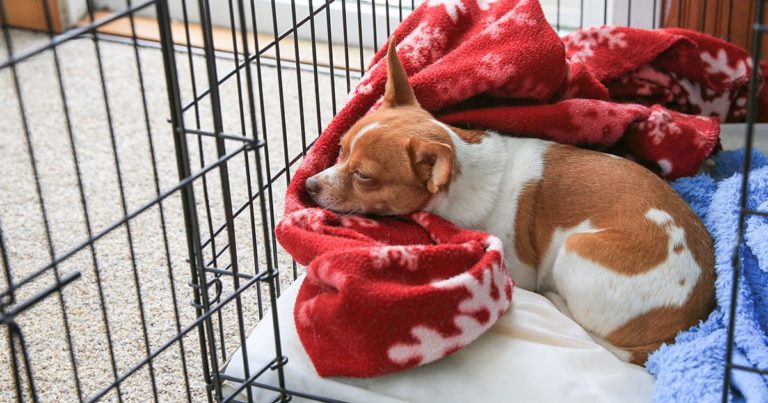
A crate acts as a secure space where your dog can rest without risk of injury. It keeps them away from household hazards like electrical cords or toxic substances that are easily accessible at night. You might be surprised how much calmer your dog feels knowing they have their own “den” to retreat to.
Have you ever woken up to find your pup chewing on something dangerous? Crating prevents this by limiting access to risky items. This safe zone also reduces anxiety for dogs who feel overwhelmed by open spaces at night.
Establishing Routine
Dogs thrive on routine, and crating at night helps build a consistent schedule for sleep and bathroom breaks. When your dog associates the crate with bedtime, it becomes easier for them to settle down and sleep through the night. This predictability can reduce restlessness and nighttime barking.
Think about your own sleep habits—having a bedtime routine helps you relax. Your dog benefits in the same way when they know what to expect. A crate can be a powerful tool to teach your dog when it’s time to wind down.
Preventing Destructive Behavior
Crating at night limits your dog’s opportunity to engage in destructive behaviors like chewing furniture or scratching doors. This control protects your belongings and prevents bad habits from forming. Dogs left unsupervised can get into trouble, especially if they’re still learning boundaries.
By giving your dog a crate, you create a boundary they understand and respect. Over time, this helps reduce anxiety-driven behaviors that occur when they’re left alone. Wouldn’t it feel great to wake up without worrying about damage?
Credit: www.diamondpet.com
Choosing The Right Crate
Choosing the right crate for your dog at night is more than just picking a box. It’s about creating a safe, cozy spot that feels like a little home. The right crate can make your dog look forward to bedtime, easing anxiety and helping with good sleep habits.
Size And Comfort
Your dog’s crate should be just the right size—not too big, not too small. It needs to be roomy enough for your dog to stand, turn around, and lie down comfortably. Too large a crate might encourage unwanted behavior, like using one corner as a bathroom.
Think about your dog’s breed and growth potential. If you have a puppy, consider a crate with a divider so you can adjust the space as they grow. Adding a soft bed or blanket makes the crate inviting and signals that it’s a place to relax.
Materials And Durability
Crates come in wire, plastic, fabric, and even wood. Wire crates offer great ventilation and visibility, which some dogs love. However, if your dog is a chewer or digger, a plastic or metal crate might be safer and more durable.
Consider your dog’s habits: Does your dog chew or try to escape? Choose a crate material that can stand up to their energy and strength. Also, easy-to-clean materials save you time and keep the crate hygienic for your dog every night.
Location In The Home
Where you place the crate affects your dog’s comfort and your household’s routine. A quiet corner in the living room or bedroom often works well since dogs are social animals and want to be near you. Avoid drafty areas or spots with too much foot traffic.
Think about your dog’s personality. Does your dog prefer being in the center of activity or having a calm, secluded spot? Placing the crate where your dog feels secure can reduce stress and make nighttime crate time a positive experience for both of you.
Introducing Your Dog To The Crate
Crating your dog at night can create a safe space and reduce anxiety. Introducing the crate slowly helps your dog feel comfortable and secure. Nighttime crate use supports better sleep habits for both you and your pet.
Introducing your dog to the crate can be a smooth process. It requires patience, understanding, and consistency. A crate can be a safe, cozy place for your pet. It should feel like a den, offering comfort and security.Gradual Acclimation
Start by placing the crate in a quiet area. Leave the door open for exploration. Allow your dog to sniff and investigate at their own pace. Use a soft bed or blanket inside. Familiar scents can be comforting. Encourage them with gentle words. This helps build a positive association with the crate.Positive Reinforcement
Reward your dog with treats when they enter the crate. Use praise and affection to show approval. This can make the crate a desirable place. Give them a favorite toy inside the crate. Playing inside can create positive memories. Make short crate sessions enjoyable. Gradually increase the time spent inside.Avoiding Negative Associations
Never use the crate as punishment. It should not be a place of fear. Keep the experience stress-free and calm. Avoid forcing your dog inside. Let them enter willingly. Ensure the crate is comfortable and clean. A pleasant environment encourages relaxation.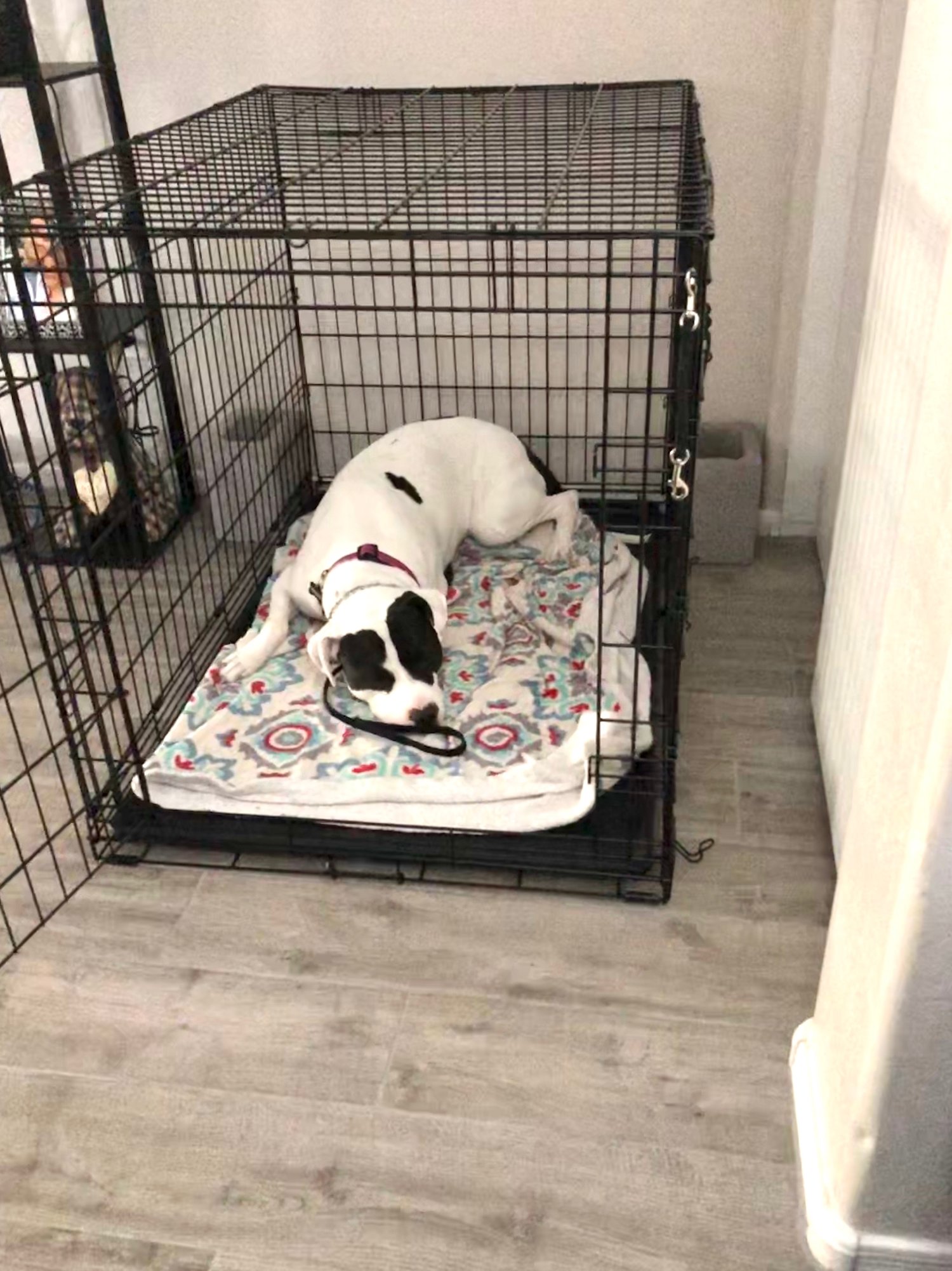
Credit: www.sadiesrulesk9training.com
Crate Training Tips For Nighttime
Crate training your dog at night can help them feel safe and secure. It also protects your home and gives your dog a quiet space to rest. Follow simple tips to make nighttime crate training smooth and stress-free.
Establishing A Bedtime Routine
Create a calm and consistent bedtime routine. Take your dog outside for a final bathroom break. Use gentle words and soft petting before placing them in the crate. Dim the lights and keep noise low to signal bedtime. A cozy blanket or toy inside the crate can add comfort.
Managing Bathroom Breaks
Young dogs may need nighttime bathroom breaks. Set an alarm to take your dog out quietly. Keep the walk short and avoid playtime. Return to the crate immediately after. Gradually, your dog will hold their bladder longer at night.
Dealing With Whining Or Barking
Whining or barking can mean discomfort or a need to go out. Check for urgent needs calmly. Avoid opening the crate when the dog whines just for attention. Wait until they are quiet before giving attention. Patience helps your dog learn crate rules.
When Not To Crate Your Dog
Crating your dog at night can be a helpful tool for training and safety, but it’s not always the best choice for every pup or situation. Knowing when not to crate your dog is just as important as knowing when to use one. Ignoring your dog’s unique needs can turn crate time into a source of discomfort or distress.
Anxiety And Stress Concerns
Some dogs experience increased anxiety when confined in a crate. If your dog shows signs like excessive barking, whining, or destructive behavior inside the crate, it might be causing more harm than good.
Think about your dog’s temperament. Does your dog already struggle with separation anxiety or fear? Crating could make these feelings worse rather than providing comfort.
You might notice your dog pacing or trying to escape. These are clear signs to reconsider crating and explore other safe sleeping options.
Health Issues
Dogs with certain health problems should avoid prolonged crating. Joint pain, arthritis, or respiratory issues can make staying in a crate uncomfortable or even dangerous.
Older dogs or those recovering from surgery often need more space to stretch and move. Crating might restrict their movement, delaying recovery or worsening symptoms.
If your dog has bladder control problems, crating overnight could lead to accidents, causing stress for both of you.
Age And Breed Considerations
Puppies and senior dogs have different needs that can affect crating suitability. Very young puppies might not have full bladder control, making long crate sessions tough.
Certain breeds prone to overheating or respiratory issues, like Bulldogs or Pugs, may find crates uncomfortable without proper ventilation.
Large breeds might need more room than standard crates offer. Crating a big dog in a small space can cause physical discomfort and behavioral problems.

Credit: www.vitenbergadvogados.com.br
Alternatives To Crating
Finding alternatives to crating can help your dog feel safe and comfortable at night. These options offer space and freedom while keeping your dog secure. They can reduce stress and improve your dog’s sleep quality. Explore some practical choices that work well for different dogs and homes.
Dog Beds And Playpens
Dog beds provide a cozy spot for your pet to rest. Choose a bed that fits your dog’s size and sleeping style. Playpens create a safe area with enough room to move around. They keep your dog contained without feeling confined. Both options give your dog a personal space to relax.
Baby Gates And Room Restrictions
Baby gates help limit your dog’s access to certain rooms. This keeps them safe and prevents damage to your home. Use gates to block off stairs or rooms with hazards. Room restrictions allow your dog to roam freely in one area. This gives your dog more freedom than a crate.
Comfort Items And Calming Aids
Comfort items can make your dog feel secure at night. Soft blankets, favorite toys, or a worn T-shirt with your scent help calm your dog. Calming aids like pheromone sprays or gentle music also reduce anxiety. These tools create a peaceful sleeping environment without crating.
Frequently Asked Questions
Is It Safe To Crate My Dog At Night?
Yes, crating your dog at night is safe if done correctly. It provides a secure, comfortable space and prevents destructive behavior. Ensure the crate is appropriately sized and cozy, and never use it for punishment.
How Long Should My Dog Stay In The Crate Overnight?
Dogs can stay in a crate overnight, typically 8-10 hours. Puppies may need shorter periods with bathroom breaks. Avoid prolonged confinement to prevent anxiety and physical discomfort.
Can Crate Training Help With My Dog’s Nighttime Behavior?
Yes, crate training can improve nighttime behavior by establishing routine and security. It reduces accidents and barking, promoting better sleep for both you and your dog.
What Size Crate Is Best For Nighttime Use?
Choose a crate that allows your dog to stand, turn, and lie down comfortably. Too large crates can encourage accidents; too small can cause discomfort. Proper sizing supports nighttime comfort and safety.
Conclusion
Crating your dog at night can offer safety and comfort. It helps create a quiet space for restful sleep. Dogs often feel secure in a crate if introduced gently. Watch your dog’s behavior to decide if crating suits them. Remember, every dog is different.
Patience and consistency make the process easier. A happy dog means a happy owner. Choose what works best for your furry friend.

Emily Barker is the founder of ChillDogLife.com, a space dedicated to helping pup parents discover the best dog products, lifestyle tips, and cozy ideas for happier homes.
A lifelong dog lover, Emily combines her passion for pets with a knack for research to share trusted recommendations on everything from toys and furniture to health and everyday care.
Her goal is simple: to make life easier, stylish, and more joyful for dogs and the people who love them.




