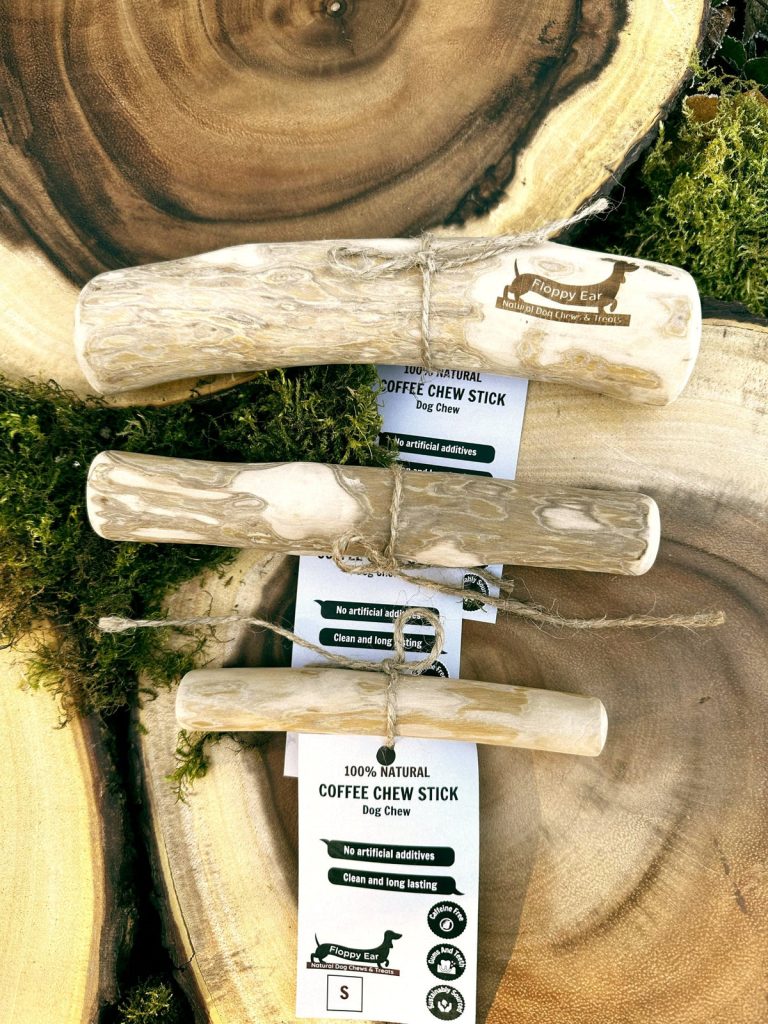
If you’re a dog owner, you want the best for your furry friend—especially when it comes to their chew toys. Wooden dog chews have become popular, but you might be wondering: are they really safe for your dog?
It’s important to know what risks or benefits these chews might bring. You’ll discover the truth about wooden dog chews so you can make the best choice for your pet’s health and happiness. Keep reading to find out what you need to watch out for and how to keep your dog safe while they enjoy their chew time.

Credit: www.bettyandbutch.co.uk
Risks Of Wooden Chews
Wooden dog chews might seem like a natural and safe choice for your pet, but they come with risks you should know about. Understanding these dangers helps you decide if wooden chews are right for your dog or if safer alternatives might be better. Let’s look at the common risks linked to wooden chews.
Splinter Hazards
Wood can easily splinter when your dog chews aggressively. These splinters can cause painful cuts in your dog’s mouth, gums, and throat. I once saw a dog owner rush to the vet because their pet swallowed sharp wooden pieces that caused serious injury.
Always watch your dog closely while chewing on wood, and remove any chews that start to break apart. Have you noticed small chips or splinters on the floor after your dog uses a wooden chew?
Chemical Treatments
Not all wooden chews are free from harmful chemicals. Some are treated with pesticides, varnishes, or other substances that can be toxic if ingested. Even if the wood looks natural, it might carry residues that upset your dog’s stomach or worse.
Look for chews labeled as untreated or food-grade wood, and avoid any that seem shiny or have a strange smell. Would you want your dog chewing on something that’s been coated in unknown chemicals?
Choking And Blockages
Wooden chews can break into large chunks that your dog might swallow whole. These pieces can get stuck in the throat or digestive tract, causing choking or serious blockages. In one case, a friend’s dog needed emergency surgery after swallowing a wooden piece that blocked the intestines.
Choose appropriately sized chews and supervise your dog to prevent swallowing large fragments. What steps can you take to reduce the risk of choking when your dog enjoys a wooden chew?
Safe Wood Types
Choosing the right wood for your dog's chew toy is essential to keep playtime safe and enjoyable. Not all wood types are created equal, and some can pose health risks to your furry friend. Knowing which woods are safe helps you avoid unnecessary dangers and ensures your dog gets the best chewing experience.
Natural Wood Varieties
Some woods are naturally safe and non-toxic for dogs to chew on. Common options include:
- Maple:Hard and durable, maple is a popular choice that resists splintering.
- Birch:Gentle on teeth and widely available, birch is a safe option for chewers.
- Alder:Soft enough to chew but tough enough to last, alder is often used in dog chews.
- Applewood:Known for its pleasant smell and safety, applewood is a favorite among dog owners.
These woods are less likely to splinter or contain harmful oils. Have you noticed how your dog prefers certain textures? Trying these natural varieties can help you find the perfect match for your pup.
Avoiding Toxic Woods
Not all woods are safe for dogs. Some contain toxins or splinter easily, which can cause serious health issues. Woods like cedar, pine, and walnut should be avoided because they can irritate your dog’s mouth or cause poisoning.
- Cedar:Contains oils that can be toxic if ingested.
- Pine:Soft and resinous, pine splinters easily and may upset digestion.
- Walnut:Can cause stomach upset and neurological problems in dogs.
Recognizing these dangerous woods helps you protect your dog from choking hazards and poisoning. Have you ever checked what type of wood your dog’s chew is made from? Taking a moment to verify can prevent costly vet visits.
Alternatives To Wooden Chews
Wooden dog chews might seem natural and sturdy, but they’re not always the safest choice for your furry friend. Luckily, there are several alternatives that can satisfy your dog’s need to chew without the risks that wood splinters can bring. Let’s look at some practical and safer options that you can easily find or order for your pup.
Rubber And Nylon Options
Rubber and nylon chews are popular for a good reason—they’re tough, long-lasting, and less likely to splinter. Many dogs enjoy the texture, which mimics the feel of natural chews without the hazards of wood.
Look for chews made from non-toxic materials and designed specifically for dogs. Brands like Kong offer rubber toys that you can stuff with treats, keeping your dog engaged for longer periods. Nylon chews are also great for strong chewers, but monitor your dog to ensure they don’t break off small pieces that could be swallowed.
Have you noticed how some dogs prefer softer toys while others need something more durable? Trying different textures might help you find the perfect match for your dog’s chewing style.
Edible Treats
Edible chews provide a tasty and safe alternative to wooden sticks. Options like bully sticks, pig ears, and dental chews not only satisfy chewing urges but can also support dental health.
Choose treats made from high-quality ingredients without artificial additives. Always supervise your dog while they enjoy these treats to avoid choking hazards, especially with larger or tougher pieces.
Wondering if edible treats can replace the physical challenge of chewing on wood? Many dogs find the flavor rewarding enough to stay engaged, and you can vary the size and type to keep things interesting.

Credit: danandsam.com.au
Signs Of Trouble
Recognizing the signs that wooden dog chews might be causing trouble is key to keeping your furry friend safe. Dogs can’t always tell you when something feels off, so you need to watch closely for changes that could indicate a problem. Early detection helps prevent serious health issues and ensures your pet stays happy and healthy.
Behavioral Changes
Does your dog suddenly seem less interested in their favorite chew toys or meals? A drop in enthusiasm can be a subtle sign that something is wrong. You might notice your dog becoming unusually restless, pawing at their mouth, or even avoiding chewing altogether.
Some dogs may become more irritable or withdrawn. If your normally playful pup starts hiding or acting anxious, it could be linked to discomfort from the chew. Have you observed your dog shaking their head frequently or rubbing their face against furniture? These behaviors often point to irritation or pain in the mouth.
Physical Symptoms
Look for visible signs like redness, swelling, or bleeding around your dog’s gums and mouth. Small splinters or sharp fragments from wooden chews can cause cuts or sores. If you see your dog drooling more than usual or having difficulty swallowing, these are red flags.
Digestive issues also matter. Vomiting, diarrhea, or signs of constipation might indicate your dog swallowed pieces of wood that are causing internal irritation or blockage. Have you noticed your dog coughing or gagging? This could mean a piece is stuck in their throat.
Trust your instincts. If something feels off after giving your dog a wooden chew, it’s better to pause and consult your vet. Your attention could save your pet from serious harm.
Expert Tips For Chew Time
Expert tips for chew time help keep dogs safe and happy. Wooden dog chews can be fun and healthy, but only with the right care. Proper supervision and choice improve the chewing experience.
Supervised Chewing
Always watch your dog while chewing wooden treats. Supervision stops choking or swallowing large pieces. Stay close and be ready to take the chew away if needed. This simple step lowers risks and keeps chewing safe.
Choosing The Right Size
Pick a wooden chew that fits your dog’s size and strength. Too small can cause choking, and too big can be hard to handle. Match the chew to your dog’s breed and chewing habits. This helps prevent accidents and makes chewing more enjoyable.
Regular Inspection
Check wooden chews often for cracks or splinters. Broken pieces can hurt your dog’s mouth or throat. Replace chews that show wear or damage. A quick check helps keep chewing safe and fun for your dog.

Credit: www.amazon.ca
Frequently Asked Questions
Are Wooden Dog Chews Safe For Dogs?
Wooden dog chews can be safe if sourced from non-toxic woods. Always supervise your dog while chewing. Ensure the wood is not treated with chemicals or splinter-prone. Regularly inspect the chew for damage to prevent ingestion of splinters. Consult your vet for recommendations based on your dog's chewing habits.
Can Wooden Chews Cause Dental Issues?
Wooden chews can potentially cause dental issues if they are too hard. They may lead to tooth fractures or wear. Choose chews that are appropriate for your dog’s size and chewing strength. Regular dental check-ups are essential to monitor your dog's oral health.
What Types Of Wood Are Safe For Dog Chews?
Safe woods for dog chews include apple, cherry, and olive wood. These woods are generally non-toxic and less likely to splinter. Avoid woods treated with chemicals or known to splinter easily. Always choose high-quality, natural wood chews from reputable sources.
How Often Should Dogs Chew On Wood?
Dogs can chew on wood occasionally, but not daily. Frequent chewing can lead to dental wear or digestion issues. Offer a variety of chew options to prevent boredom and ensure balanced oral health. Monitor your dog’s chewing habits and consult your vet for specific recommendations.
Conclusion
Wooden dog chews can be safe if chosen carefully. Always pick chews made from natural, untreated wood. Watch your dog while chewing to prevent choking. Replace chews that splinter or break easily. Know your dog’s chewing habits and size before buying.
Talk to your vet for advice on safe chews. Safe chews help keep your dog happy and healthy. Choose wisely and enjoy peaceful chew time together.

Emily Barker is the founder of ChillDogLife.com, a space dedicated to helping pup parents discover the best dog products, lifestyle tips, and cozy ideas for happier homes.
A lifelong dog lover, Emily combines her passion for pets with a knack for research to share trusted recommendations on everything from toys and furniture to health and everyday care.
Her goal is simple: to make life easier, stylish, and more joyful for dogs and the people who love them.




