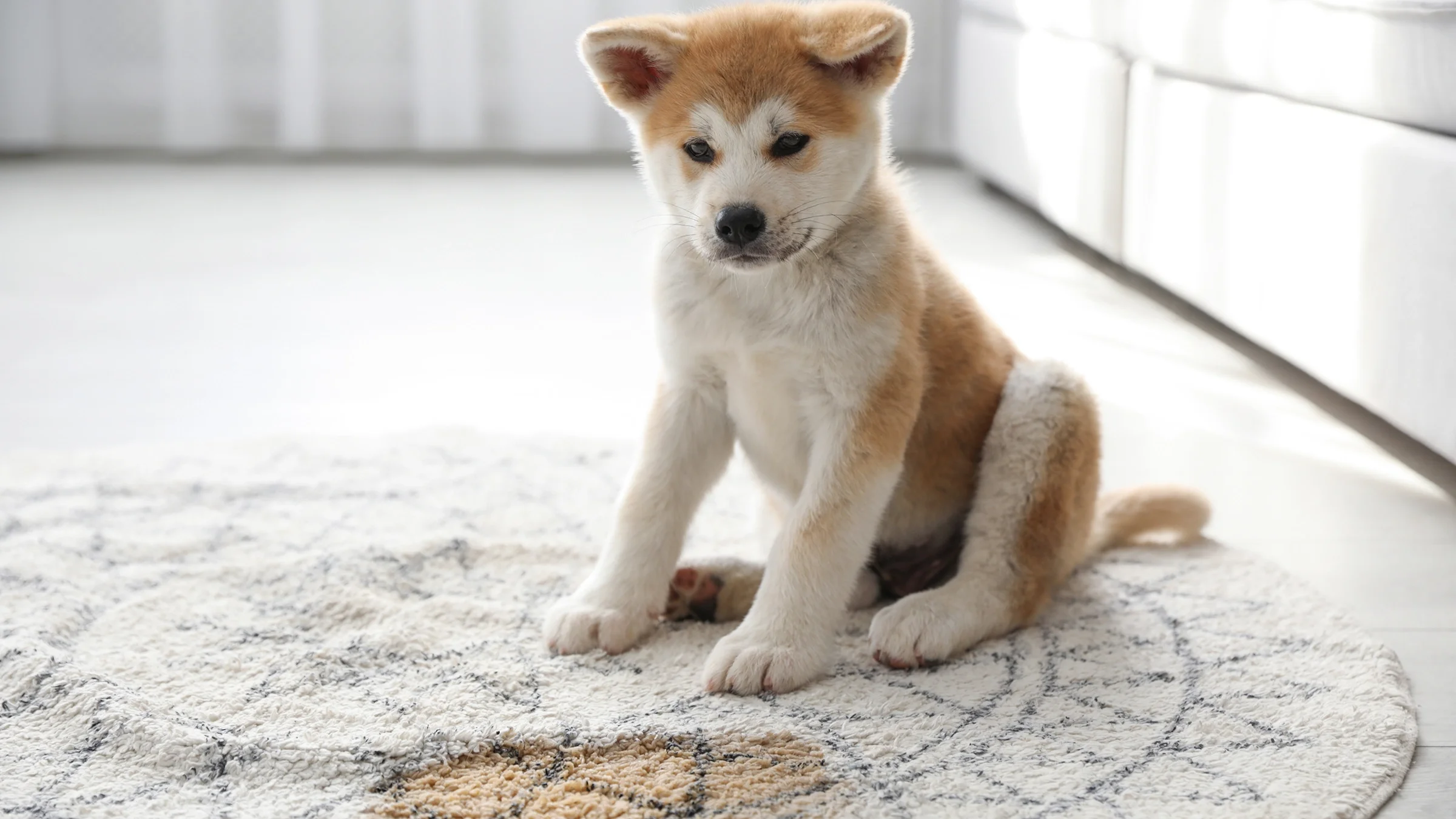
Imagine walking into your living room and spotting a fresh accident from your dog on the carpet. It’s frustrating, right?
But don’t worry—you’re not alone, and this happens to many dog owners. What matters most is how you handle the situation. You’ll discover simple, effective steps to clean up the mess quickly and prevent future accidents. By the end, you’ll feel more confident and ready to keep your home clean and your dog happy.
Keep reading to learn exactly what to do when your dog has an accident in the house.
Stay Calm And Assess
When your dog has an accident inside the house, staying calm is very important. Reacting with anger can confuse and scare your dog. Take a deep breath and look at the situation clearly. Understanding what happened will help you handle it better.
Assess the area where the accident happened. Check your dog’s behavior and health. This moment is about learning, not punishing.
Avoid Punishing Your Dog
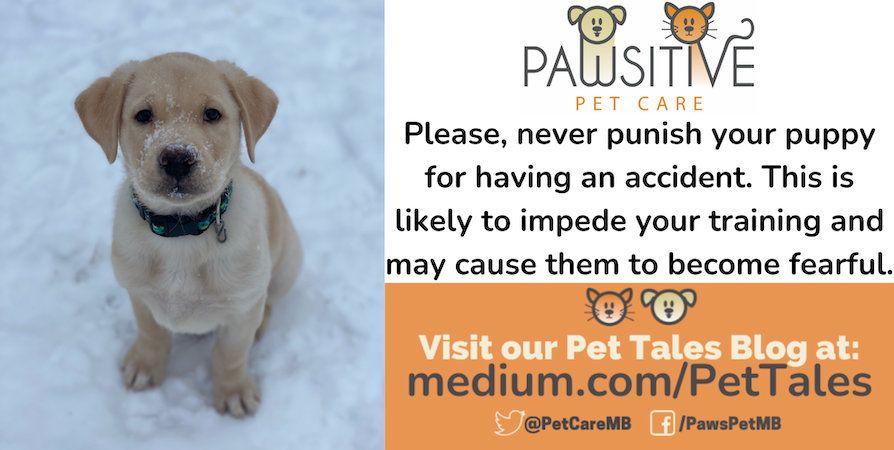
Dogs do not understand punishment after the fact. Scolding them after an accident can create fear and stress. This may lead to more accidents or hiding behavior. Stay gentle and patient to keep trust strong.
Focus on cleaning the mess without making a fuss. Your calm attitude helps your dog feel safe. Reward good behavior during potty time instead of punishment.
Identify The Cause
Look for reasons behind the accident. It could be a medical issue like a urinary infection. Sometimes, stress or changes in routine cause accidents too.
Ask yourself these questions:
- Has your dog had enough bathroom breaks?
- Is your dog showing signs of illness?
- Are there new pets or people causing stress?
Finding the cause helps you fix the problem. You can then create a plan to prevent future accidents.
Credit: dogs.thefuntimesguide.com
Clean The Area Thoroughly
Cleaning up after your dog has an accident indoors is more than just wiping the spot. Thorough cleaning helps remove stains, odors, and most importantly, the scent that might invite your dog to use the same spot again. Taking the right steps ensures your home stays fresh and your dog learns where it’s appropriate to go.
Use Enzymatic Cleaners
Enzymatic cleaners break down the proteins in urine and feces, eliminating both stains and smells. Unlike regular cleaners, they don’t just mask odors—they remove the source completely.
When I first used an enzymatic cleaner, I noticed a big difference. My dog stopped returning to the same spot after just a few cleanings. These cleaners work best when applied generously and allowed to sit for a few minutes before wiping.
Look for products labeled specifically for pet stains. They often come with instructions that make the process easy and effective.
Avoid Harsh Chemicals
Harsh chemicals like bleach or ammonia can actually make accidents worse. Ammonia smells similar to urine and may encourage your dog to mark the spot again.
Additionally, these chemicals can irritate your dog’s paws or respiratory system. Stick to pet-safe cleaners to keep your home and your pet safe.
Have you ever cleaned up a spot only to find your dog returning to it? This might be why. Choosing the right cleaner can prevent repeat accidents and keep your dog comfortable.
Prevent Future Accidents
Preventing future accidents in your home requires a thoughtful approach that fits your dog’s needs and your lifestyle. Consistency is key, and small changes can make a big difference in your dog’s behavior. Let’s look at some practical ways to keep your home clean and your dog comfortable.
Establish A Routine
Dogs thrive on routine because it helps them understand what to expect. Take your dog outside at the same times every day—after waking up, meals, and before bedtime. This predictability reduces anxiety and the chance of accidents indoors.
Try keeping a log of your dog’s bathroom habits for a week. You might notice patterns that help you schedule outdoor breaks more effectively. Have you noticed your dog tends to need a bathroom break right after a nap? That can be your cue to act.
Use Crate Training
Crate training is a powerful tool for preventing accidents. Dogs naturally avoid soiling their sleeping area, so a properly sized crate encourages them to hold it until they’re let out. Make the crate a positive space by adding comfy bedding and toys.
If your dog has an accident in the crate, it might be too big or they may be left inside too long. Adjust the crate size or increase the frequency of breaks. Have you tried making crate time fun rather than a punishment? That changes how your dog feels about it.
Monitor Water Intake
Keeping an eye on how much your dog drinks can help you anticipate bathroom needs. Don’t restrict water, but try to avoid giving large amounts right before bedtime. This simple change can reduce nighttime accidents significantly.
Also, note if your dog suddenly drinks more water than usual—it could signal health issues that affect bathroom habits. Have you ever tracked your dog’s water intake to spot changes early? It’s a useful habit for any pet owner.
Credit: www.goodrx.com
Reinforce House Training
Reinforcing house training is key after your dog has an accident indoors. It helps prevent future mishaps and builds a stronger routine for your pet. Consistency and positive reinforcement make a big difference in teaching your dog where to go.
Reward Good Behavior
Catch your dog in the act of going outside and immediately reward them with treats or praise. This helps your dog associate outdoor bathroom trips with positive experiences. Even a simple “Good job!” in a happy tone can motivate your dog to repeat the behavior.
Timing matters. If you wait too long to reward, your dog might not connect the praise with the right action. Keep treats handy and be ready to reward every time your dog uses the correct spot.
Supervise Indoor Time
Watch your dog closely when they are inside, especially after accidents. Close supervision helps you catch signs like sniffing or circling, which often mean they need a bathroom break.
If you can’t watch them, consider using a crate or a confined space. Dogs naturally avoid soiling their sleeping areas, which reinforces good habits. Have you noticed how your dog behaves just before needing to go out? Observing these clues can save you a lot of cleanup.
Address Medical Issues
Accidents in the house may sometimes signal more than just a training issue. Addressing possible medical problems quickly can save your dog from discomfort and prevent future accidents. Paying attention to your dog’s health is a crucial step when you notice unexpected indoor messes.
Watch For Symptoms
Look closely at your dog’s behavior and physical condition. Are they drinking more water than usual? Is there any sign of pain, lethargy, or difficulty urinating? These can be red flags indicating a health issue like a urinary tract infection or bladder stones.
Also, note if accidents are accompanied by vomiting, diarrhea, or a change in appetite. These symptoms often point to underlying problems that need attention. Keeping a simple diary of these signs helps you communicate clearly with your vet.
Consult Your Veterinarian
Don’t hesitate to call your vet when you spot worrying symptoms or if accidents continue despite training efforts. Your vet can perform tests to find out if there’s an infection, hormonal imbalance, or other medical condition. Early diagnosis often means easier treatment and faster relief for your dog.
Remember, your vet is your best resource. They can guide you on the right medication or dietary changes. Have you ever delayed this step and noticed your dog’s condition worsen? Acting promptly can prevent that scenario and improve your dog’s quality of life quickly.
Credit: medium.com
Manage Stress And Anxiety
Accidents inside the house can cause stress for both dogs and owners. Managing this stress helps your dog feel calm and safe. Reducing anxiety supports better behavior and quicker learning. Stay patient and gentle during cleanup and training.
Create A Safe Space
Give your dog a quiet, cozy spot to relax. Use soft bedding and familiar toys. This space should be away from loud noises and busy areas. A calm area helps reduce fear and nervousness. Let your dog rest here after an accident.
Consider Behavioral Support
Look for signs of anxiety such as pacing or whining. Talk to a vet or pet trainer for advice. They may suggest calming techniques or products like anxiety wraps. Training sessions with positive rewards build confidence. Understanding your dog’s feelings improves behavior over time.
Frequently Asked Questions
How To Clean Dog Urine From Carpet?
To clean dog urine from carpet, blot the area with paper towels. Apply a mixture of white vinegar and water. Let it sit for a few minutes, then blot again. Sprinkle baking soda over the area, let it dry, and vacuum.
This helps neutralize odors and prevents stains.
Why Does My Dog Have Accidents Indoors?
Dogs may have accidents indoors due to stress, anxiety, or medical issues. Changes in routine or environment can also trigger accidents. Ensure your dog is properly trained and has regular bathroom breaks. If accidents persist, consult a veterinarian to rule out health problems.
How To Prevent Future Dog Accidents Inside?
To prevent future accidents, maintain a consistent feeding and bathroom schedule. Reinforce proper potty training techniques and reward your dog for going outside. Ensure your dog has ample opportunities to relieve themselves. Regular exercise and mental stimulation can also reduce indoor accidents.
What Should I Do Immediately After A Dog Accident?
Immediately after a dog accident, clean the area thoroughly to prevent odors and stains. Use pet-safe cleaners and deodorize the spot. Avoid scolding your dog, as it may cause anxiety. Instead, reinforce positive behavior by rewarding them when they go outside.
Conclusion
Accidents happen, but patience helps you handle them well. Clean the mess quickly to keep your home fresh. Teach your dog gently to avoid future accidents. Consistency and kindness build good habits over time. Remember, your dog learns best with calm guidance.
Keep trying, and progress will come step by step. A happy dog and clean house are both possible. Stay positive and enjoy your time together.

Emily Barker is the founder of ChillDogLife.com, a space dedicated to helping pup parents discover the best dog products, lifestyle tips, and cozy ideas for happier homes.
A lifelong dog lover, Emily combines her passion for pets with a knack for research to share trusted recommendations on everything from toys and furniture to health and everyday care.
Her goal is simple: to make life easier, stylish, and more joyful for dogs and the people who love them.




