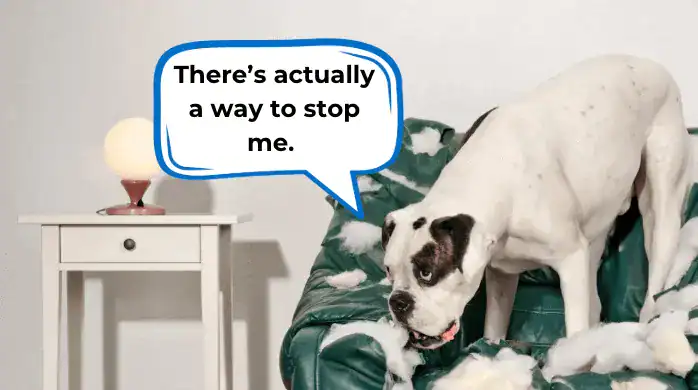
Is your dog chewing on your wooden furniture or floors? It can be frustrating to see your favorite things damaged and wonder how to make it stop.
You’re not alone, and there are simple ways to protect your home while keeping your dog happy. You’ll discover easy, effective tips to help you stop your dog from chewing on wood for good. Keep reading to find out how you can save your belongings and give your dog a better outlet for their chewing needs.

Credit: www.nylabone.com
Reasons Dogs Chew Wood
Understanding why your dog chews on wood is the first step to stopping this behavior. Dogs don’t chew wood simply to be destructive—they have reasons that often relate to their physical and emotional needs. Identifying these reasons helps you address the root cause rather than just the symptoms.
Teething And Puppy Behavior
Puppies explore the world with their mouths. When they are teething, chewing on hard objects like wood can relieve the discomfort in their gums. If your puppy is constantly gnawing on furniture or wooden items, it might be their way of soothing sore teeth.
Offering appropriate chew toys can redirect this urge. Have you noticed your pup preferring certain textures? Matching chew toys to those preferences makes a big difference.
Boredom And Anxiety
Dogs left alone for long periods often turn to chewing as a way to entertain themselves. Wood chewing can become a coping mechanism for anxiety or stress. This behavior is a sign your dog needs more mental and physical stimulation.
Think about your dog’s daily routine. Are they getting enough exercise and playtime? Adding puzzle toys or more frequent walks might reduce their urge to chew destructively.
Nutritional Deficiencies
Sometimes, dogs chew on wood because their diet lacks certain nutrients. Chewing non-food items like wood can indicate a craving for minerals or vitamins missing from their meals. This behavior should not be ignored as it might signal a health issue.
Have you reviewed your dog’s diet recently? Consulting with a vet to ensure balanced nutrition can help prevent wood chewing caused by dietary gaps.
Attention-seeking Habits
Dogs quickly learn which actions grab your attention. If chewing wood causes you to react—whether by scolding or rushing over—they may continue just to get noticed. This habit can persist if it becomes their main way to interact with you.
Try observing how you respond when your dog chews wood. Could changing your reaction reduce this behavior? Rewarding positive behavior with attention often works better than punishing the negative.
Risks Of Wood Chewing
Wood chewing might seem like a harmless habit, but it can lead to serious problems for both your dog and your home. Understanding the risks involved can help you take action before the behavior causes damage or health issues. Let’s look at the dangers wood chewing poses.
Health Hazards
Chewing on wood can injure your dog’s mouth. Sharp splinters may cut their gums, tongue, or throat, causing pain and infection. Swallowing wood pieces can lead to choking or blockages in the digestive system, which might require emergency surgery.
Think about how many chemicals or paints might be on wooden furniture or floors. These substances can be toxic if ingested. You wouldn’t want your dog to suffer from poisoning just because of a simple chewing habit.
Damage To Property
Your furniture, doors, and baseboards are at risk when your dog gnaws on wood. Even a small dog can leave noticeable marks, ruining the appearance of your home. Over time, the damage can become expensive to repair or replace.
Consider the frustration of seeing your favorite chair or wooden frames ruined. It’s not just about cost; it’s about maintaining a safe and comfortable environment for everyone in your household.
Behavioral Concerns
Wood chewing often signals boredom, anxiety, or lack of exercise. If you ignore the behavior, it can escalate and lead to other destructive habits. Addressing the root cause is essential to keep your dog happy and well-behaved.
Have you noticed if your dog chews more when you’re away or during stressful situations? Recognizing these patterns can help you create a better routine and provide appropriate outlets for their energy.
Preventive Measures
Stopping a dog from chewing on wood starts with strong preventive measures. These actions keep your dog busy and reduce the urge to chew on furniture or wooden items. Prevention helps protect your home and keeps your dog safe from swallowing harmful splinters.
Providing Chew Toys
Offer your dog a variety of chew toys. Choose toys made from durable materials that can withstand strong chewing. Rotate the toys often to keep your dog interested. Chew toys satisfy the natural urge to bite and chew. They also help keep your dog's teeth healthy and clean.
Regular Exercise
Make sure your dog gets enough daily exercise. Tired dogs have less energy to chew on unwanted items. Exercise helps reduce stress and boredom, common reasons for chewing. Activities like walking, playing fetch, or running help burn off excess energy.
Environmental Enrichment
Keep your dog mentally engaged with puzzles and interactive games. Hide treats in toys or around the house for your dog to find. Change the environment often to avoid boredom. Mental stimulation reduces destructive chewing caused by anxiety or restlessness.
Using Deterrent Sprays
Apply safe deterrent sprays on wooden surfaces. These sprays taste unpleasant but are harmless to dogs. Reapply the spray regularly to maintain effectiveness. Deterrent sprays teach your dog to avoid chewing on treated wood.
Training Techniques
Training your dog to stop chewing on wood requires patience and clear communication. The right techniques can change your dog’s behavior without causing stress for either of you. Here are some effective training strategies that focus on guiding your dog toward better habits.
Positive Reinforcement
Reward your dog immediately when they choose a toy or chew item over wood. Treats, praise, or playtime work well to encourage good behavior. This helps your dog associate the right choice with positive outcomes.
Try to catch your dog in the act of chewing something appropriate. Then, say a cheerful “Good job!” and give a treat. This direct connection between action and reward makes learning faster and more enjoyable for your dog.
Redirecting Attention
If you see your dog going for wood, gently redirect them to a toy or chew stick. Offer the alternative calmly but firmly, and praise them when they take it. This method teaches your dog what’s acceptable without punishment.
Keep a variety of chew toys handy in places where your dog likes to chew. When you notice signs of chewing on wood, distract your dog with a toy or engage them in a game. This keeps their mind busy and reduces unwanted chewing.
Consistency In Commands
Use the same words and tones when telling your dog to stop chewing wood. Consistency helps your dog understand what behavior you expect. Mixed signals confuse dogs and delay progress.
Make sure everyone in your household uses the same commands and rewards system. Dogs learn faster when the entire family is on the same page. Have you noticed how your dog responds better to certain words or tones? Use those to your advantage.
Crate Training Benefits
Crate training can limit your dog’s access to wood when you’re not around. It provides a safe space and reduces opportunities for bad habits. Be sure to make the crate a comfortable and positive place for your dog.
Introduce the crate gradually, using treats and toys to create a positive association. This approach avoids stress and helps your dog see the crate as a secure area, not a punishment. Could this controlled environment be the key to stopping your dog’s chewing habit?
When To Seek Professional Help
Knowing when to seek professional help is key to stopping your dog from chewing wood. Some chewing behaviors need expert attention. Early action can prevent more damage and stress. Watch your dog’s behavior closely and act if problems worsen.
Signs Of Severe Anxiety
Excessive chewing may show anxiety in your dog. Look for these signs:
- Restlessness and pacing
- Whining or barking without cause
- Shaking or trembling
- Loss of appetite
- Destructive chewing that worsens over time
Severe anxiety needs a professional to help calm your dog. Ignoring it can harm your pet’s health.
Persistent Destructive Behavior
Chewing that continues despite training needs attention. Persistent destruction can damage your home and hurt your dog.
- Chewing on wood daily without stopping
- Ignoring commands to stop
- Chewing that causes injury or bleeding
Such behavior often signals deeper issues. A trainer or vet can find the cause and offer solutions.
Consulting A Veterinarian Or Trainer
Veterinarians can check for health problems causing chewing. Trainers help change bad habits safely.
Professionals use tests and behavior plans to help your dog. They provide advice tailored to your pet’s needs.
Early consultation saves time and stress. It ensures your dog stays happy and healthy.
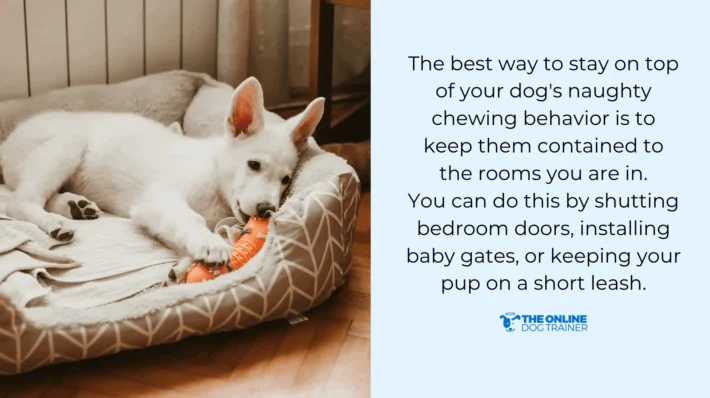
Credit: theonlinedogtrainer.com
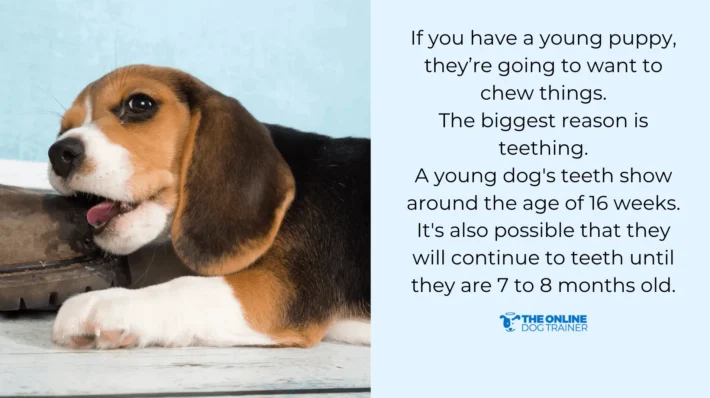
Credit: theonlinedogtrainer.com
Frequently Asked Questions
Why Do Dogs Chew On Wood?
Dogs chew on wood for various reasons, including teething, boredom, or anxiety. Chewing can also be a natural instinct to keep their teeth healthy and strong. Providing appropriate chew toys and addressing the underlying cause can help redirect this behavior.
How Can I Stop My Dog From Chewing Wood?
To stop your dog from chewing wood, provide appropriate chew toys and ensure sufficient mental and physical exercise. Use deterrent sprays on wood surfaces and supervise your dog. Address any anxiety or boredom issues by engaging in interactive play and providing enrichment activities.
What Are The Dangers Of Dogs Chewing Wood?
Chewing wood can be harmful to dogs as it may lead to splinters in their mouth or throat. Swallowed wood pieces can cause blockages or intestinal damage. It’s important to redirect chewing behavior to safe alternatives to prevent health issues.
Can Training Help Prevent Wood Chewing?
Yes, training can help prevent wood chewing. Use positive reinforcement techniques to teach your dog commands like “leave it” or “drop it. ” Consistency and patience are key in reinforcing these commands. Rewarding desired behavior with treats or praise can effectively reduce wood chewing tendencies.
Conclusion
Stopping your dog from chewing wood takes patience and care. Provide safe chew toys to keep them busy. Watch your dog closely and redirect chewing to toys. Use bitter sprays on wood to deter chewing. Praise your dog when they chew the right items.
Consistency helps your dog learn good habits faster. Remember, chewing is natural, but you can guide it. With time, your dog will leave wood alone. Keep training simple and clear for best results. Your dog’s behavior will improve with steady effort.

Emily Barker is the founder of ChillDogLife.com, a space dedicated to helping pup parents discover the best dog products, lifestyle tips, and cozy ideas for happier homes.
A lifelong dog lover, Emily combines her passion for pets with a knack for research to share trusted recommendations on everything from toys and furniture to health and everyday care.
Her goal is simple: to make life easier, stylish, and more joyful for dogs and the people who love them.




