
Is your dog constantly barking at other dogs and driving you crazy? You’re not alone, and the good news is that you can change this behavior.
Imagine peaceful walks without the stress of your dog pulling and barking every time another dog appears. You’ll discover simple, effective steps to help your dog stay calm and focused. Keep reading, because your next walk could be the start of a much quieter, happier routine for both of you.
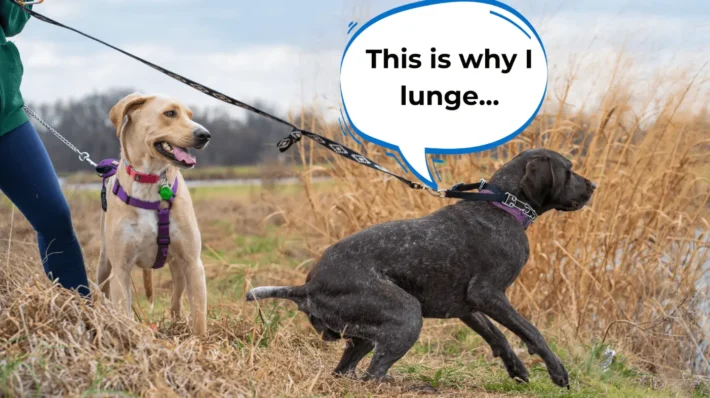
Credit: theonlinedogtrainer.com
Reasons Dogs Bark At Others
Dogs bark at other dogs for several reasons. Understanding these causes helps manage their behavior. Barking is a natural way for dogs to communicate. Sometimes it signals excitement, fear, or warning. Knowing why your dog barks makes training easier and more effective.
Territorial Behavior
Dogs protect their space by barking at intruders. They see other dogs as threats to their territory. This behavior is common near homes or favorite spots. Barking warns the other dog to stay away. It is a way to claim their space and keep it safe.
Fear And Anxiety
Some dogs bark out of fear. They feel scared or unsure around unfamiliar dogs. Barking acts as a defense to keep distance. Anxiety can make dogs more reactive to others. This barking shows their discomfort or stress in social settings.
Excitement And Playfulness
Dogs often bark when they want to play. They get excited to see another dog. Barking is a way to invite interaction and fun. This type of bark is usually higher-pitched and less aggressive. It shows eagerness rather than threat.
Lack Of Socialization
Dogs not used to others may bark more. They feel unsure about new dogs and react loudly. Limited exposure to other dogs causes nervous barking. Proper socialization helps reduce fear and excitement barks. Early and regular contact with other dogs builds confidence.
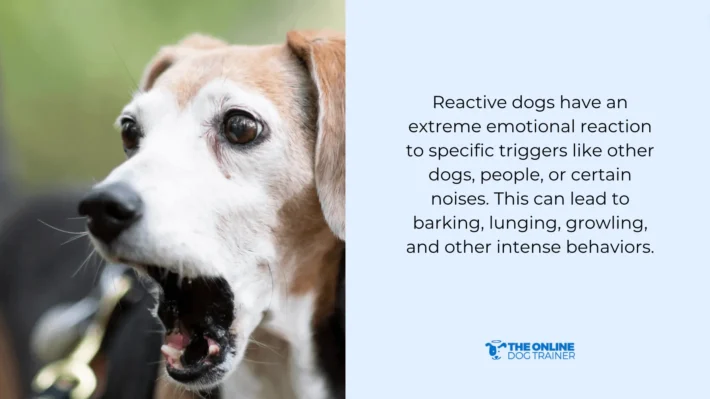
Credit: theonlinedogtrainer.com
Preparing For Training
Preparing your dog for training helps ensure better results. It creates a calm and focused environment. Planning ahead makes the training process smoother for both you and your dog.
Understanding what causes your dog to bark is key. Picking the right tools makes training easier. Setting clear goals keeps you motivated and on track.
Assessing Your Dog’s Triggers
Watch your dog closely around other dogs. Notice what makes them bark more. It might be the distance, size, or behavior of the other dog. Write down these triggers to remember them.
Knowing triggers helps you avoid surprises during training. You can prepare your dog step by step. This reduces stress and unwanted barking.
Choosing The Right Training Tools
Select tools that match your dog’s size and temperament. Common tools include:
- Clickers for positive reinforcement
- Leashes and harnesses for control
- Treats for motivation
Choose gentle tools that do not cause pain or fear. Comfort helps your dog learn faster. Keep everything ready before starting training sessions.
Setting Realistic Goals
Set clear and simple goals for your dog. For example, “Stay calm when seeing a dog 20 feet away.” Avoid expecting too much too soon. Small steps lead to lasting success.
Track progress regularly. Celebrate small wins. This keeps you and your dog encouraged throughout training.
Basic Training Techniques
Basic training techniques help control your dog’s barking at other dogs. These methods build good habits and calm behavior. Training takes patience, consistency, and clear communication.
Use simple commands and rewards to guide your dog. Teaching your dog to stay quiet helps reduce noisy encounters. Redirecting attention keeps your dog focused on you instead of other dogs.
Teaching Quiet Commands
Choose a clear word like “quiet” or “hush.” Say it firmly when your dog barks. Wait for your dog to stop barking. Reward with a treat or praise immediately. Practice in calm situations first. Gradually use the command near other dogs. Repeat often to strengthen the behavior.
Using Positive Reinforcement
Give treats or praise when your dog is calm. Reward your dog for ignoring other dogs. Use small, tasty treats your dog loves. Avoid punishment; it can increase anxiety and barking. Positive reinforcement builds trust and encourages good habits. Consistency helps your dog learn faster.
Redirecting Attention
Carry a favorite toy or treat on walks. When your dog starts barking, call their name. Offer the toy or treat to shift focus. Use a gentle touch or leash cue to guide attention. Practice redirection before your dog barks. This helps prevent barking before it starts.
Advanced Strategies
Advanced strategies can help you address persistent barking at other dogs more effectively. These approaches require patience and consistent effort, but they can lead to lasting calmness in your dog’s behavior. You’ll find that understanding your dog’s emotional triggers and managing their environment plays a key role in success.
Desensitization And Counter-conditioning
Desensitization involves slowly exposing your dog to other dogs at a distance where they feel safe and don’t bark. Combine this with counter-conditioning by associating other dogs with positive experiences, like treats or praise. Over time, your dog starts to see other dogs as good things instead of threats.
Try this by watching your dog’s body language closely. If they become tense or start barking, increase the distance. When they stay calm, reward immediately. This helps change their emotional response from reactive to relaxed.
Controlled Exposure To Other Dogs
Controlled exposure means setting up safe, supervised meetings with calm dogs. This lets your dog practice being around others without feeling overwhelmed. Use a leash and keep sessions short, gradually increasing time as your dog stays calm.
- Choose a calm dog with a friendly temperament
- Keep both dogs on loose leashes to avoid tension
- Use treats and praise to reinforce calm behavior
Ask yourself: How does your dog behave when near a calm dog compared to an excited one? This insight can guide the pace of exposure and training.
Managing Walks And Social Interactions
Walks are prime opportunities to practice control and prevent barking outbursts. Plan routes where you can anticipate encountering other dogs and prepare your dog with commands or distractions beforehand.
Try to keep your dog’s focus on you by using treats or toys. If you see another dog approaching, change direction or increase distance to keep your dog below their barking threshold.
Managing social interactions also means knowing when to step back. If your dog gets too excited or stressed, it’s okay to cut the interaction short and try again later. How often do you let your dog dictate when a walk or playtime ends? Adjusting this can improve behavior over time.
Common Mistakes To Avoid
Stopping your dog from barking at other dogs can be challenging, especially if you fall into common traps that make the problem worse. Understanding these mistakes can save you time and frustration. Avoiding them helps you train your dog more effectively and builds better communication between you and your pet.
Punishing Barking
It’s tempting to scold or punish your dog when they bark at other dogs. But punishment often increases anxiety and confusion, making barking worse rather than better.
Instead of punishing, try redirecting your dog’s attention or rewarding quiet behavior. Have you noticed how your dog reacts when you raise your voice? It might make them bark more out of stress.
Inconsistent Responses
Consistency is key in training. If you sometimes allow barking and other times stop it, your dog won’t know what you expect.
Imagine trying to learn a game with ever-changing rules—frustrating, right? Set clear and consistent boundaries every time your dog barks at another dog to help them understand what’s acceptable.
Ignoring Underlying Causes
Barking often signals something deeper, like fear, excitement, or lack of socialization. Ignoring these feelings means you only treat the symptom, not the problem.
Have you observed what triggers your dog’s barking? Addressing the root cause, such as gradual social exposure or calming techniques, leads to lasting change.

Credit: www.amazon.ca
When To Seek Professional Help
Sometimes, barking problems go beyond simple fixes. Professional help can guide you and your dog toward better behavior. Early action can prevent stress for both you and your pet.
Recognizing Persistent Issues
Notice if barking happens often and does not improve. Look for signs like:
- Barking that lasts more than a few minutes
- Aggressive or fearful reactions toward other dogs
- Stress or anxiety shown by your dog
- Disruptions to your daily routine or neighbors
These signs suggest a deeper problem. Simple training may not work alone.
Choosing A Trainer Or Behaviorist
Pick someone with experience in dog behavior. Check for:
- Certified professional credentials
- Good reviews or recommendations
- Methods that focus on positive reinforcement
- Clear communication and understanding of your dog’s needs
A skilled trainer or behaviorist can customize a plan. They help build trust and control barking.
Therapeutic Options
Some dogs need extra support beyond training. Therapies include:
- Behavior modification programs
- Calming aids or anxiety wraps
- Medication prescribed by a vet
- Environmental changes to reduce triggers
These options work best with professional guidance. They improve your dog’s comfort and control barking.
Frequently Asked Questions
Why Does My Dog Bark At Other Dogs?
Dogs often bark due to excitement, fear, or territorial instincts. Understanding your dog’s triggers is key. Socialization and obedience training can help manage this behavior. Identifying specific situations that cause barking can lead to more effective solutions and a calmer dog.
How Can I Train My Dog To Stop Barking?
Use positive reinforcement to train your dog. Reward quiet behavior with treats and praise. Consistency is crucial in training. Gradually expose your dog to other dogs in controlled environments. This helps them learn to remain calm.
Are There Tools To Help Reduce Dog Barking?
Yes, tools like anti-bark collars and ultrasonic devices can help. These tools should complement training, not replace it. Always consult a professional before using any device. Proper usage ensures effectiveness and safety for your dog.
Is My Dog’s Barking A Sign Of Aggression?
Not always. Barking can be a sign of excitement or fear. Observe your dog’s body language. Aggressive barking is usually accompanied by growling or lunging. If concerned, consult a professional for an assessment and guidance on behavior management.
Conclusion
Stopping your dog from barking at other dogs takes time and patience. Use calm training and positive rewards to help your dog stay quiet. Practice often in different places to build good habits. Stay consistent and gentle, never punish your dog harshly.
Remember, small steps lead to big changes. Your dog will learn to behave better around others. Keep training fun and simple for best results. Patience and love make the process easier for both of you.

Emily Barker is the founder of ChillDogLife.com, a space dedicated to helping pup parents discover the best dog products, lifestyle tips, and cozy ideas for happier homes.
A lifelong dog lover, Emily combines her passion for pets with a knack for research to share trusted recommendations on everything from toys and furniture to health and everyday care.
Her goal is simple: to make life easier, stylish, and more joyful for dogs and the people who love them.




