
Have you ever caught your dog chewing on your other dog’s ears and wondered why? It can be puzzling and sometimes even a little frustrating.
You might worry if this behavior is normal, harmful, or a sign of something deeper. Understanding why your dog does this can help you keep both pets happy and healthy. You’ll discover the surprising reasons behind this behavior and what you can do about it.
Keep reading—you’ll want to know what’s really going on when your dog focuses on those ears!
Credit: bullystickscentral.com
Common Reasons Dogs Chew Ears
Dogs often chew on other dogs’ ears to show affection or establish social bonds. It can also happen due to boredom, stress, or to groom and clean the ears. Sometimes, ear chewing signals discomfort from itchiness or infection.
Understanding why your dog might be chewing on another dog’s ears can be both intriguing and helpful. While it may seem odd or even concerning, this behavior can actually be quite normal and is rooted in natural instincts and social interactions. Discovering the reasons behind this can help you better understand your dogs and strengthen their bond.Social Bonding And Affection
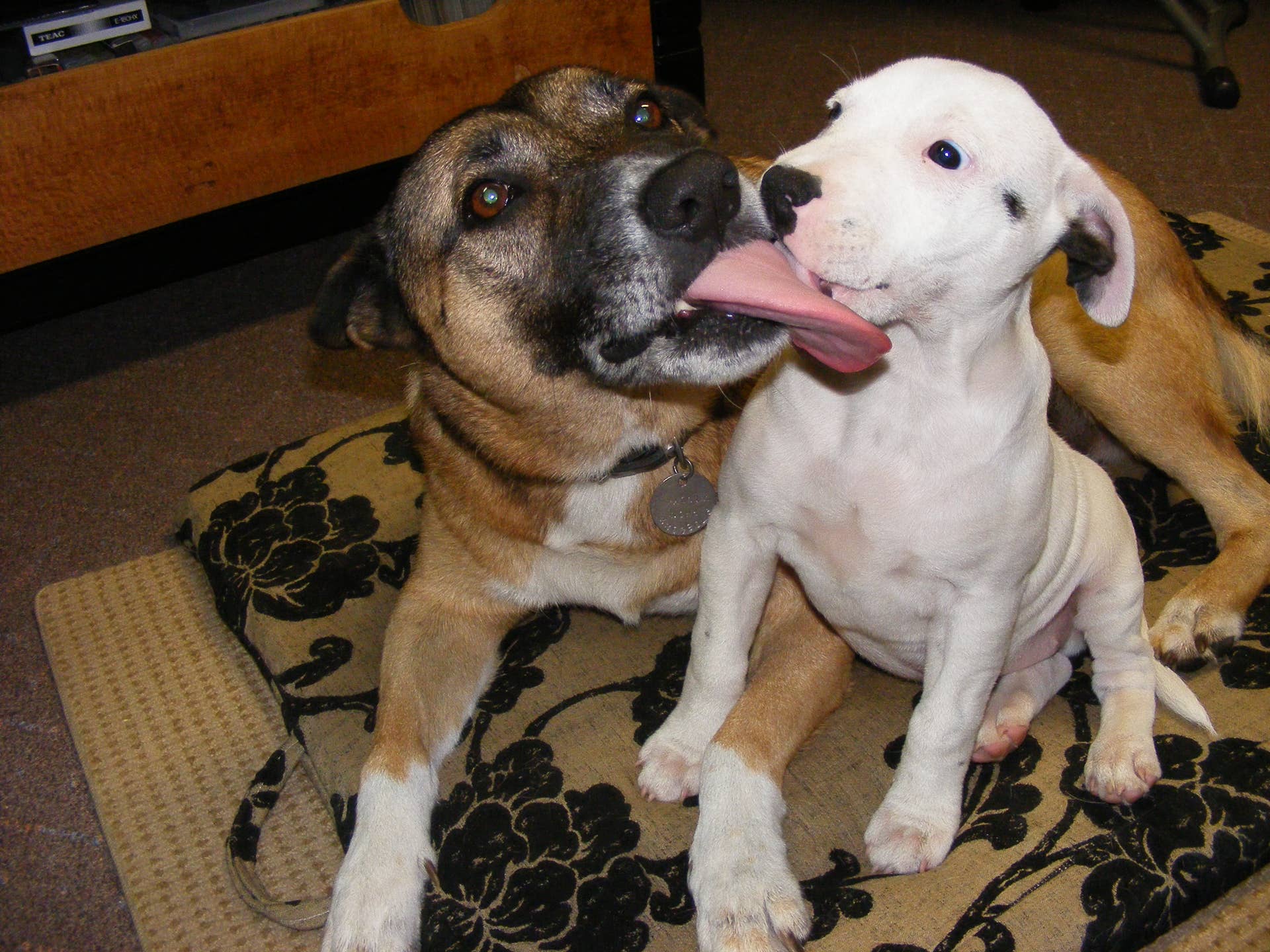
Dogs often chew on each other’s ears as a way to show affection. It’s a gentle gesture, much like a hug or a pat on the back for humans. When my dogs started this behavior, I noticed that it usually happened during playtime, indicating their trust and friendship. Does your dog do this with a new friend or a longtime companion?Grooming Instincts
Chewing can also stem from a dog’s natural grooming instincts. Dogs groom each other to maintain cleanliness and remove dirt or parasites. This behavior is often seen in packs where grooming helps reinforce social structures. Have you observed your dogs helping each other stay clean?Seeking Attention
Sometimes, dogs chew on ears simply to get attention. If your dog feels ignored, they might use this playful tactic to draw their friend’s focus back to them. Next time you see this happening, consider if your dog might want to initiate play or is just seeking some affection. Is it possible they’re trying to tell you something too?Stress Relief And Anxiety
For some dogs, ear chewing can be a way to relieve stress or anxiety. This repetitive action can be soothing for them in tense situations. Think about the environment when this behavior occurs. Is there a pattern or specific trigger that could be causing stress? Identifying this can help you create a more peaceful atmosphere for your pets.
Credit: pethero.co.za
Health-related Causes
Dogs often chew on each other’s ears for health reasons. This behavior may signal discomfort or pain. Understanding these causes helps you protect your pets’ well-being. Watch for signs that show your dog needs help.
Ear Infections And Irritations
Ear infections cause itching and soreness. Your dog may chew on the other dog’s ears to relieve irritation. Bacteria and yeast can build up in the ear canal. This leads to redness, swelling, and a bad smell. Prompt treatment is important to prevent worsening.
Parasites And Allergies
Fleas, ticks, and mites cause intense itching. Dogs bite and chew to try to remove these pests. Allergies can cause similar symptoms. Allergens irritate the skin around the ears. This triggers scratching and chewing as a response to discomfort.
Dental Problems Impacting Behavior
Pain from dental issues can change a dog’s behavior. A dog with a sore mouth may chew on the other dog’s ears. This act can be a way to reduce stress or seek comfort. Dental pain often goes unnoticed but affects social interactions.
Behavioral Factors
Dogs use body language and actions to communicate with each other. Chewing on a dog’s ears is one way they express feelings and intentions. Understanding the behavioral reasons helps you know what your dog tries to say.
Dominance And Hierarchy
Dogs live in groups with clear social ranks. Chewing on another dog’s ears can show dominance. It helps establish who leads and who follows. This behavior is common in dogs trying to control or guide the pack. It is not always aggressive but a way to set order.
Playful Behavior
Dogs often chew ears during play. This shows they are having fun and bonding. Playful chewing is gentle and stops if the other dog shows discomfort. It helps build trust and friendship between dogs. Watching their body language can tell if it is play or stress.
Habit Formation
Sometimes, dogs chew ears out of habit. It can start from grooming or attention-seeking. Over time, it becomes a repeated action. This habit may also relieve anxiety or boredom. Providing toys and activities can help reduce this behavior.
When To Be Concerned
Watching one dog chew on another’s ears can seem normal at first. Dogs often groom each other as a sign of affection or social bonding. Yet, sometimes this behavior signals a problem. Knowing when to be concerned helps protect your dogs’ health and happiness.
Pay close attention to how your dogs act during and after chewing. Changes in behavior or physical signs may point to discomfort or injury. Ignoring these signs can lead to bigger issues.
Signs Of Discomfort Or Injury
- Your dog pulls away or tries to escape while being chewed.
- The dog whose ears are being chewed shows redness or swelling.
- Scratching or shaking of the head increases after chewing.
- Whining, growling, or snapping happens during ear chewing.
- Visible cuts, sores, or scabs appear on the ears.
Excessive Chewing And Damage
- Chewing lasts longer than a few minutes and happens often.
- The ears become raw or bleed from repeated chewing.
- Hair falls out in patches around the ears.
- The skin looks thickened or crusty from constant licking or biting.
- One dog seems obsessed with chewing, ignoring other activities.
Changes In Social Dynamics
- One dog starts avoiding the other after ear chewing sessions.
- Fights or growls increase between the dogs.
- Submissive or fearful behavior appears in one dog.
- One dog controls the other more aggressively than before.
- Playtime decreases and tension rises during interactions.
How To Manage Ear Chewing
Managing your dog’s habit of chewing on your other dog’s ears requires patience and a mix of strategies. Understanding why they do it helps you guide their behavior in a positive way. Let’s look at practical steps you can take to keep both dogs happy and healthy.
Training And Redirection Techniques
Start by teaching your dog a clear “leave it” or “no” command. When you see them going for the other dog’s ears, gently interrupt and redirect their attention.
Offer an alternative activity immediately, like playing fetch or practicing a trick. Consistency is key—reward calm behavior and discourage ear chewing every time.
Providing Proper Chew Toys
Dogs often chew to relieve boredom or stress. Offering a variety of chew toys can satisfy this urge and protect your other dog’s ears.
- Choose durable toys suitable for your dog’s size and chewing strength.
- Rotate toys regularly to keep their interest high.
- Use toys that can be stuffed with treats to make them even more appealing.
Regular Health Checks
Sometimes ear chewing signals discomfort or health issues in the dog being chewed on. Check both dogs’ ears regularly for signs of infection, mites, or irritation.
If you notice redness, swelling, or a bad smell, visit your vet promptly. Healthy ears reduce your dogs’ need to focus on each other’s ears.
Creating A Calm Environment
Stress and anxiety can increase unwanted chewing behavior. Observe if your dogs chew more during noisy or chaotic times.
Creating a quiet, calm space can reduce their anxiety. Consider soft music, regular exercise, and plenty of rest to keep them relaxed.
Credit: pethelpful.com
Frequently Asked Questions
Why Does My Dog Chew On Another Dog’s Ears?
Dogs chew on ears to show affection, bond, or groom each other. It helps strengthen their social connection and express care.
Is Ear Chewing A Sign Of Dominance Between Dogs?
Ear chewing can indicate mild dominance but is often a friendly, playful behavior rather than aggressive control.
Can Ear Chewing Cause Ear Infections In Dogs?
Yes, excessive ear chewing can irritate skin and introduce bacteria, increasing the risk of ear infections.
How Can I Stop My Dog From Chewing Other Dog’s Ears?
Redirect your dog’s attention with toys or treats. Consistent training and supervision help reduce ear chewing habits.
Conclusion
Dogs chewing on each other’s ears shows social bonds and care. It can also help keep ears clean and healthy. Watch your dogs to make sure chewing stays gentle. If it gets too rough, gently stop them. Understanding this behavior helps you keep your dogs happy.
Enjoy their playful and loving interactions every day. This simple act builds trust and friendship between your pets. Keep learning about your dogs to strengthen your bond with them.

Emily Barker is the founder of ChillDogLife.com, a space dedicated to helping pup parents discover the best dog products, lifestyle tips, and cozy ideas for happier homes.
A lifelong dog lover, Emily combines her passion for pets with a knack for research to share trusted recommendations on everything from toys and furniture to health and everyday care.
Her goal is simple: to make life easier, stylish, and more joyful for dogs and the people who love them.




