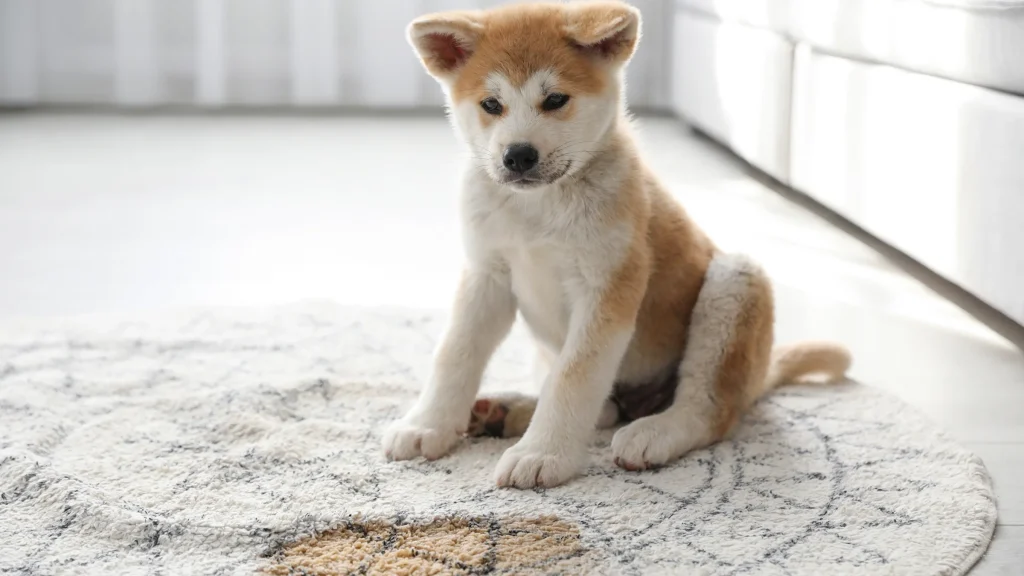
Is your dog having accidents in the house, even though you’ve tried everything? You’re not alone—and it’s frustrating, confusing, and sometimes embarrassing.
But before you get upset or worried, it’s important to understand why this keeps happening. Your dog isn’t trying to annoy you; there’s usually a reason behind it. You’ll discover the common causes and easy solutions to help your furry friend stay clean and happy.
Keep reading, because the answer might be simpler than you think—and it could change your life and your dog’s for the better.
Common Causes Of Indoor Accidents
Understanding why your dog keeps having accidents indoors can help you address the issue more effectively. Often, the reasons are more than just simple house training problems. Identifying the root cause will guide you to the right solution and bring peace back to your home.
Medical Issues
Health problems are a common cause of indoor accidents. Urinary tract infections, bladder stones, or kidney issues can make it hard for your dog to hold it. Sometimes, older dogs develop incontinence due to weakened muscles or hormonal imbalances.
If your dog suddenly starts having accidents despite being trained, it’s time to visit the vet. They can run tests to rule out or treat medical conditions. Ignoring this could lead to more serious health problems.
Behavioral Problems
Stress, anxiety, or changes in your household can make your dog lose control. Dogs often use urination as a way to mark territory or express nervousness. Separation anxiety is another big reason dogs have accidents when left alone.
Think about recent changes in your dog’s environment. Has there been a new pet, a move, or a change in schedule? Recognizing these triggers helps you work on calming techniques or seek professional help.
Environmental Factors
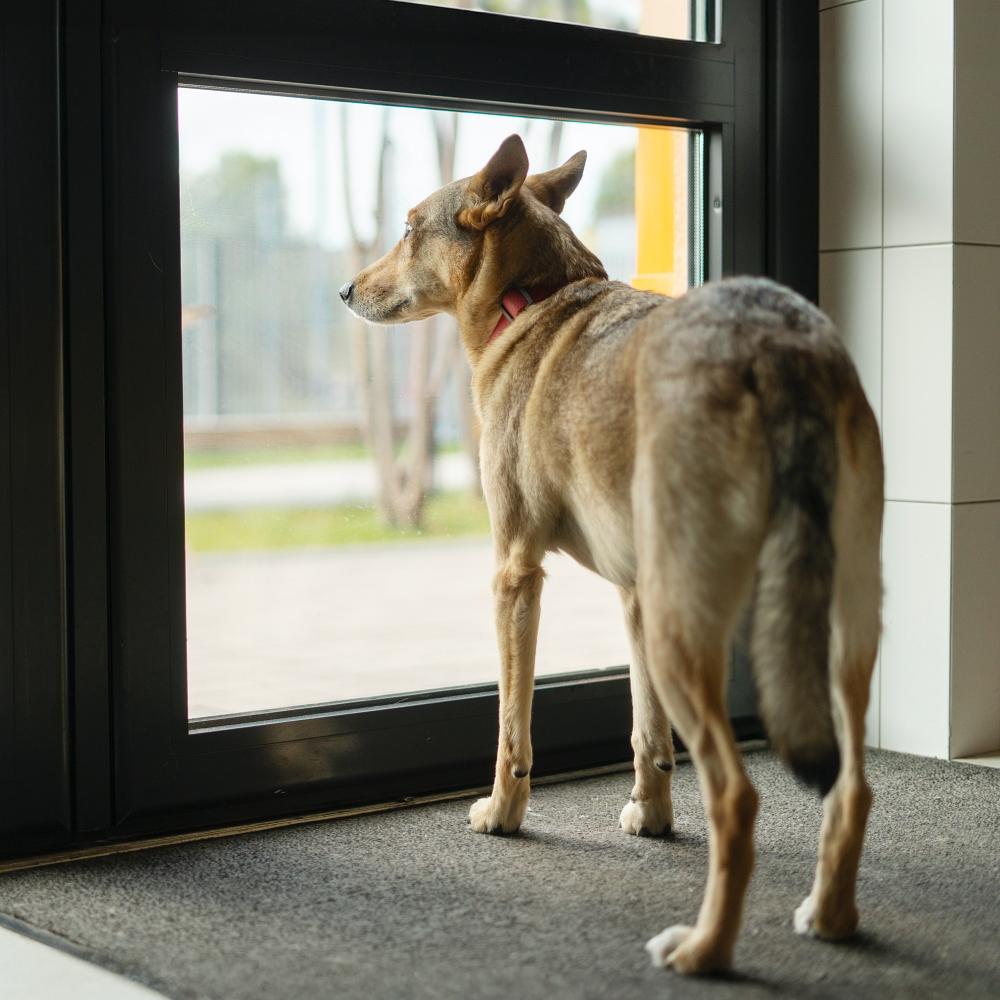
Sometimes, the layout of your home or lack of access to outdoor spaces causes accidents. If your dog can’t easily get outside, they may have no choice but to go indoors. Dirty or inaccessible outdoor areas can also discourage them from going outside.
Consider if your dog has a clear, safe path to their bathroom spot. Also, check if you’re giving frequent bathroom breaks throughout the day. Small changes here can make a big difference.
Age-related Challenges
Puppies and senior dogs face unique challenges with bathroom control. Puppies are still learning and need patience and consistent training. Older dogs may struggle due to cognitive decline or physical limitations.
Are you adjusting your routine as your dog ages? Providing extra bathroom breaks and monitoring health closely can reduce accidents. It’s important to adapt to your dog’s changing needs to keep accidents at bay.
Credit: pottybuddy.co
Signs Your Dog Needs Help
Recognizing signs your dog needs help is crucial. Accidents inside the house may signal deeper issues. Your dog might be trying to communicate discomfort or stress.
Pay attention to patterns and behaviors. Early detection can prevent worsening problems. It also helps keep your home clean and your dog healthy.
Frequent Accidents
Accidents happen sometimes. But frequent accidents are a warning sign. Your dog may have a medical problem or feel anxious. Watch for repeated incidents in the same spots. This behavior often means your dog needs assistance.
Changes In Urination Patterns
Notice how often your dog urinates. Sudden changes in frequency or volume are important. Increased urination can indicate infections or bladder issues. Less urination might mean dehydration or kidney problems. Keep track of these changes and report them to your vet.
Signs Of Stress Or Anxiety
Stress can cause accidents too. Look for pacing, whining, or destructive behavior. Your dog might hide or act restless. These signs suggest anxiety or fear. Addressing stress can reduce accidents and improve your dog’s wellbeing.
Medical Conditions To Rule Out
When a dog starts having accidents inside the house, medical issues may be the cause. Some health problems make it hard for dogs to control their bladder or bowels. Checking for these conditions helps protect your dog’s health and comfort. Early diagnosis often leads to better treatment and less stress for both of you.
Urinary Tract Infections
Urinary tract infections (UTIs) are common in dogs. They cause frequent urination and accidents indoors. Signs include straining to pee, blood in urine, or licking the genital area. UTIs can be painful and make dogs feel unsettled. A vet can diagnose UTIs with a urine test and prescribe antibiotics.
Bladder Stones
Bladder stones form when minerals build up in the bladder. They cause pain and block urine flow. Dogs with bladder stones may dribble urine or have accidents. Sometimes, blood appears in the urine. A vet can find bladder stones using X-rays or ultrasound. Treatment may involve diet changes, medication, or surgery.
Diabetes And Other Illnesses
Diabetes affects a dog’s ability to manage blood sugar. This disease makes dogs drink and urinate more. Excess urination leads to accidents in the house. Other illnesses, like kidney disease or Cushing’s disease, also cause incontinence. These conditions need veterinary tests and long-term care. Proper treatment improves your dog’s quality of life.
Behavioral Causes Behind Accidents
Behavioral causes often lead dogs to have accidents inside the house. These behaviors are a way for dogs to express their needs, fears, or confusion. Understanding these reasons helps in managing and preventing unwanted accidents.
Incomplete House Training
Dogs may have accidents if they did not finish house training properly. Young puppies especially need consistent guidance to learn where to go. Skipping or rushing training causes confusion. Some dogs might forget or not fully understand the rules. Repetition and patience are key to solid training.
Marking Territory
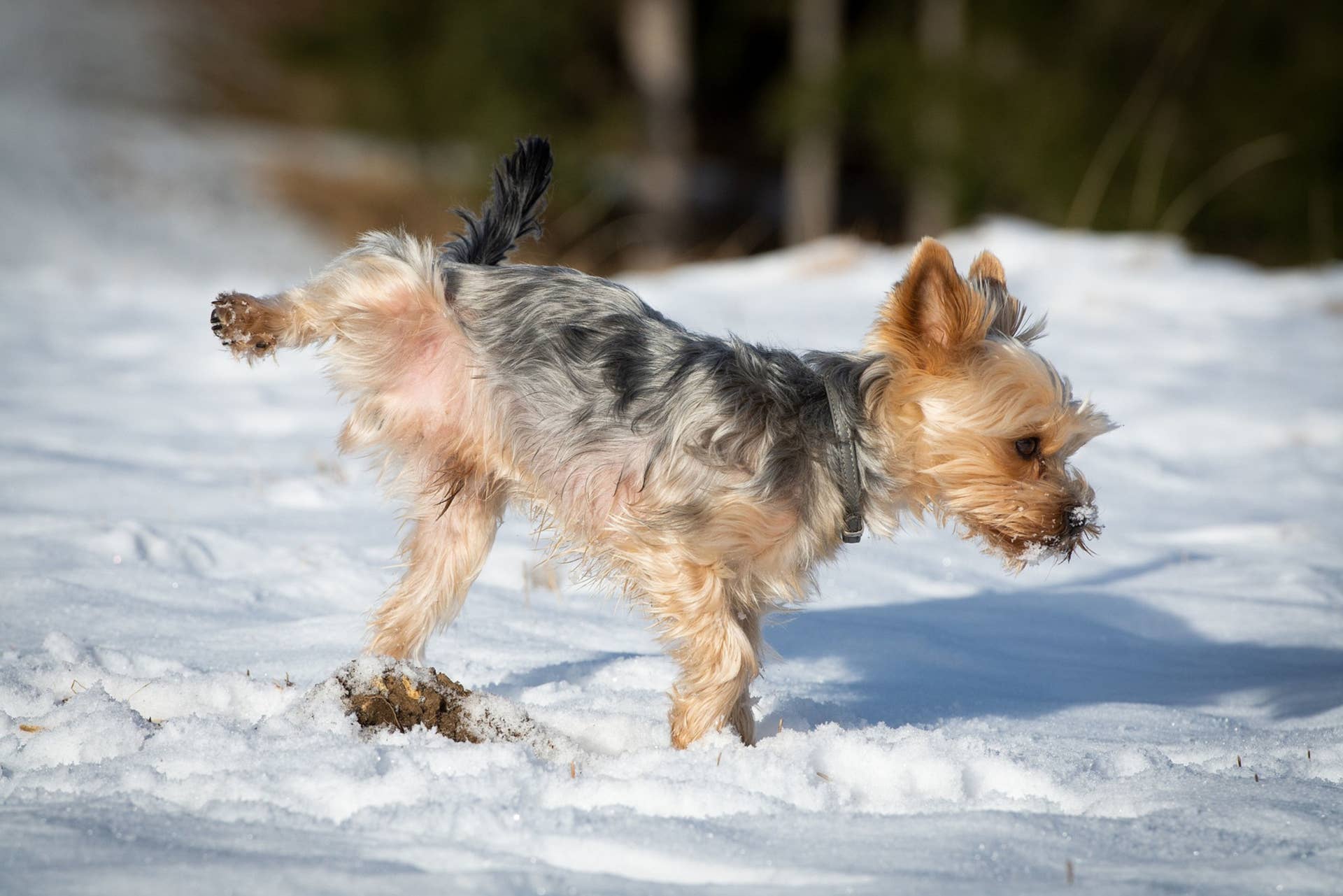
Marking is a natural behavior for dogs to show ownership. Male dogs often spray urine to mark their space. Female dogs can do this too, especially during heat cycles. New smells or animals outside can trigger marking inside. This behavior is not about needing to go but about communication.
Separation Anxiety
Dogs with separation anxiety feel stressed when left alone. This stress can cause accidents as a coping reaction. They may urinate or defecate inside out of fear. Signs include barking, pacing, or destructive behavior. Addressing anxiety helps reduce accidents and improves the dog’s comfort.
Effective House Training Tips
House training your dog can feel challenging, especially when accidents keep happening inside. Yet, with the right approach, you can help your dog learn where and when to go. Focusing on clear, consistent strategies makes a big difference in turning those mishaps into successes.
Consistent Routine
Dogs thrive on routine. Taking your dog outside at the same times every day helps them understand when it’s time to go. Try setting regular bathroom breaks after meals, playtime, and naps.
Have you noticed how your dog starts signaling when they need to go out? That’s a cue you want to encourage by sticking to a schedule. Consistency builds trust and reduces accidents.
Positive Reinforcement
Reward your dog immediately after they go outside. Use treats, praise, or their favorite toy to make the moment special. This lets them connect good behavior with positive outcomes.
A quick story: I once had a puppy who ignored commands until I started giving tiny treats right after he went outside. Suddenly, he was eager to please. What small reward can you offer your dog to make training more exciting?
Crate Training Benefits
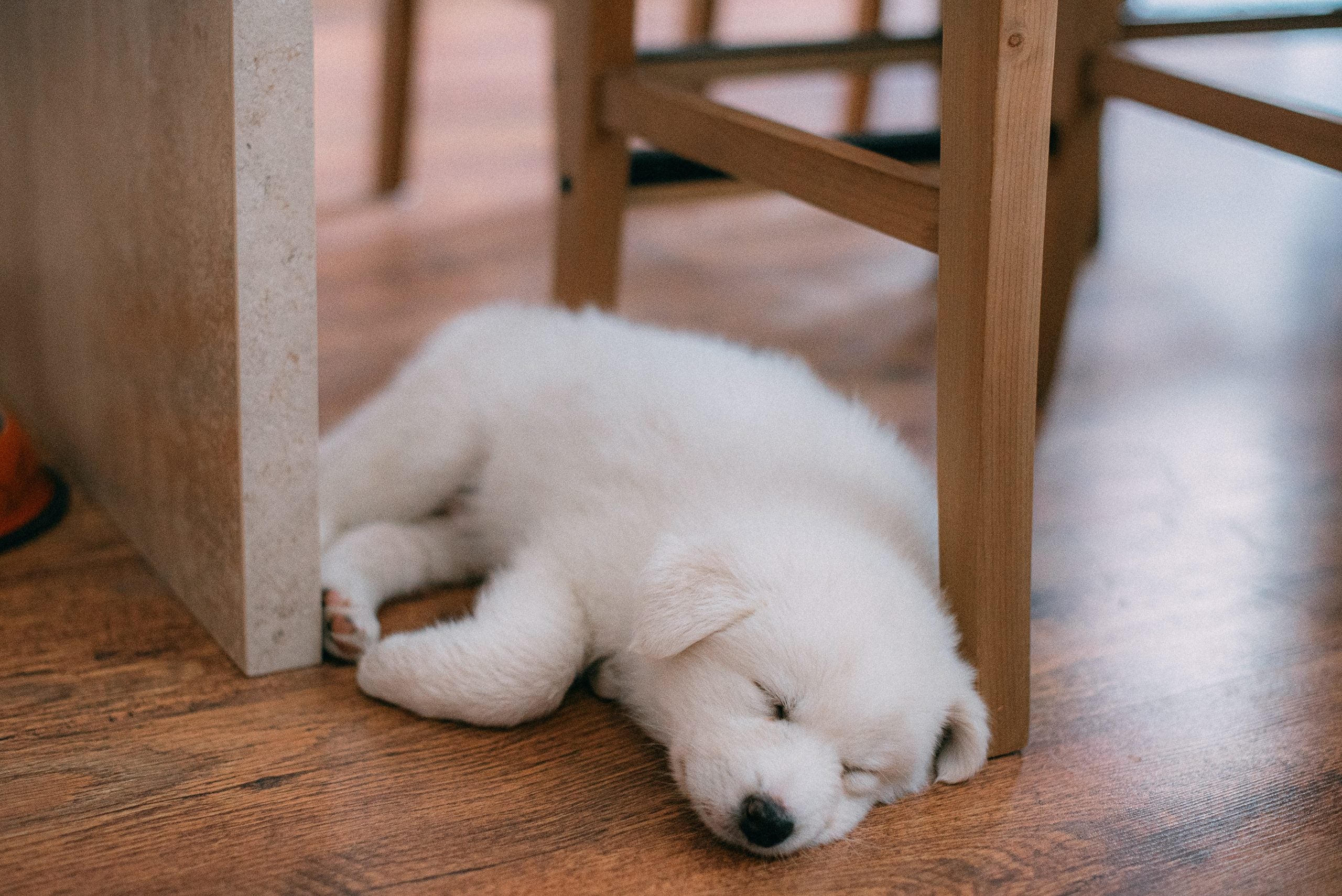
Using a crate can teach your dog bladder control and create a safe space for them. Dogs naturally avoid soiling their sleeping area, which helps reduce accidents.
Make the crate comfortable and never use it as punishment. Gradually increase the time your dog spends inside, and always take them out for bathroom breaks immediately after.
Credit: www.ohcrap.com.au
Managing Anxiety And Stress
Managing anxiety and stress plays a key role in stopping your dog’s accidents inside the house. Dogs feel emotions just like people do. Stress and anxiety can make them lose control of their bathroom habits.
Understanding and reducing these feelings can help your dog stay calm. This lowers the chance of accidents and improves their well-being.
Identifying Triggers
Start by watching your dog closely. Notice what makes them nervous or scared. Common triggers include:
- Loud noises like thunder or fireworks
- Changes in routine or environment
- New people or pets in the home
- Separation from family members
Recognizing these triggers helps you avoid or lessen stress for your dog.
Calming Techniques
Use simple methods to soothe your anxious dog. Try these calming techniques:
- Gentle petting and soft talking
- Creating a quiet, safe space for them
- Providing chew toys or puzzle feeders
- Playing calming music designed for dogs
- Exercise to burn off nervous energy
These actions help your dog relax and feel secure indoors.
Professional Help Options
Sometimes, anxiety needs expert attention. Consider consulting:
- A veterinarian to check for medical causes
- A certified dog trainer for behavior advice
- An animal behaviorist for severe anxiety cases
Experts can suggest treatments like therapy or medication. This supports your dog’s health and reduces accidents.
Environmental Adjustments
Environmental adjustments play a big role in stopping your dog from having accidents inside. Changing the space around your dog can help it feel safe and understand where to go potty. These changes make your home friendlier and support good habits.
Cleaning And Odor Removal
Clean any accident spots quickly and well. Use special cleaners that remove the smell completely. Dogs can smell old urine and think it is okay to go there again. Regular cleaning stops this problem.
Safe Space Creation
Create a small, quiet area where your dog feels calm. This space should have its bed, toys, and water. A safe space helps reduce stress, which can cause accidents. Dogs behave better when they feel relaxed.
Limiting Access To Problem Areas
Block off rooms or corners where your dog has accidents. Use baby gates or closed doors to keep your dog out. Limiting access teaches your dog to hold it until it reaches the right spot. It also keeps your home cleaner.
Credit: pethelpful.com
When To Consult A Veterinarian
Noticing your dog having accidents inside the house can be frustrating and worrying. Sometimes, it’s a simple behavior issue, but other times, it could signal an underlying health problem. Knowing when to consult a veterinarian can save your dog from discomfort and help you find the right solution faster.
Persistent Accidents
If your dog continues to have accidents despite consistent training and a regular bathroom schedule, it’s time to seek professional advice. Persistent accidents might indicate medical issues such as urinary tract infections or bladder problems. Don’t ignore repeated indoor accidents, especially if your dog used to be fully house-trained.
Additional Symptoms
Watch for signs beyond just accidents. Symptoms like increased thirst, frequent urination, lethargy, or changes in appetite can point to health issues. These signs often accompany conditions that cause loss of bladder control, so noting them can help your vet diagnose the problem quickly.
Specialist Referrals
Sometimes, a visit to your regular vet is just the first step. If your dog’s condition is complex, your vet might suggest seeing a specialist like a veterinary neurologist or urologist. These experts can perform detailed tests and offer treatments that address specific medical causes behind your dog’s accidents.
Frequently Asked Questions
Why Is My Dog Having Frequent Accidents?
Frequent accidents can be due to various factors like stress, medical issues, or changes in routine. It’s essential to rule out any health problems by consulting a veterinarian. Additionally, ensure your dog is on a consistent feeding and walking schedule to help reduce accidents.
Can Diet Affect My Dog’s Accidents?
Yes, diet plays a crucial role in your dog's digestive health. Poor-quality food can lead to gastrointestinal issues, causing accidents. Ensure your dog consumes a balanced diet tailored to their breed, age, and size. Always provide fresh water and avoid abrupt changes in diet.
How Does Stress Influence Accidents In Dogs?
Stress can significantly impact a dog’s behavior, leading to accidents. Changes in the environment, loud noises, or separation anxiety are common stressors. Try to identify the source of stress and provide a calm environment. Regular exercise and mental stimulation can also help alleviate stress.
Could Medical Issues Cause Dog Accidents Indoors?
Yes, medical issues like urinary tract infections, diabetes, or kidney problems can cause accidents. If your dog has sudden or frequent accidents, consult a veterinarian for a thorough examination. Early detection and treatment can prevent further complications and ensure your dog’s well-being.
Conclusion
Dogs have accidents for many reasons. Health issues, stress, or lack of training can cause this. Watch your dog closely and note any changes. Clean accidents quickly to avoid repeat spots. Be patient and consistent with training. Seek help from a vet if problems persist.
Understanding your dog’s needs helps prevent accidents. Small steps make a big difference over time. Your dog will feel happier and more secure. Keep caring and stay calm. It all takes time and love.

Emily Barker is the founder of ChillDogLife.com, a space dedicated to helping pup parents discover the best dog products, lifestyle tips, and cozy ideas for happier homes.
A lifelong dog lover, Emily combines her passion for pets with a knack for research to share trusted recommendations on everything from toys and furniture to health and everyday care.
Her goal is simple: to make life easier, stylish, and more joyful for dogs and the people who love them.




