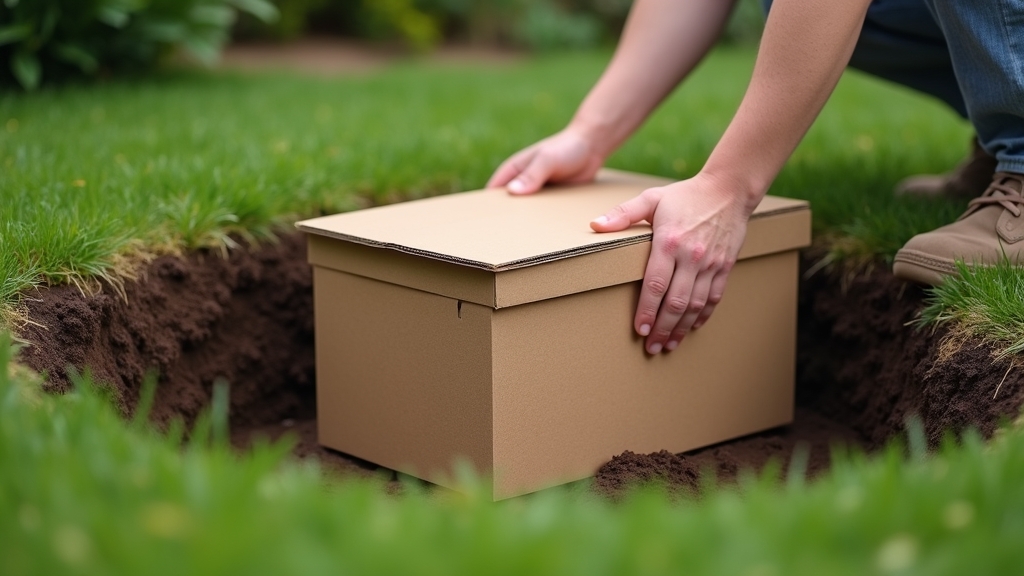
Losing a beloved dog is one of the hardest experiences you can face. When it’s time to say goodbye, you want to give your furry friend a resting place that feels right.
But how deep should you dig a dog grave to ensure it’s safe, respectful, and lasting? You might have questions swirling in your mind—what’s the right depth? How do you protect your pet’s remains? This guide will answer those questions clearly and simply, helping you honor your dog with the care they deserve.
Keep reading to find out exactly how to dig a dog grave the right way.
Credit: www.memorials.com
Choosing The Right Spot
Choosing the right spot for your dog’s grave is more than just picking a quiet corner of your yard. It involves thoughtful decisions that protect your pet’s memory and comply with safety and legal standards. Where you decide to dig affects how you honor your dog and keeps your home environment safe.
Legal Considerations
Before you start digging, check your local laws. Some areas have rules about burying pets on private property, including depth requirements and distance from property lines. Contact your city or county office to understand any permits or restrictions.
Ignoring legal guidelines can lead to fines or the need to move the grave later. Knowing the rules upfront saves you stress and respects community standards. Have you looked up your local pet burial regulations yet?
Safe Distance From Water Sources
Water contamination is a serious risk if you bury your dog too close to wells, streams, or lakes. Experts recommend keeping graves at least 100 feet away from any water source. This distance helps prevent any potential pollutants from seeping into drinking water.
Think about where water flows on your property during rain or snowmelt. Avoid low spots where water collects or drains. Have you identified the nearest water source to your yard yet?
Avoiding Utility Lines
Before digging, call your local utility company to mark underground lines for gas, electricity, water, and phone cables. Striking a utility line can be dangerous and costly. Most regions offer a free service to locate these lines—don’t skip this step.
Marking utilities also protects your home and family from accidents. It’s a simple task that ensures your dog’s resting place is safe and undisturbed. Have you checked for underground utilities around your preferred spot?
Determining The Ideal Depth
Choosing the right depth for a dog grave is important for safety and respect. A proper depth keeps the remains protected and prevents other animals from digging. The ideal depth depends on several factors, including soil type and local wildlife. Understanding these helps you decide how deep to dig.
Minimum Depth Requirements
The grave should be deep enough to keep the body safe from scavengers. Experts recommend at least 3 feet (about 90 cm) deep. This depth helps prevent animals from smelling and reaching the remains. For larger dogs, digging deeper is a good idea to allow enough space.
Factors Affecting Depth
- Soil Type: Soft or sandy soil may require a deeper grave.
- Size of Dog: Bigger dogs need more space and deeper graves.
- Local Wildlife: Areas with many scavengers need deeper burial.
- Season and Weather: Frozen or very wet ground can affect digging depth.
Preventing Animal Disturbance
Cover the grave well to stop animals from digging it up. Use heavy soil or rocks on top. Placing a sturdy board or metal mesh over the grave before filling helps too. This adds an extra barrier against digging animals.
Preparing The Burial Site
Preparing the burial site for your dog is an important step that shows respect and care. It helps ensure the process goes smoothly and that the final resting place is safe and lasting. Taking time to prepare also gives you a moment to reflect and say a quiet goodbye.
Gathering Necessary Tools
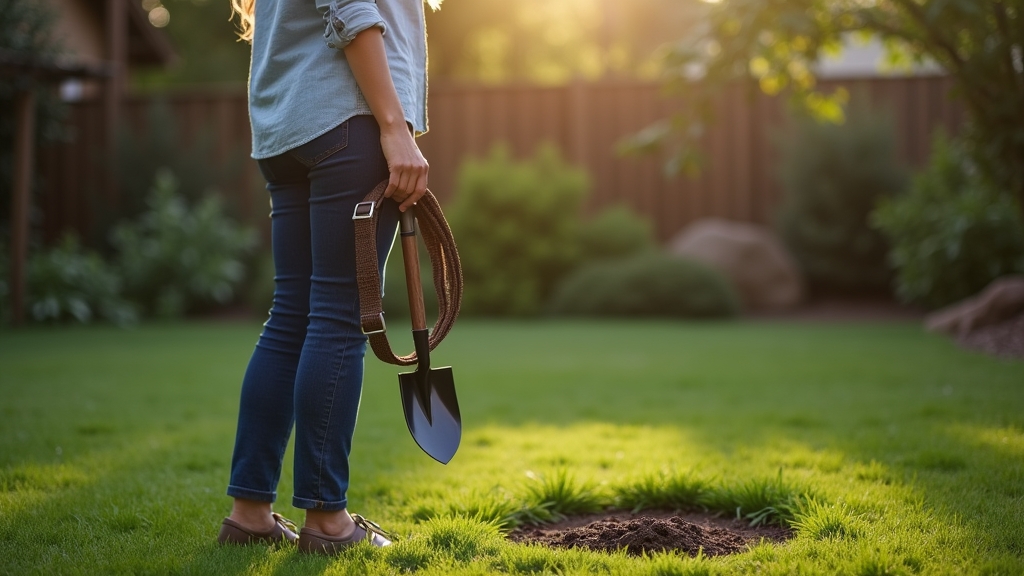
Before you start digging, make sure you have the right tools ready. You’ll need a sturdy shovel, gloves, and possibly a digging bar if the ground is tough. Having a tarp or bucket nearby can help keep dirt contained and make cleanup easier.
Think about the soil type in your yard—rocky or clay-heavy soil might require extra equipment. Don’t forget a measuring tape to check the depth as you dig. Preparing your tools ahead saves you from interruptions during this emotional task.
Clearing The Area
Clear away any debris, rocks, or plants in the chosen spot. This makes digging easier and prevents roots from getting in the way. It also ensures the grave site looks tidy and cared for.
Consider the space around the spot—make sure it’s away from underground utilities or water lines. You want to avoid disturbing anything important beneath the surface. What might seem like a perfect place could hide obstacles below.
Marking The Spot
Once the area is clear, mark the exact spot where you’ll dig. You can use small flags, stones, or sticks to outline the grave’s borders. This helps keep your digging precise and avoids making the hole too big or off-center.
Marking also serves as a visual reminder during the process, especially if you take breaks. How do you want the resting place to look when it’s finished? Planning this now makes the final step feel more meaningful.
Credit: www.memorials.com
Digging Tips And Techniques
Digging a grave for your dog requires care and respect. Using the right techniques makes the task easier and safer. It helps to work efficiently while honoring your pet’s memory.
Proper Digging Methods
Start by marking the grave size. Use a shovel or spade for digging. Remove the top layer of soil gently. Dig a hole deep enough to prevent animals from disturbing it. Usually, 3 to 4 feet deep is enough.
Keep the sides straight to avoid collapse. Work in small sections to control the digging process. Clear loose dirt regularly to keep the hole tidy. Use a bucket or tarp to hold removed soil for refilling later.
Handling Different Soil Types
Soft soil is easier to dig but can collapse. Dig slowly and support the hole sides if needed. Rocky soil requires patience and strong tools. Use a pickaxe or mattock to break hard chunks.
Clay soil is sticky and heavy. Water the area slightly before digging to soften it. Sandy soil drains well but may cave in quickly. Dig wider holes to keep the walls stable.
Safety Precautions
Wear gloves to protect your hands from sharp objects. Check for underground utilities before digging. Use knee pads to avoid injury from kneeling. Take breaks to prevent exhaustion and stay hydrated.
Keep pets and children away from the digging area. Use tools carefully to avoid accidents. Dispose of sharp rocks or debris properly. Respect the space and keep the site clean.
Protecting The Burial
Protecting your dog’s burial site is important not only to honor your pet’s memory but also to keep the area safe and undisturbed. Thoughtful protection helps prevent animals from digging up the grave and maintains the dignity of your pet’s resting place. It also allows you to visit and reflect without worry.
Covering The Grave Securely
After digging the grave to the right depth, cover it with a sturdy layer of soil. Pack the soil firmly but gently to avoid sinking over time. Adding a layer of stones or bricks on top can help keep the ground from being easily disturbed by animals or weather.
You might also consider placing a wooden board or a metal grate just below the surface for extra protection. These barriers stop larger animals from digging while still allowing water to drain. Have you thought about how local wildlife might react to the burial site?
Using Natural Markers
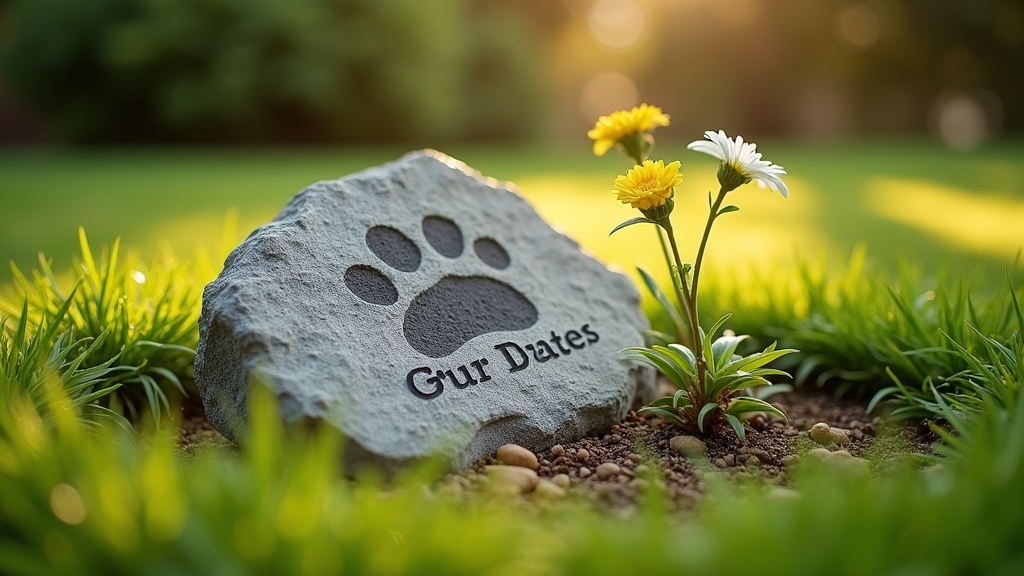
Marking the grave helps you remember the spot and adds a personal touch. Choose natural markers like a favorite tree, a unique rock, or a small flower bed. These not only blend with the environment but also grow and change, symbolizing life continuing around your pet’s resting place.
Some pet owners plant a small shrub or perennial flowers on the grave. This creates a peaceful, living tribute. What natural element feels most meaningful to you for honoring your dog?
Maintaining The Site
Regularly check the burial site to keep it tidy and intact. Remove fallen leaves, weeds, or debris that could cover the marker or disturb the soil. Over time, soil might settle, so add fresh earth if needed to maintain a smooth surface.
Visiting the grave can also bring comfort and a sense of connection. You might light a candle, place a favorite toy, or simply sit quietly. How will you make this spot a place of peace and remembrance for yourself?

Credit: hisworkmanshiplabor.com
Frequently Asked Questions
How Deep Should A Dog Grave Be?
A dog grave should typically be at least 3 feet deep. This depth ensures protection from scavengers and environmental changes. It’s important for maintaining a respectful resting place. Always check local regulations, as some areas have specific requirements for pet burials.
Can I Bury My Dog In My Backyard?
Yes, you can often bury your dog in your backyard. However, check local laws first, as some areas have restrictions. Ensure the grave is deep enough to prevent disturbance from wildlife. A respectful burial site is essential for peace of mind.
What Materials Are Best For A Dog Grave?
Choose biodegradable materials like a wooden box or a natural cloth shroud. These materials decompose naturally, leaving minimal environmental impact. Avoid plastic materials, as they can harm the environment. Always consider the local regulations when selecting burial materials.
How To Mark A Dog’s Grave Site?
You can mark a dog’s grave site with a small headstone or plaque. Consider using a stone, engraved marker, or a planted tree. Personal touches like these can create a meaningful memorial. Ensure any markers are weather-resistant for lasting remembrance.
Conclusion
Digging a proper dog grave shows respect and care for your pet. The hole should be deep enough to prevent animals from disturbing it. Usually, digging about three feet deep works well. Choose a safe spot, away from water lines or roots.
Mark the grave gently, so you can visit anytime. This simple act helps in saying goodbye with love. Your pet deserves a peaceful resting place. Taking time to dig carefully brings comfort to your heart. Remember, a thoughtful burial honors the bond you shared.

Emily Barker is the founder of ChillDogLife.com, a space dedicated to helping pup parents discover the best dog products, lifestyle tips, and cozy ideas for happier homes.
A lifelong dog lover, Emily combines her passion for pets with a knack for research to share trusted recommendations on everything from toys and furniture to health and everyday care.
Her goal is simple: to make life easier, stylish, and more joyful for dogs and the people who love them.




