Bringing a rescue dog into your home is a wonderful experience filled with love and new beginnings. But to help your new friend feel safe and comfortable, crate training can be a game-changer.
If you’re wondering how to start or struggling to make progress, you’re not alone. This guide will walk you through simple, effective steps to crate train your rescue dog with patience and care. By the end, you’ll have the tools to create a calm, happy space for your dog—and a stronger bond between you both.
Ready to get started? Let’s dive in.

Credit: www.monsterk9.com
Choosing The Right Crate
Choosing the right crate is key to successful crate training. The crate becomes a safe place for your rescue dog. It must fit their size and needs. Comfort and security help the dog feel calm. Picking the wrong crate can cause stress or fear. Consider the dog’s breed, size, and habits.
Size Matters
The crate should be just the right size. Big enough to stand, turn, and lie down comfortably. Too large can make the dog feel unsafe. Too small can cause discomfort and stress. Measure your dog’s length from nose to tail. Add a few inches for space. This helps the dog feel cozy without being cramped.
Types Of Crates
Several crate types suit different dogs and homes. Each has its benefits and drawbacks.
- Wire Crates:Good airflow and visibility. Easy to clean. Often foldable and portable.
- Plastic Crates:More enclosed and cozy. Ideal for travel and shy dogs.
- Soft-Sided Crates:Lightweight and easy to carry. Best for calm dogs and short-term use.
- Heavy-Duty Crates:Durable and secure. Suitable for strong or escape-prone dogs.
Choose a crate type that fits your lifestyle and your dog’s behavior.
Creating A Comfortable Space
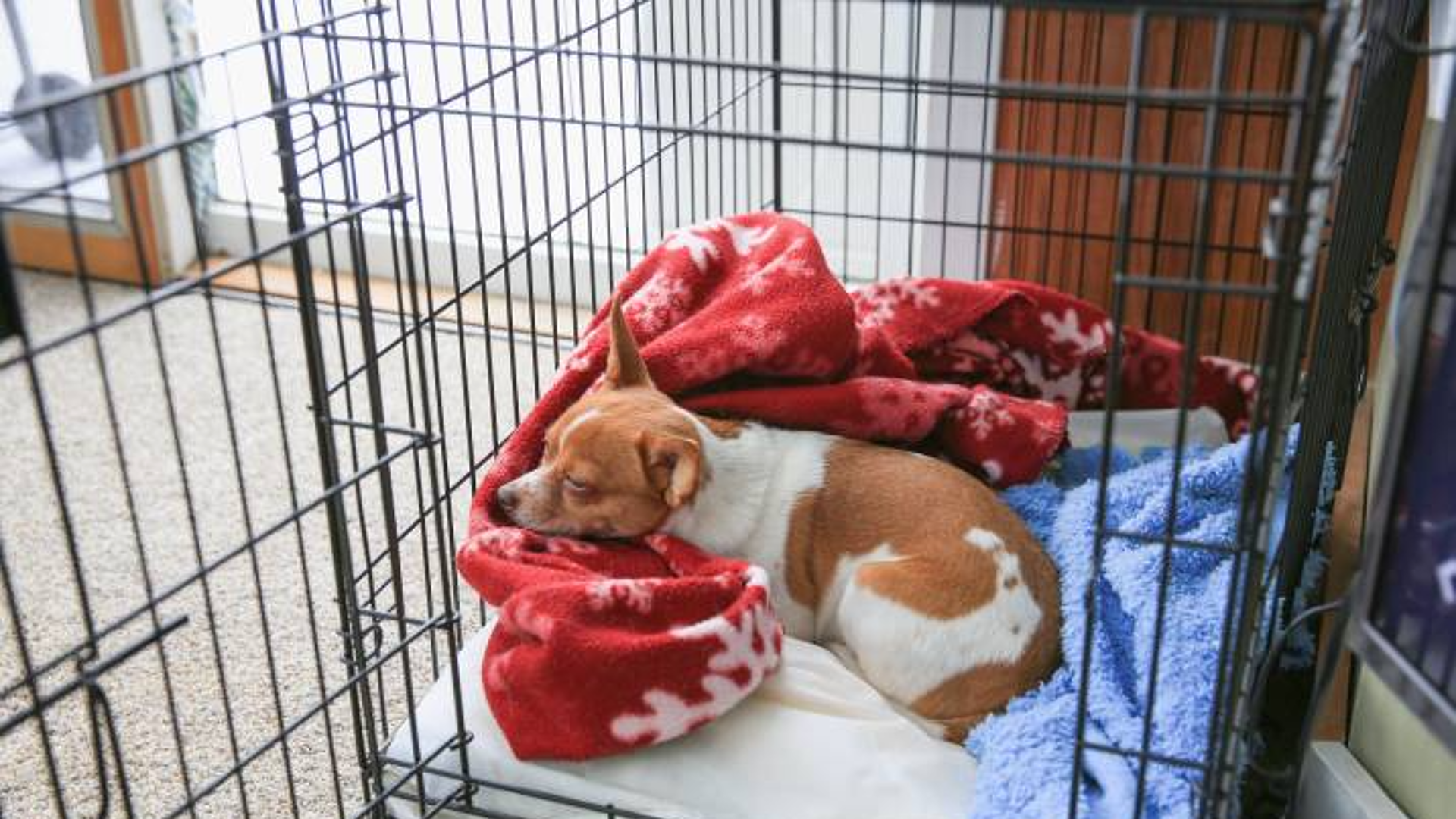
Make the crate inviting and warm. Add a soft bed or blanket inside. Place familiar toys or a piece of clothing with your scent. Keep the crate in a quiet, low-traffic area. Avoid placing it in direct sunlight or cold drafts. Comfort helps the dog accept the crate quickly. A cozy space feels like a little den to them.
Credit: www.airtasker.com
Introducing The Crate
Introducing your rescue dog to a crate can be a delicate process. The crate should feel like a safe space, not a punishment. Taking time to make the crate inviting helps build trust and comfort from day one.
Making The Crate Inviting
Place the crate in a quiet, familiar area where your dog already likes to rest. Add a soft blanket or bed inside to create a cozy spot. Avoid closing the door initially; let your dog explore freely and come in and out as they please.
Think about the smells and textures your dog prefers. Adding an old t-shirt with your scent can make the crate more welcoming. Have you noticed your dog’s favorite nap spot? Try to mimic that environment inside the crate.
Using Treats And Toys
Introduce treats and toys to encourage positive associations with the crate. Toss high-value treats just inside the entrance, rewarding your dog for approaching. Use puzzle toys or chew toys inside the crate to make it a fun place to be.
Try feeding your dog meals inside the crate to link it with something enjoyable. This simple act can change your dog’s attitude toward the crate quickly. What toys does your dog love that could make the crate more appealing?
Gradual Exposure
Start with short sessions where your dog spends a few minutes in the crate with the door open. Gradually increase the time, always ensuring your dog remains calm and relaxed. Never force your dog inside or shut the door abruptly.
Observe your dog’s body language closely during crate time. If they show signs of stress, slow down the process. Patience here pays off—your dog will learn to see the crate as a personal retreat, not a trap.
Establishing A Routine
Establishing a routine helps your rescue dog feel safe and understand expectations. A steady schedule reduces anxiety and builds trust. Consistency is key for crate training success. Your dog learns what to expect and when to expect it.
Consistent Feeding Times
Feed your dog at the same times each day. This creates a predictable routine that comforts your dog. Consistent feeding also helps regulate bathroom needs. Use meals as a chance to encourage crate visits. Place food near or inside the crate to build positive associations.
Scheduled Crate Sessions
Set specific times for your dog to rest in the crate. Start with short sessions and slowly increase length. Use calm, quiet moments for crate time to help your dog relax. Offer treats and praise to make crate time pleasant. Avoid using the crate for punishment to keep trust strong.
Bathroom Breaks
Take your dog outside regularly for bathroom breaks. Schedule these breaks after meals, play, and crate sessions. Watch for signs your dog needs to go. A regular bathroom routine helps prevent accidents and builds good habits. Praise your dog when they go outside to reinforce behavior.
Handling Common Challenges
Crate training a rescue dog can bring many rewards but also some hurdles. Dogs may show signs of stress or discomfort while adjusting. Recognizing and managing these challenges helps create a calm and safe space for your dog. Patience and consistency play key roles in overcoming common issues during crate training.
Managing Whining And Barking
Whining and barking often signal that your dog feels uneasy or wants attention. Avoid opening the crate each time your dog makes noise. This may teach your dog to bark for release. Instead, wait for quiet moments before offering praise or treats.
- Use a calm voice to reassure your dog.
- Provide chew toys to keep your dog busy.
- Gradually increase crate time to build comfort.
Dealing With Anxiety
Rescue dogs may suffer from anxiety due to past trauma. Signs include pacing, drooling, or trying to escape. Create a cozy environment by adding soft bedding and familiar scents.
- Practice short, frequent crate sessions.
- Use gentle praise and rewards to encourage calm behavior.
- Consider calming aids, like pheromone sprays or soothing music.
Avoiding Overuse
Too much crate time can cause stress and frustration. Dogs need exercise, play, and social interaction outside the crate.
- Limit crate time to a few hours at once.
- Allow regular breaks for walks and play.
- Use the crate as a positive space, not punishment.
Positive Reinforcement Techniques
Positive reinforcement techniques play a crucial role in crate training a rescue dog. These methods encourage your dog to associate the crate with good experiences, making the transition smoother and less stressful. By focusing on rewards and trust-building, you create a safe space that your dog willingly embraces.
Reward-based Training
Using treats or favorite toys as rewards helps your rescue dog see the crate as a positive place. Start by placing small treats inside the crate to motivate your dog to enter voluntarily. Gradually increase the time your dog spends in the crate before giving the reward to build comfort and patience.
Keep the rewards consistent but vary them to maintain your dog’s interest. If your dog is food-motivated, try different treats like small pieces of chicken or cheese. For dogs that prefer play, use a special toy only during crate time.
Using Praise Effectively
Verbal praise and gentle petting add an emotional layer to the reward system. Use a calm, happy tone to say encouraging words like “good job” or “well done” whenever your dog enters or stays in the crate. This helps your dog connect your voice and attention with positive feelings.
Don’t forget to watch your dog’s reaction. If your praise seems to stress or confuse them, try a softer tone or less intense petting. Your goal is to make your dog feel safe, not overwhelmed.
Building Trust
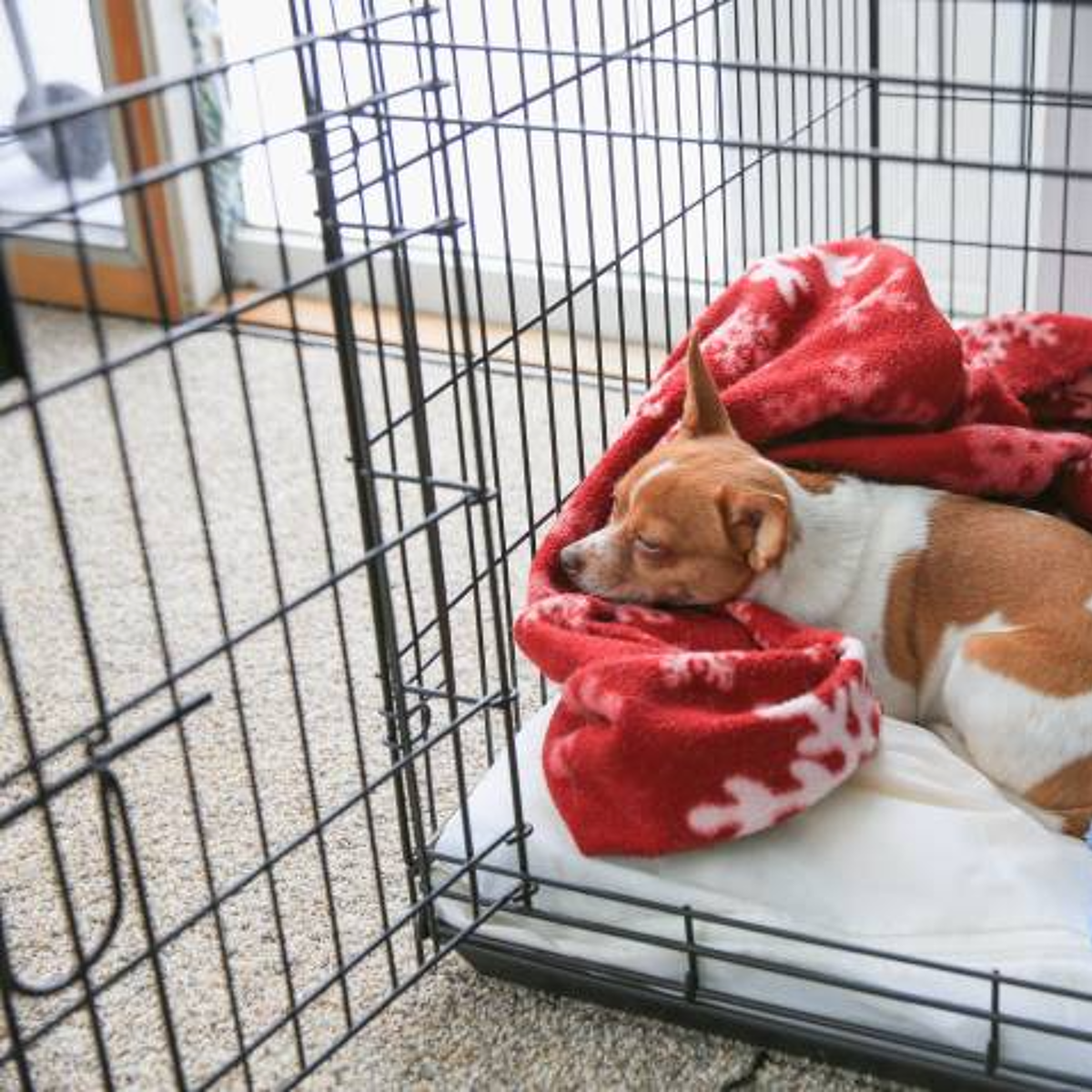
Trust is the foundation of successful crate training for any rescue dog. Spend quiet time near the crate without forcing your dog inside. Let your dog explore the crate at their own pace while you sit nearby and offer gentle encouragement.
Think about how you’d feel if someone rushed you into a new space. Giving your dog control over the process reduces anxiety and builds confidence. Over time, your rescue will see the crate not as a trap but as a comforting refuge.
Credit: www.airtasker.com
Monitoring Progress
Monitoring progress is a crucial part of crate training a rescue dog. It helps you understand how your dog is adapting to the crate and shows where adjustments might be needed. Paying close attention to your dog’s behavior ensures that training is effective and stress-free for both of you.
Tracking Behavior Changes
Keep a daily journal or use an app to note your dog’s reactions to the crate. Watch for signs like reduced anxiety, longer rest periods inside, or decreased barking. Small changes, such as your dog choosing to enter the crate voluntarily, reveal positive progress.
Have you noticed if your dog hesitates less or seems more relaxed? Tracking these subtle shifts helps you identify what’s working and what isn’t. It’s important to be patient—progress may come in small steps rather than giant leaps.
Adjusting Training Plans
Based on your observations, tweak your training approach as needed. If your dog shows stress, consider shortening crate time or adding extra comfort items. On the other hand, if your dog is too eager to leave, gradually increase crate duration to build tolerance.
Ask yourself, is the current routine supporting your dog’s comfort and confidence? Sometimes changing the crate’s location or introducing new positive reinforcements can make a big difference. Flexibility in your plan will keep the training moving forward.
Celebrating Milestones
Every small victory deserves recognition. Whether your rescue dog stays calm for five minutes or sleeps comfortably overnight, celebrate these moments. It boosts your motivation and reinforces positive behavior for your dog.
Try rewarding your dog with treats, affection, or a favorite toy when they show progress. Sharing these milestones with family or friends can also provide extra encouragement. What small success will you celebrate today to keep your dog’s confidence growing?
Frequently Asked Questions
What Is Crate Training For Rescue Dogs?
Crate training is a method to help rescue dogs feel secure. It involves using a crate as a safe space. This technique helps in managing anxiety and behavior. It also aids in house training. It’s beneficial for both the dog and the owner.
How Long Does Crate Training Take?
Crate training duration varies with each dog. It can take a few days to a few weeks. Consistency and patience are key to success. Gradual exposure helps the dog adjust. Positive reinforcement accelerates the process.
Can Crate Training Help With Separation Anxiety?
Yes, crate training can help reduce separation anxiety. It offers a safe environment for your dog. A crate becomes a comforting space when you’re away. Always ensure the crate is associated with positive experiences. This can ease anxiety over time.
Should I Cover The Crate At Night?
Covering the crate can make it feel more secure. A cover can block out visual distractions. It helps create a den-like atmosphere for your dog. Ensure the cover is breathable. Monitor your dog’s response and adjust accordingly.
Conclusion
Crate training a rescue dog takes patience and kindness. Start slow and keep sessions short. Praise your dog often to build trust. Remember, every dog learns at their own pace. Consistency helps your dog feel safe and calm. Your effort creates a happy, secure home for your pet.
Keep practicing, and enjoy your new friendship. Trust grows with time and gentle care. You can help your rescue dog feel loved and comfortable.

Emily Barker is the founder of ChillDogLife.com, a space dedicated to helping pup parents discover the best dog products, lifestyle tips, and cozy ideas for happier homes.
A lifelong dog lover, Emily combines her passion for pets with a knack for research to share trusted recommendations on everything from toys and furniture to health and everyday care.
Her goal is simple: to make life easier, stylish, and more joyful for dogs and the people who love them.




