Bringing a rescue dog into your home is a wonderful experience, but toilet training can feel overwhelming. You might wonder how to help your new friend learn where to go without accidents or frustration.
The good news? With the right approach, patience, and simple steps, you can guide your rescue dog to become reliably toilet trained. You’ll discover practical tips that make the process easier for both you and your dog—turning challenges into success.
Keep reading to find out how to create a comfortable, stress-free routine that works for your rescue dog and your home.
Credit: www.petsradar.com
Assessing Your Rescue Dog’s Needs
Assessing your rescue dog’s needs is the first step in successful toilet training. Every dog is unique, especially those from rescue backgrounds. Understanding their specific situation helps create a tailored training plan. This builds trust and makes training easier for both of you.
Evaluating Age And Past Habits
Age plays a big role in toilet training. Puppies learn faster but need frequent breaks. Older dogs might have habits from past homes that affect training. Ask the shelter or previous owner about your dog’s routine. Watch your dog’s behavior for clues about their potty habits.
Identifying Health Concerns
Health issues can affect toilet training success. Some dogs have bladder problems or infections. These need a vet check before training starts. Look for signs like frequent urination or accidents indoors. Addressing health problems helps your dog feel comfortable and avoids setbacks.
Setting Realistic Expectations
Toilet training takes time, especially for rescue dogs. Patience is key. Set small goals each week. Celebrate progress, not perfection. Remember, accidents happen. Your dog needs understanding and gentle guidance. Consistency and kindness build good habits over time.
Credit: pomeranian.org
Preparing Your Home For Training
Preparing your home for toilet training sets the stage for success. A calm, organized environment helps your rescue dog feel safe and ready to learn. Making simple changes in your home can ease stress and build good habits quickly.
Creating A Safe Space
Designate a quiet area for your dog to relax and learn. Use a crate or a small room with soft bedding. This space should feel cozy and secure. Avoid loud noises or too many people nearby. A calm spot reduces anxiety and encourages your dog to settle down.
Gathering Necessary Supplies
Prepare all tools before training starts. Get these items:
- Cleaning products safe for pets
- Training pads or newspapers
- A leash for controlled walks
- Treats for rewards
- A consistent collar or harness
Having supplies ready saves time and keeps training smooth.
Establishing A Consistent Routine
Set regular times for bathroom breaks. Take your dog outside after meals, naps, and playtime. Stick to the same spots for potty breaks. Dogs learn faster with clear, steady schedules. Consistency builds trust and helps your rescue dog understand what to do.
Implementing A Toilet Training Schedule
Creating a consistent toilet training schedule helps your rescue dog learn faster. Dogs thrive on routine. A clear schedule sets expectations and reduces accidents.
Consistency builds trust. It also makes house training less stressful for both of you. Start by planning regular potty breaks throughout the day.
Choosing Regular Potty Times
Pick specific times for potty breaks each day. Common times include:
- Right after waking up
- After meals
- Before bedtime
- Every 2-3 hours during the day
This helps your dog understand when to expect outdoor time. Keep the times consistent daily. Adjust slightly as your dog’s bladder control improves.
Using Crate Training Effectively
Crate training supports toilet training well. Dogs usually avoid soiling their sleeping area. Use the crate for short periods. Make it a safe, comfortable space.
Take your dog outside immediately after crate time. This encourages holding bladder until you say it’s time. Never use the crate as punishment. It should feel like a cozy den.
Monitoring Behavior And Signals
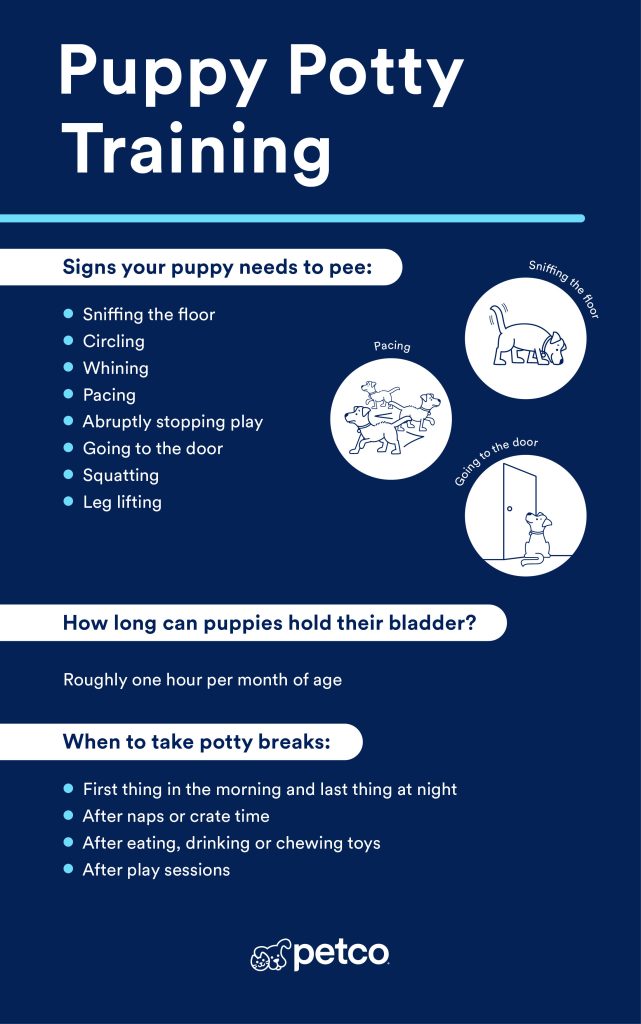
Watch your dog closely for signs of needing the toilet. Common signals include:
- Sniffing the floor
- Circling
- Whining or pacing
Respond quickly by taking your dog outside. Reward successes with praise or small treats. This helps your dog connect signals with going outside.
Positive Reinforcement Techniques
Positive reinforcement is a powerful tool when toilet training a rescue dog. It helps build trust and encourages your dog to repeat good behaviors. This approach focuses on rewarding success rather than punishing mistakes, making the learning process more enjoyable for both of you.
Rewarding Successful Bathroom Trips
Celebrate every time your dog goes to the bathroom in the right spot. Use treats, praise, or their favorite toy immediately after they finish. Timing is key—reward right after the behavior so your dog connects the action with the reward.
Try to keep rewards consistent and meaningful. Notice what motivates your dog most—is it a chewy treat or a quick play session? Tailor your rewards to what excites them to keep their interest high.
Avoiding Punishment
Punishing your rescue dog for accidents can create fear and confusion. Dogs don’t link punishment with the accident if it happens later, which makes it ineffective and stressful for them. Instead, focus on guiding them gently to the right spot.
Think about how your dog feels during training. Would you learn better if you were scolded for mistakes, or encouraged for progress? Avoid harsh words or physical punishment—they can damage your bond and slow down training.
Encouraging Good Habits
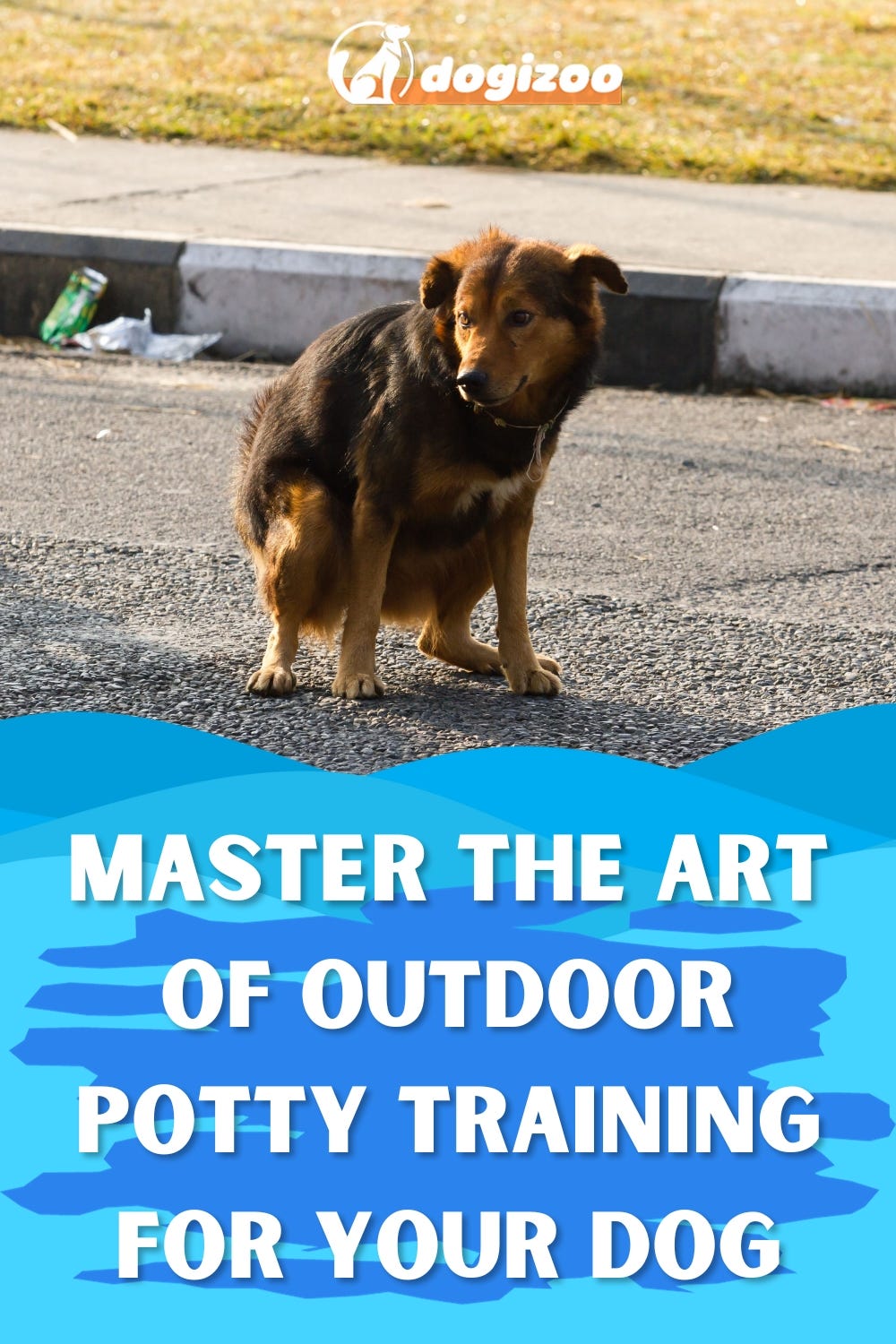
Help your dog develop a bathroom routine by taking them out regularly, especially after meals, naps, or playtime. Praise and reward them every time they go outside to reinforce good habits. Consistency helps your dog understand what you expect.
Use clear commands like “go potty” every time you take them out. This builds association and helps your dog know exactly what you want. How can you make your training moments clearer and more rewarding for your dog?
Handling Accidents Calmly
Handling accidents calmly is vital for a rescue dog’s toilet training. These dogs may feel scared or confused after accidents. Staying calm helps build trust and encourages good habits. Your reaction teaches the dog how to behave next time. Patience and kindness make training smoother and faster.
Cleaning Up Thoroughly
Clean all messes quickly and well. Use a pet-safe cleaner that removes odors. This stops your dog from using the same spot again. Avoid strong chemicals that may harm your dog’s nose. A clean space helps your dog learn where to go.
Avoiding Negative Reactions
Never shout or punish your dog for accidents. This frightens rescue dogs and slows progress. Instead, speak softly and act calmly. Show your dog that accidents are okay but not allowed. Positive energy helps your dog stay confident and learn faster.
Learning From Mistakes
Each accident is a chance to understand your dog better. Note what caused the accident, like a missed walk or stress. Adjust your routine to prevent repeats. Watch your dog’s signals closely and respond quickly. Learning together builds a strong bond and better results.
Credit: greensafaris.com
Adapting Training To Your Dog’s Progress
Adapting training to your dog’s progress is key to successful toilet training. Each rescue dog learns at a different pace and shows unique behaviors. Watching your dog closely helps tailor your approach. This keeps training effective and less stressful for both of you.
Recognizing Milestones
Notice small signs that show your dog is learning. These include:
- Waiting to go outside
- Signaling when needing the bathroom
- Holding bladder longer
- Following you to the door
Celebrate these moments with praise. They prove your dog is on the right track.
Adjusting Schedule And Techniques
Change the training schedule based on your dog’s habits. Some dogs need more frequent bathroom breaks. Others do well with longer intervals.
Try different methods to see what fits best:
- Use crate training for better bladder control
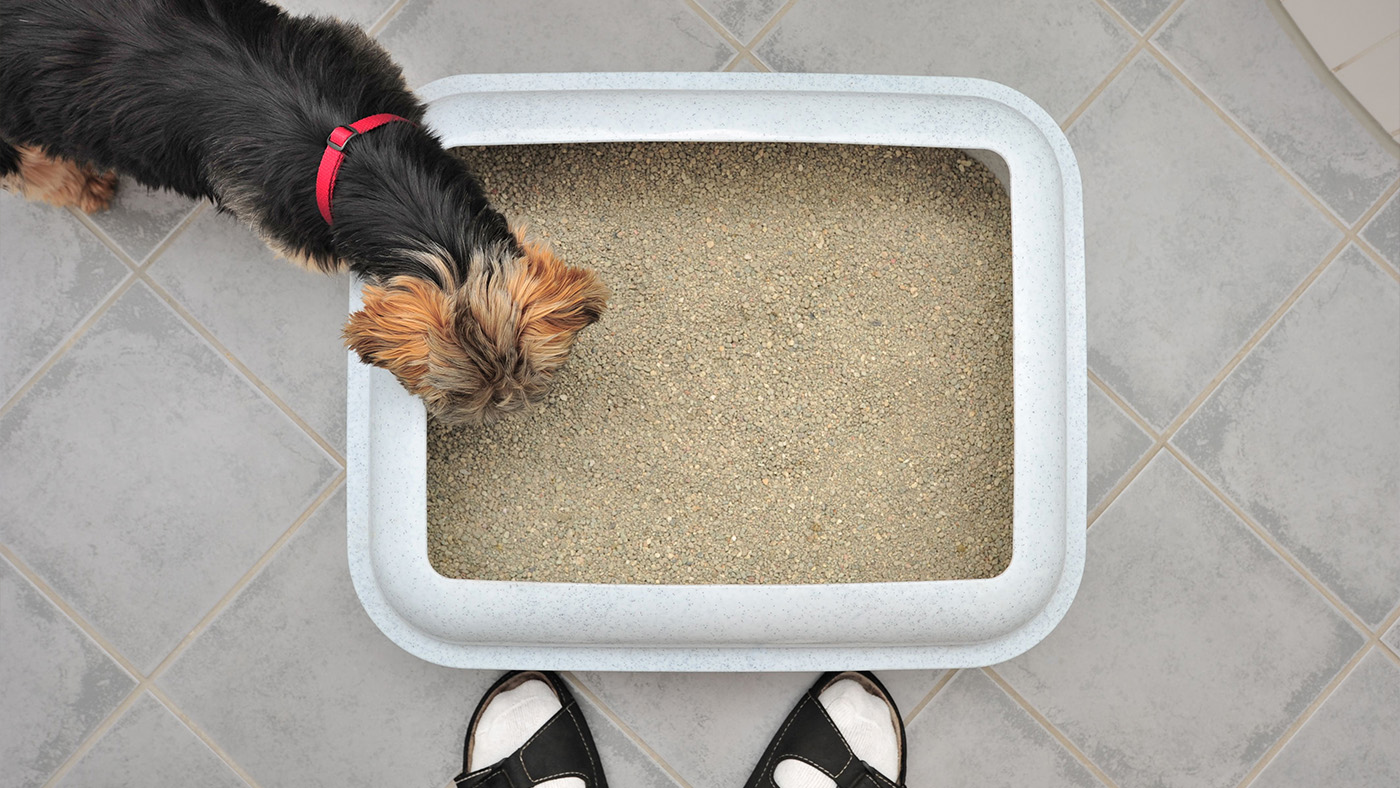
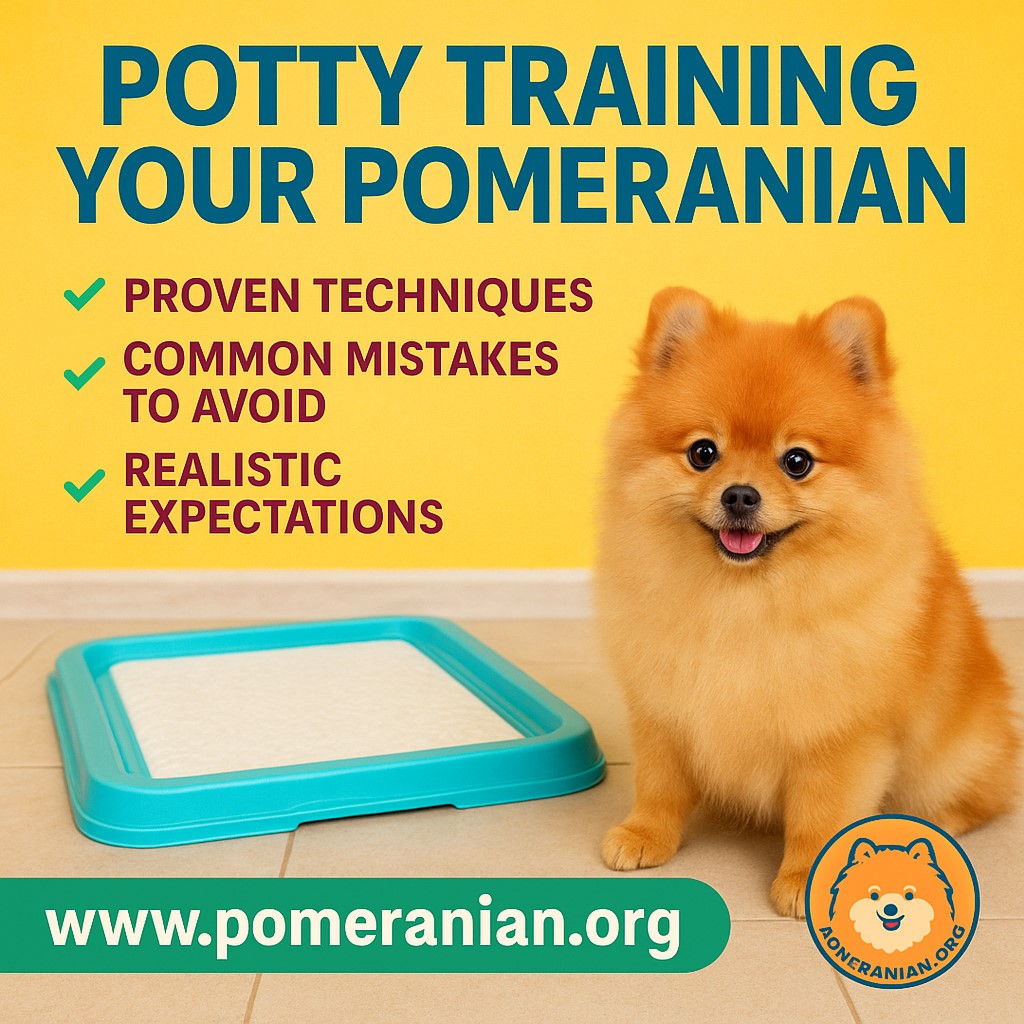
- Try potty pads if outside access is limited
- Increase outdoor time gradually
Stay patient and flexible. This helps build trust and progress.
Seeking Professional Help If Needed
Consult a trainer or vet if progress stalls. Experts can spot issues you might miss. They offer tailored advice and support.
Professional help is useful for:
- Behavioral problems
- Medical issues affecting toilet habits
- Advanced training techniques
Getting help early prevents frustration and keeps training positive.
Frequently Asked Questions
How Long Does Toilet Training A Rescue Dog Take?
Toilet training a rescue dog typically takes 4 to 8 weeks. Consistency and patience are key. Every dog learns at its own pace. Regular routines and positive reinforcement speed up progress.
What Are The Best Tools For Toilet Training Rescue Dogs?
Essential tools include a leash, puppy pads, cleaning spray, and treats. A crate can help with house training. These tools support consistency and encourage good habits effectively.
How To Handle Accidents During Rescue Dog Toilet Training?
Clean accidents immediately with enzymatic cleaner to remove odors. Avoid punishment; stay calm and patient. Redirect the dog to the designated toilet area. Positive reinforcement helps prevent future accidents.
Can Older Rescue Dogs Learn Toilet Training Effectively?
Yes, older rescue dogs can learn toilet training. It might take longer than with puppies. Consistent routines, patience, and rewards greatly improve success rates regardless of age.
Conclusion
Toilet training a rescue dog takes time and patience. Consistency is key. Stick to a routine. Offer plenty of praise for good behavior. Rewards work wonders. Accidents may happen, and that’s okay. Clean up calmly and try again. Trust grows with time.
Dogs learn best in positive environments. Keep communication clear and simple. Remember, every dog is unique. They each learn at their own pace. Celebrate small victories. Building a bond is just as important as training. Your rescue dog is part of the family.
Enjoy the journey together.

Emily Barker is the founder of ChillDogLife.com, a space dedicated to helping pup parents discover the best dog products, lifestyle tips, and cozy ideas for happier homes.
A lifelong dog lover, Emily combines her passion for pets with a knack for research to share trusted recommendations on everything from toys and furniture to health and everyday care.
Her goal is simple: to make life easier, stylish, and more joyful for dogs and the people who love them.




