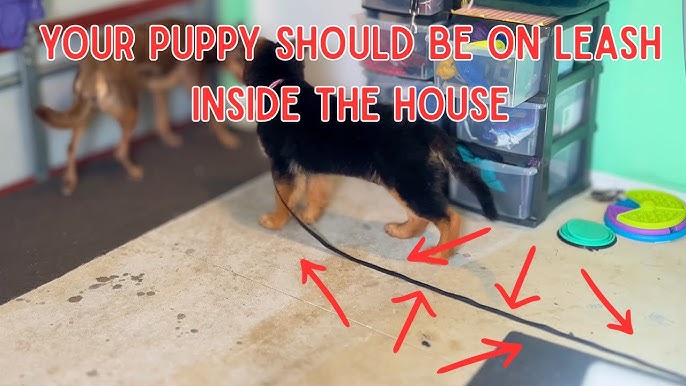
Is your dog constantly chewing on the leash every time you go for a walk? It can be frustrating and even dangerous.
You want your walks to be fun and safe, but that leash chewing is getting in the way. The good news is, you can stop this behavior with the right approach. You’ll discover simple, effective ways to keep your dog from chewing on the leash.
Keep reading, and you’ll soon enjoy peaceful walks without the tugging and biting.
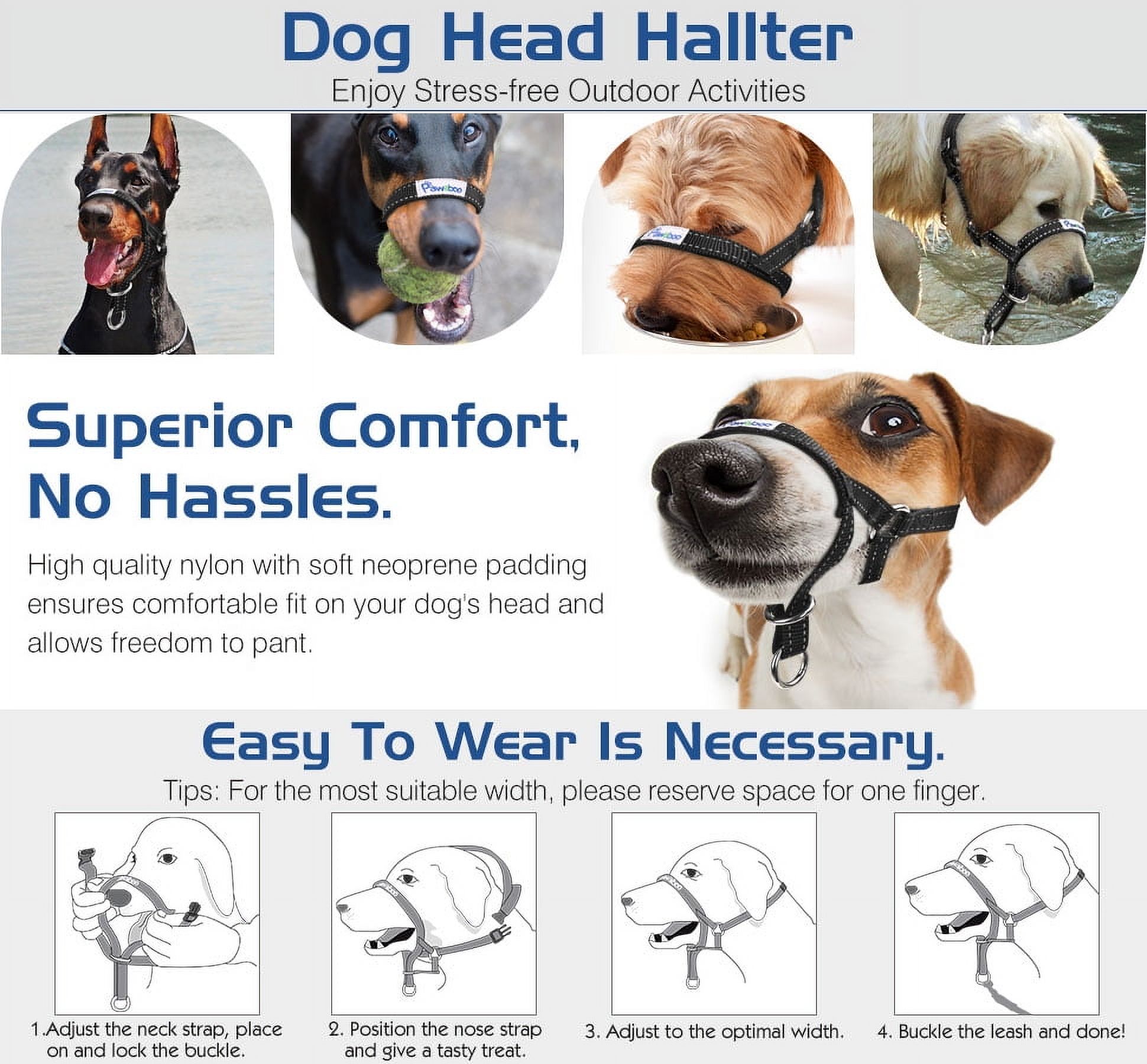
Credit: dornmusic.com
Why Dogs Chew On Leashes
Dogs chewing on their leashes is a common challenge many pet owners face. Understanding why dogs chew on leashes helps address this behavior effectively. Chewing can be a sign of boredom, anxiety, or simply a way for dogs to explore their world. Identifying the root cause is key to stopping the habit.
Common Causes
- Teething:Puppies chew to relieve pain from growing teeth.
- Boredom:Lack of mental and physical stimulation leads to chewing.
- Curiosity:Dogs use their mouths to explore new textures and objects.
- Stress or Anxiety:Chewing can soothe nervous energy or fear.
- Attention Seeking:Dogs may chew to get a reaction from owners.
Behavioral Triggers
Several triggers can prompt a dog to chew on its leash. Excitement during walks can cause dogs to nibble on the leash. Frustration from feeling restrained may also lead to chewing. Sometimes, dogs learn this behavior because it gets attention, even if negative.
Environmental changes or new routines can increase anxiety, making chewing more likely. Repetitive chewing can become a habit if not addressed early. Recognizing these triggers helps in creating better training plans and reducing leash chewing.
Choosing The Right Leash
Choosing the right leash can make a big difference in stopping your dog from chewing on it. A leash that’s built to last and fits your dog's size comfortably can reduce the urge to chew. Think about what materials and sizes have worked for you before, and be ready to try something new if needed.
Durable Materials
Leashes made from strong materials like nylon, leather, or metal chains are less likely to get damaged by chewing. Nylon leashes are tough and flexible, but some dogs might still chew through them if left unchecked. Leather leashes tend to be more resistant and develop a nice feel over time, which can discourage chewing.
Have you noticed your dog prefers to chew on certain textures? Choosing a leash with a texture your dog doesn’t find appealing can help. For dogs that are aggressive chewers, a metal chain leash might be the best choice, but it’s heavier and less comfortable for both of you.
Comfort And Size
A leash that’s too long or too short can make walks frustrating and might encourage chewing out of boredom or discomfort. Make sure the leash length allows your dog freedom to explore without giving them too much slack to grab and chew.
Also, the leash thickness should match your dog’s size and strength. A thin leash on a large dog might break easily, while a heavy leash on a small dog can be awkward and uncomfortable. Try holding different leash sizes in your hand — does it feel easy to grip? If not, your dog might sense your frustration, which can affect their behavior too.
Training Techniques To Prevent Chewing
Training your dog to stop chewing on the leash requires patience and consistent effort. Dogs chew leashes for many reasons, like boredom, teething, or stress. Using effective training techniques helps redirect this behavior and builds good habits. The goal is to teach your dog that chewing the leash is not allowed and to replace it with better actions.
Positive Reinforcement
Positive reinforcement rewards your dog for good behavior. Offer treats, praise, or toys when your dog walks without chewing the leash. This creates a connection between good behavior and rewards. Use treats right after your dog avoids chewing. Keep sessions short and fun to maintain interest.
Redirecting Attention
Redirecting attention means giving your dog something else to focus on. Carry a chew toy or a favorite ball during walks. When your dog tries to chew the leash, offer the toy instead. This shifts their focus from the leash to an acceptable item. Praise your dog for choosing the toy over the leash.
Using Commands
Teach clear commands like “leave it” or “no chew.” Use these words every time your dog tries to bite the leash. Say the command firmly but calmly. When your dog stops chewing, reward them immediately. Practice commands often to build strong habits. Consistency helps your dog understand the rules.
Using Deterrents Safely
Using deterrents safely helps stop your dog from chewing the leash without causing harm. Proper use protects your pet and teaches good habits. Deterrents discourage chewing by making the leash taste or feel unpleasant. Always choose safe products and apply them correctly. Watch your dog’s reaction to avoid stress or injury.
Bitter Sprays
Bitter sprays are popular deterrents to stop chewing. They have a strong, unpleasant taste that dogs dislike. Apply the spray on the leash, avoiding areas that touch your dog’s skin. Reapply as needed, especially after walks or rain. Choose sprays made from non-toxic ingredients. Test the spray on a small leash area first. Watch your dog to ensure no allergic reaction occurs.
Alternative Textures
Change the leash texture to reduce chewing interest. Some leashes have rough or slippery surfaces dogs avoid biting. Try leashes made from materials like chain or rubber-coated wire. These feel different and may stop chewing. Offer chew toys with similar textures as a safe alternative. This redirects chewing to proper items. Always supervise your dog with new leash types to ensure safety.
Providing Suitable Chew Toys
Providing suitable chew toys is a powerful way to redirect your dog’s urge to chew on the leash. It gives your dog a clear alternative, making the leash less interesting and less of a target. Choosing the right toys and encouraging your dog to use them can change their chewing habits for good.
Choosing The Best Toys
Not all chew toys are created equal. Look for toys that match your dog’s size and chewing strength to avoid frustration or damage. Durable rubber toys like KONGs are great for aggressive chewers, while softer plush toys work well for gentle nibblers.
Think about what excites your dog. Some dogs love toys that squeak, while others prefer ones they can slobber on and carry around. Variety is key—having several different types of chew toys keeps things fresh and interesting.
Encouraging Proper Chewing
When you notice your dog chewing on the leash, gently redirect them to a chew toy. Show excitement when they grab the toy to make it seem like the best choice. Praise and reward your dog immediately after they start chewing on the toy instead of the leash.
Try using treats or stuffing toys with peanut butter or kibble to make the toys irresistible. This can help your dog associate toys with positive experiences. Patience is vital—consistent encouragement helps your dog learn what is acceptable to chew.
Managing Exercise And Mental Stimulation
Managing exercise and mental stimulation is key to stopping your dog from chewing on the leash. Dogs often chew due to boredom or excess energy. Providing regular physical activity and mental challenges helps reduce this behavior. A well-exercised dog is calmer and less likely to bite the leash out of frustration or restlessness.
Daily Walks
Daily walks give your dog a chance to burn energy and explore the environment. Aim for at least 30 minutes of walking each day. Use this time for your dog to sniff and observe. Change the walking route often to keep it interesting. A tired dog chews less and behaves better on the leash.
Interactive Play
Interactive play keeps your dog’s mind sharp and focused. Use toys like fetch balls, tug ropes, or puzzle feeders. Play sessions of 10 to 15 minutes can help release mental energy. Engage your dog in games that require thinking and problem-solving. This reduces boredom, which often causes leash chewing.
Seeking Professional Help
Sometimes, stopping a dog from chewing on the leash needs help beyond home training. Professionals bring skills and tools that make a difference. They understand dog behavior deeply and can spot issues owners might miss. Seeking expert advice ensures your dog learns proper leash manners safely and quickly.
When To Consult A Trainer
Choose a trainer if your dog keeps chewing despite your efforts. Trainers use positive methods to teach dogs leash rules. They can show you how to redirect chewing into good habits. Trainers also tailor advice for your dog’s personality and breed. This helps stop chewing without stress or punishment.
Veterinary Advice
Visit a vet if chewing seems linked to health or anxiety. Some dogs chew due to dental pain or discomfort. Anxiety and stress can also cause destructive chewing. Vets can check for medical problems and suggest treatments. They may recommend calming techniques or medications to ease stress.

Credit: pottybuddy.co

Credit: smart.dhgate.com
Frequently Asked Questions
Why Does My Dog Chew On The Leash?
Dogs often chew leashes due to teething, boredom, or anxiety. It can also be a playful habit. Understanding the root cause helps in addressing this behavior effectively. Offering chew toys and consistent training can redirect their attention and prevent leash chewing.
How Can I Stop Leash Chewing Behavior?
To stop leash chewing, offer alternatives like chew toys and use positive reinforcement. Consistently reward good behavior and redirect when necessary. Engaging your dog with interactive activities can reduce boredom. Training sessions focusing on leash manners are also beneficial for curbing this habit.
Is Leash Chewing Harmful To Dogs?
Yes, leash chewing can be harmful. It poses a choking risk and may damage their teeth. Ingesting parts of the leash can lead to gastrointestinal issues. Ensuring that your dog has appropriate chew toys and supervision during walks can prevent potential hazards.
Are There Specific Leashes To Prevent Chewing?
Yes, there are chew-resistant leashes made from durable materials like chain or reinforced nylon. These leashes deter chewing due to their tough texture. Selecting a chew-resistant leash can be an effective part of managing this behavior and ensuring your dog’s safety during walks.
Conclusion
Stopping your dog from chewing the leash takes time and patience. Consistent training helps your dog learn what is right. Offer toys to keep their mouth busy. Praise good behavior to encourage them more. Avoid tugging or yelling, as it may cause fear.
Keep walks fun and calm to reduce chewing urges. Remember, small steps lead to big changes. Stay patient and gentle throughout the process. Your dog will learn to enjoy walks without chewing. A happy dog means happy walks for both of you.

Emily Barker is the founder of ChillDogLife.com, a space dedicated to helping pup parents discover the best dog products, lifestyle tips, and cozy ideas for happier homes.
A lifelong dog lover, Emily combines her passion for pets with a knack for research to share trusted recommendations on everything from toys and furniture to health and everyday care.
Her goal is simple: to make life easier, stylish, and more joyful for dogs and the people who love them.




