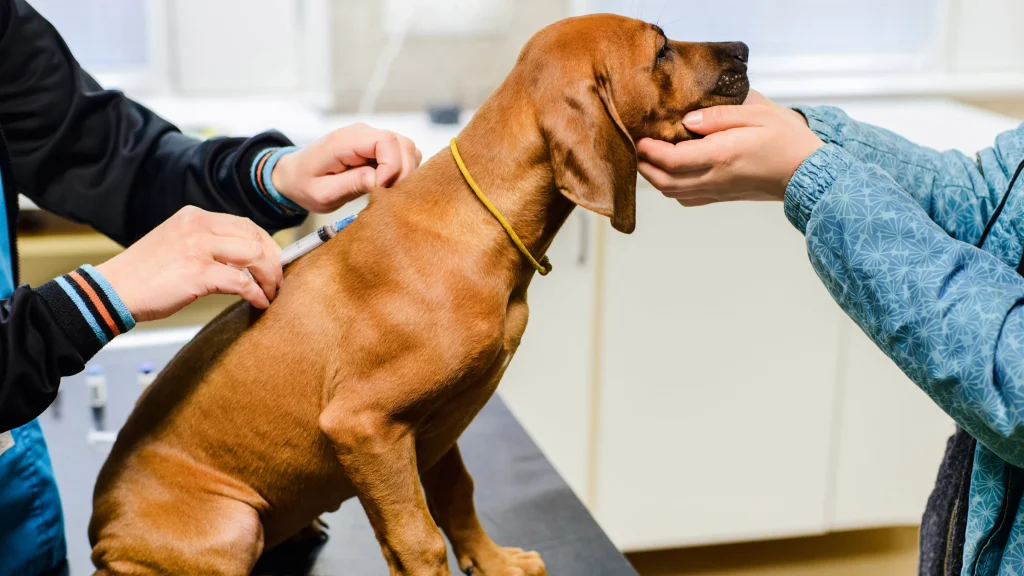
Have you ever wondered if you can catch kennel cough from your dog? If your furry friend has been coughing or sneezing, you might be worried about your own health.
Understanding how kennel cough works and whether it can jump from dogs to humans is important for keeping both you and your pet safe. Keep reading to discover the facts that every dog owner needs to know—so you can protect yourself without unnecessary fear.
What Is Kennel Cough
What Is Kennel Cough?
Kennel cough is a common respiratory infection that affects dogs. It causes a persistent, dry cough that often sounds like a honking noise. If you have dogs or spend time around them, it’s important to understand what kennel cough is and how it might affect your furry friend.
Many dog owners notice their pets coughing after visits to dog parks or kennels. This infection is highly contagious among dogs but raises a common question: can humans catch it from their dogs? Let’s start by understanding what causes kennel cough and how it spreads.
Causes And Symptoms In Dogs
Kennel cough is caused by a mix of bacteria and viruses, with Bordetella bronchisepticabeing the main bacterial culprit. Other viruses like parainfluenza and adenovirus can also contribute. These germs irritate the dog’s throat and airways, leading to inflammation.
Typical symptoms you might notice include:
- A strong, dry cough that may sound like a honking goose
- Gagging or retching, sometimes after coughing fits
- Sneezing and nasal discharge in some cases
- Occasional lethargy or mild fever
Most dogs with kennel cough remain active and eat normally, but the cough can last for weeks. Have you ever been startled by a dog’s sudden cough and wondered what triggered it? Recognizing these symptoms early can help you seek timely care.
How It Spreads Among Dogs
Kennel cough spreads quickly in places where dogs gather, such as kennels, dog parks, grooming salons, and daycare centers. The infection spreads through airborne droplets when an infected dog coughs or sneezes.
It can also spread via direct contact with an infected dog or by touching contaminated surfaces like water bowls, toys, or kennel walls. Dogs living in close quarters or those with weaker immune systems are more vulnerable.
Think about your dog’s social spots—are they at higher risk? Keeping your dog’s vaccinations up to date and avoiding crowded places during outbreaks can help reduce the risk. Understanding how kennel cough spreads is key to protecting your pet and other dogs around you.
Transmission To Humans
Understanding how kennel cough might spread to humans is important, especially if you live with or care for dogs. Knowing the risks helps you take the right precautions to protect your health without unnecessary worry. Let’s look closely at how this infection interacts with humans.
Zoonotic Potential Of Kennel Cough
Kennel cough is primarily a dog disease caused by a mix of bacteria and viruses. The main culprit is Bordetella bronchiseptica, a bacteria that can sometimes infect humans. However, the risk is very low for healthy people because the bacteria prefer dogs’ respiratory systems.
People with weakened immune systems, like those undergoing chemotherapy or with certain illnesses, might be more vulnerable. Still, transmission from dogs to humans is rare, and it usually requires close and prolonged contact. Simple hygiene, like washing your hands after playing with your dog, greatly reduces any chance of catching it.
Cases Of Human Infection
There have been a few reported instances where humans, especially those with compromised immunity, caught infections linked to kennel cough bacteria. These cases are exceptional rather than the rule and often involve symptoms similar to a mild respiratory infection.
Think about your own experience with your dog’s cough—have you ever felt unwell afterward? Most likely, the answer is no. This observation matches the medical evidence that kennel cough rarely jumps to humans.
Still, if you notice unusual cough or cold symptoms after close contact with an infected dog, it’s wise to consult a healthcare provider. They can determine if further testing or treatment is needed and help you manage the risk effectively.
Symptoms In Humans
Kennel cough is mainly a dog illness, but humans can catch it too. Symptoms in humans are usually mild. They often feel like a common cold. Knowing these signs helps to identify the infection early.
Signs To Watch For
- Dry cough that lasts for days
- Sore throat or mild irritation
- Runny or stuffy nose
- Low fever or chills
- Feeling tired or weak
- Occasional sneezing
These symptoms appear a few days after contact with an infected dog. They usually go away without serious problems. People with weak immune systems might feel worse.
Comparison With Dog Symptoms
| Symptom | In Dogs | In Humans |
|---|---|---|
| Cough | Strong, harsh, often with gagging | Dry, mild, less frequent |
| Fever | Common, can be high | Rare, usually low if present |
| Runny Nose | Frequent and thick discharge | Mild, clear or light discharge |
| Fatigue | Sometimes severe | Mild tiredness |
| Appetite Loss | Common | Rare |
Dogs show stronger symptoms than humans. Human infection is less severe and shorter. Most humans recover quickly with rest and care.
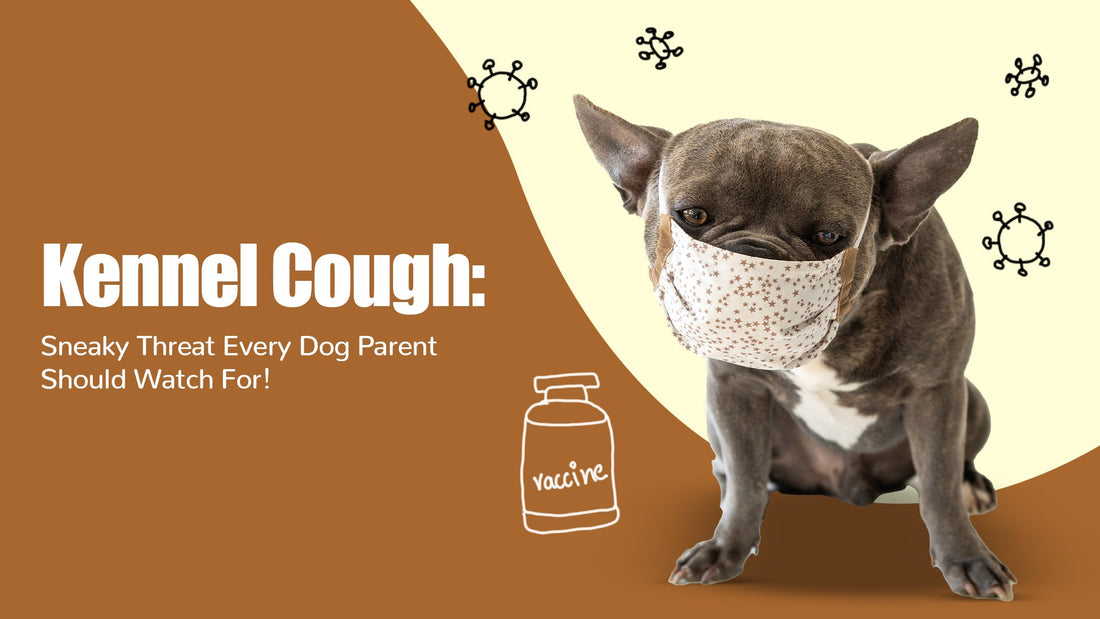
Credit: zigly.com
Risk Factors For Humans
Understanding the risk factors for humans is important when discussing kennel cough. This infection mainly affects dogs, but humans can face risks in certain conditions. Knowing who is more vulnerable and what situations increase risk helps prevent transmission. It also guides safe interactions with infected dogs.
Who Is Most Vulnerable
People with weak immune systems have the highest risk. This group includes:
- Young children whose bodies are still developing
- Elderly adults with weakened immunity
- People with chronic illnesses like asthma or diabetes
- Individuals undergoing treatments like chemotherapy
Those who work closely with dogs, such as veterinarians and shelter workers, also face higher risk. Their frequent contact with many dogs raises chances of exposure.
Situations That Increase Risk
Risk rises in crowded or enclosed spaces where dogs gather. Examples include:
- Dog parks with many pets in close contact
- Animal shelters with limited ventilation
- Pet grooming centers with high traffic
- Homes where a dog is already sick
Close contact with a coughing dog or sharing air in tight spaces makes transmission easier. Poor hygiene or lack of hand washing after handling dogs adds to the risk.
Prevention Methods
Preventing kennel cough is key to keeping both you and your dog safe. While kennel cough rarely spreads to humans, taking simple precautions can minimize any risk. Focus on practical steps that protect your health and maintain your dog’s well-being.
Protecting Yourself Around Dogs
Always wash your hands thoroughly after playing with or petting dogs, especially if they show signs of coughing or sneezing. Avoid close face-to-face contact with dogs that have respiratory symptoms. Consider wearing a mask if you are immunocompromised or have a weakened immune system.
Have you noticed how often you touch your face after petting your dog? Being mindful of this habit can reduce the chance of germs entering your body. Keep hand sanitizer handy during outdoor walks or visits to dog parks for quick use.
Keeping Dogs Healthy
Vaccinating your dog against kennel cough is one of the most effective ways to prevent the illness. Ask your vet about the appropriate vaccine schedule based on your dog’s lifestyle and exposure risk. Ensure your dog avoids crowded places where respiratory infections spread easily.
Regular grooming and cleaning your dog’s living space also help reduce bacteria and viruses. Pay attention to your dog’s behavior—early signs of kennel cough include persistent coughing and lethargy. Acting quickly by consulting your vet can stop the infection from worsening or spreading.

Credit: blog.bonsecours.com
Treatment Options
Treatment options for kennel cough focus on easing symptoms and preventing spread. Both dogs and humans need care to recover quickly. Knowing how to treat kennel cough helps protect your pet and family.
For Dogs With Kennel Cough
Most dogs recover with rest and simple care. Keep your dog calm and avoid exercise until they feel better. Provide plenty of fresh water to stay hydrated.
- Use prescribed cough suppressants to ease coughing.
- Antibiotics may be needed if a bacterial infection is present.
- Isolate your dog to stop spreading the illness to others.
- Maintain a clean environment to reduce germs.
Visit a vet if symptoms worsen or last more than two weeks.
For Humans Exposed Or Infected
Humans rarely catch kennel cough, but mild symptoms can occur. Rest is key to healing. Drink fluids to stay hydrated.
- Over-the-counter cough medicine can reduce irritation.
- Avoid close contact with dogs showing signs of illness.
- Wash hands thoroughly after handling pets.
- Seek medical advice if symptoms worsen or persist.
When To See A Doctor Or Vet
Knowing when to see a doctor or vet is important for both you and your dog. Kennel cough can cause discomfort and sometimes lead to more serious problems. Acting early helps prevent complications and ensures the right treatment.
Observe your dog and yourself carefully. Some symptoms need quick attention. Understanding the signs helps protect your health and your pet’s well-being.
Signs That Need Medical Attention
- Persistent coughing lasting more than two weeks
- Difficulty breathing or rapid breathing
- High fever in your dog or yourself
- Excessive weakness or lethargy
- Loss of appetite or dehydration
- Coughing up blood or unusual discharge
- Worsening symptoms despite rest and care
Diagnostic Procedures
Doctors and vets use tests to confirm kennel cough or other illnesses. These tests help find the right treatment.
- Physical exam to check breathing and throat
- Chest X-rays to view lungs and airways
- Throat swabs to detect bacteria or viruses
- Blood tests to check for infection signs
- Coughing samples for laboratory analysis
Early diagnosis supports quicker recovery. Don’t delay in seeking professional help if symptoms appear.

Credit: www.lilyskitchen.co.uk
Frequently Asked Questions
Can Humans Contract Kennel Cough From Dogs?
Yes, humans can contract kennel cough, though it’s rare. The risk is higher for people with weakened immune systems. Kennel cough is primarily a respiratory disease in dogs. Practicing good hygiene and keeping your dog’s vaccinations up to date can reduce the risk of transmission.
What Are The Symptoms Of Kennel Cough In Humans?
In humans, kennel cough symptoms resemble a mild respiratory infection. Common symptoms include a persistent cough, sore throat, and mild fever. These symptoms are generally mild and short-lived. If you suspect exposure, consult a healthcare professional for proper guidance and care.
How Can I Prevent Kennel Cough Transmission?
To prevent transmission, maintain good hygiene and avoid close contact with infected dogs. Keep your dog vaccinated against kennel cough. Regular veterinary check-ups and minimizing exposure to infected animals also help reduce the risk of spreading the disease.
Is Kennel Cough Dangerous To Humans?
Kennel cough is generally not dangerous to healthy humans. It can be more concerning for people with weakened immune systems or existing respiratory issues. Most cases are mild and resolve on their own without medical intervention. However, seek medical advice if symptoms persist or worsen.
Conclusion
Humans rarely catch kennel cough from dogs. The illness mainly spreads between dogs through close contact. People should still wash hands after petting dogs. Keeping dogs healthy helps protect both pets and people. Watch for symptoms in dogs and visit a vet if needed.
Staying informed keeps everyone safe and comfortable. Remember, simple care and hygiene make a big difference.

Emily Barker is the founder of ChillDogLife.com, a space dedicated to helping pup parents discover the best dog products, lifestyle tips, and cozy ideas for happier homes.
A lifelong dog lover, Emily combines her passion for pets with a knack for research to share trusted recommendations on everything from toys and furniture to health and everyday care.
Her goal is simple: to make life easier, stylish, and more joyful for dogs and the people who love them.




