
Bringing a rescue dog into your home is a wonderful decision, but it can come with unique challenges. One of the most helpful tools for both you and your dog is crate training.
If you’re wondering how to crate train a rescue dog, you’re in the right place. This guide will show you simple, effective steps to make your dog feel safe and comfortable in their new space. By the end, you’ll have the confidence to create a calm, happy environment for your furry friend.
Keep reading to discover how to turn crate training into a positive experience for both of you.
Credit: www.airtasker.com
Choosing The Right Crate
Choosing the right crate for your rescue dog can make all the difference in their comfort and safety. It’s not just about picking a box; it’s about finding a space that feels like a safe haven. Your dog's crate should support their physical size and emotional needs, encouraging them to settle in and feel secure.
Size And Comfort
The crate must be big enough for your dog to stand, turn around, and lie down comfortably. Too small, and they’ll feel trapped; too large, and they might use one end as a bathroom. Think about your dog’s current size and how much they might grow, especially if they’re a puppy or a young adult.
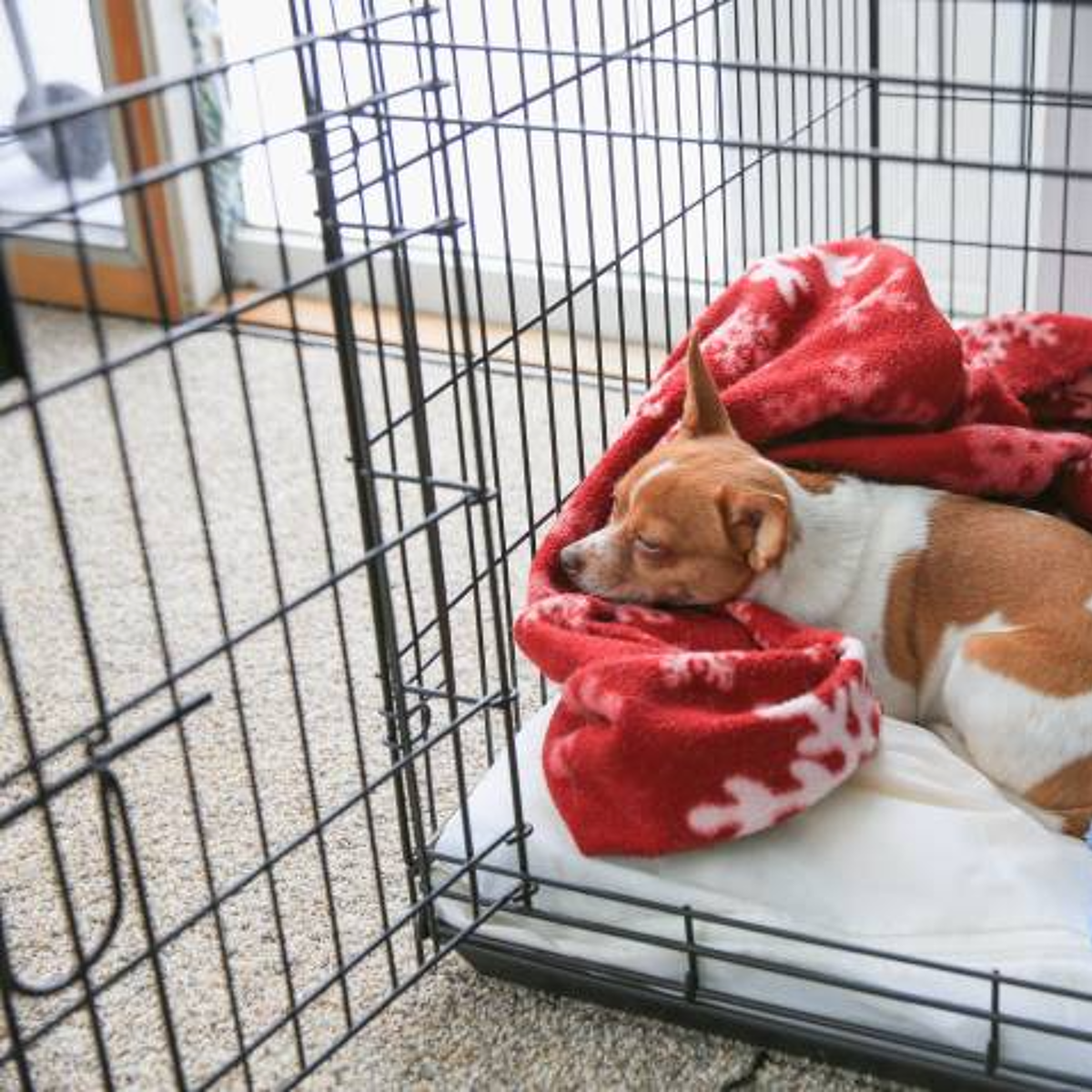
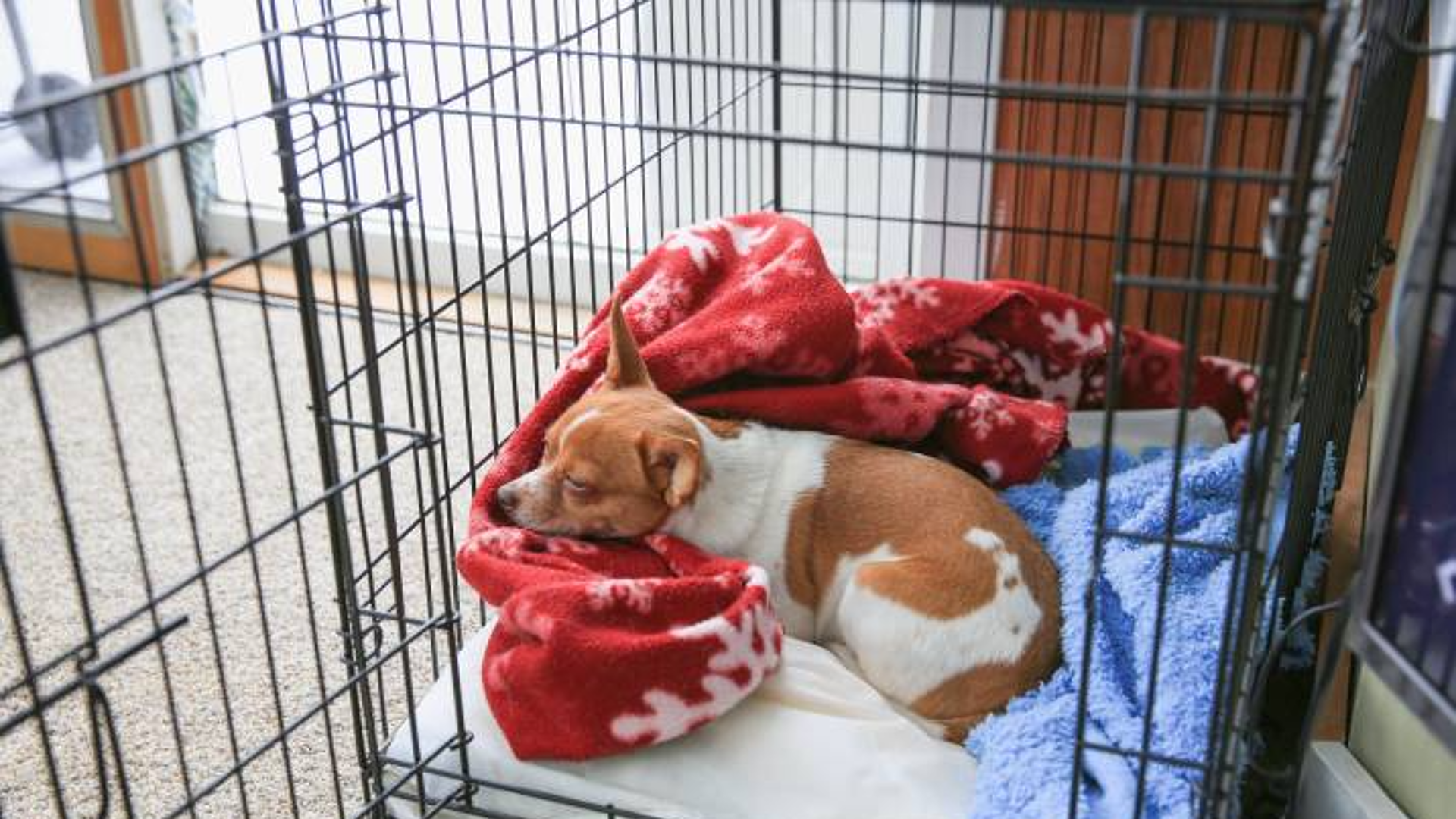
Adding soft bedding or a favorite blanket can make the crate inviting. If your rescue has anxiety, familiar scents can help calm them. Have you noticed how your dog reacts to certain textures? Use that insight to choose bedding that feels safe and cozy.
Types Of Crates
There are several crate types, each with pros and cons. Wire crates provide ventilation and visibility, which some dogs prefer. Plastic crates offer more privacy and are great for travel or dogs that like a den-like space.
Soft-sided crates are portable but may not suit dogs that chew or paw at the walls. Consider your dog’s temperament and habits. Does your rescue chew a lot? A sturdy wire crate might be safer. Is your dog shy and seeking a quiet hideaway? A plastic crate with a covered top could help them relax.
Safe Placement
Where you place the crate affects how your dog feels about it. A busy hallway might stress them out, while a quiet corner in the living room can feel like part of the family space. Avoid spots with direct sunlight or drafts.
Think about your dog’s personality. Do they want to watch the world go by, or do they prefer a calm, tucked-away spot? Try different locations and observe their behavior. Your rescue’s comfort can improve dramatically just by moving the crate to a better spot.
Preparing Your Rescue Dog
Preparing your rescue dog for crate training sets the stage for success. Rescue dogs may have past experiences that make new routines challenging. Patience and understanding help ease their transition. The goal is to create a safe and calm environment around the crate. This process takes time and gentle effort.
Building Trust
Trust is the foundation of any relationship with a rescue dog. Spend quiet moments near your dog without forcing interaction. Speak softly and move slowly to avoid startling them. Offer treats and praise for calm behavior. Show that the crate is a positive space, not a place of punishment. Trust grows with consistent kindness and care.
Observing Behavior
Watch your dog closely to understand their feelings about new objects and spaces. Notice signs of stress like whining, pacing, or avoidance. Pay attention to moments when your dog seems curious or relaxed. Use these clues to adjust how you introduce the crate. Observing helps you respond with empathy and patience.
Introducing The Crate Slowly
Let your dog explore the crate at their own pace. Keep the door open and place treats inside to invite them in. Add a soft blanket or toy to make it cozy. Avoid pushing your dog inside; allow them to enter willingly. Gradually increase the time your dog spends near and inside the crate. Slow introduction builds comfort and reduces fear.
Starting Crate Training
Starting crate training with a rescue dog requires patience and kindness. The goal is to make the crate a safe and comfortable place. This helps reduce stress and builds trust between you and your dog. Begin by introducing the crate slowly and positively.
Using Positive Reinforcement
Use treats and praise to encourage your dog to enter the crate. Let your dog explore the crate without forcing them inside. Reward any signs of curiosity or calm behavior near the crate. This helps your dog associate the crate with good things. Keep the tone happy and gentle to build positive feelings.
Short Sessions
Start with very short times inside the crate. Just a few minutes at first. Gradually increase the time as your dog feels more comfortable. Never leave your dog in the crate too long at the start. Short sessions prevent fear and frustration. Watch your dog’s body language for signs of stress.
Meal Time In The Crate
Feed your dog meals inside the crate to create a positive link. Begin by placing the food bowl near the crate entrance. Slowly move the bowl further inside over several meals. This encourages your dog to enter the crate happily. Meal times become a reward and help build a calm routine.
Credit: www.airtasker.com
Managing Challenges
Managing challenges during crate training can test your patience and determination. Rescue dogs often carry fears and past experiences that make crate training more complex. Understanding these obstacles helps you stay calm and find solutions that work for both you and your dog.
Dealing With Anxiety
Many rescue dogs feel anxious about the crate at first. You can ease this by making the crate a positive space. Try placing treats, favorite toys, or soft blankets inside to encourage your dog to enter willingly.
If your dog whines or scratches at the crate door, resist the urge to let them out immediately. This can teach them that anxiety leads to freedom, which reinforces fear. Instead, wait for a calm moment before opening the door.
Have you noticed your dog relax when you sit quietly nearby? Staying close without forcing interaction builds trust and reduces stress over time.
Handling Resistance
Resistance can look like refusing to enter, barking, or even trying to escape. Stay patient and avoid forcing your dog into the crate. Let them explore the crate at their own pace.
Try feeding meals near or inside the crate to create a positive association. Gradually increase the time your dog spends inside while you’re nearby. Celebrate small victories like stepping into the crate or resting quietly for a minute.
What small sign of progress did you notice today? Recognizing these moments keeps you motivated and focused.
Avoiding Common Mistakes
- Using the crate as punishment:This creates fear and resistance, making training harder.
- Leaving your dog in the crate too long:Overuse can cause distress and damage trust.
- Ignoring your dog’s body language:Watch for signs of stress and adjust your approach accordingly.
One rescue dog I worked with panicked when locked alone, but by reducing crate time and staying close, trust slowly grew. What mistakes might you be unknowingly making that hold your dog back?
Establishing A Routine
Establishing a routine is key to successful crate training for rescue dogs. A steady schedule helps your dog feel safe and understand what to expect. Routine reduces anxiety and builds trust between you and your dog.
Start by setting specific times for crate use. This consistency makes your dog comfortable. It also helps create a habit, making crate time a natural part of your dog’s day.
Consistent Schedule
Choose fixed times for crate breaks, meals, and play. Keep these times the same every day. This predictability helps your dog adjust quickly. Your dog will learn when crate time begins and ends. Consistency builds confidence and reduces stress.
Nighttime Crate Use
Use the crate at night to provide a safe space. Place the crate in a quiet, comfortable area. Keep the same bedtime and wake-up time. Nighttime crate use helps your dog sleep better. It also prevents accidents by setting clear boundaries.
Gradual Increase In Time
Start with short periods inside the crate. Slowly increase the time over several days or weeks. This gradual approach avoids overwhelming your dog. It builds tolerance and comfort step by step. Watch your dog’s behavior and adjust as needed.
Maintaining Crate Training Success
Maintaining crate training success with your rescue dog is just as important as the initial training phase. It requires ongoing effort, patience, and attention to your dog’s evolving needs. Keeping the crate a positive and safe space will help your dog feel secure and comfortable for years to come.
Regular Positive Experiences
Keep the crate inviting by regularly adding treats, toys, or a cozy blanket. Never use the crate as punishment; your dog should always associate it with good things. Try feeding meals inside the crate to create a positive connection.
Have you noticed how your dog’s tail wags when they enter the crate eagerly? That’s a sign you’re building trust. Make the crate a place where your dog chooses to rest, not just a place they’re told to go.
Adjusting As Needed
Your rescue dog’s comfort and needs might change over time. Pay attention if they start showing signs of stress or reluctance. You might need to adjust the crate size, location, or how long they spend inside.
For example, if your dog seems restless, try moving the crate closer to family activity areas during the day. If the crate feels too small as your dog grows, upgrade to a bigger one. Flexibility keeps the crate experience positive and tailored to your dog.
Celebrating Progress
Recognize every small win in your dog’s crate training journey. Whether it’s spending a few more minutes calmly inside or walking into the crate without hesitation, these moments matter. Reward your dog with praise, treats, or playtime to reinforce good behavior.
Have you marked milestones like your dog’s first full nap in the crate? Celebrating progress motivates both you and your dog. It turns training into a shared success story.

Credit: www.monsterk9.com
Frequently Asked Questions
What Are The Benefits Of Crate Training A Rescue Dog?
Crate training provides a safe space for your rescue dog. It helps with house training and reduces anxiety. A crate mimics a den environment, offering comfort. It aids in establishing a routine, making transitions easier. Overall, it’s an effective tool for behavior management.
How Long Should Crate Training Take?
Crate training duration varies for each dog. It often takes a few weeks. Start with short periods and gradually increase. Consistency is key for successful training. Patience and positive reinforcement accelerate the process. Never rush or force your dog into the crate.
Can Crate Training Help With Separation Anxiety?
Yes, crate training can help alleviate separation anxiety. It provides a sense of security and comfort. When done correctly, it helps dogs feel safe when alone. Introduce the crate gradually and use positive reinforcement. Ensure the crate is a positive experience for your dog.
What Size Crate Is Ideal For A Rescue Dog?
Choose a crate that allows your dog to stand, turn, and lie comfortably. Measure your dog’s height and length for accuracy. Avoid too much extra space, as it may lead to accidents. Adjustable crates can grow with your dog, providing a long-term solution.
Conclusion
Crate training a rescue dog takes time and patience. Stay calm and consistent every day. Use positive words and gentle praise to encourage good behavior. Let your dog explore the crate at their own pace. Remember, the crate is a safe place, not a punishment.
Celebrate small wins and keep sessions short. Trust will grow with kindness and care. Your rescue dog will learn to love their new space. Enjoy the journey together and build a strong bond.

Emily Barker is the founder of ChillDogLife.com, a space dedicated to helping pup parents discover the best dog products, lifestyle tips, and cozy ideas for happier homes.
A lifelong dog lover, Emily combines her passion for pets with a knack for research to share trusted recommendations on everything from toys and furniture to health and everyday care.
Her goal is simple: to make life easier, stylish, and more joyful for dogs and the people who love them.




