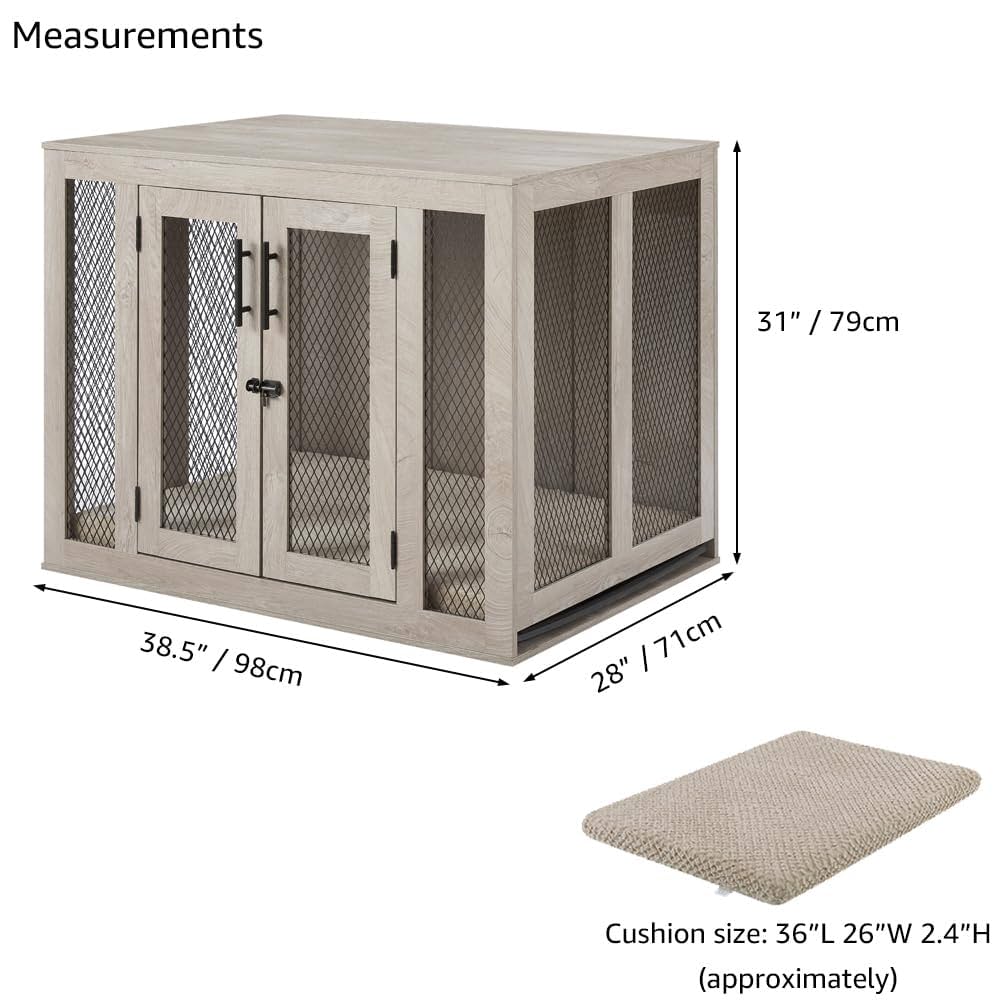
Choosing the right kennel size for your dog is more important than you might think. If your dog’s kennel is too small, they’ll feel cramped and uncomfortable.
Too big, and it might not feel like a safe, cozy space. You want a kennel that feels just right—like a perfect little home for your furry friend. You’ll discover exactly how to find the best size kennel for your dog, so they stay happy, safe, and comfortable every time they step inside.
Keep reading, because getting this right can make a big difference in your dog’s well-being.
Choosing The Right Kennel Size
Choosing the right kennel size is key for your dog's comfort and safety. A kennel too small feels cramped. Too large can cause anxiety or accidents. The perfect size lets your dog stand, turn, and lie down easily. This section helps you find the right fit for your furry friend.
Measuring Your Dog
Start by measuring your dog accurately. Measure from the tip of the nose to the base of the tail. Also, measure your dog’s height from the floor to the top of the head or ears.
Use a tape measure and note these numbers. Add a few inches to each measurement for comfort. This ensures the kennel is spacious enough for your dog’s movements.
Considering Breed And Growth
Think about your dog’s breed size and growth potential. Puppies grow fast and need extra space. Large breeds require bigger kennels even as adults.
Check breed standards for average sizes. Pick a kennel that fits your dog at full growth. This avoids buying new kennels often.
Purpose Of The Kennel
Identify why you need the kennel. Is it for travel, training, or home use? Travel kennels must fit airline rules and be portable. Home kennels can be larger and sturdier.
Consider your dog’s habits too. Some dogs like more room to stretch. Others prefer a cozy, smaller space to feel secure.
Kennel Size Standards
Choosing the right kennel size matters for your dog’s comfort and safety. Kennel size standards help guide pet owners in selecting the best fit. Each dog size category has specific measurements to ensure enough space for movement and rest. Proper kennel sizing avoids stress and promotes well-being.
Small Dog Kennels
Small dog kennels usually suit dogs weighing under 20 pounds. These kennels often measure around 24 inches long, 18 inches wide, and 19 inches high. They provide enough room for small dogs to sit, stand, and turn around easily. Examples of small breeds include Chihuahuas, Pomeranians, and Yorkshire Terriers.
Medium Dog Kennels
Medium dog kennels fit dogs weighing between 20 and 50 pounds. Typical dimensions are about 30 inches long, 21 inches wide, and 24 inches high. These sizes allow dogs to lie down and stretch comfortably. Breeds like Beagles, Cocker Spaniels, and Bulldogs fit well in medium kennels.
Large Dog Kennels
Large dog kennels accommodate dogs weighing 50 to 90 pounds. Common sizes are 36 inches long, 24 inches wide, and 27 inches high. These kennels give enough space for dogs to move freely and rest calmly. Labrador Retrievers, Boxers, and Golden Retrievers are examples of large dogs.
Extra Large Dog Kennels
Extra large kennels suit dogs over 90 pounds. They often measure 42 inches long, 28 inches wide, and 31 inches high or more. These kennels provide ample space for big breeds to stay comfortable. Great Danes, Saint Bernards, and Mastiffs need extra large kennels.
Factors Affecting Kennel Size
Choosing the right kennel size depends on several important factors. Each dog has unique needs that affect how much space they require. Understanding these factors helps provide comfort and safety for your pet. The kennel should fit your dog’s lifestyle and living environment.
Dog’s Age And Activity Level
Puppies need more space to move and play inside the kennel. Older dogs may prefer smaller, cozier spaces to rest. Active dogs require larger kennels for stretching and turning around. Less active dogs can do well in moderately sized kennels. Adjust the size based on your dog’s energy and mobility.
Duration Of Kennel Use
Short stays in the kennel call for smaller spaces. Long-term confinement needs more room for comfort. Dogs spending many hours inside need space to lie down and stand easily. Provide enough room to avoid stress or discomfort during long use.
Indoor Vs Outdoor Kennels
Outdoor kennels should be larger for extra movement and exercise. Weather protection also matters for outdoor kennels. Indoor kennels can be smaller but must allow good ventilation. Consider your dog’s safety and comfort based on the kennel location.
Measuring Your Dog Correctly
Measuring your dog correctly is crucial to choosing the right kennel size. A kennel that’s too small can make your dog uncomfortable, while one that’s too large might not feel secure. Taking accurate measurements ensures your furry friend has a safe and cozy space.
Height And Length Measurements
Start by measuring your dog’s height from the floor to the top of their head or ears—whichever is higher. Next, measure the length from the tip of the nose to the base of the tail. These dimensions help determine the minimum kennel size your dog needs to stand, turn around, and lie down comfortably.
Use a soft tape measure or a ruler for precise results. If your dog has a fluffy coat, measure close to the skin for accuracy. Have you noticed how some dogs stretch out longer when relaxed? Keep that in mind while measuring length.
Weight Considerations
Your dog’s weight plays a role in kennel choice, too. Heavier dogs may require sturdier kennels with stronger materials and secure locks. Light-weight kennels might not hold up well under a large dog’s weight or activity level.
Knowing your dog’s weight helps you pick a kennel designed for their size class. This prevents damage and keeps your dog safe. Have you ever seen a kennel buckle under pressure? Avoid that by matching weight capacity carefully.
Comfort Space Requirements
Comfort is more than just fitting your dog inside the kennel. Your dog needs enough room to sit, stand, turn, and stretch without feeling cramped. Add a few extra inches to your measurements to provide this freedom.
- Allow about 2-4 inches of extra height and length beyond your dog’s measurements.
- Consider your dog’s favorite resting positions to ensure space.
- Think about adding room for a bed or blanket inside the kennel.
Imagine your dog trying to curl up or shift positions in a tight space. Would you want to stay in a tiny box all day? Giving your dog that extra space shows you care about their comfort.
Types Of Kennels And Their Sizes
Choosing the right type of kennel for your dog is as important as picking the right size. Different kennels offer various benefits depending on your dog’s needs, space availability, and your lifestyle. Understanding the common types and their size options helps you make a smart choice that keeps your dog comfortable and safe.
Soft-sided Kennels
Soft-sided kennels are lightweight and easy to carry. They usually come in sizes ranging from small (20 inches) to large (36 inches) to fit dogs of various breeds. These kennels offer good ventilation with mesh sides, making them ideal for indoor use or short trips.
If your dog enjoys a cozy, enclosed space, soft-sided kennels can provide a comforting environment. However, they are less durable for dogs that chew or scratch. Have you noticed how your dog reacts to softer materials? This can guide your choice here.
Wire Kennels
Wire kennels are sturdy and provide excellent ventilation and visibility. They come in sizes from 24 inches to 48 inches, suitable for small to extra-large dogs. Adjustable dividers allow you to customize the space as your puppy grows, saving money in the long run.
Wire kennels are easy to clean and fold for storage, making them practical for home use. If your dog needs a secure area to prevent escape, wire kennels are a reliable option. Have you considered how much space your dog needs to stand, turn around, and lie down comfortably?
Plastic Crates
Plastic crates are solid and offer a cozy den-like environment for dogs. They come in a wide range of sizes, from 16 inches for small breeds to 48 inches for large breeds. Many airlines require plastic crates for pet travel because they provide extra security.
These crates often have one or two doors and good ventilation on the sides. If your dog feels anxious, a plastic crate might help them feel safer. Do you know if your dog prefers a more enclosed space or an open one?
Travel Kennels
Travel kennels are designed specifically for transporting dogs safely in cars or planes. Sizes vary widely, from small carriers for tiny dogs to large ones for big breeds. Many come with straps, wheels, or handles for easy mobility.
They focus on durability and comfort during travel, often made from hard plastic or reinforced materials. If you travel frequently, investing in a travel kennel that meets airline regulations is essential. How often do you plan to travel with your dog?

Credit: www.amazon.ca
Adjusting Kennel Size For Puppies
Adjusting kennel size for puppies is vital for their comfort and safety. Puppies grow fast and need space that fits their current size. A kennel too big or small can cause stress or accidents. Planning kennel size helps create a calm, secure space for your puppy.
Growth Rate Predictions
Understanding your puppy’s breed helps predict its growth rate. Small breeds grow quickly but reach a small adult size. Large breeds grow slower but end up much bigger. Knowing this guides choosing kennel sizes at each stage.
Track your puppy’s weight weekly. Compare it with breed growth charts. This info helps estimate when to increase kennel space. Adjust kennel size before your puppy feels cramped or uncomfortable.
Using Dividers
Dividers help create flexible kennel space. They make a large kennel feel smaller and cozy. Use dividers to section off an area your puppy fits now. Move the divider as the puppy grows.
Dividers save money by avoiding frequent kennel replacements. They keep the puppy from using the whole kennel as a bathroom. This supports good potty training habits.
Transitioning To Larger Kennels
Switch to a larger kennel when your puppy outgrows the current one. Watch for signs like limited movement or discomfort. Gradually introduce the bigger kennel to reduce anxiety.
Place familiar bedding and toys in the new kennel. Let your puppy explore the space with the door open. Close the door for short times to build comfort. This smooth transition supports healthy growth and well-being.
Kennel Safety And Comfort
Ensuring your dog’s kennel is both safe and comfortable is key to their well-being. A kennel should feel like a cozy retreat rather than a restrictive cage. Paying attention to details like airflow, bedding, and space can make a big difference in how your dog experiences their kennel time.
Ventilation And Airflow
Good ventilation prevents stuffiness and keeps fresh air circulating inside the kennel. Without proper airflow, your dog could become overheated or uncomfortable, especially during warmer months. Look for kennels with mesh panels or vents that allow air to move freely without exposing your dog to drafts.
Have you noticed how your dog reacts on hot days in a poorly ventilated space? Their restlessness can be a sign they need better airflow. A well-ventilated kennel helps regulate temperature and keeps your pet calm and relaxed.
Padding And Bedding Options
Adding padding or bedding makes the kennel a soft, inviting place to rest. Simple foam mats, orthopedic beds, or even a few layers of blankets can cushion your dog against hard surfaces. Choose materials that are easy to clean and resistant to odors.
Think about your dog’s age and health. Older dogs may need extra support to ease joint pain, while puppies might prefer something plush and warm. Your dog’s comfort directly influences their willingness to spend time in the kennel.
Avoiding Overcrowding
Each dog needs enough room to stand, turn around, and lie down comfortably. Overcrowding can cause stress, anxiety, and even injuries. Measure your dog’s length and height, then add extra space to ensure they aren’t cramped.
Does your dog pace or seem restless in their kennel? It might be a sign they need more space. Giving your dog room to move freely inside their kennel boosts their sense of security and well-being.
Common Kennel Size Mistakes
Choosing the right kennel size for a dog is not always simple. Many dog owners make common mistakes that affect their pet’s comfort and safety. Picking the wrong size kennel can cause stress or injury. Understanding these errors helps avoid problems and ensures the dog feels secure.
Choosing Too Small Kennels
Small kennels restrict a dog’s movement and cause discomfort. Dogs need enough space to stand, turn, and lie down easily. A tight kennel can lead to anxiety and physical issues. Always measure your dog’s height and length before selecting a kennel.
Ignoring Dog’s Behavior
Every dog has a unique personality and habits. Some dogs like to stretch or move around more inside the kennel. Others prefer a cozy, tight space. Ignoring these behaviors can make a kennel unsuitable. Observe your dog’s habits before deciding on the kennel size.
Overestimating Space Needs
Oversized kennels may seem comfortable but can cause safety risks. Large kennels allow dogs to move too much, increasing injury chances during travel. Dogs may also feel less secure in too much open space. Balance space needs with safety and comfort.
Tips For Testing Kennel Fit
Choosing the right kennel size is more than just measurements on paper. Testing the fit with your dog ensures comfort, safety, and a stress-free environment. Here are some practical tips to help you assess if the kennel truly suits your furry friend.
Allowing Free Movement
Watch your dog inside the kennel. Can they stand up, turn around, and lie down comfortably? If your dog struggles to change position, the kennel is too small.
Try placing a favorite blanket or toy inside to encourage natural movement. If your dog avoids entering or seems cramped, it’s a clear sign the space isn’t right.
Checking For Stress Signals
Observe your dog’s behavior closely. Signs like excessive panting, whining, or scratching at the kennel walls suggest discomfort or anxiety.
Some dogs might freeze or avoid eye contact when stressed. Have you noticed your dog acting differently inside the kennel compared to outside? That difference can reveal a lot about the fit.
Trial Periods
Give your dog time to adjust by using the kennel for short periods initially. Gradually increase the duration while monitoring their comfort levels.
If your dog settles down, relaxes, and even sleeps inside, the kennel is likely a good fit. If not, don’t hesitate to try a different size or style to better suit their needs.

Credit: www.amazon.ca
Custom Kennels And Alternatives
Choosing the right kennel size is crucial, but sometimes standard options don’t fit your dog’s unique needs or your available space. Custom kennels offer flexibility to create the perfect environment for your dog. Plus, there are alternatives that provide convenience without sacrificing comfort.
Building Custom Sizes
Custom kennels let you tailor the size exactly to your dog’s measurements. You can account for their height, length, and even room to stretch or play. Many pet owners find that custom sizes prevent discomfort and reduce anxiety in dogs.
Consider materials and ventilation when planning your custom kennel. Do you want a wooden frame for aesthetics or metal for durability? Think about how easy it will be to clean and if the kennel will fit your home or yard.
Kennel Accessories
Add accessories that improve your dog’s comfort and safety. Elevated beds keep your pet off cold floors, while removable trays make cleaning easier. Water and food bowls attached inside the kennel prevent spills and messes.
Don’t forget about visibility and security. Adding mesh windows or clear panels lets your dog see outside, reducing stress. Locks and sturdy latches keep your dog safe and secure during travel or outdoor stays.
Portable And Collapsible Options
If you travel often or need flexibility, portable kennels are a smart choice. They fold down easily for storage and can be carried like a suitcase. These kennels often come with lightweight materials and breathable mesh sides.
Collapsible kennels work well for short-term use or when space is limited. They aren’t as durable as custom builds but offer quick setup and breakdown. Have you tried a portable kennel during a trip? Many pet owners find them a lifesaver for stress-free travel.

Credit: carlsonpetproducts.com
Frequently Asked Questions
What Size Kennel For A Medium Dog?
For a medium dog, choose a kennel around 36 inches in length. Ensure it’s spacious enough for the dog to stand, turn, and lie comfortably. Proper sizing ensures comfort and safety, preventing anxiety. Measure your dog from nose to tail and add a few inches for optimal fit.
How To Measure My Dog For A Kennel?
Measure your dog from nose to base of tail for length. For height, measure from floor to top of head. Add 2-4 inches to these measurements. This ensures your dog has enough space to move comfortably within the kennel, promoting a stress-free environment.
Can A Kennel Be Too Big For A Dog?
Yes, a kennel can be too big. An oversized kennel might lead to anxiety or accidents. Dogs feel secure in a cozy, properly sized space. Ensure the kennel allows your dog to stand, turn, and lie comfortably without excessive extra room, promoting a sense of safety.
Is A Soft Or Hard Kennel Better?
A hard kennel is better for durability and safety. They’re ideal for travel and offer more protection. Soft kennels are lightweight and good for calm dogs at home. Consider your dog’s temperament and your needs when choosing between the two types.
Conclusion
Choosing the right kennel size keeps your dog safe and happy. It gives them room to move and rest comfortably. Too small feels cramped; too big may feel empty. Measure your dog’s height and length before buying. Think about your dog’s breed and age too.
A proper kennel helps with training and travel ease. Your dog deserves a cozy, secure space. This simple step improves their daily life a lot. Keep your dog’s comfort as your top priority.

Emily Barker is the founder of ChillDogLife.com, a space dedicated to helping pup parents discover the best dog products, lifestyle tips, and cozy ideas for happier homes.
A lifelong dog lover, Emily combines her passion for pets with a knack for research to share trusted recommendations on everything from toys and furniture to health and everyday care.
Her goal is simple: to make life easier, stylish, and more joyful for dogs and the people who love them.




