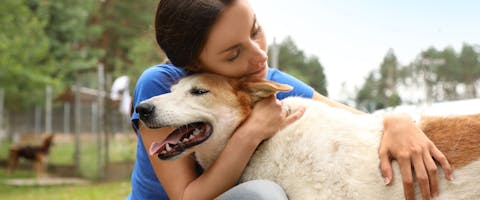
Bringing a rescue dog into your home is an exciting and rewarding experience. But if you want your new furry friend to feel comfortable and happy, house training is a must.
You might be wondering how to start or if it’s even possible with a dog who’s had a rough past. The good news is, with patience and the right approach, you can teach your rescue dog to be clean and well-behaved.
You’ll discover simple, effective steps to house train your rescue dog and build a strong bond that lasts. Ready to make your home a happy place for both you and your dog? Let’s dive in.
:strip_icc()/training-with-dog-168324716-5830b7543df78c6f6aabb91f.jpg)
Credit: www.thesprucepets.com
Preparing Your Home
Preparing your home is the first important step to house train a rescue dog. A calm and organized environment helps your new dog feel safe and confident. Setting up the right space and supplies makes training easier and more effective. Consistency is key to building good habits quickly.
Create A Safe Space
Choose a quiet area where your dog can relax without stress. Use a crate or a small room to limit their space at first. This helps reduce accidents and gives your dog a safe spot to retreat. Keep the space clean and free from hazards. Add a soft bed and some toys to make it comfortable.
Gather Essential Supplies
Prepare all the tools you need before training begins. Some essential items include:
- Leash and collar or harness
- Food and water bowls
- Crate or playpen
- Cleaning supplies for accidents
- Training treats
- Chew toys
Having these ready helps keep the process smooth and stress-free.
Establish A Routine
Dogs thrive on routine and clear expectations. Set regular times for feeding, potty breaks, play, and rest. Take your dog outside often, especially after meals and naps. Consistent schedules teach your dog when and where to go to the bathroom. Patience and repetition build trust and good behavior.

Credit: www.dwdogtraining.com
Building Trust And Bonding
Building trust and bonding with your rescue dog is the foundation of successful house training. Your dog needs to feel safe and valued before it can confidently learn new behaviors. Establishing this connection takes time, but it makes every training session more effective and enjoyable for both of you.
Spend Quality Time
Spend time with your dog every day doing simple activities like gentle petting, short walks, or playing with toys. These moments help your dog see you as a friend, not just a caretaker. Have you noticed how your dog’s tail wags more when you sit quietly together?
Try to create a calm environment without distractions during your time together. This focus helps your dog feel secure and more willing to learn. Even 10 to 15 minutes can make a big difference in building your relationship.
Use Positive Reinforcement
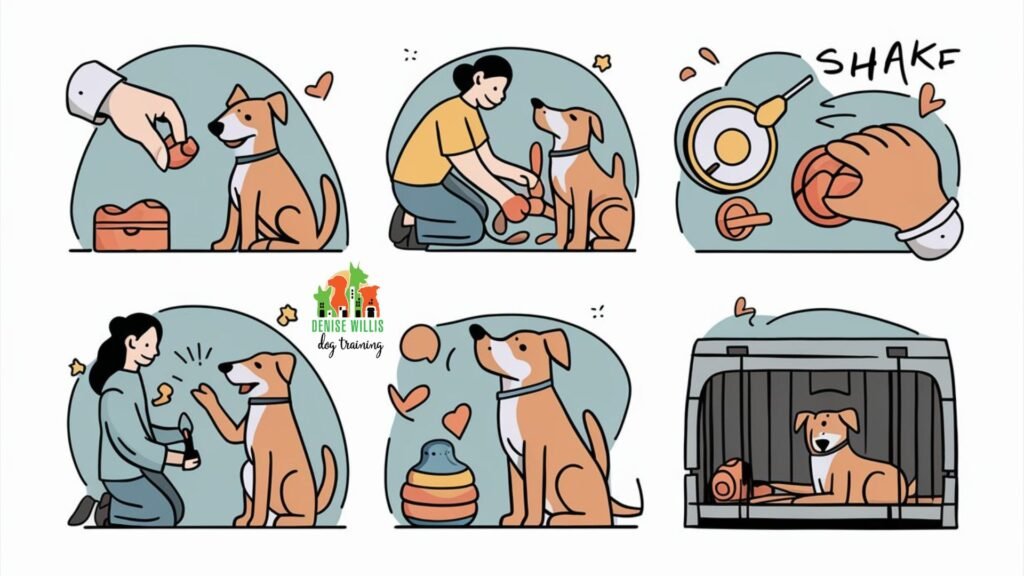
Reward your dog with treats, praise, or affection whenever it shows good behavior. Positive reinforcement teaches your dog what you want without fear or confusion. Have you caught your dog doing something right and rewarded it immediately? That timing is key.
Use clear and consistent signals like a happy tone or a specific word, so your dog connects the reward with the action. Avoid punishment or harsh words, as they break trust and slow progress.
Be Patient And Consistent
Remember that rescue dogs often come with past fears or traumas. Your patience shows your dog it’s safe to trust you. Consistency in your actions and commands helps your dog understand what to expect every day.
Set a routine for feeding, potty breaks, and training sessions. This structure gives your dog confidence and reduces anxiety. How can you keep calm and steady when progress seems slow? Your calm energy is exactly what your dog needs most.
Effective House Training Techniques
House training a rescue dog requires patience and consistent efforts. Effective techniques help your dog learn where and when to go outside. Clear routines and positive reinforcement play key roles. Understanding your dog’s needs supports faster progress. The following techniques guide you through this process smoothly.
Set A Bathroom Schedule
Create a regular schedule for bathroom breaks. Take your dog outside first thing in the morning. Offer chances to go out after meals and naps. Consistent timing helps your dog understand when to expect bathroom trips. Stick to this routine every day to build good habits.
Recognize Signs Your Dog Needs To Go
Watch for signals that your dog needs to relieve itself. Common signs include sniffing, circling, or pacing near the door. Your dog may whine or scratch at the exit. Catching these signs early helps prevent accidents inside. Respond quickly by taking your dog outside.
Use Crate Training
Introduce a crate as a safe, comfortable space. Dogs usually avoid soiling their sleeping area. Use the crate for short periods while supervising. Gradually increase crate time as your dog adapts. This method supports bladder control and teaches discipline.
Handle Accidents Properly
Accidents happen; stay calm and patient. Clean the area thoroughly to remove odors. Avoid punishment, which can cause fear or confusion. Instead, gently redirect your dog to the right spot. Praise your dog when they go outside correctly.
Dealing With Common Challenges
House training a rescue dog is rewarding, but it comes with its unique set of challenges. Rescue dogs often carry emotional baggage that can affect their learning curve. Recognizing and addressing these hurdles early can make your training journey smoother and more successful.
Managing Anxiety And Fear
Many rescue dogs arrive with anxiety or fear from past experiences. This can cause accidents or reluctance to follow your routines. To ease their stress, create a calm environment and stick to consistent schedules.
Use positive reinforcement to build trust. Reward your dog with treats or praise when they show calm behavior or follow commands. Patience is key—never punish accidents, as this can increase their fear and hinder progress.
Addressing Regression
Even well-trained rescue dogs can experience regression, especially during stressful changes. You might notice your dog suddenly having accidents or ignoring commands. This is often a sign of insecurity or confusion.
When this happens, return to basics. Reinforce house rules gently and provide extra reassurance. Ask yourself: Are there new stressors in your dog’s environment? Adjust your approach to reduce those triggers.
Handling Stubborn Behavior
Stubbornness can be a defense mechanism in rescue dogs, often stemming from previous neglect or inconsistency. If your dog resists training, try varying your methods. Sometimes switching from verbal commands to hand signals or changing reward types can spark interest.
Consistency paired with empathy works best. Remember, your dog isn’t being difficult on purpose—they’re learning to trust you. How can you turn moments of resistance into opportunities for connection?
When To Seek Professional Help
Sometimes, house training a rescue dog can be tough. Some dogs may have habits or fears that are hard to fix alone. Knowing when to get help saves time and stress. Professionals offer skills and experience that improve your dog’s progress.
Identifying Behavioral Issues
Watch for signs that training is not working well. Your dog may:
- Have accidents indoors often
- Show fear or anxiety around the house
- Act aggressively or shy in certain places
- Refuse to follow basic commands
- Display repetitive or unusual behaviors
These behaviors may need expert attention. Early help prevents problems from getting worse.
Choosing A Trainer Or Behaviorist
Pick a professional with good experience in rescue dogs. Check their methods to ensure kindness and patience. Ask about:
- Certifications or credentials
- Experience with similar dog issues
- Training style and approach
- Reviews from other dog owners
A good trainer works with your dog’s needs and personality. Trust and comfort between you, your dog, and the trainer matter most.
Credit: www.dwdogtraining.com
Frequently Asked Questions
How Long Does House Training A Rescue Dog Take?
House training a rescue dog usually takes several weeks to a few months. Consistency and patience are key during this process. Every dog is different, so the timeline can vary. Some dogs adapt quickly, while others need more time. Establishing a routine and positive reinforcement can speed up the process.
What Is The Best Method To House Train?
The best method is consistent and positive reinforcement. Take your dog outside frequently, especially after meals and naps. Reward them with treats and praise when they eliminate outdoors. Avoid punishment for accidents indoors. Consistency, patience, and understanding your dog’s signals are crucial for successful house training.
How Can I Prevent Accidents Indoors?
Preventing accidents involves supervision and a regular schedule. Keep your rescue dog on a consistent feeding and bathroom routine. Supervise them indoors, and confine them to a safe area when you’re not around. Clean accidents promptly to remove odors. Gradually increase their freedom as they become more reliable.
Can Older Rescue Dogs Be House Trained?
Yes, older rescue dogs can be house trained with patience and consistency. They may take longer due to established habits. Use the same methods as you would with a puppy. Be patient, and understand their specific needs. Positive reinforcement and routine help older dogs adapt to house training effectively.
Conclusion
House training a rescue dog takes time and patience. Stay calm and consistent every day. Celebrate small wins and learn from mistakes. Your dog will trust you more with kindness. A clean, safe space helps your dog learn faster. Remember, every dog is different and learns at its own pace.
Enjoy the journey of building a strong bond. Rescue dogs can become great pets with love and care. Keep trying, and success will come with effort.

Emily Barker is the founder of ChillDogLife.com, a space dedicated to helping pup parents discover the best dog products, lifestyle tips, and cozy ideas for happier homes.
A lifelong dog lover, Emily combines her passion for pets with a knack for research to share trusted recommendations on everything from toys and furniture to health and everyday care.
Her goal is simple: to make life easier, stylish, and more joyful for dogs and the people who love them.




