
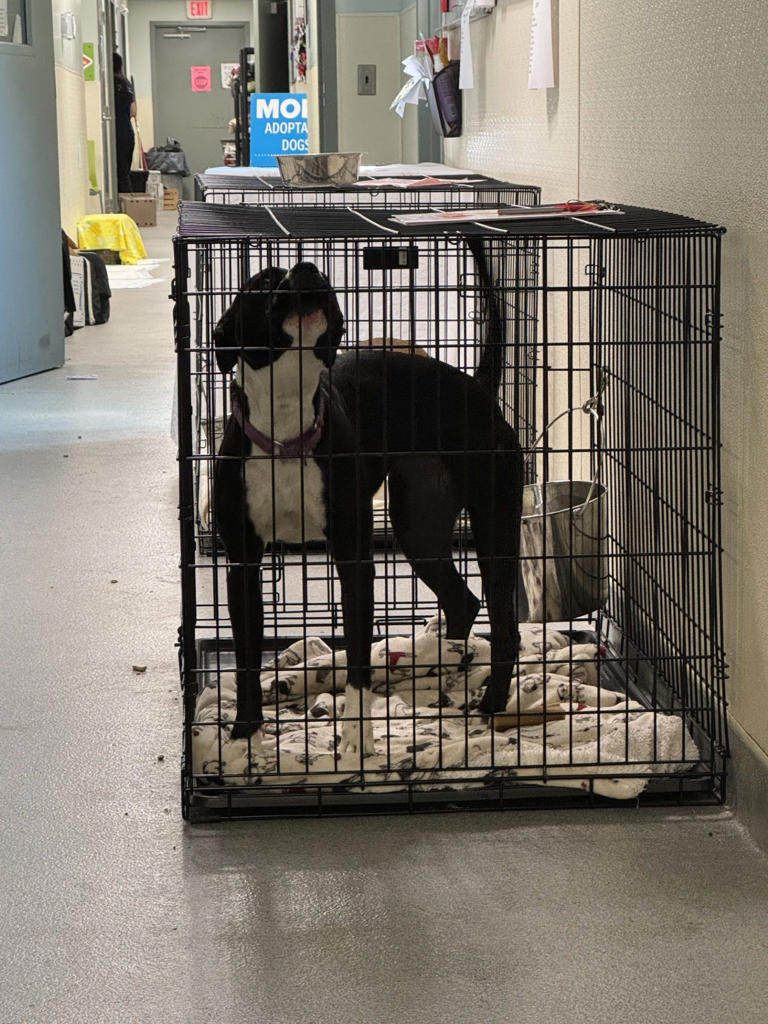
Is your dog barking nonstop in their crate? It can be frustrating and stressful for both you and your furry friend.
But don’t worry—you’re not alone, and there are simple ways to help your dog feel calm and comfortable. You’ll discover practical tips that work to stop barking in the crate. By understanding why your dog barks and using easy-to-follow strategies, you can create a peaceful space your dog actually wants to be in.
Keep reading to find out how to turn crate time into quiet, happy time for your dog.
Reasons Dogs Bark In Crates
Understanding why your dog barks in the crate is key to calming them down. Barking is their way of communicating discomfort, fear, or needs. Identifying the root cause helps you respond with the right solution, making crate time peaceful for both of you.
Separation Anxiety
Dogs with separation anxiety feel stressed when left alone, even in a crate. Their barking is a sign of panic and a call for you to return. If you notice your dog pacing or chewing along with barking, anxiety could be the trigger.
Have you tried leaving a worn piece of your clothing in the crate? It might comfort your dog and reduce anxiety-driven barking.
Boredom And Frustration
Crates can feel like a jail to energetic dogs with nothing to do. Barking here is often a way to release pent-up energy and express frustration. If your dog barks shortly after being placed in the crate, they might need more exercise or mental stimulation before crate time.
Consider adding safe chew toys or puzzle feeders to keep your dog busy and quiet.
Need For Attention
Sometimes, barking is simply your dog’s way of asking for company or interaction. If you rush to them every time they bark, you might unintentionally encourage this behavior. Instead, try rewarding quiet moments and only giving attention when they are calm.
Does your dog respond more to your voice or presence? Use that knowledge to train quieter behavior in the crate.
Discomfort Or Pain
Barking can signal physical discomfort or pain while in the crate. Check if the crate is too small, the bedding is hard, or if your dog is unwell. Uncomfortable conditions can lead to persistent barking that needs addressing beyond behavior training.
Have you inspected your dog for signs of injury or illness recently? A vet visit might be necessary if discomfort seems to be the cause.
Credit: www.msn.com
Preparing The Crate Environment
Preparing the crate environment helps reduce barking and stress. A calm, safe space makes the crate more inviting. This encourages your dog to feel relaxed inside. Small changes can create a big impact on behavior.
Choosing The Right Crate Size
Select a crate that fits your dog’s size comfortably. The crate should allow your dog to stand, turn, and lie down easily. Avoid crates that are too big; dogs may feel less secure. Too small crates can cause discomfort and increase anxiety.
Adding Comfort Items
Include soft bedding or a favorite blanket for warmth and softness. Place chew toys or safe distractions inside to keep your dog busy. Avoid items that might cause mess or harm. Familiar scents on bedding help your dog feel at home.
Creating A Positive Space
Make the crate a place your dog enjoys visiting. Feed meals inside the crate to build good associations. Praise and reward your dog for calm behavior in the crate. Keep the environment quiet and free from sudden noises.
Training Techniques To Reduce Barking
Training a dog to stop barking in the crate takes patience and the right approach. Using effective training techniques can help your dog feel calm and secure. These methods focus on building trust and clear communication.
Gradual Crate Introduction
Start by letting your dog explore the crate freely. Leave the door open and place treats inside to encourage entry. Increase the time your dog spends in the crate slowly. Avoid forcing your dog inside to prevent fear or anxiety.
Short, positive sessions work best. Let your dog rest or play near the crate. Gradually close the door for a few seconds. Extend the time as your dog gets more comfortable.
Using Positive Reinforcement
Reward quiet behavior with treats and praise. Give a treat when your dog is calm inside the crate. Ignore barking or whining to avoid encouraging it. Use a calm voice to reinforce peace.
Keep rewards consistent and timely. This teaches your dog that silence brings good things. Use toys or chews to keep your dog busy and happy.
Teaching Quiet Commands
Teach your dog a “quiet” command to control barking. Wait for your dog to stop barking naturally. Say “quiet” in a calm, firm voice. Reward your dog immediately for stopping barking.
Practice this command often and in different situations. Be patient and consistent. This helps your dog understand when to stop barking on cue.
Calm Strategies During Crate Time
Helping your dog stay calm in the crate is key to reducing barking. The right strategies can turn crate time into a peaceful experience for both of you. Let’s look at some simple ways to keep your dog relaxed and quiet during crate time.
Providing Interactive Toys
Interactive toys can keep your dog busy and distracted from barking. Chew toys, treat-dispensing puzzles, or stuffed Kongs work well to focus their energy on something positive.
I once gave my dog a frozen Kong filled with peanut butter during crate time. The quiet focus on getting the treats out helped reduce barking immediately. Try different toys to see what captures your dog’s interest the most.
Playing Soothing Sounds
Background noise can calm an anxious dog. Soft music, white noise, or nature sounds create a comforting environment that masks outside distractions.
Experiment with playlists designed for dogs or simply use a fan or radio at low volume. Have you noticed how certain sounds make your dog more relaxed? Use those to your advantage during crate time.
Establishing A Consistent Routine
Dogs thrive on routine, especially when it comes to crate time. Set regular times for meals, walks, play, and crate sessions to build predictability.
When your dog knows what to expect, anxiety drops and barking lessens. Think about your dog’s daily schedule—can you add more consistency to help them feel secure?
Addressing Anxiety And Stress
Addressing anxiety and stress is crucial to help your dog stop barking in the crate. Dogs often vocalize because they feel scared, lonely, or overwhelmed. Reducing these feelings can make crate time a calm and positive experience for your pet.
Exercise Before Crate Time
Giving your dog plenty of exercise before crate time can reduce excess energy that causes barking. A tired dog is more likely to relax and settle down quietly. Try a brisk walk, a game of fetch, or some training drills to burn off energy.
Have you noticed how your dog behaves differently after playtime? That shift from restless to calm is key to successful crate training. Regular exercise helps your dog feel mentally and physically satisfied, lowering stress levels.
Using Calming Aids
Calming aids can ease your dog’s anxiety during crate time. Options include pheromone sprays, calming collars, or natural supplements like chamomile or valerian root. These tools create a soothing environment that helps your dog feel safe.
Choose calming aids based on your dog’s preferences and consult your vet to ensure safety. Sometimes, a simple soft blanket or favorite toy can also provide comfort and reduce barking. Have you tried these little comforts yet?
Consulting A Professional Trainer
If your dog’s barking persists despite your efforts, a professional trainer can offer tailored guidance. Trainers identify specific triggers and work with you on targeted strategies to reduce anxiety. Their expertise often speeds up progress and improves your dog’s well-being.
Consider trainers who specialize in behavior issues related to anxiety. They can teach you how to read your dog’s signals and respond effectively. Are you ready to get personalized support for your dog’s crate training?
Credit: www.dogsavvylosangeles.com
Common Mistakes To Avoid
Stopping a dog from barking in a crate takes patience and the right approach. Many dog owners make common mistakes that make the problem worse. Avoiding these errors helps your dog learn faster and feel safe in the crate.
Understanding what not to do is as important as training itself. It saves you time and keeps your dog calm. Here are some frequent mistakes to watch out for.
Punishing Barking
Punishing a dog for barking in the crate often backfires. Dogs bark to communicate or express stress. Punishment can increase fear and anxiety. This makes barking louder and more frequent. Focus on gentle training and positive rewards instead.
Leaving Dogs Too Long
Crates are not meant for long periods. Leaving a dog inside for hours causes boredom and discomfort. This leads to more barking and restlessness. Dogs need breaks for exercise and bathroom visits. Keep crate time short and comfortable.
Inconsistent Training
Inconsistency confuses dogs. Changing rules or commands makes learning slow. Use the same words and actions every time. Consistent training builds trust and good habits. Make crate time predictable and calm for your dog.

Credit: www.petperspective.com.au
Frequently Asked Questions
How Can I Train My Dog To Be Quiet?
Training your dog to be quiet involves consistency and patience. Start with short crate sessions and reward silence. Use positive reinforcement techniques, like treats and praise, when the dog is quiet. Gradually increase crate time as they learn. Consistency is key to successful training.
Why Does My Dog Bark In The Crate?
Dogs often bark in crates due to anxiety, boredom, or needing attention. Ensure the crate is comfortable and has familiar items. Regular exercise and mental stimulation can reduce barking. Understanding the root cause helps in addressing the behavior effectively.
What Is The Best Way To Calm A Barking Dog?
Calming a barking dog involves creating a comfortable environment. Use soothing music or white noise to reduce anxiety. A favorite toy or blanket can provide comfort. Regular exercise helps burn excess energy, reducing barking. Consistent training and patience are essential.
How Long Should Crate Training Take?
Crate training duration varies by dog, but it typically takes weeks. Start with short sessions, gradually increasing time. Consistency and positive reinforcement are crucial. Monitor your dog’s comfort and progress. Patience and persistence lead to successful crate training.
Conclusion
Stopping your dog’s barking in the crate takes time and patience. Stay calm and consistent with training every day. Give your dog comfort and make the crate a safe place. Use treats and praise to encourage quiet behavior. Avoid yelling, as it may increase barking.
Remember, your dog learns best with gentle guidance. Soon, your dog will feel calm and happy inside the crate. Keep practicing, and the barking will reduce little by little. Trust the process and enjoy the peace that follows.

Emily Barker is the founder of ChillDogLife.com, a space dedicated to helping pup parents discover the best dog products, lifestyle tips, and cozy ideas for happier homes.
A lifelong dog lover, Emily combines her passion for pets with a knack for research to share trusted recommendations on everything from toys and furniture to health and everyday care.
Her goal is simple: to make life easier, stylish, and more joyful for dogs and the people who love them.




