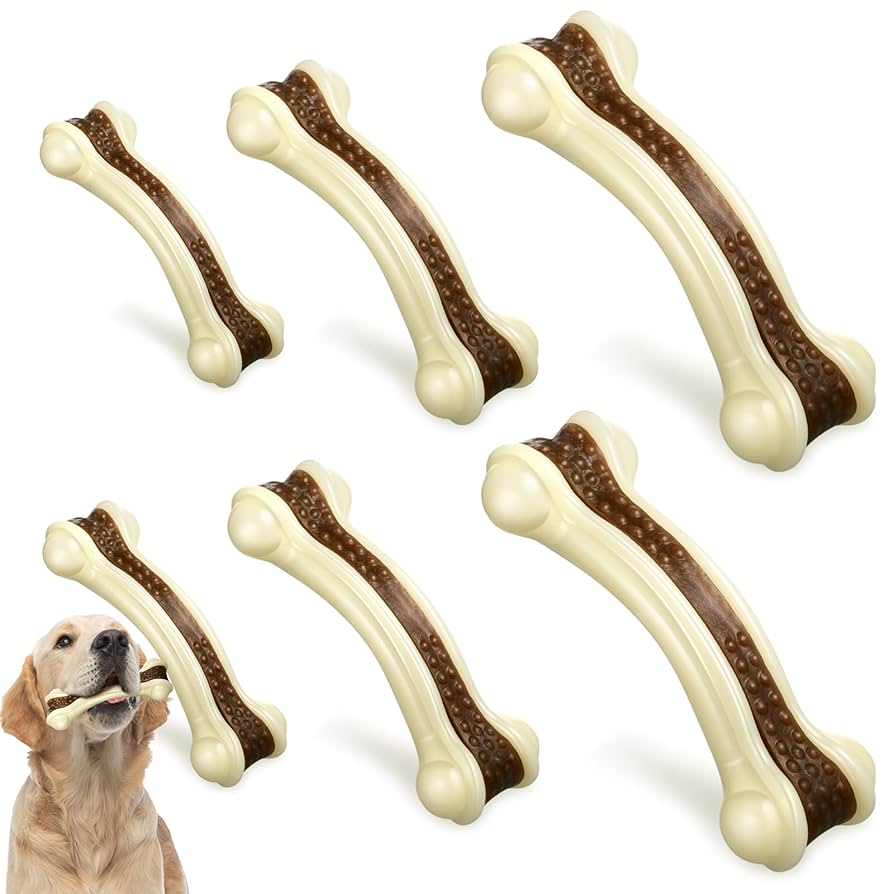
If you’re like most dog owners, you want the best for your furry friend—including safe and fun toys. Nylon chew toys are popular, but you might be wondering: Are they really safe for your dog?
Choosing the wrong toy could lead to choking hazards or dental damage. You’ll discover what makes nylon chew toys a good choice or a risky one for your pet. Keep reading to learn how to protect your dog while keeping playtime enjoyable.
Benefits Of Nylon Chew Toys
Nylon chew toys offer many advantages for dogs. They provide a safe and engaging way for dogs to satisfy their chewing needs.
These toys help keep dogs busy and support their overall health. Understanding their benefits can help you choose the right toy for your pet.
Durability And Longevity
Nylon chew toys are very strong and last a long time. They can handle heavy chewing from dogs without breaking.
These toys resist damage better than many other materials. This means fewer replacements and better value over time.
Dental Health Advantages
Nylon chew toys help clean dogs’ teeth as they chew. They reduce plaque and tartar buildup, which keeps teeth healthy.
- Gently scrapes teeth to remove food debris
- Massages gums to improve circulation
- Reduces bad breath by cleaning the mouth
- Encourages healthy chewing habits
Variety In Shapes And Sizes
| Shape | Size | Best For |
| Bone-shaped | Small | Small breeds and puppies |
| Ring-shaped | Medium | Medium breeds with moderate chewing |
| Stick-shaped | Large | Large breeds and strong chewers |
| Ball-shaped | Varies | Interactive play and chewing |
Different shapes and sizes fit each dog’s preferences and chewing strength. This variety makes it easier to find a suitable toy.

Credit: www.amazon.com
Potential Risks Of Nylon Chew Toys
Nylon chew toys are popular for dogs to chew on. They can help keep dogs busy. But there are some risks to know before giving these toys to your pet.
Understanding these risks can help you keep your dog safe. Always watch your dog when it plays with nylon chew toys.
Choking And Swallowing Hazards
Dogs can bite off small pieces of nylon chew toys. These pieces may cause choking or block their throat. Swallowing large parts can lead to serious health problems.
Dogs that chew hard or fast have higher risks. Puppies and small dogs are more at risk of choking. Always check toys for damage and remove broken pieces right away.
Chemical Exposure Concerns
Nylon toys are made from synthetic materials. Some may contain chemicals that can harm dogs over time. Chemicals can come from dyes, plasticizers, or other additives.
Dogs may ingest these chemicals when chewing or swallowing bits of the toy. Choosing high-quality, non-toxic nylon toys reduces this risk. Still, avoid letting your dog chew on any toy for too long without breaks.
Wear And Tear Issues
Nylon chew toys wear down after use. Rough chewing can create sharp edges or cracks. These broken parts can hurt your dog’s mouth or gums.
Worn toys break more easily. They become unsafe and should be replaced. Watch for signs of wear like cracks, missing chunks, or rough surfaces.
- Check toys often for damage
- Replace toys that show heavy wear
- Choose durable toys for strong chewers
Choosing Safe Nylon Chew Toys
Nylon chew toys can be a good choice for dogs who love to chew. It is important to pick toys that are safe and made well. Unsafe toys can hurt your dog’s teeth or health.
Knowing how to choose safe nylon chew toys helps keep your dog happy and healthy. Look for the right material, size, and ingredients.
Material Quality And Certifications
Good quality nylon is strong and does not break easily. Check if the toy is made with durable nylon that resists cracking. Low-quality nylon can splinter and cause harm.
Look for certifications that show the toy meets safety rules. These may include tests for strength and non-toxicity. Certified toys are safer for your dog to chew on.
- High-density nylon for durability
- Non-toxic and food-safe materials
- Certifications from pet safety organizations
Appropriate Size For Your Dog
Choose a chew toy size that fits your dog’s mouth well. A toy that is too small can be a choking risk. A toy that is too large might be hard to chew.
Measure your dog’s jaw and pick a toy that is easy to hold but can’t be swallowed whole. Size matters for safety and comfort.
- Small dogs need small to medium toys
- Large dogs need larger, tougher toys
- Avoid toys that fit entirely in your dog’s mouth
Avoiding Toxic Additives
Some nylon toys have added chemicals or colors that can harm dogs. Avoid toys with harmful dyes or toxic chemicals. These additives can cause allergies or sickness.
Check the ingredient list or product details for safe, non-toxic additives. Choose toys made without harmful substances for your dog’s health.
- Look for BPA-free and phthalate-free labels
- Avoid toys with artificial colors or scents
- Choose products tested for pet safety

Credit: www.amazon.com
Monitoring Your Dog While Chewing
Watching your dog during chewing helps keep them safe. Nylon chew toys are strong but can break down over time.
It is important to check the toy and your dog’s behavior regularly. This prevents accidents and keeps chewing fun.
Signs Of Toy Damage
Look for cracks, holes, or sharp edges on the nylon toy. These signs mean the toy is wearing out.
- Pieces missing from the toy
- Frayed or rough surfaces
- Thin or weak spots
- Unusual smell or discoloration
Behavioral Cues To Watch
Your dog’s actions tell you a lot. Notice if they chew faster or more aggressively than usual.
Other signs include:
- Dropping the toy often
- Trying to hide or bury the toy
- Showing signs of discomfort or pain
- Excessive licking or pawing at the mouth
When To Replace The Toy
Replacing the toy at the right time keeps your dog safe. Use this table to decide when to switch toys.
| Condition | Action |
|---|---|
| Small cracks or rough edges | Inspect daily, remove if worsens |
| Large pieces missing or sharp bits | Replace immediately |
| Dog shows discomfort chewing | Stop use and consult vet |
| Toy smells bad or changes color | Replace the toy |
Alternatives To Nylon Chew Toys
Nylon chew toys can be tough on some dogs. They may break into sharp pieces. Dogs might swallow these pieces, which is risky. Choosing safer options can protect your pet’s health.
There are many alternatives to nylon toys. These choices offer durability and safety. Some are natural, while others use soft materials dogs enjoy chewing.
Natural Chew Options
Natural chews come from real materials dogs like to chew. These include bones, antlers, and rawhide. They often last a long time and feel more like what dogs find outside.
- Beef or bison bones (raw and large size)
- Deer or elk antlers (hard and long-lasting)
- Rawhide chews (choose high quality and digestible)
- Bully sticks (edible and strong)
Rubber And Silicone Toys
Rubber and silicone toys are softer than nylon. They do not splinter and are safer for teeth. Many dogs enjoy the bounce and texture. These toys come in many shapes and sizes.
| Toy Type | Durability | Safety |
| Rubber | High | Non-toxic, flexible |
| Silicone | Medium | Soft, chew-friendly |
| Nylon | Very High | Can splinter |
Edible Chews
Edible chews provide tasty treats that last. They satisfy chewing needs and add nutrition. These treats are usually digestible and come in many flavors.
- Dental sticks that clean teeth
- Chicken or fish skin chews
- Vegetable-based chews for sensitive dogs
- Freeze-dried meat treats
Veterinarian Recommendations
Nylon chew toys are popular for dog owners. They are durable and come in various shapes and sizes. But are they safe? Let’s explore what veterinarians recommend.
Veterinarians often advise choosing the right chew toy for your dog’s safety. Not all toys are suitable for every dog. Understanding safe chewing practices is crucial.
Safe Chewing Practices
Safety is key when selecting chew toys. Toys should not be too hard, as they can damage teeth. Always supervise your dog during playtime.
- Choose the correct size toy for your dog
- Inspect toys regularly for wear and tear
- Avoid toys with small parts
Health Benefits And Risks
Chew toys can offer health benefits, like reducing plaque and tartar. But there are risks if not chosen carefully. Some toys can lead to broken teeth or choking hazards.
| Benefit | Risk |
| Dental health improvement | Possible tooth fractures |
| Mental stimulation | Choking hazards |
| Stress relief | Ingestion of small pieces |
Tailoring Choices To Your Dog’s Needs
Every dog is unique, so choose toys based on your dog’s age, size, and chewing habits. Puppies need softer toys, while adult dogs require sturdier options.

Credit: www.amazon.com
Frequently Asked Questions
Are Nylon Chew Toys Safe For Aggressive Chewers?
Nylon chew toys are generally safe for aggressive chewers when selected properly. Choose toys made from durable, non-toxic nylon to avoid breakage. Always supervise your dog to prevent choking hazards. Replace toys if they show signs of damage to maintain safety.
Can Nylon Chew Toys Cause Dental Problems In Dogs?
Nylon chew toys can support dental health by reducing plaque and tartar. However, very hard nylon toys may cause tooth fractures in some dogs. Monitor your dog’s chewing habits and consult your vet if you notice any dental issues.
How To Choose The Right Nylon Chew Toy Size?
Select a nylon chew toy size based on your dog’s breed and chewing strength. The toy should be large enough to prevent swallowing but comfortable to chew. Proper sizing reduces choking risk and improves durability during playtime.
Are Nylon Chew Toys Better Than Rubber Or Rope Toys?
Nylon chew toys are more durable than rope toys and often last longer. Compared to rubber, nylon can be harder and more suitable for aggressive chewers. Each toy type has pros; choose based on your dog’s chewing style and safety needs.
Conclusion
Nylon chew toys can be safe if chosen carefully. Always pick the right size for your dog. Watch your pet while chewing to avoid risks. Some dogs may break pieces off, which can be dangerous. Choose high-quality toys made for strong chewers.
Replace toys when they become worn or damaged. Safe chewing helps keep your dog happy and healthy. Nylon toys are one option, but not the only one. Keep your dog’s safety and comfort first. Simple care makes a big difference in playtime fun.

Emily Barker is the founder of ChillDogLife.com, a space dedicated to helping pup parents discover the best dog products, lifestyle tips, and cozy ideas for happier homes.
A lifelong dog lover, Emily combines her passion for pets with a knack for research to share trusted recommendations on everything from toys and furniture to health and everyday care.
Her goal is simple: to make life easier, stylish, and more joyful for dogs and the people who love them.




