Choosing the right size dog harness can make all the difference in your walks. If your harness is too tight, it can cause discomfort and restrict movement.
Too loose, and your dog might slip out, putting them at risk. You want your furry friend to feel safe, comfortable, and secure every time you head outside. You’ll discover simple steps to measure your dog accurately and pick the perfect harness size.
Keep reading to ensure your dog enjoys every walk without any hassle or stress.
Choosing The Right Harness Type
Choosing the right harness type helps keep your dog safe and comfortable. Different harness styles serve different purposes. Consider your dog’s size, behavior, and activity level. The right harness makes walks more enjoyable for both of you. Here are common harness types to help you decide.
Back-clip Harness
This harness has a clip on the dog’s back. It is simple and easy to use. Good for calm dogs that don’t pull much. It allows free movement and reduces pressure on the neck. Not ideal for dogs that pull strongly.
Front-clip Harness
This harness has a clip at the front, near the chest. It helps control pulling by steering the dog to the side. Useful for training and active dogs. It reduces strain on the dog’s neck and throat. Best for dogs that need gentle redirection.
Dual-clip Harness
This harness offers both back and front clips. It gives more control and flexibility during walks. You can switch clips depending on the situation. Good for dogs with varied behavior and training needs. Provides better control without hurting the dog.
Step-in Harness
This harness is easy to put on by stepping into it. It fits snugly and stays in place well. Great for small dogs and puppies. It avoids pulling on the dog’s head. Comfortable and quick to use for daily walks.

Credit: www.amazon.ca
Measuring Your Dog Accurately
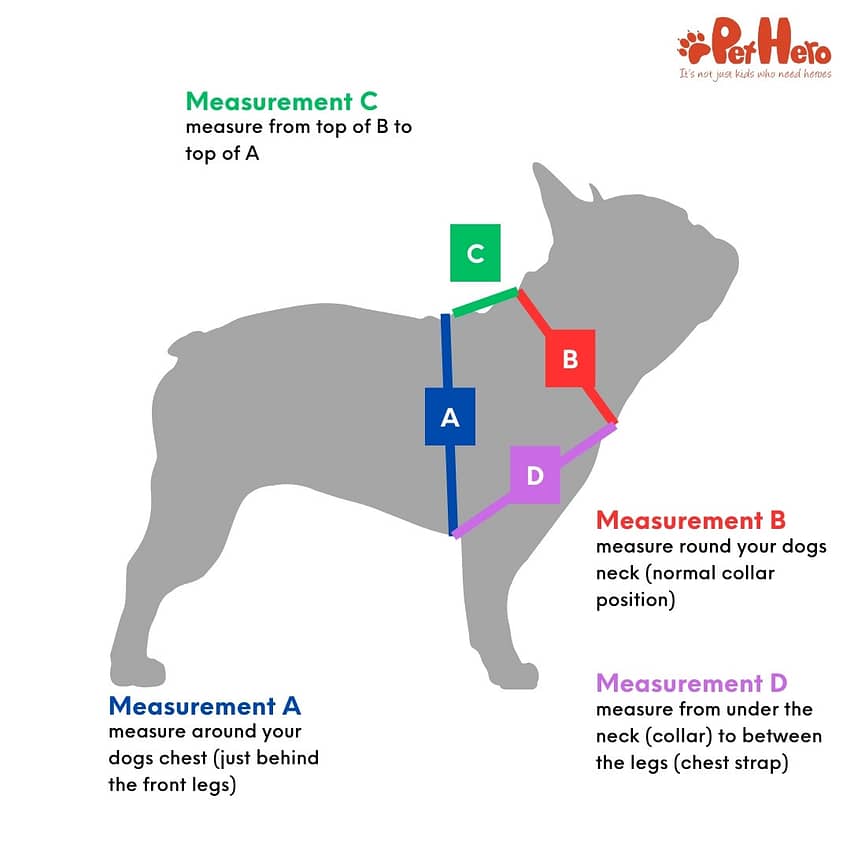
Measuring your dog accurately is key to finding a harness that fits comfortably and safely. An ill-fitting harness can cause discomfort or even injury, so taking precise measurements ensures your dog stays happy during walks. Let’s break down the essential measurements you’ll need.
Neck Measurement
Start by measuring around the base of your dog’s neck, where the collar usually sits. Use a soft measuring tape and keep it snug but not tight—imagine slipping two fingers between the tape and your dog’s neck. This helps avoid a harness that’s too restrictive or slips off easily.
Chest Girth Measurement
Next, measure the widest part of your dog’s chest, just behind the front legs. This is often the most important measurement for harness sizing. If you’ve ever tried a harness that pinches or rubs, you know how critical this is.
Wrap the tape snugly but comfortably. If your dog has a thick coat, measure close to the skin for accuracy.
Weight Considerations
While measurements are vital, your dog’s weight provides an extra sizing clue, especially when choosing between sizes from different brands. Some harnesses list weight ranges alongside measurements—use this info to double-check your fit.
Remember, two dogs with the same chest size but different weights might need different harness styles or padding levels. Have you noticed how some harnesses feel bulky on lighter dogs? Weight can explain that.
Interpreting Size Charts
Understanding size charts is key to picking the right dog harness. Each chart shows different measurements, so learning to read them saves time and hassle. Size charts help match your dog’s body with the harness dimensions accurately. Misreading them can lead to a poor fit, causing discomfort or slipping.
Brand Variations
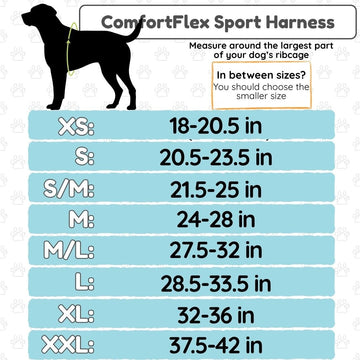
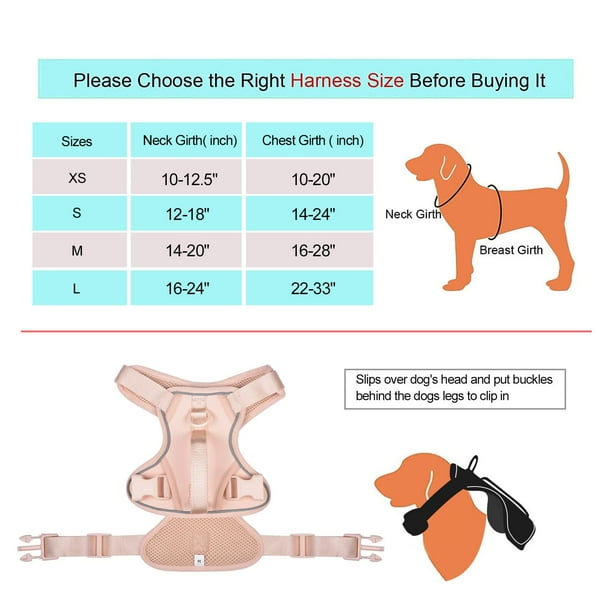
Not all brands use the same size labels or measurements. A medium in one brand might be a large in another. Some brands measure neck circumference, others focus on chest girth or back length. Always check what each brand’s chart measures. This avoids confusion and ensures you pick the right size for your dog.
Using Measurements To Select Size
Measure your dog carefully before choosing a harness size. Use a soft tape to measure the widest part of the chest, just behind the front legs. Also, measure around the neck if the chart asks for it. Compare these numbers to the size chart to find the closest match. Pick a size that allows some room for comfort but is not too loose.
Adjusting The Harness For Comfort
Adjusting the harness for your dog's comfort is essential. A well-fitted harness keeps your dog safe and happy during walks. Proper adjustment prevents discomfort and skin irritation. Check the fit carefully after putting the harness on your dog.
Strap Tightness
Straps should be snug but not too tight. You must fit two fingers between the strap and your dog’s body. This space lets your dog breathe and move freely. Too tight straps can cause pain or restrict movement. Too loose straps allow slipping or chafing. Adjust each strap slowly to find the perfect fit.
Checking For Pinching Or Chafing
Pinching and chafing cause irritation and discomfort. Look closely at areas where the harness touches the skin. Common spots include under the legs and around the chest. Watch for red marks or hair loss. Run your fingers gently along these areas to feel for pinching. Adjust or loosen straps if you find any problems. Use soft padding if needed to protect sensitive skin.
Common Sizing Mistakes To Avoid
Getting the right harness size for your dog is crucial, but many pet owners make common sizing mistakes that can cause discomfort or safety issues. These errors often come from either choosing a harness that is too tight or too loose. Understanding these pitfalls helps you avoid unnecessary stress for your dog and ensures a secure, comfortable fit.
Choosing Too Tight
A harness that’s too tight can restrict your dog’s movement and breathing. It may cause chafing, skin irritation, or even injury if worn for long periods. You should be able to fit two fingers comfortably between the harness and your dog’s body.
Think about a time when your dog seemed unusually restless or scratched at the harness constantly. That could be a sign the fit is too snug. Tight harnesses also make it hard for your dog to pant or cool down, especially on hot days.
Choosing Too Loose
On the other hand, a harness that is too loose can slip off or allow your dog to escape. This not only defeats the purpose of the harness but also puts your dog at risk during walks. You want a secure fit that doesn’t move excessively but isn’t restrictive.
Watch for sliding or shifting when your dog pulls or moves. If the harness moves around or twists, it probably needs tightening. Loose harnesses can also cause rubbing that leads to sores, so regular adjustment is key.
Credit: www.thedogoutdoors.com
Special Considerations For Puppies And Senior Dogs
Choosing the right harness size needs special care for puppies and senior dogs. Their bodies have unique needs that affect harness fit and comfort. Both stages require harnesses that support their health and growth without causing harm.
Growing Puppies
Puppies grow quickly. Their size can change every few weeks. A harness that fits today might be too tight soon. Look for adjustable harnesses that grow with the puppy. Soft, lightweight materials reduce discomfort during growth phases. Check fit often to avoid rubbing or pinching.
- Measure the chest and neck regularly.
- Choose adjustable straps for flexibility.
- Pick breathable fabric to prevent skin irritation.
Arthritic Or Sensitive Dogs
Senior dogs often have arthritis or sensitive skin. A harness must reduce pressure on joints and muscles. Padding in key areas can help ease pain. Avoid harnesses that press on the chest or neck too tightly. Soft, stretchy materials provide comfort and easy movement.
- Select harnesses with extra padding around the chest and shoulders.
- Use harnesses that distribute weight evenly.
- Check for any signs of rubbing or soreness after use.
Material And Durability Factors
Choosing the right material for your dog’s harness is just as important as getting the size right. The material affects your dog’s comfort and how long the harness will last. Understanding which fabrics and materials work best can save you money and keep your dog happy during every walk.
Breathable Fabrics
Breathable fabrics like mesh or lightweight nylon help keep your dog cool, especially on hot days. These materials allow air to flow freely, reducing sweat and skin irritation. If your dog tends to overheat or has sensitive skin, a harness made from breathable fabric can make a big difference.
Think about your dog’s activity level and the climate you live in. Would a thick, padded harness trap heat and cause discomfort? Many pet owners find that breathable harnesses reduce the risk of rashes and chafing during long walks or hikes.
Heavy-duty Materials
If your dog is strong or tends to pull, durability is key. Heavy-duty materials like leather or reinforced nylon stand up to tough wear and tear. These harnesses often come with sturdy stitching and metal hardware, which prevent breakage and keep your dog secure.
Imagine walking a large, energetic dog without a reliable harness—it can be dangerous for both of you. Durable materials give you peace of mind, knowing the harness won’t snap under pressure. Ask yourself: does your dog’s behavior demand a harness that can handle extra strength and rough use?
Credit: www.walmart.ca
Testing The Harness Fit
Testing the harness fit is key to your dog’s comfort and safety. A well-fitted harness lets your dog move freely without causing pain or irritation. Checking the fit after putting the harness on helps you find any tight spots or loose areas. This ensures your dog stays happy and secure during walks.
Movement And Flexibility
Watch your dog walk, run, and turn with the harness on. The harness should not restrict their movement in any way. Your dog must be able to lift their legs and move naturally. Check for any rubbing or pinching around the shoulders and chest. A good fit allows full range of motion without slipping or shifting.
Behavioral Signs Of Discomfort
Observe your dog’s behavior closely. Signs like scratching, biting at the harness, or trying to back out mean discomfort. Whining or sudden stops can also show the harness is too tight or poorly placed. If your dog seems uneasy or restless, adjust the straps or try a different size. Comfort is crucial for a positive walking experience.
Frequently Asked Questions
How Do I Measure My Dog For A Harness?
To measure your dog, use a soft measuring tape. Measure around the widest part of their chest. Then, measure their neck where the collar sits. Ensure there’s enough room for two fingers to fit between the harness and your dog’s body for comfort.
What Size Harness Should I Get For My Dog?
Choosing the right size depends on your dog’s measurements. Refer to the manufacturer’s sizing chart. Sizes can vary between brands. Always prioritize your dog’s comfort and safety. If your dog is between sizes, opt for the larger one.
Can A Harness Be Too Tight For My Dog?
Yes, a harness can be too tight. It should allow two fingers to fit between the harness and your dog’s body. A tight harness can cause discomfort and restrict movement. Always check your dog’s reaction and adjust as necessary for optimal comfort.
How Do I Know If The Harness Fits Well?
A well-fitted harness should be snug but not tight. It shouldn’t restrict movement or cause chafing. You should be able to fit two fingers between the harness and your dog’s skin. Watch for signs of discomfort or chafing to ensure the fit is correct.
Conclusion
Sizing a dog harness right keeps your pet safe and comfortable. Measure your dog carefully before buying a harness. Check the fit by adjusting straps to avoid tightness or looseness. A well-fitted harness helps control your dog without causing pain.
Remember to recheck the size as your dog grows or gains weight. Taking time to size correctly makes walks more enjoyable for both of you. Trust your measurements and observe your dog’s comfort closely. Good fit, happy dog!

Emily Barker is the founder of ChillDogLife.com, a space dedicated to helping pup parents discover the best dog products, lifestyle tips, and cozy ideas for happier homes.
A lifelong dog lover, Emily combines her passion for pets with a knack for research to share trusted recommendations on everything from toys and furniture to health and everyday care.
Her goal is simple: to make life easier, stylish, and more joyful for dogs and the people who love them.




