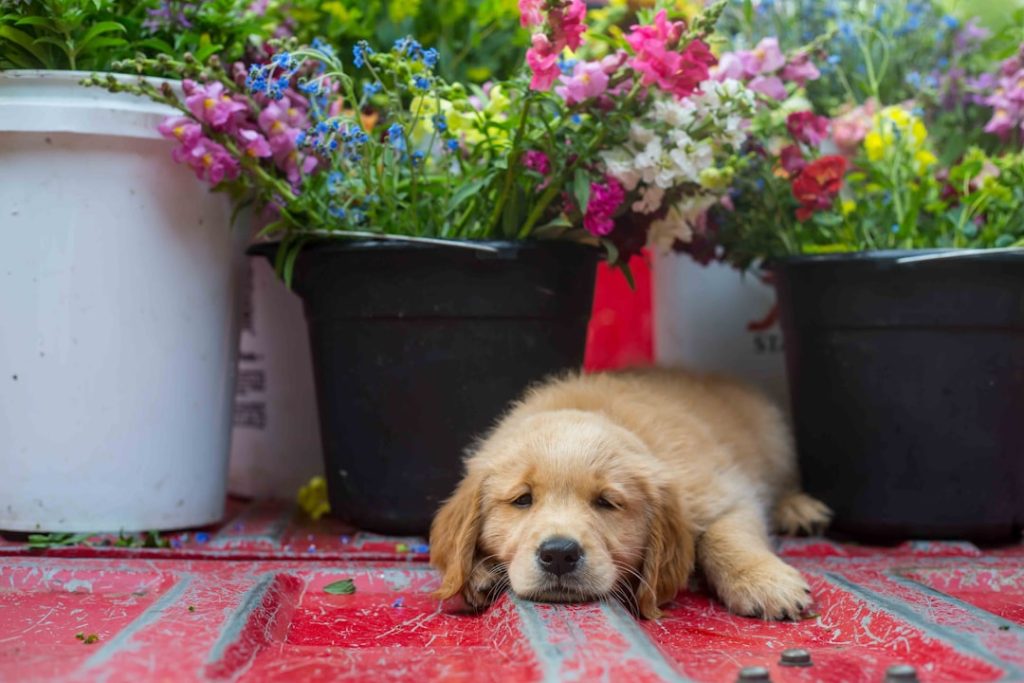
You love your garden, but your dog sees it as a playground. Those beautiful flowers you carefully planted are at risk of being trampled or dug up.
It’s frustrating, and you want a solution that works without upsetting your furry friend. What if you could protect your flower bed while keeping your dog happy and safe? You’ll discover simple and effective ways to keep your dog out of the flower bed for good.
Keep reading to learn how to create a peaceful garden space both you and your dog will enjoy.
Common Reasons Dogs Dig In Flower Beds
Dogs dig in flower beds for many reasons. Understanding these reasons helps stop the behavior. Digging is normal for dogs. It lets them explore and express natural instincts.
Some dogs dig to find cool soil on hot days. Others dig to hide toys or food. Sometimes, digging happens out of boredom or stress. Knowing why your dog digs guides you to better solutions.
Seeking Comfort And Coolness
Dogs dig to create a cool spot in the dirt. This helps them stay comfortable in warm weather. Flower beds often have loose, cool soil. This makes them a favorite digging place.
Hunting Instincts And Curiosity
Dogs have strong hunting instincts. They may dig to catch small animals underground. Bugs, moles, or worms in flower beds attract dogs’ attention. Digging becomes a way to explore and satisfy curiosity.
Boredom And Lack Of Exercise
Dogs need mental and physical activity daily. Bored dogs use digging to entertain themselves. Flower beds offer an inviting place to dig. Without enough play or walks, dogs find their own fun.
Stress And Anxiety Relief
Digging can calm stressed or anxious dogs. It works as a natural way to release nervous energy. Changes in the home or loud noises can trigger this behavior. Flower beds become a safe spot to dig and relax.
Attention-seeking Behavior
Dogs learn digging gets attention from owners. Even negative attention feels better than none. Flower beds are easy to damage, so owners notice quickly. Dogs use digging to start interaction or playtime.

Credit: www.yahoo.com
Physical Barriers To Protect Flower Beds
Keeping your dog out of the flower bed can be a real challenge, but physical barriers offer straightforward solutions that often work better than training alone. These barriers create clear boundaries your dog learns to respect, protecting your plants without causing frustration for either of you. Let’s look at some practical ways to build these boundaries.
Fencing Options
Installing a fence around your flower bed is one of the most effective ways to keep your dog out. You don’t need a tall or imposing fence—sometimes a simple, low barrier is enough to signal to your dog that this area is off-limits.
Consider materials like:
- Wooden picket fences for a classic look
- Wire mesh fences that still allow visibility
- Plastic garden fencing, which is lightweight and easy to move
If you’ve ever watched your dog test the boundaries of a fence, you know how important height and sturdiness are. A fence that’s too low or flimsy invites jumping or digging underneath. Have you noticed your dog’s favorite escape tactics? Use that insight when choosing your fence.
Using Decorative Rocks
Decorative rocks can double as a beautiful and functional barrier. Placing a border of medium-sized rocks around your flower bed creates a physical and visual boundary that many dogs will avoid.
Choose rocks that are large enough so your dog won’t try to move or dig under them. Smooth river rocks or colorful landscaping stones add curb appeal while protecting your plants.
One surprising benefit is that dogs dislike walking on uneven or noisy surfaces, so this barrier can discourage them from entering your flower bed without feeling restrictive. Have you tried using different textures in your garden to guide your dog’s path?
Garden Edging Techniques
Garden edging is a subtle but effective way to keep dogs from trampling your flowers. Raised edging, such as bricks, concrete blocks, or metal strips, creates a physical line your dog can easily recognize.
Edges that are slightly raised (around 3-4 inches) stop dogs from stepping into flower beds but don’t block your view or access. You can also use flexible plastic or rubber edging, which is easier to install and adjust as your garden changes.
Think about your dog’s behavior—does it respect lines and boundaries, or do you need something more noticeable? Combining garden edging with other barriers can reinforce the message.
Training Techniques To Deter Digging
Training your dog to stay out of the flower bed requires patience and consistent effort. You need to teach your dog what behavior is acceptable and what isn’t. Using effective training techniques can make a big difference in stopping your dog from digging where they shouldn’t.
Positive Reinforcement Methods
Rewarding your dog for good behavior works better than punishing them for digging. Every time your dog stays away from the flower bed, give them a treat or praise. This helps your dog associate the flower bed with staying away rather than digging.
Use treats or toys that your dog loves. This encourages them to repeat the behavior you want. Have you noticed how a little reward can quickly change your dog’s habits?
Command Training
Teaching your dog clear commands like “Leave it” or “No dig” gives you control over their actions. Use these commands whenever your dog approaches the flower bed. Be consistent and firm but gentle in your tone.
Practice commands in different settings so your dog learns to obey no matter where you are. This builds a strong habit of listening. How often do you give your dog commands during playtime or walks?
Redirecting Behavior
If your dog starts digging, redirect their attention to a designated digging area or a toy. This lets your dog satisfy their digging urge without harming your plants. Make the alternative more exciting by burying toys or treats in the safe zone.
Redirecting helps your dog learn where it’s okay to dig. Over time, your dog will choose the right spot on their own. Have you tried making a digging pit in your yard to save your flower beds?

Credit: www.rvgas.pe
Natural Repellents That Work
Keeping your dog out of the flower bed can be tricky, but natural repellents offer a safe and effective way to protect your garden. These repellents work without harming your pet or the environment. Let’s look at some options you can try right away.
Scent-based Repellents
Dogs have a strong sense of smell, which you can use to your advantage. Certain scents naturally discourage them from entering specific areas.
- Citrus Peels:Placing orange, lemon, or lime peels around your flower bed can keep dogs away. Most dogs dislike the sharp citrus smell.
- Vinegar:Spraying diluted vinegar around the edges creates an unpleasant scent barrier. Just be careful not to spray directly on plants.
- Essential Oils:Oils like eucalyptus, peppermint, or citronella can repel dogs. Soak cotton balls and place them near your flowers, refreshing them regularly.
Have you ever noticed how your dog reacts to new smells in the yard? Using scents is a gentle way to set boundaries without stress for your pet.
Commercial Repellent Products
If you prefer ready-made solutions, many commercial dog repellents use natural ingredients. These products often combine scents and textures that dogs avoid.
- Granular Repellents:Sprinkle these around your flower bed to create an invisible fence. They usually contain natural bitter or spicy compounds.
- Spray Repellents:Easy to apply, these sprays can be used on soil or plants. Look for non-toxic formulas safe for pets and plants.
- Ultrasonic Devices:Some products emit sounds only dogs can hear, discouraging them from entering the area without chemicals.
Have you tried any commercial repellents before? Sometimes combining products with natural methods boosts effectiveness.
Homemade Solutions
Creating your own repellents saves money and lets you control the ingredients used. Many kitchen staples work well to keep dogs away.
- Chili Pepper Spray:Mix water with ground chili powder and a few drops of dish soap. Spray around the flower bed, avoiding direct contact with plants.
- Garlic Water:Crush garlic cloves and soak them in water overnight. Use this water as a spray to deter your dog.
- Coffee Grounds:Spread used coffee grounds on the soil. Their bitter smell discourages digging and sniffing.
Experimenting with homemade repellents can be fun and effective. What natural ingredients do you already have that might work?
Creating A Dog-friendly Area
Creating a dog-friendly area is essential if you want to keep your flower bed intact while still letting your dog enjoy the outdoors. Dogs dig and explore naturally, so giving them a dedicated space can satisfy their instincts without ruining your garden. This approach also strengthens your bond with your pet by providing fun and structure.
Designated Digging Spots
Set up a specific spot in your yard where your dog is allowed to dig freely. Choose a corner away from your flower bed and fill it with soft soil or sand. You can even bury some toys or treats there to encourage your dog to dig in that area instead.
Try showing your dog the new digging spot by digging a few holes yourself. Praise and reward them each time they use this area. Over time, your dog will start associating digging with this designated zone, reducing damage elsewhere.
Providing Toys And Entertainment
Keep your dog busy with a variety of toys to redirect their energy. Interactive toys like puzzle feeders or chew toys can keep them mentally stimulated for longer periods. Rotate the toys regularly to keep your dog interested and prevent boredom.
Think about how often your dog gets bored outside. Could more engaging toys help stop them from turning your flower bed into a playground? Offering entertainment options also lessens destructive behavior and improves your dog's happiness.
Regular Exercise Benefits
Exercise plays a big role in curbing unwanted digging and chewing. Take your dog for daily walks or play fetch to burn off excess energy. A well-exercised dog is less likely to get restless and dig up your plants out of boredom.
Have you noticed how your dog behaves after a long walk? Often, they relax and rest instead of searching for trouble. Making exercise a routine part of your dog’s day can protect your garden and improve their overall behavior.

Credit: www.msn.com
Maintaining Flower Beds For Long-term Protection
Maintaining flower beds helps protect plants and keeps dogs away. Healthy, well-kept beds discourage digging and trampling. Consistent care creates a strong barrier between pets and flowers.
Regular Monitoring
Check your flower beds often for signs of damage. Look for disturbed soil or broken plants. Early detection helps stop problems before they grow. Regular visits also allow you to reinforce barriers or add deterrents.
Plant Selection Tips
Choose plants that are tough and dog-resistant. Some plants have strong scents or textures dogs dislike. Consider plants like lavender, rosemary, or marigolds. These can act as natural repellents while beautifying your bed.
Soil Maintenance
Keep soil healthy and firm to reduce digging. Add mulch or stones to create a rough surface. Well-maintained soil supports plant roots and limits loose areas. This makes the flower bed less inviting for dogs to dig.
Frequently Asked Questions
How Can I Train My Dog To Avoid Flower Beds?
Training your dog involves consistent commands and positive reinforcement. Use clear commands like “leave it” and reward them for obeying. Supervise them outdoors and redirect their attention when they approach the flower bed. Patience and consistency are key to successful training.
What Are Effective Barriers To Keep Dogs Out?
Physical barriers such as fences, garden netting, or decorative stones can deter dogs. These barriers should be sturdy and high enough to prevent jumping. Additionally, using thorny or strong-scented plants around the flower bed can act as a natural deterrent.
Are There Scents Dogs Dislike In Gardens?
Dogs generally dislike citrus, vinegar, and certain essential oils like eucalyptus. Spraying these around the flower bed can deter them. However, ensure the scents are safe for plants and pets. Always test a small area first to avoid damage.
Can Mulch Deter Dogs From Flower Beds?
Certain types of mulch, like pine cones or gravel, can be uncomfortable for dogs to walk on. This discomfort discourages them from entering the flower bed. Avoid cocoa mulch, as it’s toxic to dogs. Regularly check and replenish mulch to maintain effectiveness.
Conclusion
Keeping dogs out of flower beds takes patience and simple steps. Use barriers like fences or rocks to block their path. Train your dog with gentle commands to stay away. Offer a special play area to keep them busy. Always reward good behavior to encourage learning.
Protect your plants while keeping your dog happy. Small changes make a big difference over time. Enjoy a garden full of flowers and a playful pet.

Emily Barker is the founder of ChillDogLife.com, a space dedicated to helping pup parents discover the best dog products, lifestyle tips, and cozy ideas for happier homes.
A lifelong dog lover, Emily combines her passion for pets with a knack for research to share trusted recommendations on everything from toys and furniture to health and everyday care.
Her goal is simple: to make life easier, stylish, and more joyful for dogs and the people who love them.




