Choosing the right muzzle for your dog is more important than you might think. If the muzzle is too tight, your dog will be uncomfortable and stressed.
If it’s too loose, it won’t do its job properly. So, how do you measure your dog’s muzzle size correctly? You’ll discover simple steps to get the perfect fit every time. Keep reading to learn how to make your dog feel safe and comfortable while staying secure.

Credit: www.amazon.com
Choosing The Right Muzzle
Choosing the right muzzle for your dog is essential for both safety and comfort. A well-fitted muzzle helps your dog feel secure while preventing unwanted behaviors. It also ensures that your dog can breathe, pant, and drink easily, which is crucial during walks or vet visits.
Types Of Dog Muzzles
There are several types of muzzles available, each designed for different needs and dog personalities.
- Basket Muzzles:These allow your dog to open its mouth, pant, and drink water. They are ideal for longer wear and active dogs.
- Soft Muzzles:Made from fabric or mesh, these restrict your dog from opening its mouth fully. They are best for short-term use like grooming or vet visits.
- Leather Muzzles:Durable and adjustable, leather muzzles offer a balance between comfort and security. They often suit medium to large dogs.
- Plastic Muzzles:Lightweight but less breathable, plastic muzzles are usually used for short periods and controlled environments.
Think about your dog’s temperament and the situation where you’ll use the muzzle most often. This helps you pick the type that fits your lifestyle and your pet’s needs.
Benefits Of Proper Fit
A muzzle that fits properly keeps your dog comfortable and stress-free. If it’s too tight, it can cause pain or irritation. Too loose, and it might slip off or not work effectively.
Proper fit allows your dog to pant, which is important for temperature regulation. It also helps prevent injuries from struggling or chewing on the muzzle. Have you ever seen a dog pawing at an uncomfortable muzzle? Avoiding that frustration makes a big difference.
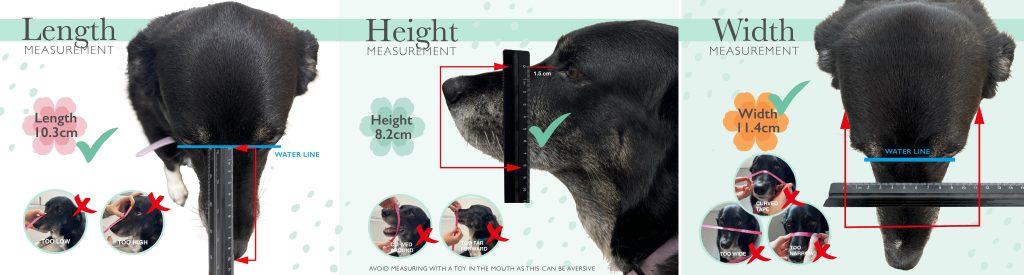
Measuring your dog accurately ensures you get the right size. Measure around the snout, the length from nose to eyes, and the circumference of the neck. This simple step can save you and your dog from a lot of discomfort and wasted money.

Credit: www.muzzletrainingandtips.com.au
Measuring Your Dog’s Snout
Measuring your dog’s snout is essential for selecting the right muzzle. An accurate fit ensures your pet’s comfort and safety. The right tools and techniques make this task simple and stress-free. Follow the steps below to measure your dog’s snout correctly.
Tools You Need
Gather a flexible measuring tape, a pen, and paper. A soft tape allows you to measure curves accurately. Ensure the pen works well to jot down numbers. Having everything ready makes the process smoother.
Measuring Length
Start from the tip of your dog’s nose. Extend the tape to the point between their eyes. This is the snout’s length. Keep the tape snug but not tight.
Measuring Width
Measure the width at the widest part of the snout. Usually near the nose, this helps in finding the right muzzle size. Hold the tape securely, ensuring it’s level and even.
Measuring Circumference
Wrap the tape around the snout, close to the nose. This is the circumference measurement. Allow room for two fingers between the tape and snout. This ensures comfort and breathability.
Matching Measurements To Muzzle Size
Matching your dog’s measurements to the correct muzzle size is essential for comfort and safety. A properly fitted muzzle should allow your dog to pant and drink easily. Measuring precisely ensures the muzzle won’t be too tight or too loose.
Understanding how to read size charts and adjust for breed differences helps find the best fit. Different brands may use varied sizing, so comparing measurements with charts is key. Small errors in measurement can make a big difference in fit.
Reading Size Charts
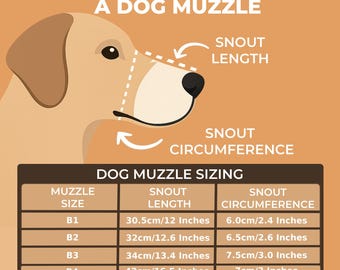
Size charts show muzzle dimensions based on your dog’s measurements. Common measurements include the circumference around the snout and the length from nose tip to eye line. Check the chart for these numbers and match them to your dog’s size.
Many charts list sizes as small, medium, or large with specific ranges. For example:
| Size | Snout Circumference | Snout Length |
|---|---|---|
| Small | 6-8 inches | 3-4 inches |
| Medium | 8-10 inches | 4-5 inches |
| Large | 10-12 inches | 5-6 inches |
Choose the size where your dog’s measurements fit comfortably within the range.
Adjusting For Breed Differences
Breed shapes affect muzzle fit. Flat-faced breeds like pugs need a different style than long-nosed breeds like greyhounds. Take note of your dog’s muzzle shape and build.
Some breeds have wider snouts or shorter noses. Adjust measurements slightly to allow room for breathing and panting. Consider the dog’s age and weight too, as growth can change size.
Try muzzles designed for your breed type. This avoids discomfort and ensures better control. Always double-check fit after putting the muzzle on your dog.
Ensuring Comfort And Safety
Ensuring your dog’s muzzle fits comfortably is vital for their safety and well-being. A well-fitted muzzle allows your dog to breathe, pant, and drink water easily. Comfort reduces stress and helps your dog accept the muzzle without resistance.
Proper fit also prevents injuries and keeps the muzzle secure during walks or vet visits. Checking the fit regularly ensures your dog stays safe and comfortable every time they wear the muzzle.
Checking Fit
Place the muzzle on your dog and observe how it sits. It should cover the nose but leave space for breathing. The dog must open its mouth slightly without strain.
Make sure the muzzle is not too tight or loose. A snug fit keeps it in place but does not pinch the skin. Check that your dog can pant and lick comfortably.
Signs Of Discomfort
- Excessive pawing at the muzzle
- Whining or barking more than usual
- Trying to remove the muzzle repeatedly
- Heavy panting or drooling
- Red marks or chafing on the skin
These signs indicate the muzzle may not fit properly. Address discomfort quickly to avoid distress or injury.
Adjusting Straps
Most muzzles have adjustable straps to improve fit. Loosen or tighten straps to secure the muzzle without pressure points.
Check strap placement to avoid rubbing sensitive areas. Straps should sit flat and not twist. After adjustment, observe your dog’s behavior again for signs of comfort.
Tips For First-time Muzzle Use
Using a muzzle for the first time can feel challenging for both you and your dog. The key is to make the experience calm and positive. Patience helps your dog get used to the new gear without stress. Follow simple steps to introduce the muzzle smoothly. This builds trust and comfort over time.
Introducing The Muzzle Gradually
Start by letting your dog see and sniff the muzzle. Hold it near their nose without putting it on. Let your dog explore it at their own pace. Next, gently touch their face with the muzzle. Praise your dog for staying calm. Try putting the muzzle on for a few seconds. Take it off quickly and reward your dog. Repeat this for several short sessions each day. Slowly increase the time your dog wears the muzzle. Always watch for signs of stress or discomfort.
Positive Reinforcement Techniques
Use treats to make the muzzle a good thing. Give a small treat every time your dog interacts with the muzzle. Praise your dog with a happy voice and petting. Pair the muzzle with playtime or walks. This helps your dog link the muzzle with fun activities. Avoid forcing the muzzle on. Reward calm behavior to build trust. Keep sessions short and positive. This encourages your dog to accept the muzzle happily.
Credit: www.etsy.com
Frequently Asked Questions
How Do I Measure My Dog’s Muzzle Size Correctly?
Measure the circumference around your dog’s snout, just below the eyes. Use a flexible tape measure for accuracy. Ensure it’s snug but not tight to avoid discomfort when fitting the muzzle.
What Tools Are Needed To Measure A Dog’s Muzzle?
A soft, flexible tape measure is best for measuring a dog’s muzzle. If unavailable, use a piece of string, then measure it with a ruler. Avoid rigid tools that may cause inaccurate measurements or stress your dog.
Why Is Measuring Muzzle Size Important?
Proper muzzle sizing ensures comfort and safety for your dog. An accurate fit prevents slipping and allows breathing, panting, and drinking. Ill-fitting muzzles can cause discomfort, injury, or behavioral issues during use.
Can I Use A Regular Tape Measure For My Dog’s Muzzle?
Yes, a regular flexible tape measure works well for measuring your dog’s muzzle. It provides precise circumference measurements needed for an accurate fit. Avoid using rigid or metal tape measures as they may harm your dog.
Conclusion
Measuring your dog’s muzzle size is simple and quick. Use a soft tape to get accurate numbers. Measure the length from the nose tip to the base near the eyes. Then, measure the circumference around the widest part of the muzzle.
These two numbers help pick the right muzzle size. A well-fitted muzzle keeps your dog safe and comfortable. Always check measurements before buying. Proper fit means better control and less stress for your pet. Taking time to measure correctly shows you care about your dog’s well-being.

Emily Barker is the founder of ChillDogLife.com, a space dedicated to helping pup parents discover the best dog products, lifestyle tips, and cozy ideas for happier homes.
A lifelong dog lover, Emily combines her passion for pets with a knack for research to share trusted recommendations on everything from toys and furniture to health and everyday care.
Her goal is simple: to make life easier, stylish, and more joyful for dogs and the people who love them.




