
If you’re a dog owner, you want the best for your furry friend. One important decision you might be facing is whether to get your dog neutered.
You may wonder, what are the real benefits? Neutering does more than just prevent unwanted puppies. It can improve your dog’s health, behavior, and even your daily life together. Keep reading to discover why neutering might be one of the smartest choices you make for your dog’s happiness and well-being.
Health Benefits
Getting your dog neutered offers more than just behavioral improvements; it brings significant health benefits that can extend your pet’s life and improve their quality of living. Understanding these health advantages can help you make a confident decision that supports your dog’s well-being.
Reduced Risk Of Certain Cancers
Neutering your dog greatly reduces the risk of testicular cancer, a common and potentially deadly disease in intact males. It also lowers the chance of developing certain types of prostate cancer. By removing the testicles, you eliminate the source of hormones that fuel these cancers.
Think about the peace of mind knowing your dog is less likely to face these serious illnesses. Isn’t that worth considering for your furry friend’s future?
Prevention Of Prostate Problems
Prostate issues are common in older, unneutered male dogs. These can lead to painful infections, difficulty urinating, and other complications. Neutering reduces prostate size and prevents conditions like benign prostatic hyperplasia.
Dogs with smaller, healthier prostates experience fewer urinary problems and discomfort. Imagine how much easier it will be to care for your dog when these risks are minimized.
Lower Chance Of Infections
Neutered dogs have a lower risk of infections related to the reproductive system. This includes infections of the testicles and prostate, which can be painful and require costly treatments. Surgery removes the organs where these infections start, reducing your dog’s vulnerability.
Keeping your dog free from these infections means fewer vet visits and less stress for both of you. How valuable is that kind of health security for your pet?
Behavioral Improvements
Neutering helps reduce aggressive and territorial behaviors in dogs. It often lowers roaming and marking inside the house. This leads to a calmer and more focused pet.
Behavioral improvements often motivate dog owners to consider neutering. Neutered dogs can show significant positive changes. These changes can make them easier to manage. They become more sociable and better companions.Decreased Aggression
Neutering can reduce a dog's aggressive behaviors. Male dogs often exhibit aggression due to testosterone. Neutering lowers testosterone levels. This can lead to calmer interactions with other dogs. It also reduces the risk of fights.Reduced Roaming Tendencies
Neutered dogs have less desire to roam. Intact dogs often wander to find mates. This behavior can lead to accidents or getting lost. Neutering helps them stay closer to home. It makes them more content in their familiar surroundings.Less Marking And Mounting
Neutering can decrease marking behaviors. Dogs mark territory by urinating on objects. This behavior is common in unneutered males. Neutering reduces the urge to mark indoors. It also lessens mounting behaviors. These changes result in a more pleasant home environment.Population Control
Population control is a key reason to neuter your dog. It helps manage the number of animals born each year. This reduces the risk of too many dogs without homes. Neutering supports healthier communities and lowers the chance of stray animals.
Preventing Unwanted Litters
Neutering stops your dog from fathering or having puppies. This prevents unexpected litters that owners might not be ready for. Avoiding these litters reduces the number of homeless puppies. It also helps reduce the chance of genetic health problems in future dogs.
Easing Shelter Overcrowding
Shelters often struggle with too many dogs. Many come from unplanned litters. Neutering helps lower the number of dogs needing shelter care. This means fewer dogs face long stays or euthanasia. Shelters can then focus on better care for each dog.
Supporting Responsible Pet Ownership
Neutering shows you care about your dog and community. It helps control pet populations responsibly. This action reduces the stress on animal services. Responsible owners help build a safer environment for all pets. Neutered pets tend to have better behavior and health.

Credit: backbayvet.com
Cost Savings
Getting your dog neutered can bring significant savings to your wallet over time. The upfront cost of the procedure is often much less than the expenses that come from medical issues and unexpected puppies. Thinking about these savings might make you reconsider the timing of neutering your pet.
Lower Medical Expenses
Neutering your dog reduces the risk of certain health problems, like testicular cancer and prostate infections. This means fewer trips to the vet and lower medical bills down the road. Imagine not having to worry about costly surgeries or long-term treatments for these preventable conditions.
Besides illness, neutered dogs tend to have fewer behavior issues that could lead to injury. Less fighting with other dogs means less chance of bite wounds or infections needing veterinary care. Wouldn’t you prefer avoiding those emergency vet visits and unexpected bills?
Avoiding Costs Of Unplanned Puppies
One of the biggest hidden expenses is the cost associated with unplanned litters. Puppies need vaccinations, feeding, and sometimes emergency care, which can quickly add up. By neutering your dog, you prevent these surprise expenses before they start.
Think about the time and money spent trying to find good homes for puppies or managing large litters. Those costs often go beyond what many owners expect. How much stress and money could you save by avoiding this situation altogether?
Community Benefits
Getting your dog neutered doesn’t just benefit your pet—it positively impacts your entire community. Neutering helps manage the dog population and creates a safer environment for everyone. Let’s look at how these changes play out in everyday life around you.
Reducing Stray Dog Population
Neutering your dog directly cuts down the number of unwanted puppies born each year. Fewer puppies mean fewer dogs left without homes, which reduces the number of strays wandering your streets.
Stray dogs often face harsh conditions and can struggle to find food or shelter. By neutering, you help prevent these animals from experiencing such hardships.
Think about your neighborhood park or streets—fewer strays make these places more welcoming for families and children. Have you noticed how a well-maintained park feels safer and more inviting?
Enhancing Public Safety
Neutered dogs tend to be calmer and less aggressive, which lowers the chances of dog fights and attacks. This directly improves safety for you, your family, and your neighbors.
Unneutered male dogs often roam in search of mates, increasing the risk of traffic accidents and confrontations with other animals. Keeping your dog neutered helps keep them closer to home and more predictable in behavior.
Imagine fewer emergency vet visits and reduced community animal control calls. Neutering supports a peaceful coexistence between dogs and people in your area. Would you prefer a neighborhood where dogs are part of the community, not a problem in it?
Credit: zigly.com
Timing And Considerations
Deciding the right time to neuter your dog matters a lot for their health and behavior. Timing depends on breed, size, and lifestyle. Thoughtful planning reduces risks and supports your pet’s well-being.
Best Age For Neutering
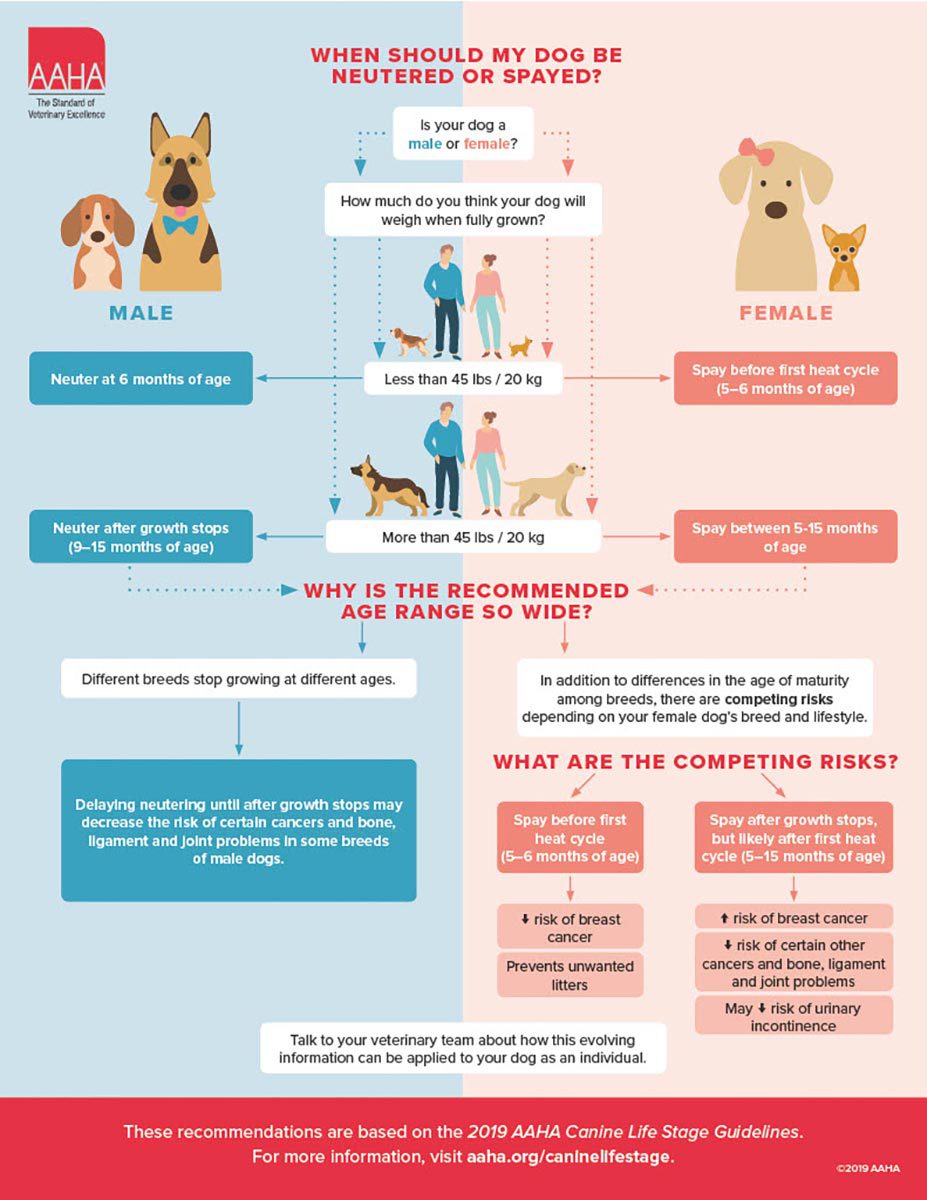
Most vets recommend neutering between 6 and 9 months old. Smaller breeds may be neutered earlier, while larger breeds might benefit from waiting until 12 to 18 months. Early neutering can prevent unwanted behaviors and reduce certain health risks.
Potential Risks And Side Effects
Neutering is generally safe but has some risks. Possible side effects include mild pain, swelling, or infection after surgery. Rarely, there can be hormonal changes affecting growth or weight. Knowing these helps you watch your dog carefully after the procedure.
Consulting Your Veterinarian
Your vet knows your dog’s health history and breed needs best. Discuss timing and any concerns during a visit. They can suggest the safest approach and answer questions about surgery and recovery.
Credit: southeastoakvillevet.ca
Frequently Asked Questions
What Health Benefits Does Neutering Provide For Dogs?
Neutering reduces risks of certain cancers and infections in male dogs. It also prevents testicular cancer and lowers prostate disease chances, promoting overall long-term health.
How Does Neutering Affect A Dog’s Behavior?
Neutering can reduce aggressive and territorial behaviors. It often decreases roaming, marking, and mounting, leading to a calmer and more manageable dog.
Can Neutering Help Control The Dog Population?
Yes, neutering prevents unwanted litters, reducing stray and homeless dogs. It supports responsible pet ownership and helps control overpopulation issues.
At What Age Should I Neuter My Dog?
Most vets recommend neutering between 6 to 9 months old. This timing balances growth and the benefits of preventing unwanted behaviors and health risks.
Conclusion
Neutering your dog helps keep him healthy and calm. It lowers risks of some serious diseases. Your dog may behave better after neutering. It also stops unwanted puppies and helps control pet population. Neutering is a simple surgery with quick recovery.
Many pet owners find peace of mind afterward. Caring for your dog means making smart choices. Neutering is one important step to a happy pet life. Think about your dog’s future and well-being today.

Emily Barker is the founder of ChillDogLife.com, a space dedicated to helping pup parents discover the best dog products, lifestyle tips, and cozy ideas for happier homes.
A lifelong dog lover, Emily combines her passion for pets with a knack for research to share trusted recommendations on everything from toys and furniture to health and everyday care.
Her goal is simple: to make life easier, stylish, and more joyful for dogs and the people who love them.




