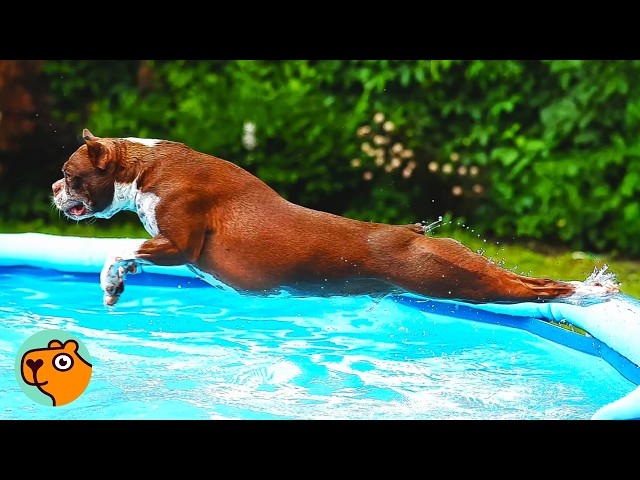
Have you ever wondered if your Boxer dog can swim? Maybe you want to take your furry friend to the beach or let them cool off in the pool.
But before you do, it’s important to know if swimming is safe and natural for your Boxer. You’ll discover everything you need to know about Boxers and swimming—how they handle water, what risks to watch for, and tips to make their swimming experience fun and safe.
Keep reading to find out if your Boxer is ready to dive in!
Boxer Dog Swimming Traits
Boxer dogs are known for their playful nature and energy. Their swimming traits reflect a mix of natural ability and physical features. Understanding these traits helps owners keep their pets safe and happy near water. Boxers can swim, but some factors affect how well they do it.
Natural Swimming Ability
Boxers have a natural instinct to paddle in water. Their strong legs help them move with steady strokes. Most boxers enjoy splashing and playing in shallow water. They can learn to swim with some practice and encouragement. Their playful spirit makes swimming a fun activity for them.
Physical Build Impact
Boxers have a muscular, compact body that influences swimming. Their broad chest adds extra weight, which can make swimming harder. Shorter legs compared to other breeds limit their reach in water. Their flat face can cause breathing challenges during swimming. Wearing a life vest is a good idea for safety.

Credit: www.mustluvboxersrescue.com
Safety Tips For Swimming Boxers
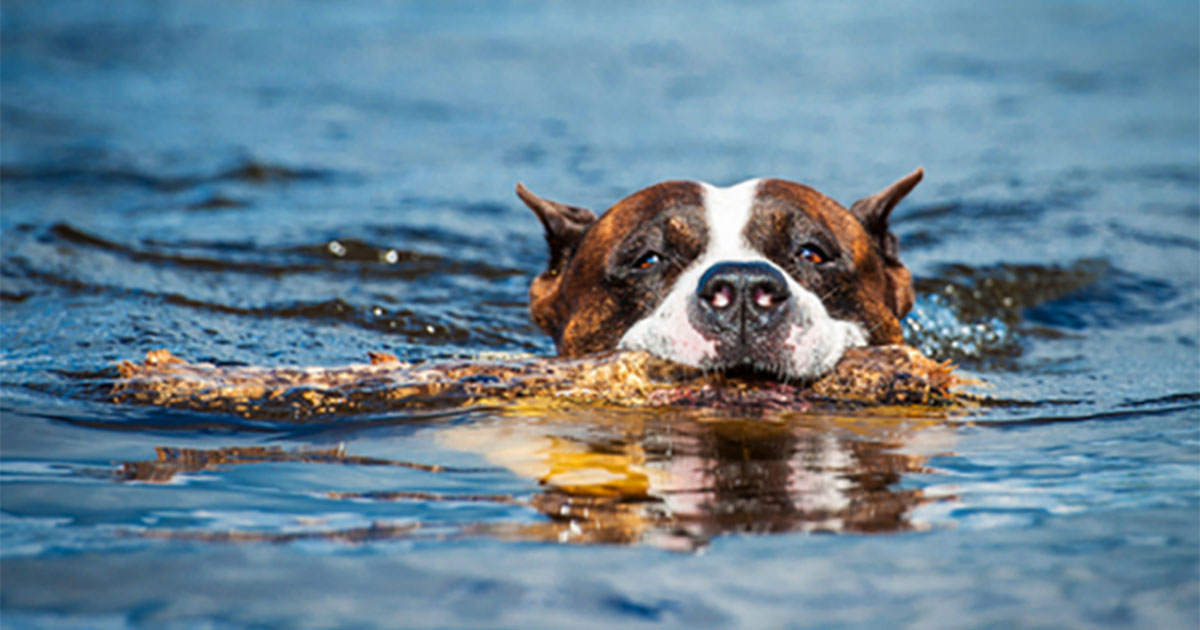
Boxer dogs can swim, but they need careful supervision and safety gear like a life jacket. Always introduce water slowly and never leave them unattended near pools or lakes.
Swimming can be a fun and enriching activity for your Boxer dog, but their safety is paramount. While Boxers can swim, they aren’t natural swimmers due to their body structure. Ensuring their safety in water involves a few key considerations. Dive into these practical tips to keep your canine companion safe and sound during aquatic adventures.Supervision Essentials
Always keep a watchful eye on your Boxer while they swim. Their energy and excitement can sometimes lead them into deeper or unfamiliar waters. Consider their swimming stamina. Boxers may tire quickly due to their muscular build, which is not ideally suited for long swims. Encourage breaks to help them catch their breath and maintain energy levels.Using Life Jackets
Invest in a high-quality life jacket designed for dogs. This can provide added buoyancy and peace of mind, especially in deeper waters. Choose a life jacket with a sturdy handle. This allows you to easily guide or lift your Boxer if needed. Ensure the life jacket fits snugly but comfortably. It should not restrict their movement or breathing.Safe Water Environments
Select swimming spots with calm and clean water. This reduces the risk of currents and contaminants that might affect your dog. Avoid areas with sharp rocks or debris that could injure their paws. A gentle, sloping entry makes it easier for them to get in and out of the water. Check the water temperature. Too cold can be uncomfortable, while too warm can lead to overheating. Wouldn’t you want your furry friend to enjoy a splash safely? By implementing these safety tips, you can make swimming a joyful and secure experience for your Boxer.Training Boxers To Swim
Training a Boxer dog to swim requires patience and care. Boxers have strong bodies but may feel unsure around water. Starting slow helps build their confidence. The right approach makes swimming a fun activity for your dog.
Introducing Water Gradually
Begin by letting your Boxer explore shallow water. Use a calm and quiet place like a small pool or lake edge. Let your dog stand or sit in water up to their paws. Allow them to get used to the feeling of water on their legs. Slowly move to deeper water over several sessions. Never force your dog to swim. Watch for signs of stress or fear and pause if needed.
Positive Reinforcement Techniques
Use treats and praise to encourage your Boxer. Reward your dog for calm behavior near water. Offer small treats when they enter the water or paddle lightly. Speak in a happy, encouraging tone. Bring favorite toys to create fun and interest. Celebrate every small success to build a positive experience. This helps your dog associate water with good things.
Common Challenges
- Fear of water or sudden movements
- Tiring quickly or swimming awkwardly
- Disinterest in entering water
- Overexcitement leading to unsafe behavior
Be patient and keep training sessions short. Use gentle guidance and never punish your dog. Watch their energy levels and rest as needed. Consistent, calm training helps overcome most challenges.
Health Benefits Of Swimming
Swimming offers unique health benefits for Boxer dogs that go beyond just fun and play. It’s a full-body workout that can help keep your dog fit without putting stress on their body. Understanding these benefits can help you decide if swimming is a good addition to your Boxer’s routine.
Low-impact Exercise
Swimming is gentle on your Boxer’s joints because the water supports their body weight. This means your dog can exercise without the harsh impact of running or jumping on hard surfaces. If your Boxer has arthritis or is recovering from an injury, swimming allows them to stay active without pain.
Have you noticed how your dog seems reluctant to move after a long walk? Swimming can reduce that stiffness by providing movement that’s easy on sore muscles and joints. It also helps maintain a healthy weight, reducing pressure on their bones.
Joint And Muscle Strengthening
Water creates natural resistance, which helps build your Boxer’s muscles evenly and safely. Unlike some exercises that focus on specific parts, swimming works out the whole body—from legs to core to shoulders. This balanced muscle development supports better posture and mobility.
Stronger muscles also protect your Boxer’s joints from wear and tear. Think about the difference between walking on flat ground versus swimming against water resistance. Swimming challenges your dog’s muscles in a controlled way, improving endurance and flexibility.
Potential Risks And Precautions
Boxers are energetic and love to play, but swimming introduces some risks you need to watch closely. Understanding these potential dangers helps you keep your furry friend safe in the water. Let’s look at key concerns and simple precautions you can take.
Breathing Difficulties
Boxers have a short muzzle, which can make breathing harder, especially during physical activity like swimming. This breed is prone to brachycephalic airway syndrome, meaning their airways can get easily blocked.
If your dog seems to struggle for breath, coughs excessively, or shows signs of distress, get them out of the water immediately. Avoid long swims and watch for heavy panting or wheezing.
Overexertion Signs
Boxers are strong but can tire quickly in water because swimming uses muscles differently than running or playing on land. Overexertion can lead to dangerous exhaustion or even drowning.
Keep swim sessions short and watch for signs like lagging behind, slow paddling, or drooling. Encourage breaks and always stay close enough to assist if needed.
Water Temperature Concerns
Boxers don’t handle extreme temperatures well. Cold water can cause muscle cramps or hypothermia, while hot water can lead to overheating.
- Check the water temperature before letting your dog swim.
- Limit swimming time in cold water to just a few minutes.
- Provide fresh water and shade if it’s warm outside.
Have you noticed how your Boxer reacts to different water temperatures? Paying attention to their comfort can make swimming a safe and enjoyable experience.

Credit: www.reddit.com
Alternatives To Swimming For Boxers
Not all Boxers take to water naturally, and some might avoid swimming altogether. Luckily, there are plenty of other ways to keep your energetic Boxer fit and happy without needing a pool. These alternatives can offer great exercise and even aid in recovery or therapy.
Land-based Exercises
Boxers are built for movement, so finding activities that challenge their muscles and minds on land is key. Try games like fetch with a ball or frisbee to boost their agility and speed. Tug-of-war can also be a fun way to build strength and bond with your dog.
Agility courses set up in your backyard or at a local park add variety and mental stimulation. Use simple obstacles like cones to weave through, tunnels to crawl, or low jumps to encourage coordination. These exercises keep your Boxer physically active without needing water.
Have you noticed how your Boxer reacts to hiking trails or long walks? These can be excellent for endurance and exploring new scents. Just watch for hot pavement or rough terrain that might hurt their paws.
Hydrotherapy Options
If swimming isn’t an option, hydrotherapy can still provide many benefits without the need for your Boxer to swim independently. Specialized canine hydrotherapy pools often have harness systems or underwater treadmills to support your dog’s weight.
This controlled environment helps improve joint mobility and muscle strength, especially if your Boxer has arthritis or is recovering from surgery. Hydrotherapy sessions are supervised by professionals who adjust water temperature and depth for comfort and safety.
Wondering if hydrotherapy might be right for your Boxer? It’s worth discussing with your vet, especially if your dog shows signs of stiffness or discomfort during regular exercise. This gentle, supportive approach can boost your Boxer’s overall well-being without the risks of open water swimming.
Credit: www.diamondpet.com
Frequently Asked Questions
Can Boxer Dogs Naturally Swim Well?
Boxers can swim, but they are not natural swimmers. Their muscular build makes swimming harder, so supervision and gradual training are essential.
Are Boxers Safe Around Water Without Supervision?
No, Boxers should never be left unsupervised near water. They can tire quickly and may struggle to stay afloat.
How Can I Teach My Boxer To Swim?
Start in shallow water, use positive reinforcement, and be patient. Always support your Boxer’s body until it gains confidence.
Do Boxer Puppies Swim Differently Than Adults?
Yes, Boxer puppies may swim more instinctively but need careful supervision. Adults require more training due to their body structure.
Conclusion
Boxer dogs can swim, but not all enjoy water right away. Their strong muscles help them paddle well. Still, some may feel unsure or tired quickly. Always watch your dog near water to keep them safe. Start slow and use gentle encouragement.
Swimming can be a fun way to exercise and cool down. With patience, many Boxers learn to swim confidently. Remember, every dog is different and learns at their own pace. Keep water play safe and enjoyable for your Boxer dog.

Emily Barker is the founder of ChillDogLife.com, a space dedicated to helping pup parents discover the best dog products, lifestyle tips, and cozy ideas for happier homes.
A lifelong dog lover, Emily combines her passion for pets with a knack for research to share trusted recommendations on everything from toys and furniture to health and everyday care.
Her goal is simple: to make life easier, stylish, and more joyful for dogs and the people who love them.




