Is your dog peeing in its kennel, leaving you frustrated and wondering what to do next? You’re not alone.
Many dog owners face this challenge and feel stuck. But the good news is, you can teach your dog to keep their kennel clean. You’ll discover simple, effective steps that work. By the end, you’ll have the tools to turn your dog’s kennel into a comfortable, pee-free space.
Keep reading to find out how to make this happen quickly and easily.

Credit: www.reddit.com
Reasons For Kennel Peeing
Understanding why your dog is peeing in the kennel is key to stopping the behavior. It’s not just about discipline; often, there are underlying reasons that need attention. Identifying these causes helps you address the problem effectively and create a more comfortable space for your furry friend.
Stress And Anxiety
Dogs often associate kennels with confinement, which can trigger stress or anxiety. This emotional response may cause them to urinate as a way to cope or mark territory. Have you noticed your dog pacing, whining, or scratching at the kennel? These signs can indicate that anxiety is leading to kennel peeing.
Medical Issues
Sometimes, the problem isn’t behavioral but physical. Urinary tract infections, bladder stones, or other health issues can cause your dog to lose control over their bladder. If kennel accidents happen suddenly or frequently, a vet visit is crucial to rule out medical causes.
Inadequate Training
Without clear training, dogs may not understand that the kennel is not a bathroom spot. If your dog is new to crate training or hasn’t been taught proper potty habits, accidents are likely. Consistency and positive reinforcement are vital to helping your dog learn where and when to pee.
Kennel Size And Comfort
The size and comfort of the kennel play a big role in your dog’s behavior. A kennel that is too large might encourage your dog to use one corner as a bathroom, while a cramped space can increase stress. Make sure the kennel is just big enough for your dog to stand, turn around, and lie down comfortably, but not so large that it feels like a bathroom.

Credit: visapoint.travel
Preparing The Kennel
Choose a kennel with enough space for your dog to stand, turn, and lie down comfortably. Place absorbent pads inside to catch accidents and clean regularly to remove odors. This helps your dog feel safe and less likely to pee in the kennel.
Preparing the kennel is a crucial step in helping your dog feel secure and comfortable, reducing the likelihood of accidents inside. A well-prepared kennel not only serves as a safe haven for your dog but also promotes good bathroom habits. Let’s dive into how you can set up the perfect kennel to encourage your dog to keep it clean.Choosing The Right Size
Selecting the right size kennel is essential for your dog's comfort and cleanliness. A kennel that’s too large might tempt your dog to use one corner as a bathroom, while a too-small space can feel cramped. Aim for a kennel that allows your dog to stand up, turn around, and lie down comfortably. Think about your dog’s growth, especially if they’re still a puppy. You might need a kennel with adjustable dividers to accommodate growth. How does your dog feel when they have just enough space? Often, they feel more secure and less anxious, which can lessen accidents.Creating A Comfortable Space
Your dog’s kennel should be a cozy retreat. Add a soft, washable mat or a small dog bed to provide comfort. This not only makes the kennel inviting but also discourages peeing since dogs generally avoid soiling their sleeping areas. Consider the location of the kennel as well. Placing it in a quiet, less-trafficked area of your home can help your dog relax. Is the kennel near a window where they can see outside? Sometimes, this can be comforting, but for easily distracted dogs, it might be better to position it away from visual stimuli.Using Absorbent Bedding
Using absorbent bedding can be a game-changer if your dog has occasional accidents. Opt for materials that soak up moisture quickly and are easy to clean. Washable pee pads are a great option and can be used as an additional layer under regular bedding. This helps keep the main bedding dry and reduces odors. Have you tried using absorbent bedding before? The difference it makes in maintaining a clean kennel is notable, giving you peace of mind and keeping your pup comfortable. By taking these steps, you’re not only preparing the kennel but also setting your dog up for success in their potty training journey.Training Techniques
Training a dog to stop peeing in its kennel takes patience and consistency. Using the right techniques helps your dog learn good habits faster. Clear routines and positive experiences make the kennel a safe place, not a spot for accidents.
Establishing A Bathroom Routine
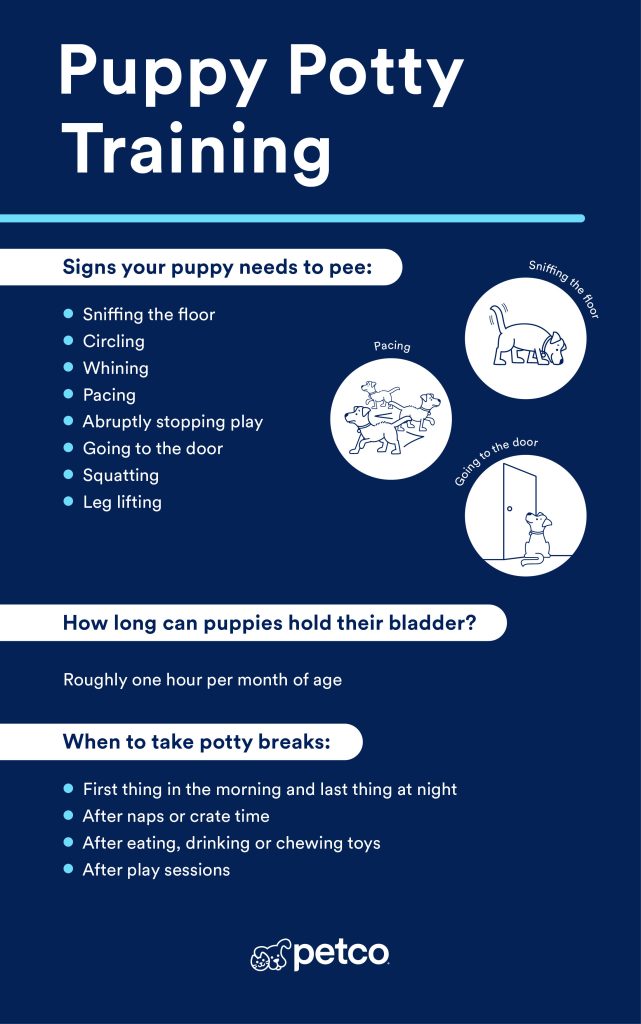
Set regular times for bathroom breaks. Take your dog outside first thing in the morning, after meals, and before bedtime. Watch for signs your dog needs to go. A steady routine reduces accidents inside the kennel.
Positive Reinforcement
Praise your dog when it pees outside. Use treats, kind words, or petting to reward good behavior. Avoid punishment for accidents; it causes fear and confusion. Positive rewards encourage your dog to repeat the right actions.
Crate Training Basics
Choose a kennel the right size. It should be big enough for standing and turning but not for peeing in one corner. Dogs naturally avoid soiling their sleeping area. Keep the kennel clean and comfortable to encourage good habits.
Gradual Kennel Introduction
Start by letting your dog explore the kennel with the door open. Use treats and toys inside to create a happy place. Slowly increase kennel time with the door closed. Short sessions first, then longer as your dog adjusts.
Managing Anxiety
Managing anxiety plays a key role in stopping a dog from peeing in its kennel. Anxiety can cause stress and discomfort. This often leads to accidents inside the kennel. Helping your dog feel calm and safe reduces these incidents. Understanding ways to ease anxiety helps create a better environment for your pet.
Calming Aids And Products
Calming aids can support your dog’s relaxation. Products like anxiety wraps or vests apply gentle pressure. This mimics a comforting hug. Calming sprays with natural scents, such as lavender, help soothe nerves. Pheromone diffusers release signals that calm dogs. These tools are easy to use and can make a big difference.
Exercise And Mental Stimulation
Exercise reduces stress and tires your dog physically. A tired dog is less likely to feel anxious. Regular walks, playtime, and fetch help release energy. Mental stimulation also eases anxiety. Puzzle toys and training sessions keep your dog’s mind busy. This prevents boredom, which can worsen stress and cause accidents.
Desensitization Methods
Desensitization helps your dog get used to the kennel. Start with short, positive experiences inside the kennel. Gradually increase the time your dog spends there. Use treats and praise to create good memories. Avoid forcing your dog inside. This builds trust and reduces anxiety over time.
Cleaning And Odor Control
Keeping your dog’s kennel clean and free of odors is crucial to stop them from peeing there repeatedly. Dogs tend to return to spots that still smell like urine. So, managing cleaning and odor control is not just about hygiene but also about breaking the habit.
Effective Cleaning Products
Not all cleaning products work well on pet urine. Avoid ammonia-based cleaners since their smell can mimic urine and encourage your dog to pee again.
Look for enzymatic cleaners designed specifically for pet messes. These break down the urine molecules, eliminating stains and odors at their source.
- Nature’s Miracle
- Rocco & Roxie Professional Strength Stain & Odor Eliminator
- Simple Solution Pet Stain & Odor Remover
Test any cleaner on a small area first to ensure it won’t damage the kennel surface.
Removing Urine Smell
Even after cleaning, lingering smells can cause your dog to mark the same spot again. Ventilate the kennel well by keeping windows or doors open if possible.
Sprinkle baking soda after cleaning and let it sit overnight before vacuuming. Baking soda absorbs odors naturally and is safe around pets.
Sometimes, a combination of enzymatic cleaner followed by baking soda works best. Have you noticed how some smells are invisible to you but very clear to your dog?
Preventing Re-marking
Once the kennel is fresh and clean, stop your dog from peeing there again by making the space less appealing for elimination.
- Place a waterproof mat or puppy pads temporarily to catch accidents and clean easily.
- Use a pet-safe deterrent spray that discourages urination in the area.
- Keep your dog well-exercised and use positive reinforcement when they pee outside the kennel.
Have you tried changing the kennel’s location? Sometimes a simple shift can reduce your dog’s urge to mark that spot again.

Credit: greensafaris.com
When To Consult A Vet
Knowing when to consult a vet is important if your dog keeps peeing in the kennel. Persistent accidents may signal health or behavioral issues. Early vet advice can prevent discomfort for your dog and help solve the problem faster.
Signs Of Urinary Tract Infections
Urinary tract infections (UTIs) often cause frequent, uncontrolled urination. Watch for signs like:
- Straining or pain during urination
- Blood in the urine
- Strong, unusual smell
- Increased licking of the genital area
- Accidents despite proper training
These symptoms require a vet’s check-up to confirm infection and start treatment.
Behavioral Assessments
Sometimes, peeing in the kennel is not health-related but caused by stress or anxiety. A vet can assess your dog’s behavior to find triggers. They may ask about your dog’s routine, kennel size, and daily activities. The vet might suggest changes or recommend a behavior specialist.
Medication Options
After diagnosis, vets may prescribe medications to help. For infections, antibiotics are common. For anxiety-related issues, mild sedatives or calming supplements might be recommended. Always follow the vet’s instructions closely to ensure safe and effective treatment.
Frequently Asked Questions
Why Does My Dog Pee In The Kennel?
Dogs may pee in kennels due to stress, anxiety, or lack of proper potty training. It can also happen if the kennel is too large or if the dog has medical issues like urinary infections. Identifying the cause helps in applying the right training or treatment.
How Can I Stop Kennel Peeing Immediately?
To stop kennel peeing, ensure the kennel is the right size—large enough to stand and turn but not to eliminate. Take your dog out frequently for potty breaks. Use positive reinforcement when they pee outside and keep the kennel clean and comfortable.
Does Crate Size Affect A Dog’s Peeing Behavior?
Yes, crate size matters. A crate that’s too large allows dogs to pee in one corner and sleep in another. The ideal crate size prevents this by being just big enough for the dog to stand, turn, and lie down comfortably.
How Often Should I Take My Dog Out From The Kennel?
Take your dog out every 2-4 hours, especially for puppies or elderly dogs. Regular potty breaks help prevent accidents and reinforce good habits. Consistency is key to teaching your dog to hold their bladder while in the kennel.
Conclusion
Stopping your dog from peeing in the kennel takes patience and time. Keep the kennel clean and use positive rewards. Take your dog outside often to encourage bathroom breaks. Watch for signs your dog needs to go. Remember, accidents happen, so stay calm and consistent.
Soon, your dog will learn the right place to pee. This helps keep the kennel fresh and your dog happy. Practice daily, and you will see good results. Simple steps lead to a cleaner kennel and a well-trained dog.

Emily Barker is the founder of ChillDogLife.com, a space dedicated to helping pup parents discover the best dog products, lifestyle tips, and cozy ideas for happier homes.
A lifelong dog lover, Emily combines her passion for pets with a knack for research to share trusted recommendations on everything from toys and furniture to health and everyday care.
Her goal is simple: to make life easier, stylish, and more joyful for dogs and the people who love them.




