Potty training a rescue dog can feel overwhelming, but you’re not alone—and it’s totally doable. Your new furry friend may come with habits from the past, but with patience and the right steps, you can build a routine that works for both of you.
Imagine the relief of a clean home and the joy of watching your dog learn and grow. Keep reading, and you’ll discover simple, proven tips to make potty training a smooth and rewarding experience for you and your rescue dog.

Credit: canineandco.co.za
Preparing For Potty Training
Preparing for potty training sets the stage for success with a rescue dog. It helps create clear expectations for both you and your pet. Getting ready means gathering the right tools, choosing a spot for bathroom breaks, and setting a consistent schedule. These steps make the training smoother and reduce accidents.
Choosing The Right Supplies
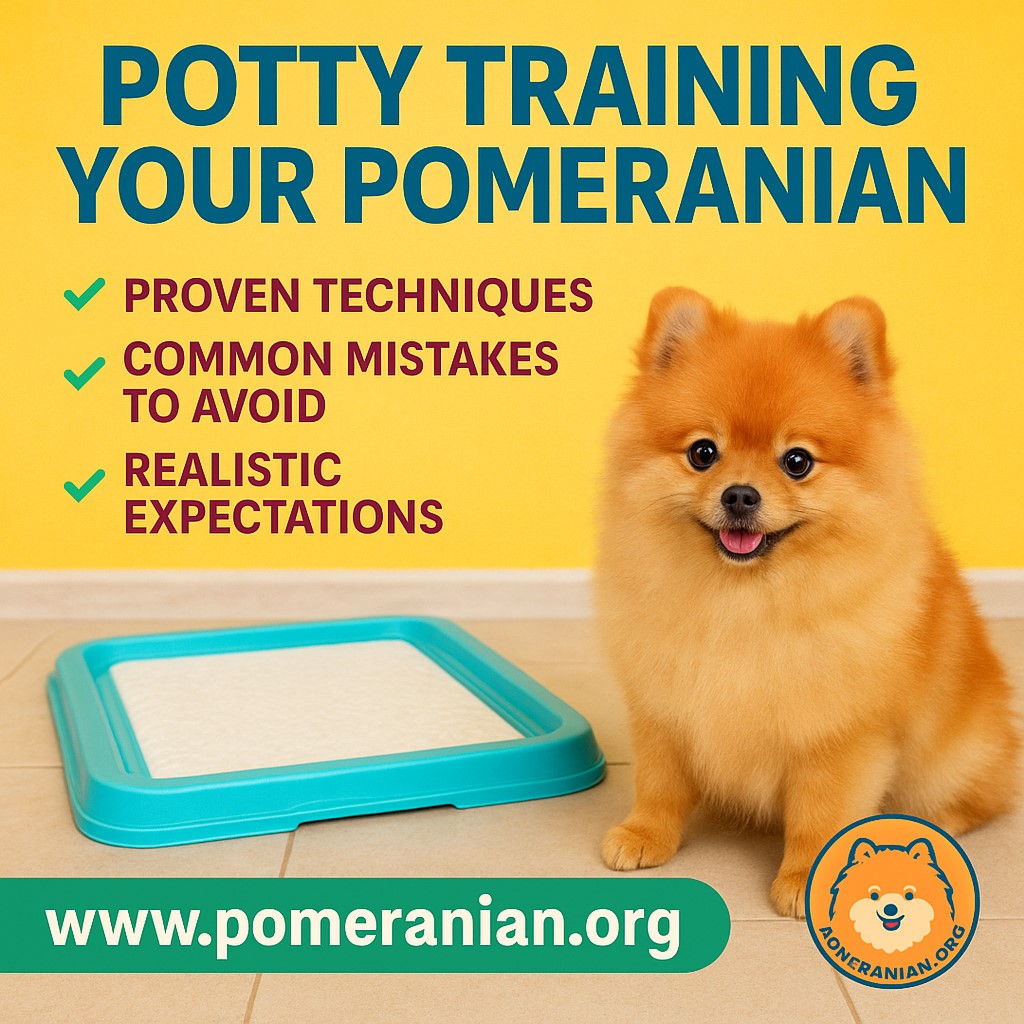
Start by collecting essential supplies for potty training. A sturdy leash helps control your dog during outdoor breaks. Puppy pads can be useful for indoor training or bad weather days. Cleaning products designed to remove pet stains and odors keep your home fresh. Treats motivate your dog to learn good habits. A crate or playpen creates a safe space and limits roaming.
Setting Up A Designated Potty Area
Pick a specific spot outside where your dog will go potty. This helps your dog understand where it is okay to relieve themselves. The area should be quiet and easy to reach. Using the same place every time builds a strong habit. Mark the spot with a small flag or plant to remind your dog. Avoid busy or noisy areas that may scare them.
Establishing A Routine
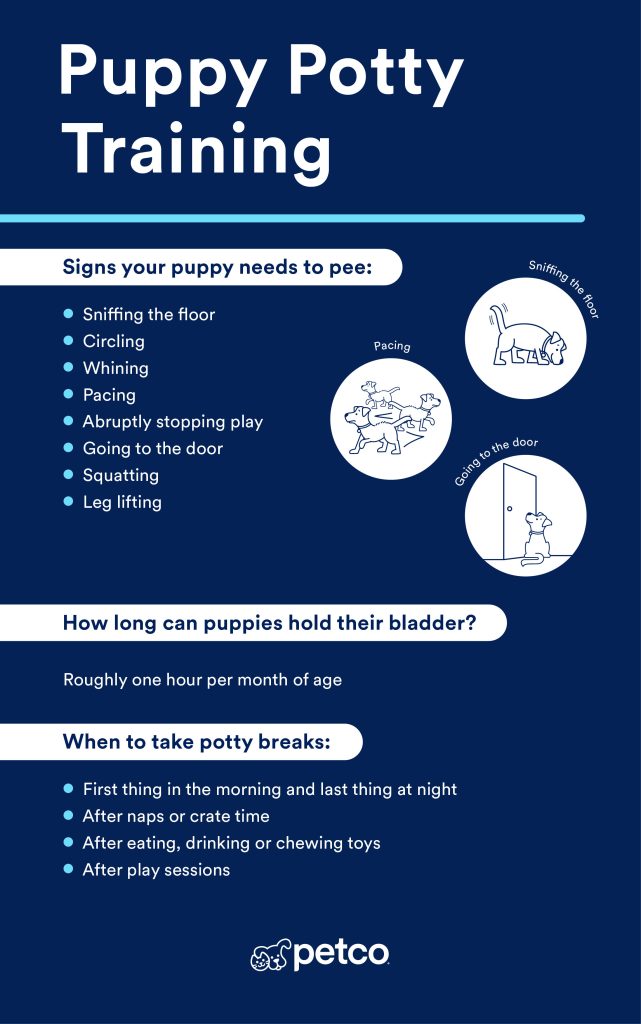
Dogs learn best with a regular schedule. Take your dog outside first thing in the morning, after meals, and before bedtime. Frequent trips help avoid accidents and teach your dog when to go. Keep feeding times consistent to predict bathroom needs. Watch for signs your dog needs to go, like sniffing or circling. Stick to the routine every day for the best results.
Credit: pomeranian.org
Building Trust With Your Rescue Dog
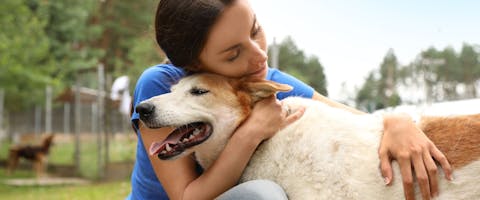
Building trust with a rescue dog helps make potty training easier and faster. Consistent routines and gentle praise encourage good habits and confidence. Patience and understanding create a safe space for learning.
Building trust with your rescue dog is essential for effective potty training. Rescue dogs often come from challenging backgrounds. They may have experienced trauma or neglect. Gaining their trust makes them feel secure and loved. This bond is the foundation for teaching them new skills, including potty training.Creating A Safe Environment
Your dog needs a secure place to call their own. Set up a cozy corner with a bed and toys. This helps them feel at home and reduces stress. A calm environment builds confidence and encourages learning. Ensure the area is quiet and free from hazards.Using Positive Reinforcement
Reward your dog for good behavior. Praise them when they go potty outside. Use treats and affection to motivate them. This method strengthens the bond and encourages repeat behavior. Avoid punishment; it can cause fear and setbacks.Being Patient And Consistent
Patience is crucial in training. Dogs learn at their own pace. Consistency helps them understand expectations. Stick to a routine for feeding and potty breaks. This predictability reassures your dog and aids in learning.Step-by-step Potty Training Process
Potty training a rescue dog takes patience and attention. Each rescue has its own history, so understanding your dog’s unique needs is key. Breaking down the process into clear steps will help you stay calm and confident throughout the journey.
Recognizing Potty Signals
Watch your dog closely for signs that they need to go out. These can include sniffing around, circling, whining, or suddenly becoming restless. Recognizing these signals early lets you act before an accident happens.
Think about a moment when your dog suddenly stopped playing and started sniffing near the door—this is a strong hint they need a bathroom break. By tuning into your dog’s body language, you can prevent many indoor accidents and build trust.
Scheduling Regular Bathroom Breaks
Consistency is your best tool. Set a schedule for bathroom breaks based on your dog’s age, size, and previous habits. Puppies and small dogs usually need to go out every 1-2 hours, while adult dogs can wait longer.
- Take your dog outside first thing in the morning
- Offer bathroom breaks after meals and naps
- Use a timer if needed to remind yourself
Regular breaks create a routine your dog can rely on. Have you noticed how your dog’s behavior changes when a usual break is missed? That’s a sign to adjust your schedule.
Handling Accidents Calmly
Accidents are normal—especially with rescue dogs. React calmly and avoid punishment. Scolding can cause fear and confusion, making training harder.
Instead, clean the area thoroughly to remove odors, so your dog won’t be tempted to use the same spot again. If you catch your dog in the act, gently interrupt and take them outside immediately.
How you respond teaches your dog what you expect. Patience and calmness show them that you are a reliable guide, not a source of stress.
Credit: www.trustedhousesitters.com
Addressing Common Challenges
Potty training a rescue dog comes with unique challenges that can test your patience and consistency. Understanding these common hurdles helps you stay prepared and compassionate. Let’s look at how you can address the fears, habits, and setbacks that often arise during this process.
Dealing With Fear Or Anxiety
Many rescue dogs have experienced trauma, making them fearful of new environments or routines. You might notice your dog hesitating to go outside or freezing in certain spots. Creating a calm, safe space and using gentle encouragement can ease their anxiety.
Try to keep potty times consistent and avoid punishment if accidents happen. Instead, reward small steps toward success with treats or praise. Have you observed specific triggers that make your dog anxious? Reducing those can speed up progress.
Managing Older Dogs’ Habits
Older rescue dogs often bring habits formed over years, which can be harder to change. They might not understand the new rules or have weaker bladder control. Patience and clear communication are key.
Set realistic goals and consider more frequent potty breaks to prevent accidents. Using a schedule chart can help both you and your dog stay on track. What small changes can you make to your dog’s routine that fit their age and history?
Overcoming Setbacks
Setbacks are normal and don’t mean failure. Your dog might regress after a stressful event or illness. Stay calm and avoid frustration—your reaction influences your dog’s confidence.
Review your training steps and reinforce positive behaviors consistently. Sometimes, a short break followed by renewed effort is what your dog needs. How do you keep motivated when progress feels slow?
Maintaining Long-term Success
Keeping your rescue dog potty trained over the long haul takes patience and attention. The initial training is just the start—your goal is to create habits that last a lifetime. This means staying consistent, watching for changes, and adapting as your dog grows more comfortable in their new environment.
Reinforcing Good Behavior
Celebrate every success, no matter how small. When your dog goes potty outside, offer praise, treats, or playtime right away. This positive feedback helps your dog connect the behavior with rewards.
Consistency is key. Use the same words or signals each time you take your dog out. Over time, they’ll understand exactly what you expect.
Have you noticed your dog slipping back into old habits? It’s normal. Just return to the basics and reinforce the desired behavior with even more enthusiasm.
Adjusting Routine As Needed
Life changes, and so do your dog’s needs. Maybe your work schedule shifts or the seasons change, affecting when and how often you can take your dog outside.
Pay close attention to your dog’s signals and adapt your routine accordingly. A rescue dog may take longer to settle, so flexibility helps prevent accidents.
Try experimenting with different potty times or locations. Sometimes a simple change can make a big difference in your dog’s comfort and success.
Monitoring Health Issues
Sometimes potty problems stem from health issues, not training lapses. If your dog suddenly starts having accidents after being reliable, a vet check is a smart move.
Look for signs like frequent urination, discomfort, or changes in appetite that might signal a medical problem. Early detection can save you frustration and keep your dog healthy.
Remember, a rescue dog might hide discomfort or stress. Stay observant and proactive about their well-being to maintain those hard-earned potty habits.
Frequently Asked Questions
How Long Does Potty Training A Rescue Dog Take?
Potty training a rescue dog usually takes 4 to 8 weeks. Consistency and patience speed up the process. Each dog learns at its own pace based on age and past experiences.
What Are The Best Potty Training Methods For Rescue Dogs?
Use crate training, frequent bathroom breaks, and positive reinforcement. Reward your dog with treats and praise immediately after they eliminate outside. Avoid punishment to build trust and encourage good behavior.
How Can I Handle Accidents During Potty Training?
Clean accidents thoroughly to remove odor and prevent repeat spots. Stay calm and never punish your dog. Redirect them gently to the correct potty area and reward success to reinforce learning.
Should I Adjust Potty Training For Rescue Dogs With Past Trauma?
Yes, be extra patient and gentle with traumatized rescue dogs. Build trust slowly and avoid harsh corrections. Use positive reinforcement and create a safe, calm environment for training success.
Conclusion
Potty training a rescue dog takes time and patience. Consistency helps your dog learn faster. Celebrate small successes to keep motivation high. Use gentle praise and rewards often. Remember, accidents happen; stay calm and positive. Your rescue dog will adjust with love and care.
A strong bond grows from trust and routine. Keep practicing daily to build good habits. Soon, your dog will understand the right place. Enjoy the journey of training your new friend.

Emily Barker is the founder of ChillDogLife.com, a space dedicated to helping pup parents discover the best dog products, lifestyle tips, and cozy ideas for happier homes.
A lifelong dog lover, Emily combines her passion for pets with a knack for research to share trusted recommendations on everything from toys and furniture to health and everyday care.
Her goal is simple: to make life easier, stylish, and more joyful for dogs and the people who love them.




