You’ve just discovered an unwelcome surprise—your dog pooped on your bed. It’s frustrating, confusing, and maybe even a little upsetting.
You’re probably wondering, “Why did my dog do this? ” Understanding the reasons behind this behavior can help you prevent it from happening again. You’ll learn the surprising causes and simple solutions to keep your bed clean and your furry friend happy.
Keep reading—you’ll find the answers you’ve been looking for.
Credit: bullybeds.com
Common Causes Of Bed Soiling
Discovering that your dog has pooped on the bed can be frustrating and confusing. Understanding the common causes behind this behavior helps you address the issue effectively. Let’s look at some reasons why your furry friend might be soiling the bed.
Medical Issues
Sometimes, your dog’s body might be signaling a problem through unexpected accidents. Conditions like gastrointestinal upset, infections, or parasites can make it difficult for your dog to control their bowels. If your dog suddenly starts pooping on the bed, a vet check-up is crucial to rule out health issues.
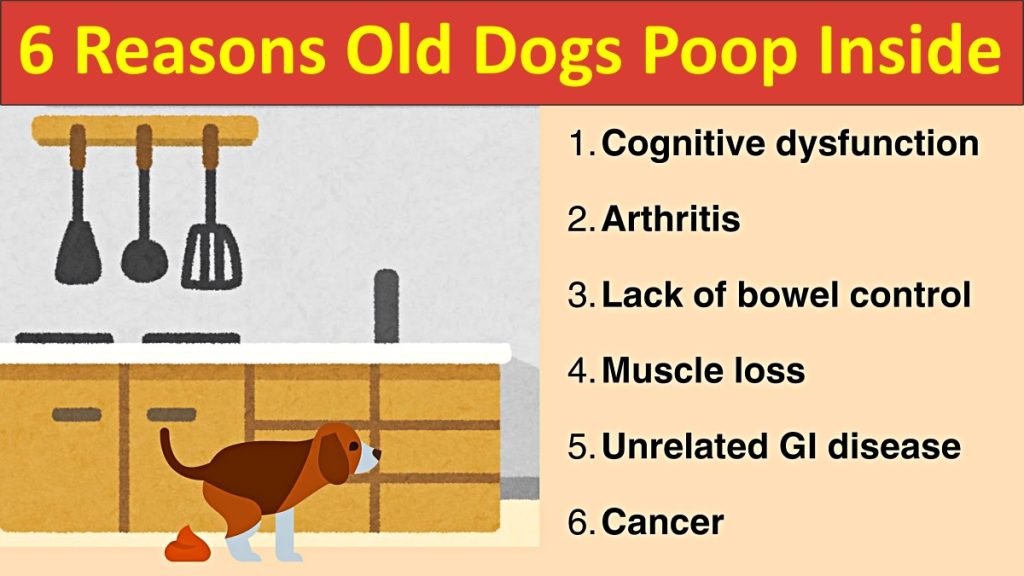
Older dogs might face incontinence or cognitive decline, which can also lead to accidents. Have you noticed any other symptoms like diarrhea, lethargy, or changes in appetite? These signs could point to an underlying medical cause.
Behavioral Problems
Behavior often plays a big role in why your dog chooses your bed as a bathroom spot. Dogs sometimes mark territory or act out because they seek attention or feel neglected. Has your dog recently experienced changes in routine or family dynamics?
Some dogs develop bad habits if they aren’t properly house-trained or if previous training was inconsistent. You can work on reinforcing good bathroom habits by establishing a strict schedule and rewarding your dog when they go outside.
Stress And Anxiety
Dogs don’t always express stress the way humans do. Pooping on the bed can be a sign your dog is anxious or overwhelmed. Changes like moving to a new home, loud noises, or separation from you might trigger this reaction.
Have you noticed your dog pacing, whining, or showing other signs of stress? Creating a calm environment and providing comfort can reduce anxiety. Sometimes, simple changes like a cozy crate or extra playtime help your dog feel secure.
Medical Conditions To Watch For
Sometimes, dogs may poop on the bed due to medical issues. Identifying these conditions can help address the problem effectively. Let’s explore some common health concerns.
Gastrointestinal Disorders
Digestive issues can lead to unexpected accidents. Dogs with upset stomachs might not reach their usual spot in time. Diarrhea and vomiting are common signs. If these occur, consult a vet.
Incontinence
Incontinence means the dog can’t control its bowels. This can happen with age or due to illness. Medicines or surgical options might help, so seek professional advice.
Parasites And Infections
Parasites like worms can cause digestive upset. Infections can also lead to bed accidents. Watch for weight loss or blood in stool. Regular vet check-ups can prevent these issues.
Behavioral Reasons Behind The Act
Understanding why your dog poops on the bed involves looking at their behavior. Dogs communicate in many ways, and sometimes this act is a message. It often reflects their feelings, needs, or confusion. Recognizing these behavioral reasons helps solve the problem.
Territorial Marking
Dogs use poop to mark their territory. The bed smells like their owner and family. Leaving waste there can be a way to claim the space. This often happens when a dog feels insecure or threatened. It shows their need to protect their place in the home.
Attention-seeking Behavior
Dogs want attention from their owners. If they feel ignored, they may act out. Pooping on the bed grabs immediate focus. Even negative attention can seem better than no attention. This behavior signals a desire for interaction and care.
Lack Of Proper Training
Some dogs have not learned where to go outside. Without clear training, they may soil the bed by mistake. Puppies and new dogs especially need consistent guidance. Training helps them understand boundaries and safe places to relieve themselves.
Credit: www.petsradar.com
The Role Of Anxiety And Stress
Dogs often use their bathroom habits to communicate how they feel. Anxiety and stress can cause even the most well-trained dogs to poop on the bed. Understanding these emotional triggers helps you address the problem more effectively and strengthens your bond with your furry friend.
Separation Anxiety
When your dog feels abandoned or lonely, they might act out by pooping on the bed. This behavior is a way to cope with the panic they experience when left alone.
Have you noticed your dog following you constantly or whining when you prepare to leave? These signs often accompany separation anxiety. To help, try leaving comforting items like a favorite toy or a piece of your clothing on the bed.
Changes In Environment
Moving to a new home or rearranging furniture can confuse your dog and cause stress. Your dog might poop on the bed because they feel unsettled or insecure in the changed surroundings.
Try keeping their routine consistent and give them time to adjust. Offering extra attention and positive reinforcement during this period can ease their anxiety and reduce accidents.
Loud Noises Or New Stimuli
Thunderstorms, fireworks, or even a new appliance can startle your dog and trigger stress-related behaviors like pooping on the bed.
Have you noticed a pattern between these events and your dog’s accidents? Creating a quiet, safe space with familiar blankets can help your dog feel protected. Calming aids like anxiety wraps or soothing music may also provide relief.
How To Prevent Bed Soiling
Stopping your dog from pooping on the bed needs clear action and patience. You can create a cleaner, more comfortable space for both of you. Focus on building good habits, checking health, and easing your dog’s stress. This helps prevent accidents and strengthens your bond.
Routine And Training
Keep a consistent daily schedule for feeding and bathroom breaks. Take your dog outside at regular times. Praise your dog for going outside, not inside. Use simple commands to teach where to go. Clean accidents with odor removers to stop repeat behavior. Avoid punishment; it can cause fear and confusion.
Medical Checkups
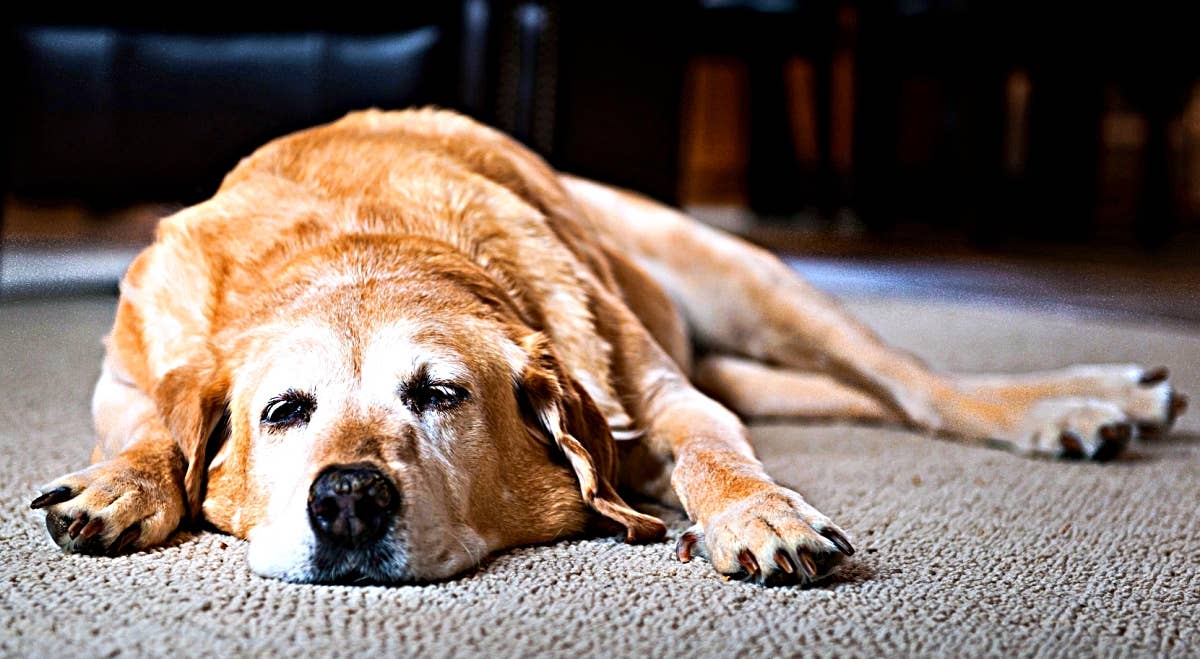
Visit the vet to rule out health problems. Conditions like infections or digestive issues can cause accidents. Older dogs might have trouble controlling their bowels. Your vet can suggest treatments or diet changes. Regular checkups keep your dog healthy and comfortable.
Stress Reduction Techniques
Stress can make dogs act out. Provide a quiet, safe space for your dog to relax. Offer toys and chew items to distract and calm them. Spend quality time to build trust and reduce anxiety. Gentle massage and soft music can soothe nervous dogs. Watch for signs of stress and address them quickly.
Credit: pethelpful.com
Cleaning And Deodorizing Tips
Dealing with the mess and smell after your dog poops on the bed can be frustrating. But cleaning and deodorizing the area properly is key to keeping your bedroom fresh and preventing your dog from repeating the behavior. Let’s look at some practical tips that make cleanup easier and more effective.
Effective Cleaning Methods
Start by removing any solid waste carefully using disposable gloves and paper towels. Avoid rubbing the stain deeper into the fabric; instead, blot gently to lift as much as possible.
Use cold water to rinse the stained area before applying any cleaning solution. Hot water can set the stain and odor, making it harder to remove.
After rinsing, apply an enzymatic cleaner designed for pet stains. These cleaners break down organic matter, eliminating both stains and smells at the source.
Choosing The Right Products
Look for cleaners labeled “enzymatic” or “pet stain remover” to ensure they target biological stains effectively. Avoid harsh chemicals like bleach, which can damage fabric and irritate your dog’s skin.
For fabrics that can’t be soaked, spray the cleaner and let it sit for 10–15 minutes before blotting with a clean cloth. This gives the enzymes time to work.
If you prefer natural options, white vinegar mixed with water can neutralize odors, but test it on a small patch first to avoid discoloration.
Preventing Future Accidents
After cleaning, make the bed less appealing for your dog by keeping it covered or restricting access. Consider using a waterproof mattress protector to simplify future cleanups.
Ask yourself: Is your dog feeling anxious or confused about where to go? Addressing underlying causes through training or routine changes can reduce accidents.
Reward your dog for going outside and keep a consistent bathroom schedule. Positive reinforcement goes a long way in teaching your pet proper habits.
Frequently Asked Questions
Why Did My Dog Poop On The Bed Suddenly?
Sudden bed pooping can signal stress, illness, or anxiety. Changes in routine or environment may confuse your dog. A vet checkup can rule out health issues. Consistent training and comfort help prevent this behavior.
How Can I Stop My Dog From Pooping On Bed?
Clean the area thoroughly to remove odors. Reinforce regular bathroom breaks and praise outside elimination. Use crate training or restrict bedroom access temporarily. Address any health or anxiety issues with your vet.
Does Anxiety Cause Dogs To Poop On The Bed?
Yes, anxiety often triggers inappropriate elimination. Dogs may poop on beds for comfort or stress relief. Identifying and reducing anxiety triggers is crucial. Professional behavior training or calming aids can help.
Could My Dog Be Sick If It Poops On Bed?
Illness like digestive problems or infections can cause accidents. If behavior is sudden or accompanied by other symptoms, see a vet. Early diagnosis prevents worsening and ensures proper treatment.
Conclusion
Dogs pooping on the bed can be frustrating and confusing. It often signals a health or behavior issue. Understanding your dog’s needs helps prevent accidents. Patience and consistent training make a big difference. Always check for medical problems with your vet first.
Creating a calm, safe space comforts your dog too. Cleaning the area quickly stops repeat messes. Remember, your dog isn’t being naughty on purpose. Showing love and care builds trust and good habits. Small steps lead to a cleaner, happier home for both.
Keep observing and adjusting to your dog’s signals.

Emily Barker is the founder of ChillDogLife.com, a space dedicated to helping pup parents discover the best dog products, lifestyle tips, and cozy ideas for happier homes.
A lifelong dog lover, Emily combines her passion for pets with a knack for research to share trusted recommendations on everything from toys and furniture to health and everyday care.
Her goal is simple: to make life easier, stylish, and more joyful for dogs and the people who love them.




