
Have you ever wondered what your dog is really trying to tell you? Understanding the signs of dog behavior can unlock a whole new level of connection between you and your furry friend.
When you know what to look for, you can spot when your dog is happy, stressed, or needs help. This not only keeps your pet safe but also strengthens the bond you share. Keep reading, and you’ll discover simple clues that reveal your dog’s true feelings—making every moment together even more special.
Body Language Signals
Dogs use their bodies to show how they feel. Watching their signals helps us understand them better.
Body language shows if a dog is happy, scared, or upset. Learn to read these signs to communicate well.
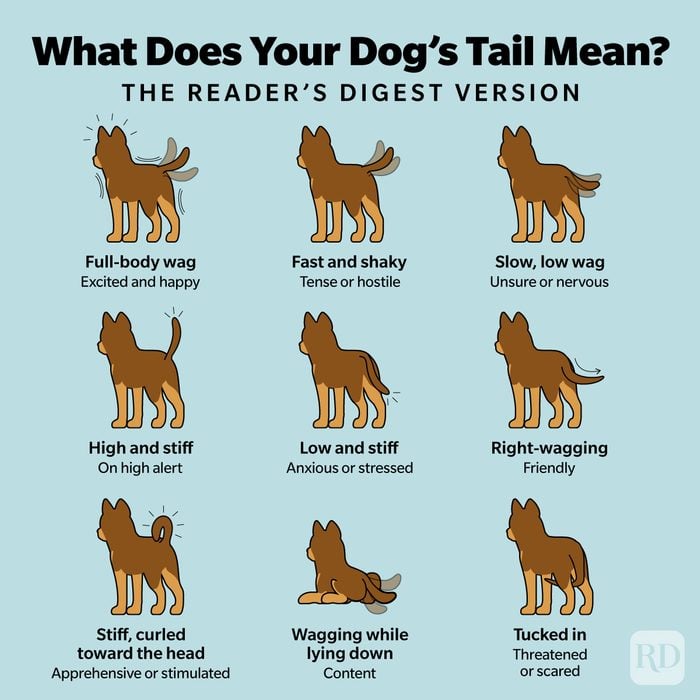
Tail Movements
A dog’s tail tells a lot about its mood. The position and movement show feelings like happiness or fear.
A wagging tail usually means the dog is happy. A stiff, raised tail can show alertness or tension.
- Wagging tail: friendly or excited
- Tail low or tucked: scared or anxious
- Tail stiff and high: alert or aggressive
- Slow tail wag: cautious or unsure
Ear Positions
Dog ears show emotions clearly. Their position changes based on how the dog feels.
Ears up usually mean the dog is curious or alert. Ears back can mean fear or submission.
- Ears forward: interested or alert
- Ears relaxed: calm and happy
- Ears back: scared or submissive
- Ears flat against head: fearful or stressed
Eye Contact
Dogs use their eyes to send messages. How they look at you shows their mood and intentions.
Soft eye contact means trust and comfort. Staring can be a sign of challenge or stress.
- Soft gaze: relaxed and friendly
- Avoiding eyes: nervous or submissive
- Hard stare: warning or challenge
- Blinking slowly: calm and happy
Vocal Cues
Dogs use sounds to communicate their feelings and needs. Understanding these vocal cues helps us know what our dogs are saying.
Each sound has a meaning. Barking, whining, and growling are common dog sounds.
Barking Types
Dogs bark for many reasons. They may be alerting you to something or trying to get your attention.
Barking can also mean the dog is excited or bored. Listening to the tone helps you understand the reason.
- Short barks may signal excitement
- Continuous barking might mean boredom
- Low barks can be a warning
Whining And Whimpering
Whining and whimpering are often signs of discomfort or anxiety. Dogs may whine when they want something.
These sounds can also show fear or stress. Comforting your dog may help reduce these sounds.
- High-pitched whining can mean anxiety
- Soft whimpers may indicate pain
- Persistent whining often signals a need
Growling Sounds
Growling is usually a warning. Dogs growl when they feel threatened or protective.
Sometimes, growling is part of play. It’s important to watch your dog’s body language.
- Deep growls can be a serious warning
- Playful growls are usually softer
- Growling with tail wagging may be play
Facial Expressions
Dogs use facial expressions to show how they feel. These signs help owners understand their pets better.
Watching a dog’s face closely can tell you if it is happy, scared, or angry.
Mouth And Lip Movements
A dog’s mouth and lips show many feelings. A relaxed mouth often means the dog is calm.
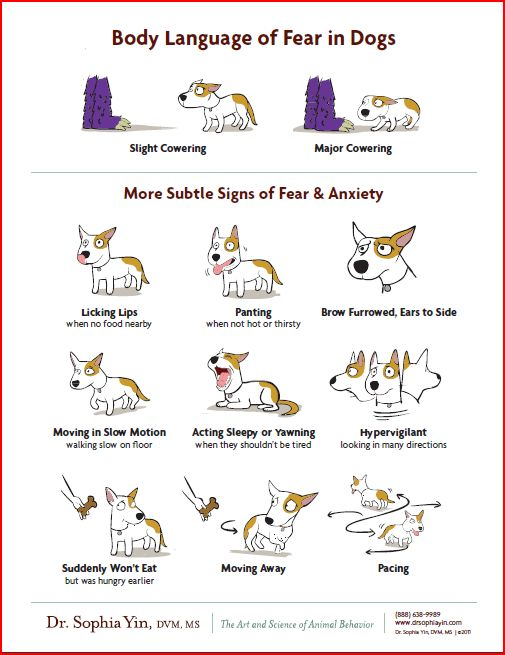
Lip licking or tight lips can mean the dog feels nervous or uneasy.
- Open mouth with tongue out shows happiness
- Tight lips can mean stress or anger
- Licking lips often signals nervousness
Raised Hackles
Raised hackles are the hair standing up on a dog’s back or neck. It shows strong feelings.
This usually means the dog feels threatened, scared, or excited.
- Raised hackles often warn of fear or aggression
- Can happen during play when dogs are excited
- Watch other signs to know what the dog feels
Yawning And Licking
Yawning and licking are common signs dogs use to calm themselves. They can mean stress or tiredness.
Sometimes dogs yawn or lick to show they are not a threat.
- Yawning may show stress or boredom
- Licking lips can mean nervousness
- Both can be calming signals to others

Credit: www.yahoo.com
Posture And Stance
Dogs use their posture and stance to show how they feel. Watching these signs helps you understand their mood.
Posture can tell if a dog is calm, playful, or scared. Learning these signs can improve your bond with your dog.
Relaxed Vs. Tense Posture
A relaxed dog stands or lies with loose muscles and a soft body. Their tail may wag gently, and ears are in a natural position.
A tense dog has stiff muscles and holds its body rigid. The tail may be straight or tucked, and ears often point forward or back.
- Relaxed:Loose muscles, soft eyes, wagging tail
- Tense:Stiff body, fixed stare, tail stiff or low
Play Bow
The play bow is when a dog lowers its front legs and keeps its rear up. This shows the dog wants to play.
This posture is friendly and invites fun. It helps dogs start a game safely with other dogs or people.
- Front legs stretched forward
- Rear end raised
- Tail wagging or relaxed
Defensive Stance
A defensive stance means the dog feels threatened or scared. The dog may lower its body and keep its tail close.
The dog might growl, show teeth, or stare hard. This posture warns others to stay away.
- Body low and stiff
- Tail tucked or low
- Ears back or flat
- Growling or showing teeth
Behavioral Patterns
Dogs show many behaviors that tell us how they feel. Watching these signs helps us understand them better.
Some behaviors are easy to spot. Others need close attention to see what the dog wants or feels.
Seeking Attention
Dogs often seek attention to feel loved or to get what they want. They may bark, paw, or nudge you.
These actions show they want your focus or to join in on activities.
- Barking to call you
- Jumping up on people
- Pawing at your hand or leg
- Following you around the room
Avoidance And Hiding
Dogs hide or avoid people when they feel scared or stressed. This helps them feel safe.
They may hide under furniture or stay in quiet corners away from noise or strangers.
- Hiding under tables or beds
- Turning away or avoiding eye contact
- Staying in quiet, dark spaces
- Lowering their body or tail
Destructive Actions
Destructive behavior happens when dogs feel bored, anxious, or need exercise. They may chew or dig.
This behavior shows that the dog needs more attention or mental stimulation.
- Chewing furniture or shoes
- Digging holes in the yard
- Scratching doors or walls
- Destroying toys or bedding
Social Interactions
Dogs show many signs during social interactions. These signs help us understand their feelings and intentions. Watching their behavior can keep dogs and people safe.
Each dog acts differently with other dogs, strangers, and family members. Learning these signs helps us care for them better.
Greeting Other Dogs
When dogs meet, they use body language to say hello. Some signs show friendliness, while others warn to stay away.
- Wagging tail means excitement or friendliness.
- Sniffing each other is a way to learn about the other dog.
- Play bow shows a dog wants to play.
- Raised hackles may mean the dog feels threatened.
- Growling or showing teeth is a warning to stop.
Reaction To Strangers
Dogs react to strangers in many ways. Their reaction depends on past experiences and socialization.
| Behavior | Meaning |
| Approaching with tail wag | Friendly and curious |
| Backing away or hiding | Fear or caution |
| Barking loudly | Alert or warning |
| Growling or showing teeth | Feeling threatened |
Interaction With Family
Dogs show love and trust with their family. They use many signs to express this bond.
- Following family members around the house.
- Licking faces or hands as a sign of affection.
- Resting their head on a family member.
- Bringing toys to invite playtime.
- Relaxed body and soft eyes show comfort.
Stress And Anxiety Signs
Dogs show signs of stress and anxiety in many ways. Watching their behavior helps you understand their feelings.
Recognizing these signs early can improve your dog’s comfort and well-being.
Pacing And Restlessness
Pacing is a common sign of stress in dogs. They walk back and forth without a clear purpose.
Restlessness shows they cannot relax. This may happen before a loud noise or when they feel unsafe.
- Walking in circles or along a path
- Unable to settle in one spot
- Frequent changes in position
Excessive Panting
Dogs pant to cool down. But heavy panting can mean stress or anxiety.
Look for panting that happens without heat or exercise. It may show your dog feels nervous or scared.
- Rapid breathing with open mouth
- Tongue hanging out more than usual
- Signs of discomfort or trembling
Chewing And Digging
Dogs chew and dig to relieve stress. These actions help them feel better.
Look for chewing on objects or digging in the yard without clear reason. These may show anxiety.
- Chewing furniture, shoes, or toys
- Digging holes in the garden or floor
- Destructive behavior when alone or upset
Credit: medium.com
Credit: www.rd.com
Frequently Asked Questions
What Are Common Signs Of Dog Behavior To Watch?
Common signs include tail wagging, barking, growling, and body posture. These indicate emotions like happiness, fear, or aggression. Observing these helps understand your dog’s mood and needs effectively.
How Can I Tell If My Dog Is Stressed?
Look for pacing, whining, excessive licking, or hiding. These behaviors often signal stress or anxiety. Recognizing stress early helps you provide comfort and reduce triggers.
Why Does My Dog Bark Excessively?
Dogs bark to communicate alertness, excitement, or boredom. Excessive barking may indicate anxiety or lack of stimulation. Addressing this involves training, exercise, and mental engagement.
What Does A Wagging Tail Really Mean?
A wagging tail usually signals happiness, but context matters. Fast wagging can mean excitement, while slow wagging might indicate uncertainty. Observing overall body language clarifies your dog’s feelings.
Conclusion
Understanding your dog’s behavior helps build a strong bond. Dogs show feelings through actions, not words. Watch their body language and sounds to know their mood. Responding kindly to their signs creates trust and happiness. Every dog is unique, so pay close attention.
This knowledge makes care easier and life better for both. Keep learning and enjoy the special connection you share.

Emily Barker is the founder of ChillDogLife.com, a space dedicated to helping pup parents discover the best dog products, lifestyle tips, and cozy ideas for happier homes.
A lifelong dog lover, Emily combines her passion for pets with a knack for research to share trusted recommendations on everything from toys and furniture to health and everyday care.
Her goal is simple: to make life easier, stylish, and more joyful for dogs and the people who love them.




