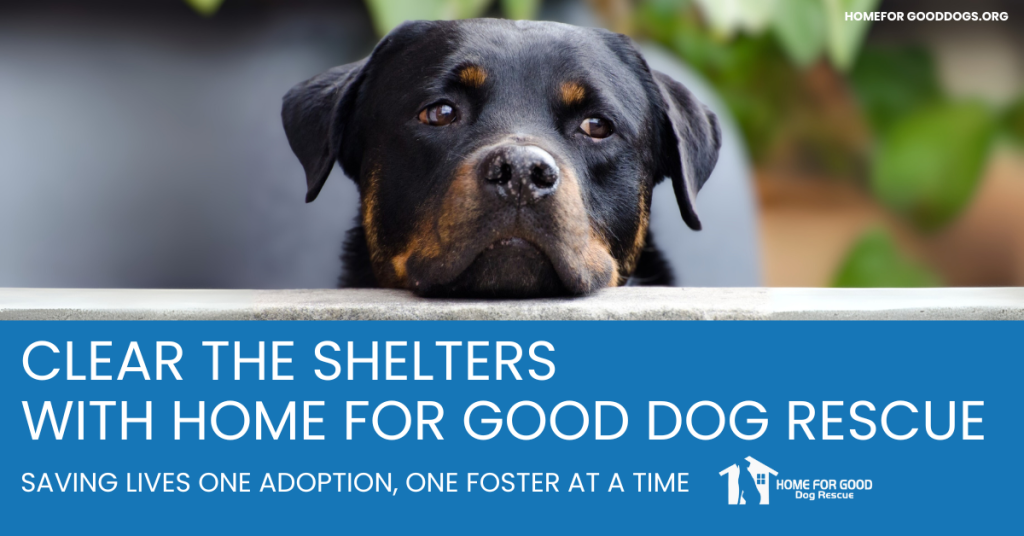
Are you thinking about giving a loving dog a second chance? Finding a good dog rescue can change not just one life, but yours too.
Imagine the joy of welcoming a loyal friend who’s been waiting just for you. But how do you know which rescue is trustworthy and truly cares for its dogs? Keep reading to discover what makes a dog rescue stand out and how you can find the perfect place to start your new friendship.
Your next best friend is closer than you think.
Why Dog Rescue Matters
Understanding why dog rescue matters can change the way you see homeless pets. It’s not just about saving one dog; it’s about reshaping lives and communities. When you support or adopt from a rescue, you become part of a larger solution that benefits both animals and people.
The Impact Of Rescue On Dogs
Rescue gives dogs a second chance at life. Many dogs arrive at rescues scared or injured, but with proper care, they heal quickly. You see a transformation that goes beyond just physical health—rescue dogs often become loving, loyal companions.
Think about a dog you’ve met that was once abandoned. How different is their life now? This change proves that rescue work brings hope and happiness, often where it seemed impossible.
Benefits For Communities
Dog rescues create safer neighborhoods. Stray dogs can cause accidents or spread diseases, but rescues reduce these risks. Communities also feel the positive effects of responsible pet ownership promoted by rescues.
When you adopt or volunteer, you help build a culture of compassion. This encourages others to treat animals with respect and care. Wouldn’t you want your neighborhood to be a place where every dog is valued?
How Rescues Reduce Homeless Pets
Rescues lower the number of homeless pets by providing shelter and medical care. They also work hard to find forever homes through adoption events and outreach programs. These efforts directly cut down the number of dogs left on the streets.
By spaying and neutering, rescues prevent unwanted litters, breaking the cycle of pet overpopulation. Imagine if every dog owner took this step—how much smaller the homeless pet problem would be.

Credit: homeforgooddogs.org
Starting A Dog Rescue
Creating a good dog rescue means providing safe shelter and care for abandoned dogs. Strong teamwork and clear rules help dogs find loving homes quickly. Caring for each dog with patience makes the rescue successful and trusted.
Starting a dog rescue is a noble venture that can transform not just the lives of countless dogs but also your own. It requires passion, dedication, and a bit of strategy. If you’ve ever dreamed of providing a safe haven for dogs in need, knowing where to start can make all the difference. Here are some key areas to consider as you embark on this rewarding journey.Essential Requirements
Before you dive in, ensure you meet the basic requirements for starting a dog rescue. First, research and comply with local regulations and licensing requirements. This often involves registering as a nonprofit and getting the necessary permits. Financial stability is crucial. You’ll need funding for food, medical care, and shelter for the dogs. Consider setting up a crowdfunding campaign or seeking sponsorships from local businesses. Knowledge about animal care is essential. You can learn through volunteering at other rescues or taking courses on animal welfare. Understanding canine behavior will help you better care for your rescues.Choosing The Right Location
The location of your dog rescue plays a critical role in its success. Look for a space that is accessible to volunteers and adopters yet offers enough privacy for the animals to feel safe. Consider the size of the property. You’ll need enough room for kennels, play areas, and possibly a quarantine space for new arrivals. An outdoor space where dogs can exercise and socialize is a big plus. Think about the community. Are there nearby amenities like veterinary clinics and pet supply stores? Being part of a pet-friendly neighborhood can increase support and visibility for your rescue.Building A Support Network
A strong support network is the backbone of any successful dog rescue. Start by connecting with local veterinarians, who can provide crucial medical care and advice. Volunteers are invaluable. Reach out to animal lovers through social media and community events. Their help can range from walking dogs to assisting with administrative tasks. Don’t underestimate the power of partnerships. Collaborate with other rescues and shelters to share resources and knowledge. By working together, you can achieve more and help even more dogs find loving homes. Starting a dog rescue is no small feat, but with the right preparation and support, you can create a sanctuary that changes lives. Are you ready to make a difference?Caring For Rescued Dogs
Caring for rescued dogs requires patience, attention, and a deep understanding of their unique needs. These dogs often come from challenging backgrounds and may need extra support to thrive in their new homes. By focusing on their health, nutrition, and behavior, you can help your rescued dog feel safe and loved while building a strong bond.
Health And Medical Needs
Rescued dogs often arrive with unknown medical histories. Your first step should be a thorough veterinary check-up to identify any immediate health issues. Vaccinations, parasite control, and dental care are essential parts of their initial medical needs.
Many rescued dogs suffer from untreated conditions that can worsen without proper care. Regular vet visits will help you catch problems early. Have you noticed subtle signs like lethargy or changes in appetite that might indicate a hidden health problem?
Nutrition And Exercise
Nutrition plays a vital role in your rescued dog’s recovery and well-being. Choose high-quality dog food suited to their age, size, and any special health concerns. You might need to adjust their diet gradually if they come from a poor nutritional background.
Exercise is equally important. Start with short, gentle walks and increase activity based on your dog’s comfort level. Remember, consistent exercise not only improves physical health but also reduces anxiety and destructive behaviors.
Behavioral Training And Socialization
Many rescued dogs carry emotional scars that affect their behavior. Positive reinforcement training builds trust and confidence. Use treats and praise to encourage desired behaviors rather than punishment, which can increase fear.
Socialization is critical, but it must be paced carefully. Introduce your dog to new people, pets, and environments slowly. Ask yourself: does your dog show signs of stress or curiosity? Adjust your approach accordingly to avoid overwhelming them.
Finding Forever Homes
Finding forever homes for rescue dogs takes care and effort. It means more than just handing over a dog. It requires matching the right dog with the right family. This process ensures happy lives for both dogs and adopters. The rescue team follows careful steps to achieve this goal.
Screening Potential Adopters
Screening potential adopters helps find responsible and loving owners. The rescue team asks questions about lifestyle, home environment, and experience with dogs. They check if the adopter can meet the dog’s needs. This step reduces the risk of dogs returning to shelters. It protects the dog’s well-being and safety.
Matching Dogs With Families
Matching dogs with families involves understanding both sides. The team looks at the dog’s personality, energy level, and special needs. They consider the family’s lifestyle, space, and preferences. This careful match helps dogs settle well and feel loved. It also makes the adoption successful and lasting.
Post-adoption Support
Post-adoption support keeps the bond strong after adoption. The rescue offers advice on training, health, and behavior. They stay available to answer questions or help with problems. This support helps families and dogs adjust to new life. It increases the chance of happy, lifelong homes.
Volunteer And Community Involvement
Volunteering at A Good Dog Rescue is more than just lending a hand—it’s about becoming part of a community that transforms lives. Your involvement helps create a safe space for dogs in need and builds a network of support that extends far beyond the rescue itself. How can your time and skills make a real impact here?
Roles Volunteers Can Play
Volunteers wear many hats at A Good Dog Rescue. You might walk dogs, help with their training, or assist in daily care routines. Your presence can ease a dog’s transition into a new environment and boost their chances of finding a forever home.
Behind the scenes, you could manage adoption paperwork or update social media pages. Each role supports the rescue’s mission, no matter how hands-on or administrative it may seem. Have you considered which role fits your strengths and passions?
Organizing Fundraisers And Events
Raising funds keeps the rescue running and helps provide medical care, food, and shelter. You can lead efforts to organize bake sales, charity runs, or online auctions. These events bring the community together and raise crucial awareness.
Think about your network—friends, coworkers, local businesses. How can you engage them to support these causes? Even small events can create big waves of support when everyone pitches in.
Raising Awareness And Education
Volunteers play a key role in educating the public about responsible pet ownership and the importance of rescue efforts. You might speak at schools, host workshops, or share stories on social media. These actions help change perceptions and inspire more people to get involved.
Sharing your personal experience with rescue dogs can be powerful. Have you thought about how your story could motivate someone else to open their heart and home?

Credit: www.youtube.com
Challenges And Rewards
Rescuing dogs brings both challenges and rewards. It requires dedication and patience. The effort can be tough but deeply satisfying. Understanding these aspects helps appreciate the work behind every happy rescue story.
Common Obstacles In Dog Rescue
- Finding enough funds for medical care and shelter
- Handling dogs with behavioral or health issues
- Locating safe and loving forever homes
- Managing time for training and socialization
- Dealing with emotional stress from difficult cases
Emotional Fulfillment
Witnessing a dog’s recovery feels rewarding. Every small progress brings joy. Rescuers build strong bonds with the dogs. The gratitude from animals is pure and inspiring. Helping a dog find a family is deeply satisfying.
Long-term Impact On Lives
Rescue work changes both dogs and people. Dogs gain a second chance at life. Families receive loyal, loving companions. Communities grow more aware of animal welfare. The ripple effect of rescue spreads kindness and care.

Credit: www.realgood.dog
Frequently Asked Questions
What Makes A Good Dog Rescue Stand Out?
A good dog rescue focuses on animal welfare and proper care. They provide medical treatment, socialization, and safe shelter. Their goal is to find loving, permanent homes. They also educate the community on responsible pet ownership.
How Can I Adopt From A Good Dog Rescue?
Visit their website or contact them directly to view available dogs. Complete an adoption application and interview. Meet the dog to ensure compatibility. Follow their adoption process, which often includes a home check and adoption fee.
Why Choose A Dog Rescue Over A Breeder?
Dog rescues save abandoned or abused dogs, giving them a second chance. Adopting from rescues reduces pet overpopulation. Rescued dogs are often vaccinated, spayed, or neutered. This choice supports animal welfare and responsible pet ownership.
What Support Do Dog Rescues Provide Post-adoption?
Good rescues offer guidance on training and health care. They may provide follow-up visits or calls. Some rescues have resources for behavioral advice. They aim to ensure a smooth transition and long-term success for the dog and owner.
Conclusion
Choosing a good dog rescue helps save many dogs’ lives. These rescues offer care, love, and safe homes. They work hard to find the right family for each dog. Supporting or adopting from them makes a big difference. Every dog deserves kindness and a fresh start.
Trusting a good rescue means you help dogs find happiness. Think about giving a dog a second chance today. Small actions can bring big joy to both dogs and people.

Emily Barker is the founder of ChillDogLife.com, a space dedicated to helping pup parents discover the best dog products, lifestyle tips, and cozy ideas for happier homes.
A lifelong dog lover, Emily combines her passion for pets with a knack for research to share trusted recommendations on everything from toys and furniture to health and everyday care.
Her goal is simple: to make life easier, stylish, and more joyful for dogs and the people who love them.




