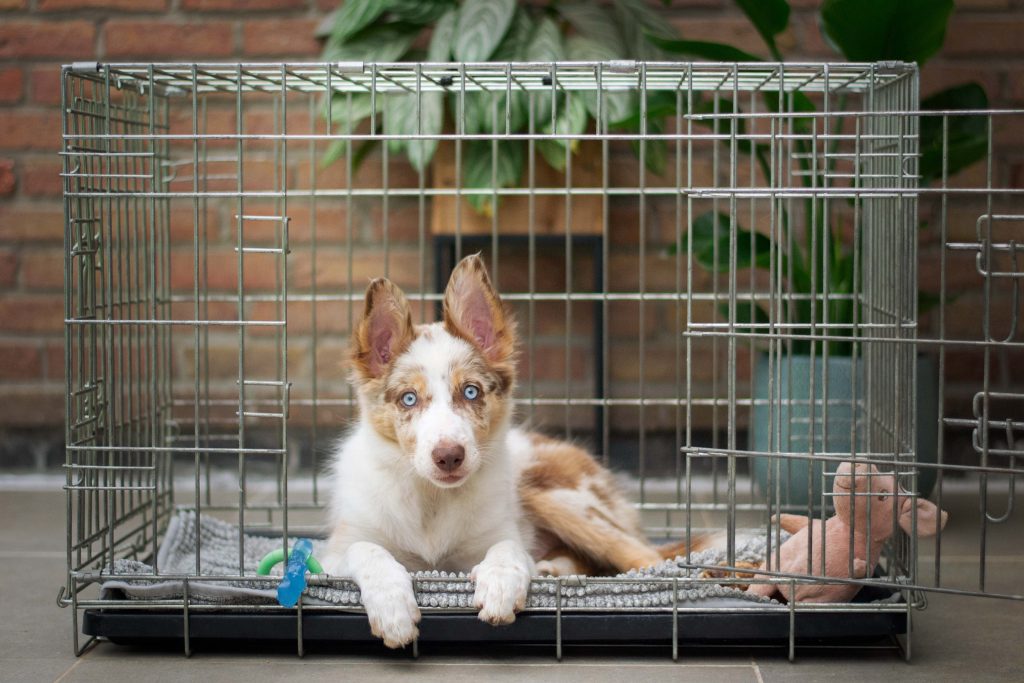
Are you struggling to find a safe and comfortable space for your dog at home? Crate training might be the solution you’ve been looking for.
When done right, it creates a cozy spot your dog will love, while giving you peace of mind. Imagine your dog happily resting in their own space, feeling secure and calm. You’ll discover simple, step-by-step tips to make crate training easy and effective for both you and your furry friend.
Keep reading, and soon your dog will see their crate as a happy place—not a place to fear.
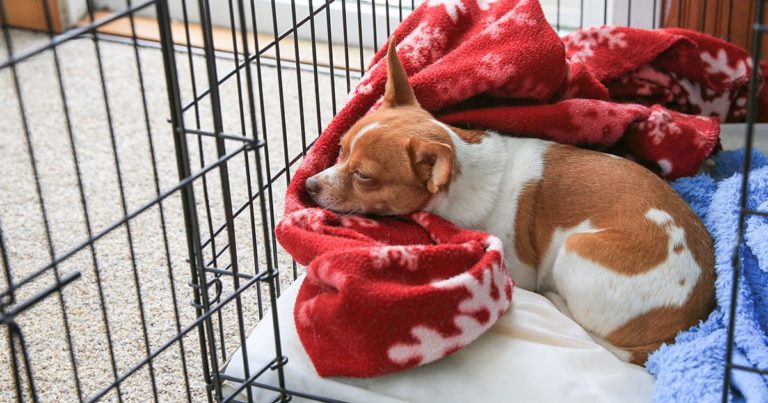
Credit: www.diamondpet.com
Benefits Of Crate Training
Crate training offers more than just a place for your dog to rest. It creates a structured environment that benefits both you and your pet in several important ways. Understanding these benefits can motivate you to start crate training with confidence and patience.
Safety And Security
Your dog’s crate serves as a personal safe zone. It keeps them protected from household dangers when you can’t supervise directly. This is especially useful during times when your dog is unsupervised, like at night or when you’re away.
Think about how a quiet, familiar space can reduce your dog’s anxiety. Many dogs find comfort in having their own den-like area. Have you noticed your dog retreating to certain spots when stressed? A crate can offer that same peace consistently.
Housebreaking Aid
Crate training naturally supports housebreaking by leveraging your dog’s instinct to avoid soiling their sleeping area. When you use the crate properly, it teaches your dog to hold their bladder and bowels until they are let outside.
Consistency is key here. Keeping your dog on a regular schedule for crate time and bathroom breaks speeds up the learning process. Have you tried setting alarms or reminders to take your dog out? This simple habit can make a big difference.
Behavior Management
Crate training helps manage unwanted behaviors by providing a controlled environment. It prevents destructive chewing, excessive barking, and other habits that can develop when your dog is left alone without boundaries.
You can also use the crate to help your dog calm down during overstimulating situations. Introducing the crate as a positive space means your dog will willingly go there to relax. What behaviors in your dog’s routine could improve with this kind of management?
Choosing The Right Crate
Choosing a crate that fits your dog’s size and comfort is important. A crate should be big enough to stand and turn around, but not too large. This helps your dog feel safe and secure during training.
Choosing the right crate for your dog is the cornerstone of effective crate training. It can mean the difference between a happy, comfortable pup and one that’s stressed and anxious. With so many options available, it’s crucial to select a crate that suits your dog’s needs and your living situation.Size And Material
When selecting a crate, size is critical. Your dog should be able to stand, turn around, and lie down comfortably. A crate that’s too small can cause discomfort, while one that’s too large may lead to unwanted behavior, such as using one end as a bathroom. Consider the material of the crate as well. Wire crates offer excellent ventilation and visibility, making them ideal for dogs who prefer being part of the action. Plastic crates are more enclosed, providing a den-like feel that some dogs find comforting. They are also great for travel due to their sturdiness and portability.Types Of Crates
There are several types of crates, each with unique benefits. Wire crates are versatile and often come with dividers, allowing you to adjust the space as your dog grows. They are easy to clean, which is a significant advantage during potty training. Plastic crates, on the other hand, are more secluded and can be ideal for dogs who need a quiet retreat. They provide a sense of security and are commonly used for air travel. Soft-sided crates are lightweight and portable, perfect for small dogs and short trips. However, they may not withstand a determined chewer. Have you ever found your dog chewing on everything? A heavy-duty crate might be the solution. These are made from robust materials designed to withstand even the most persistent escape artists. Choosing the right crate involves balancing your dog’s preferences with practical considerations. What type of crate do you think would suit your dog best?Preparing The Crate
Preparing the crate is a crucial step in making your dog feel safe and eager to use their new space. It’s not just about placing a box in a corner; it’s about creating an inviting environment that your dog will want to be in. Setting up the crate thoughtfully can reduce anxiety and make crate training much smoother.
Creating A Comfortable Space
Start by choosing the right size crate. It should be large enough for your dog to stand, turn around, and lie down comfortably, but not so big that they have room to eliminate in one corner and sleep in another.
Add soft bedding like a blanket or a dog bed to cushion the floor. This makes the crate feel cozy and inviting, turning it into a place your dog looks forward to resting in.
Consider the crate’s location in your home. Place it somewhere quiet but not isolated—dogs want to feel part of the family, not shut away.
Introducing Familiar Scents
Your dog’s sense of smell is powerful and can help them feel secure. Adding items with familiar scents can make the crate feel like home right away.
- Put a piece of your clothing inside the crate. Your scent can comfort your dog during alone times.
- Include your dog’s favorite toy or a blanket they already use. This adds a layer of familiarity and fun.
- If your dog came from a shelter or another home, adding something from that place can ease the transition.
Have you noticed how your dog reacts when they smell something familiar? Using these scents strategically can turn the crate from a strange box into a safe haven.
Introducing The Crate
Introducing the crate to your dog is a crucial step in crate training. The goal is to make the crate a safe and inviting space, not a place of punishment. How you approach this introduction can shape your dog’s comfort and willingness to use the crate.
Positive Association
Start by placing the crate in a common area where your dog spends time. Leave the door open and toss in some tasty treats or favorite toys inside. This helps your dog connect the crate with good things.
Try feeding your dog meals near or inside the crate. This simple act builds a positive link between the crate and enjoyable experiences. Have you noticed how your dog reacts when you bring out their favorite toy? Use that to your advantage here.
Gradual Exposure
Don’t rush your dog into the crate. Let them explore it at their own pace. You might sit nearby and talk softly to encourage curiosity.
Start with short periods of crate time, gradually increasing as your dog becomes more comfortable. Closing the door briefly while you’re nearby can help your dog get used to the idea without feeling trapped.
Pay attention to your dog’s body language. If they seem stressed or anxious, slow down the process. Patience is key to building trust and making the crate a positive space.
Establishing A Routine
Establishing a routine is key to successful crate training. Dogs feel safe and secure when they know what to expect. A steady routine helps reduce anxiety and builds trust in the crate. It also makes training easier and faster.
Consistent Schedule
Set fixed times for crate use every day. Consistency helps your dog learn when it’s time to rest or be quiet. Regular crate times create a sense of security. Avoid random or long gaps between crate sessions. Stick to the same daily schedule to build strong habits.
Meal And Playtime Integration
Use meals and playtime to reinforce crate training. Feed your dog inside the crate to make it a positive place. After eating, let your dog play outside the crate to balance rest and activity. This routine helps your dog see the crate as a safe and happy spot. It also encourages calm behavior and good manners.
Dealing With Resistance
Resistance during crate training is common. Dogs may feel uneasy about the crate at first. Patience and gentle guidance help ease this fear. Understanding your dog’s feelings builds trust. Consistent, calm responses make crate time positive. Avoid pushing the dog too hard. This section shows ways to handle common challenges.
Handling Whining And Barking
Whining and barking signal discomfort or anxiety. Ignore these sounds if they want attention. Responding can teach your dog to repeat them. Use a calm voice to reassure your dog. Offer treats and praise when quiet. Gradually increase crate time to build comfort. Keep sessions short and positive at first. This reduces stress and encourages calm behavior.
Avoiding Forced Confinement
Forcing a dog into a crate causes fear. Never push or drag your dog inside. Let your dog enter the crate freely. Place favorite toys or treats inside to attract them. Open the door and let your dog explore. Reward any steps toward entering the crate. This creates a safe, welcoming space. Respect your dog’s pace for better results.
Extending Crate Time
Extending your dog’s crate time is a crucial part of successful crate training. It helps your pet get comfortable with longer periods inside the crate without feeling anxious or stressed. The key is to increase the duration thoughtfully, always keeping your dog’s comfort in mind.
Increasing Duration Slowly
Start by adding just a few minutes to your dog’s crate time each day. For example, if your dog is used to 15 minutes, try 20 minutes next time. This small step prevents overwhelming your pet and builds trust gradually.
Observe how your dog reacts. If they stay calm and relaxed, increase the time by another 5 to 10 minutes the next day. But if your dog whines or scratches at the crate, it’s a sign to pause or reduce the crate time.
Have you noticed your dog becoming more comfortable after a few days? That’s your cue to keep extending the crate duration steadily. Patience here pays off big in long-term success.
Monitoring Comfort And Stress
Pay close attention to your dog’s body language while inside the crate. Signs of stress include excessive panting, drooling, or constant pacing. If you spot these, it’s important to stop increasing crate time and focus on calming your pet.
Make the crate inviting by adding a soft blanket or your dog’s favorite toy. This can make a huge difference in how your dog feels during longer stays. It’s simple but effective in reducing anxiety.
Ask yourself: Is your dog relaxed or restless during crate time? If they seem uneasy, try shorter sessions with positive reinforcement like treats or praise. Keeping your dog happy inside the crate is more important than pushing for longer periods too fast.
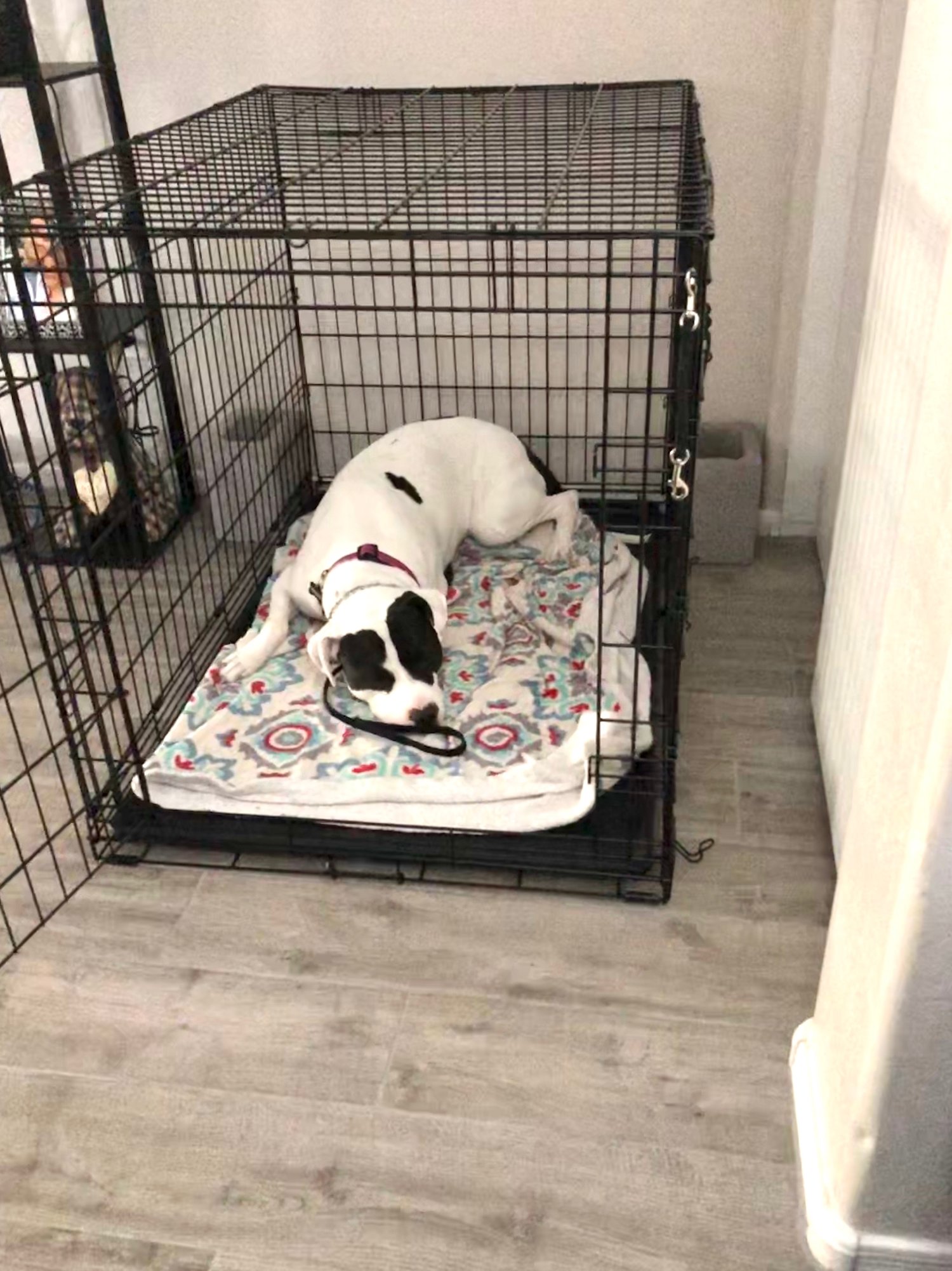
Credit: www.sadiesrulesk9training.com
Using Crate For Travel And Vet Visits
Using a crate for travel and vet visits can make these often stressful experiences much easier for both you and your dog. A familiar crate creates a safe space that helps your dog feel secure in unfamiliar environments. It also keeps your dog contained and protected during car rides and vet appointments.
Travel Safety Tips
Your dog’s crate should be sturdy and well-ventilated. Choose a size that allows your dog to stand, turn around, and lie down comfortably. Secure the crate in your vehicle to prevent it from sliding or tipping during sudden stops.
Bring familiar items inside the crate, like your dog’s favorite blanket or toy. These comforts can reduce stress and make the crate feel like home. Make sure to take breaks on long trips for bathroom and water stops outside the crate.
Reducing Anxiety On Visits
Vet visits can be scary for dogs, but a crate can help by providing a quiet retreat. Before the visit, spend time near the crate at home, feeding your dog treats inside it. This builds positive associations.
At the vet, keep your dog in the crate until it’s time for the appointment. This limits exposure to other animals and people that might cause stress. After the visit, reward calm behavior with praise or treats to reinforce a positive experience.
Common Mistakes To Avoid
Crate training helps dogs feel safe and learn good habits. Many pet owners make mistakes that slow progress or cause stress. Avoiding common errors makes training faster and easier. Pay attention to your dog’s needs and signals during crate time.
Overusing The Crate
Leaving a dog in a crate too long causes discomfort and anxiety. Dogs need exercise, play, and social time outside the crate. Use the crate for short periods at first. Gradually increase time as your dog adjusts. Avoid using the crate as punishment. It should be a positive space.
Ignoring Signs Of Distress
Watch for barking, whining, scratching, or restlessness in the crate. These signs show your dog may feel scared or lonely. Stop crate time and comfort your dog if you see distress. Try shorter crate sessions or add toys and blankets. Always make the crate welcoming and calm.
Credit: www.impactdogcrates.com
Frequently Asked Questions
How Long Does Crate Training Take For Dogs?
Crate training usually takes 1 to 2 weeks with consistent daily practice. Patience and positive reinforcement speed up the process. Every dog learns at their own pace, so be flexible. Avoid rushing to prevent anxiety or fear associated with the crate.
What Size Crate Is Best For My Dog?
Choose a crate just large enough for your dog to stand, turn, and lie down comfortably. Avoid crates that are too big, as dogs may use extra space as a bathroom. Proper size ensures comfort and encourages positive crate association.
How Often Should I Crate Train My Dog Daily?
Start with short sessions of 10 to 15 minutes, gradually increasing to several hours. Puppies need frequent breaks, so avoid long confinement. Consistent, regular crate time helps dogs adjust and feel secure without stress.
Can Crate Training Help With Housebreaking My Dog?
Yes, crate training supports housebreaking by encouraging dogs to hold their bladder. Dogs avoid soiling their sleeping area naturally. Use the crate as part of a regular bathroom schedule for effective training.
Conclusion
Crate training helps your dog feel safe and calm. Be patient and consistent every day. Use treats and praise to encourage good behavior. Keep training sessions short and positive. Dogs learn best with gentle guidance and love. A well-trained dog is happy and confident.
Your efforts will make life easier for both. Trust the process and enjoy the journey. Soon, your dog will love their crate space. Keep practicing, and success will follow naturally.

Emily Barker is the founder of ChillDogLife.com, a space dedicated to helping pup parents discover the best dog products, lifestyle tips, and cozy ideas for happier homes.
A lifelong dog lover, Emily combines her passion for pets with a knack for research to share trusted recommendations on everything from toys and furniture to health and everyday care.
Her goal is simple: to make life easier, stylish, and more joyful for dogs and the people who love them.




