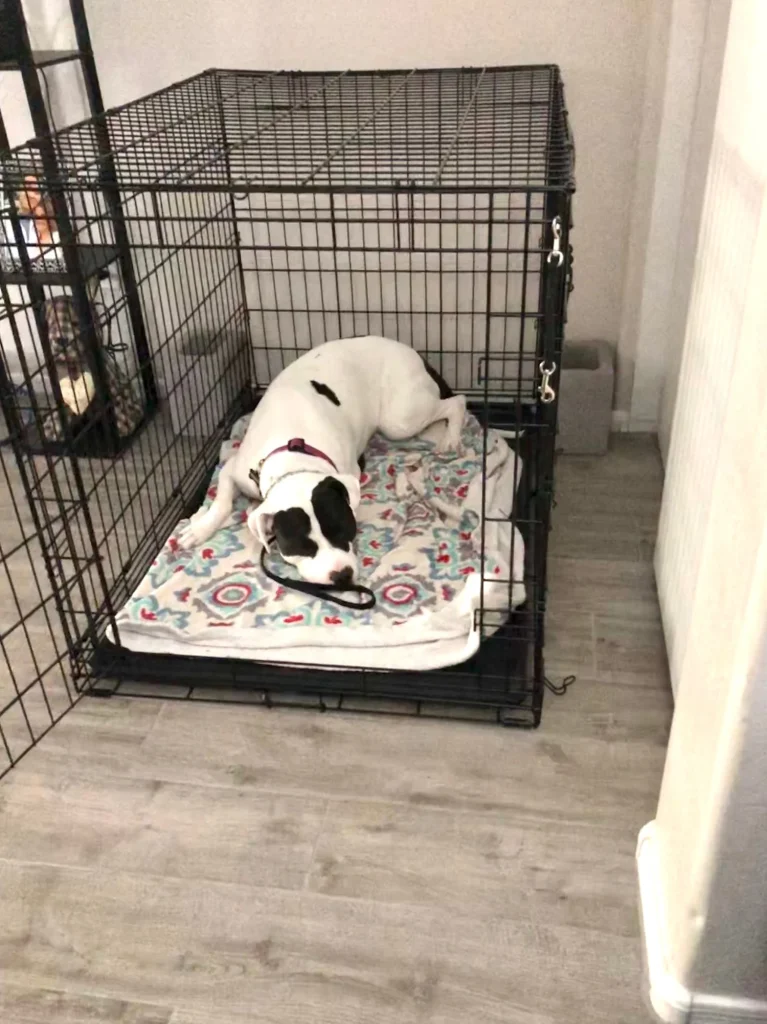
Are you struggling to find a simple way to teach your dog good habits? Crate training might be the answer you’ve been looking for.
It’s more than just a way to keep your dog safe—it can help your furry friend feel secure and calm. Imagine having a peaceful home where your dog listens, stays out of trouble, and feels happy in their own space.
You’ll discover easy steps to crate train your dog effectively, so you both enjoy a better, stress-free life together. Keep reading to unlock the secrets of successful crate training!

Credit: www.skipperspetproducts.com
Choosing The Right Crate
Choosing the right crate is a crucial first step in crate training your dog. The right crate not only provides a safe space but also encourages your dog to enjoy spending time inside. Picking a crate that suits your dog’s size, personality, and your home environment makes the entire training process smoother and more effective.
Size And Comfort
Your dog’s crate should be just the right size—not too big, not too small. It needs to be large enough for your dog to stand up, turn around, and lie down comfortably. Too much extra space might make your dog see it as a playpen, which can delay training.
Think about your dog’s adult size, not just their current size if they’re a puppy. Adding a divider in a larger crate can help you adjust space as your pup grows, saving you from buying multiple crates. Comfort matters too—add a soft bed or blanket to make the crate inviting and cozy.
Types Of Crates
There are several crate options, each with unique benefits. Wire crates are popular because they offer good ventilation and visibility, letting your dog see you and feel less isolated. They often fold flat for easy storage or travel.
Plastic crates provide a more enclosed space, which can feel like a den to some dogs, offering a sense of security. They’re great for travel but less breathable, so watch for signs of overheating. Soft-sided crates are lightweight and portable but best for calm dogs who won’t chew or scratch at the sides.
- Wire crates: airy, visible, foldable
- Plastic crates: cozy, enclosed, good for travel
- Soft crates: lightweight, portable, for gentle dogs
Safe Placement
Where you put the crate affects how your dog feels about it. Choose a quiet spot with low foot traffic to help your dog relax. Avoid direct sunlight or drafty areas to keep the crate comfortable year-round.
Placing the crate in a family room can help your dog feel included without overwhelming them. Have you noticed how your dog reacts to different rooms? Their behavior can guide you to the best spot. Remember, the goal is to make the crate a positive, safe retreat—not a punishment zone.
Introducing The Crate
Crate training helps dogs feel safe and comfortable in their space. Introducing the crate slowly builds trust and makes training easier. Patience and positive rewards guide your dog to enjoy their crate time.
Introducing the Crate Crate training a dog begins with introducing the crate. The crate should feel like a safe space for your dog. It’s important to create a positive first impression. This process requires patience and understanding. Your dog needs to see the crate as a welcoming place. Let’s explore how to make this introduction successful.Making It Inviting
Place the crate in a quiet, comfortable corner. Add soft bedding for coziness. Leave the door open initially. Encourage exploration without pressure. Use treats or toys inside to spark curiosity. The goal is to make the crate appealing. Ensure the crate is the right size. Your dog should stand, turn, and lie down easily. A cramped space will deter interest.Positive Associations
Create positive associations with the crate. Use it during mealtime. Place your dog’s bowl inside the crate. Praise them each time they enter willingly. Offer treats and affection when they explore the crate. This helps build a positive connection. Avoid using the crate for punishment. Negative experiences will hinder progress.First Short Sessions
Start with short crate sessions. Gradually increase the duration as your dog adjusts. Initially, stay nearby for reassurance. Close the door briefly, then open it. Gradual exposure prevents anxiety. Always reward calm behavior. Avoid lengthy sessions too soon. This can cause stress and fear. Patience and consistency lead to success.Building Crate Habits
Building crate habits is key to making your dog feel comfortable and safe in their new space. It’s not just about putting them inside the crate; it’s about creating positive associations so they want to go there on their own. Patience and consistency will help your dog see the crate as their personal retreat, not a punishment.
Feeding Inside The Crate
Start by feeding your dog their meals inside the crate. This simple step creates a positive connection with the space. Place the food bowl at the back of the crate so your dog has to enter fully to eat.
You might notice your dog hesitating at first. That’s normal. Keep the door open during meals to avoid pressure and allow freedom to leave if they want.
Have you tried tossing treats inside the crate randomly throughout the day? It’s an easy way to build excitement and trust without forcing your dog inside.
Gradual Time Increase
Begin by closing the crate door for just a few seconds while your dog is eating or relaxing inside. Slowly add more time as they get used to being inside with the door closed.
Don’t rush this process. If your dog whines or scratches to get out, wait until they are calm before opening the door. This teaches them that calm behavior gets rewarded.
Think about how you’d feel being locked in a small space. Would you want short sessions that gradually get longer? Apply the same logic to your dog to avoid creating anxiety.
Using Commands
Choose a simple command like “crate” or “bed” to signal your dog to enter the crate. Use the command every time you guide them inside. This builds a clear connection between the word and the action.
Pair the command with treats and praise. Your dog will learn that responding to the command leads to rewards, making crate time something to look forward to.
Ask yourself: how consistent are you with using the same word and tone? Consistency helps your dog understand and respond faster.
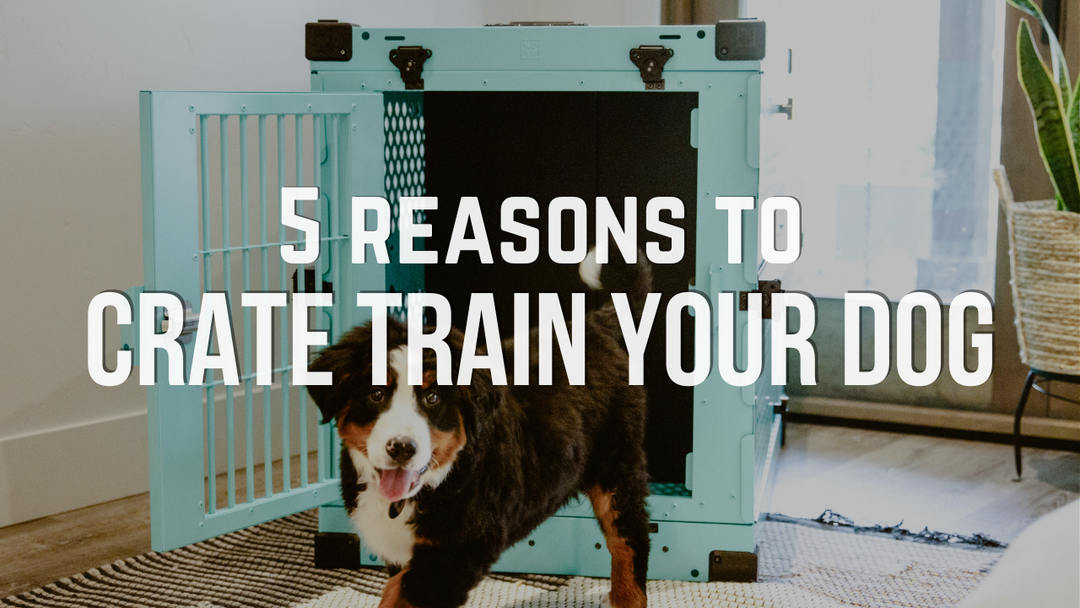
Credit: www.impactdogcrates.com
Handling Challenges
Handling challenges during crate training is common for many dog owners. Patience and calmness help your dog feel safe and secure. Understanding these challenges prevents frustration and builds trust between you and your dog. Each dog reacts differently, so adjust your approach as needed.
Dealing With Whining
Whining is a typical way dogs ask for attention or express discomfort. Avoid giving in immediately, or your dog may learn to use whining for rewards. Check if your dog needs a bathroom break or is hurt. Speak softly and reassure without opening the crate. Gradually increase the time your dog stays quiet inside the crate.
Avoiding Negative Associations
Make the crate a positive place. Avoid forcing your dog inside or using it for punishment. Use treats and toys to create happy moments in the crate. Keep the crate in a lively area so your dog feels part of the family. Praise your dog when it enters willingly to build good memories.
Consistency Tips
- Set a regular schedule for crate time and bathroom breaks.
- Use the same commands and tone of voice every time.
- Keep crate sessions short and gradually increase duration.
- Ensure all family members follow the same rules.
- Respond to whining and barking calmly and consistently.
Crate Training For Different Ages
Crate training suits dogs of all ages but requires different approaches. Puppies, adults, and senior dogs each have unique needs. Understanding these needs helps create a positive crate experience. This section explains crate training for different ages.
Puppies
Puppies need patience and gentle guidance. Start by introducing the crate as a safe space. Use treats and toys to encourage them inside. Keep crate sessions short at first. Gradually increase time as they get comfortable. Puppies need frequent bathroom breaks outside. Never use the crate as punishment. A cozy blanket helps make the crate inviting.
Adult Dogs
Adult dogs may have past crate experiences. Some need extra time to trust the crate. Use calm tones and rewards to create positive associations. Let the dog explore the crate without pressure. Establish a routine for crate time. Avoid forcing the dog inside. Crate training can improve behavior and reduce anxiety.
Senior Dogs
Senior dogs need a softer approach. Their joints might be stiff, so choose a crate with easy access. Provide soft bedding for comfort. Use treats and gentle praise to encourage crate use. Limit crate time to avoid discomfort. Monitor the dog’s health closely during training. Patience and kindness are key to success.

Credit: www.care.com
Crate Safety And Maintenance
Keeping your dog’s crate safe and well-maintained is just as important as the training itself. A clean, secure, and comfortable crate creates a positive environment your dog will want to return to. Neglecting these details can lead to health issues or discomfort, which can slow down the training process.
Cleaning Routine
Regular cleaning prevents odors and bacteria build-up. You should wipe down the crate at least once a week using pet-safe cleaners. Remove bedding and wash it separately to keep everything fresh and inviting.
Accidents happen, so spot clean immediately if your dog soils the crate. This keeps the space hygienic and reduces your dog’s stress. Have you noticed how a clean space can change your dog’s behavior?
Inspecting The Crate
Check the crate regularly for any damage or loose parts. Sharp edges or broken bars can injure your dog or allow an escape. Inspect the door latch and hinges to ensure they work smoothly and securely.
Look for wear and tear on plastic crates or rust on metal ones. A damaged crate might feel less safe to your dog, affecting their willingness to use it. How often do you think about the physical safety of your dog’s crate?
Ensuring Comfort
Make the crate a cozy spot by adding soft bedding and a favorite toy. Avoid overcrowding the crate; your dog should have enough room to stand, turn, and lie down comfortably. Pay attention to temperature—place the crate in a spot that’s not too hot or cold.
Sometimes, switching out bedding material or adjusting the crate’s location can make a big difference in your dog’s comfort. Have you tried changing small things to see how your dog reacts?
Frequently Asked Questions
What Is The Best Age To Start Crate Training?
The ideal age to start crate training is between 8 to 12 weeks. Puppies are more adaptable and learn faster at this stage. Early training helps establish good habits and makes the process easier for both dog and owner.
How Long Should A Dog Stay In A Crate?
A dog should stay in a crate for no more than 3-4 hours during the day. Puppies need shorter intervals, about 1-2 hours. Overnight stays can last up to 8 hours but avoid extended confinement to prevent stress.
How Do You Make A Crate Comfortable For A Dog?
Use soft bedding, familiar toys, and a crate cover to create a cozy space. Ensure good ventilation and place the crate in a quiet area. Comfort helps reduce anxiety and encourages your dog to enjoy the crate.
How Do You Stop A Dog From Whining In The Crate?
Ignore whining initially to avoid reinforcing the behavior. Provide regular bathroom breaks and exercise before crate time. Use positive reinforcement when the dog is calm to build a positive crate association.
Conclusion
Crate training helps your dog feel safe and calm. Start slow and be patient each day. Keep the crate cozy and inviting. Praise your dog for going inside happily. Avoid forcing or rushing the process. Consistency and kindness make training work well.
Soon, your dog will love their crate space. A happy dog means a happy home. Keep practicing and enjoy the bond you build. Simple steps lead to great results in training.

Emily Barker is the founder of ChillDogLife.com, a space dedicated to helping pup parents discover the best dog products, lifestyle tips, and cozy ideas for happier homes.
A lifelong dog lover, Emily combines her passion for pets with a knack for research to share trusted recommendations on everything from toys and furniture to health and everyday care.
Her goal is simple: to make life easier, stylish, and more joyful for dogs and the people who love them.




