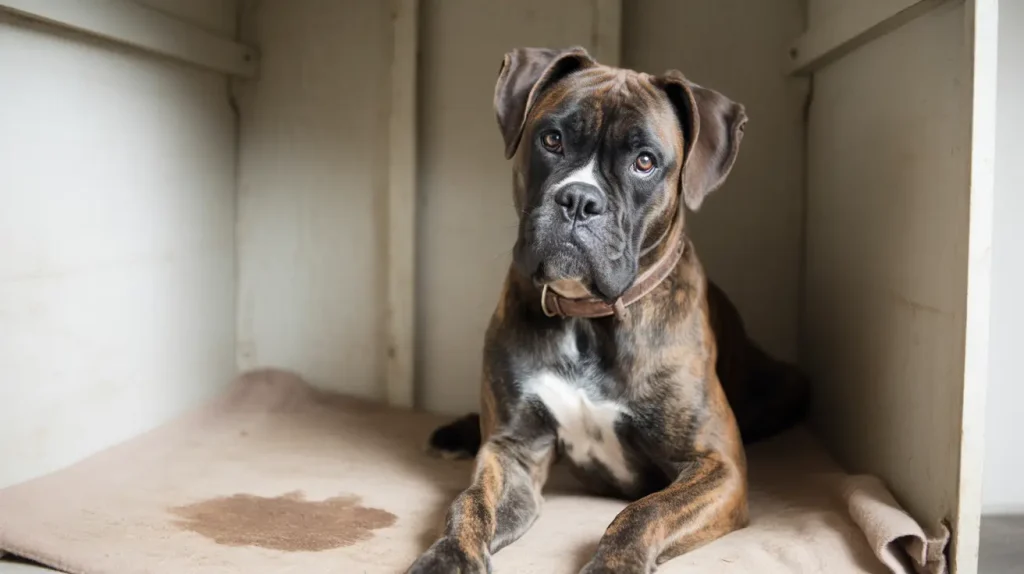
Have you noticed your dog pooping in his kennel and wondered why this keeps happening? It can be frustrating and confusing when your furry friend treats his own space like a bathroom.
You might feel stuck, unsure of what’s causing this behavior or how to stop it. But don’t worry—understanding the reasons behind this habit is the first step to fixing it. Keep reading, and you’ll discover simple, effective ways to help your dog feel comfortable and keep his kennel clean.
Common Causes Of Kennel Pooping
Understanding why your dog keeps pooping in his kennel can be frustrating. Often, the issue stems from common causes that are easy to miss but simple to fix once identified. Knowing these causes helps you take the right steps to create a cleaner, more comfortable space for your furry friend.
Lack Of Proper House Training
Sometimes, dogs don’t fully understand where they should go to the bathroom. If your dog is still learning or has gaps in house training, he might see the kennel as an acceptable spot. Consistent routines and clear boundaries are key to teaching him the right place to relieve himself.
Ask yourself: has your dog had enough time and guidance to learn proper bathroom habits? If not, reinforcing positive behavior outside the kennel can make a big difference.
Health Issues
Health problems can cause sudden accidents in the kennel. Conditions like diarrhea, urinary tract infections, or gastrointestinal upset make it hard for your dog to control his bathroom habits. If your dog’s kennel accidents are new or frequent, a vet visit is essential.
Ignoring health concerns might prolong the problem. Keep an eye out for other symptoms like lethargy or loss of appetite that could point to a medical cause.
Stress And Anxiety
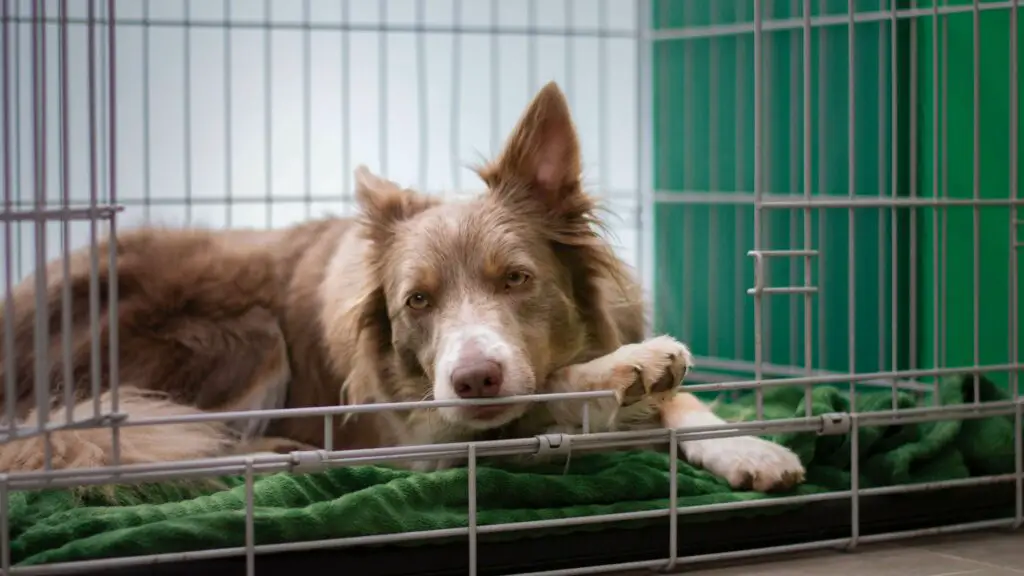
Dogs often associate kennels with confinement, which can trigger stress or anxiety. This emotional discomfort sometimes leads to pooping in the kennel as a reaction. Changes in environment, loud noises, or separation anxiety might be the root causes.
Does your dog show signs of restlessness or whining when in the kennel? Creating a calm, positive environment and using comfort items can ease his anxiety and reduce accidents.
Kennel Size And Comfort
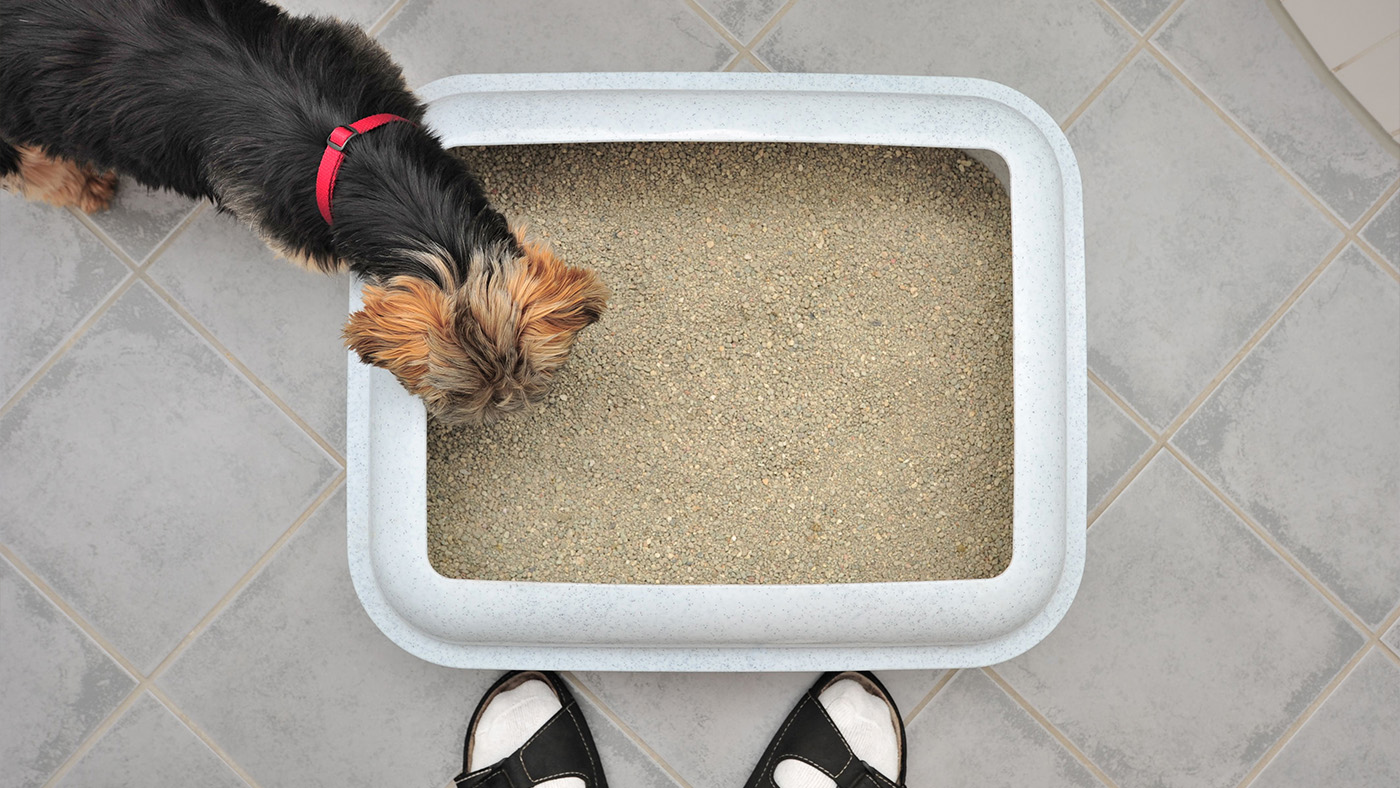
The size and comfort of the kennel play a big role in your dog’s bathroom habits. A kennel that is too large may encourage your dog to use one corner as a bathroom, while a cramped one can cause discomfort and accidents. Make sure the kennel is just big enough for your dog to stand, turn around, and lie down comfortably.
Consider adding soft bedding and ensuring good ventilation. A cozy, well-sized kennel makes your dog less likely to soil his space.
Credit: www.petsradar.com
Behavioral Factors Behind The Issue
Understanding why your dog keeps pooping in his kennel can be challenging. Often, behavioral factors play a significant role in this issue. These behaviors can stem from natural instincts or habits formed over time. Let’s explore some of the common behavioral reasons behind this problem.
Territorial Marking
Dogs are territorial animals. They often use their poop to mark their space. This behavior is more common in multi-dog households. The dog may feel the need to establish dominance or ownership over its kennel. Neutering or spaying might reduce this behavior. Training can also help in managing territorial marking.
Attention-seeking Behavior
Some dogs poop in their kennels to get attention. They might feel neglected or bored. A dog that lacks mental or physical stimulation might act out. Spending more time with your dog can reduce this behavior. Providing toys or activities can also keep them engaged.
Inconsistent Routine
Dogs thrive on routine. An inconsistent schedule can confuse them. They might not know when to expect bathroom breaks. This confusion can lead to accidents in their kennel. Establishing a regular routine for feeding and walking can help. Consistency is key to preventing such issues.
Environmental Influences
Environmental factors play a big role in why a dog might poop in its kennel. Dogs respond to their surroundings. Changes in their environment can cause stress or confusion. This often leads to accidents inside their space. Understanding these influences helps solve the problem effectively.
Dirty Kennel Conditions
A kennel that is not clean can make a dog relieve itself inside. Dogs prefer clean spaces for resting. A dirty kennel smells bad and feels uncomfortable. This pushes the dog to poop inside because it cannot find a better spot. Regular cleaning keeps the kennel fresh and inviting.
Lack Of Regular Bathroom Breaks
Dogs need frequent chances to go outside and relieve themselves. Without enough bathroom breaks, they may have no choice but to poop in their kennel. Puppies and older dogs need more frequent breaks. Setting a schedule for bathroom time helps prevent kennel accidents.
Changes In Surroundings
Moving to a new home or changing the kennel’s location can upset a dog. Strange noises, new smells, or different people can create stress. This stress can cause a dog to poop in its kennel. Keeping the kennel in a familiar and quiet place can comfort your dog.
Credit: pethelpful.com
Solutions To Stop Kennel Pooping
Finding your dog pooping in the kennel can be frustrating. There are practical ways to stop this behavior. These solutions focus on training, kennel setup, health, and stress relief. Each approach helps create a cleaner, happier space for your dog.
Improving Training Techniques
Consistent training helps your dog understand where to go. Use positive reinforcement when your dog eliminates outside the kennel. Set a regular bathroom schedule. Take your dog out frequently, especially after eating or sleeping. Avoid punishment, which can cause fear and confusion.
Adjusting Kennel Setup
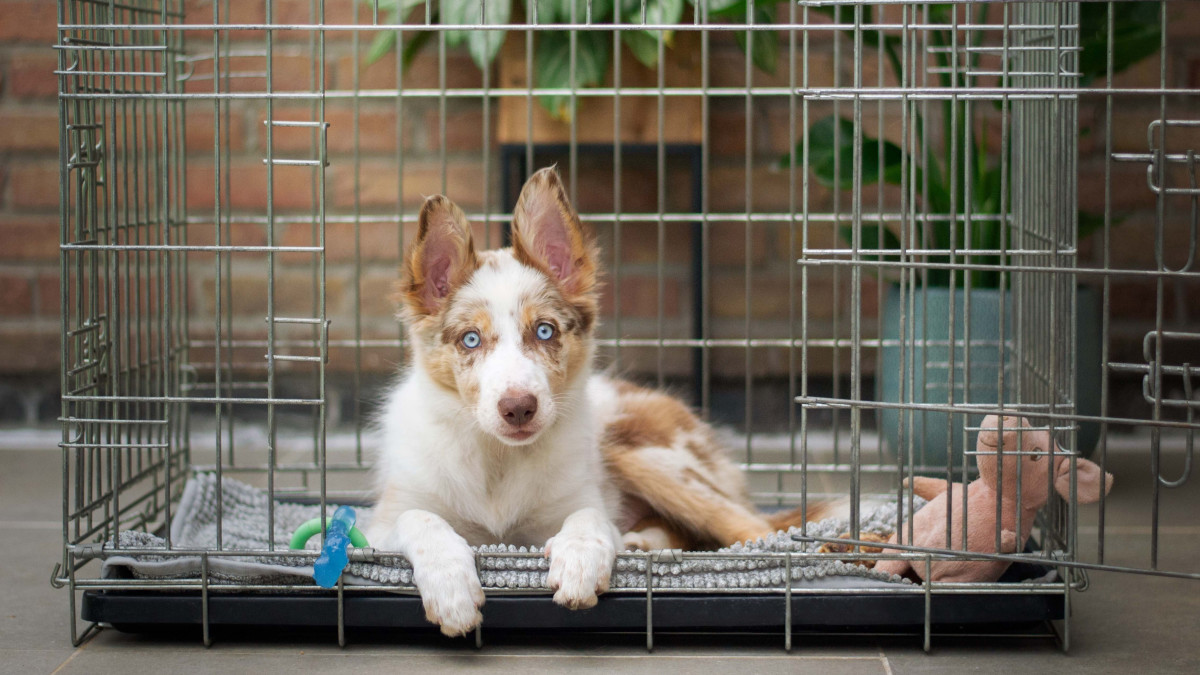
Make the kennel inviting but not a bathroom spot. Ensure it is the right size—big enough to stand and turn, but not for bathroom use. Add comfortable bedding and toys. Keep food and water outside the kennel if possible. Use a waterproof mat to protect the floor.
Addressing Health Concerns
Health issues may cause your dog to poop in the kennel. Check for digestive problems or infections. Consult a vet for a thorough checkup. Treat any medical conditions promptly. Keep track of your dog’s bathroom habits for better diagnosis.
Reducing Stress And Anxiety
Stress can trigger kennel pooping. Create a calm environment around the kennel. Use calming aids like pheromone sprays or soft music. Spend quality time with your dog to reduce loneliness. Gradually increase kennel time to build comfort and trust.
When To Seek Professional Help
Knowing when to seek professional help is crucial if your dog keeps pooping in his kennel despite your best efforts. Sometimes the issue is more than just a bad habit or poor training. Ignoring the problem can lead to health risks and ongoing behavioral challenges.
If you notice your dog showing signs of distress, discomfort, or if the problem persists for weeks, it’s time to bring in experts. Professionals can identify underlying causes and guide you with tailored solutions. Don’t hesitate to get help to improve both your dog’s well-being and your peace of mind.
Veterinary Consultation
Health problems often cause sudden changes in bathroom habits. Your dog may have a urinary tract infection, digestive issues, or even stress-related medical conditions that make holding it difficult.
A vet can run tests to rule out infections or illnesses. They will also check for physical discomfort that might make your dog avoid going outside. Early diagnosis can prevent more serious problems down the road.
- Discuss any recent changes in your dog’s diet or routine.
- Note if your dog seems lethargic or shows signs of pain.
- Ask about behavioral symptoms that might relate to anxiety or discomfort.
Professional Dog Training
Sometimes, even healthy dogs need help learning proper bathroom habits. A professional trainer can assess your dog’s behavior and environment to find what’s causing the kennel accidents.
Trainers use proven techniques to teach dogs where and when to eliminate. They can provide you with clear, step-by-step guidance tailored to your dog’s personality and your lifestyle.
- Trainers might suggest crate training adjustments to make the kennel more comfortable.
- They help establish a consistent routine that reduces accidents.
- Training addresses anxiety or separation issues that could be behind the problem.
Have you noticed any triggers that stress your dog before he soils his kennel? Professional insights can reveal patterns you might miss. Getting the right help could turn this frustrating habit into a thing of the past.
Credit: wb-iisg.com
Frequently Asked Questions
Why Does My Dog Poop In His Kennel Frequently?
Dogs may poop in kennels due to stress, anxiety, or lack of proper house training. A kennel too large can encourage elimination inside. Medical issues or inconsistent potty schedules also cause this behavior. Observing your dog’s habits and consulting a vet helps identify the cause.
How Can I Stop My Dog From Pooping In His Kennel?
Establish a consistent potty routine and ensure the kennel is the right size. Clean the kennel thoroughly after accidents. Use positive reinforcement for outdoor elimination. Address any medical or anxiety issues with professional help. Patience and consistency are key to correcting this behavior.
Is Kennel Size Affecting My Dog’s Pooping Habits?
Yes, a kennel that is too large may encourage a dog to eliminate inside. Dogs naturally avoid soiling their sleeping area. Ensure the kennel provides enough space to lie down and turn but not enough for a separate bathroom area.
Can Anxiety Cause My Dog To Poop In His Kennel?
Anxiety can lead dogs to poop in their kennels. Changes in environment, loud noises, or separation anxiety trigger stress. Providing comfort, exercise, and calm routines can reduce anxiety-related accidents. Consult a vet or trainer if anxiety persists.
Conclusion
Dogs poop in kennels for many reasons. Stress, health issues, or poor training can cause this. Watch your dog’s behavior closely. Clean the kennel regularly to keep it fresh. Give your dog plenty of bathroom breaks. Use positive training to help change habits.
Patience and consistency are key to success. Your dog will learn to keep the kennel clean. A happy dog means a happy home. Keep trying, and you will see progress soon.

Emily Barker is the founder of ChillDogLife.com, a space dedicated to helping pup parents discover the best dog products, lifestyle tips, and cozy ideas for happier homes.
A lifelong dog lover, Emily combines her passion for pets with a knack for research to share trusted recommendations on everything from toys and furniture to health and everyday care.
Her goal is simple: to make life easier, stylish, and more joyful for dogs and the people who love them.




