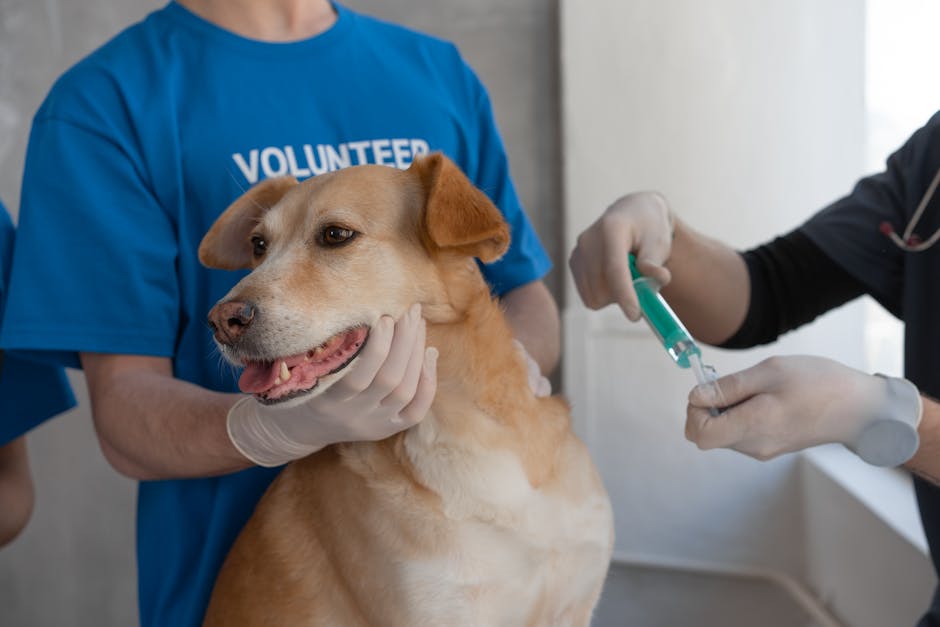
If your dog has been coughing lately, you might be wondering what’s causing it. Kennel cough is a common issue that can make your furry friend uncomfortable and worried you as an owner.
Understanding what causes kennel cough is the first step to protecting your dog and helping them recover quickly. You’ll discover the key reasons behind kennel cough, how it spreads, and what you can do to keep your dog healthy and happy.
Keep reading to learn everything you need to know to guard your dog against this annoying and contagious condition.
Credit: zigly.com
Common Infectious Agents
Kennel cough in dogs is often the result of infections caused by different germs. These infectious agents can be bacteria, viruses, or even fungi. Understanding which agents cause kennel cough helps you protect your dog better and choose the right treatment if needed.
Bacterial Causes
The most common bacterial culprit behind kennel cough is Bordetella bronchiseptica. This bacteria attaches to your dog’s airway lining, causing irritation and a harsh cough. It spreads easily in places where dogs gather, like kennels, dog parks, or grooming salons.
Other bacteria like Mycoplasmaspecies can also contribute by weakening your dog’s respiratory defenses. Have you noticed your dog coughing after visiting a crowded dog park? This could be a sign of bacterial kennel cough infection.
Viral Causes
Viruses often join forces with bacteria to cause kennel cough. The canine parainfluenza virus and canine adenovirus type 2 are common viral agents. They damage the respiratory tract, making it easier for bacteria to settle and cause infection.
Canine herpesvirus and canine distemper virus may also play a role, especially in dogs with weaker immune systems. Are your dog’s vaccinations up to date? This simple check can reduce the risk of viral infections significantly.
Fungal Infections
Fungal infections are less common but can still cause respiratory issues similar to kennel cough. Fungi like Blastomyces dermatitidisor Cryptococcusspecies may be involved, especially in certain geographic areas.
These infections usually develop slower and require different treatments than bacterial or viral causes. If your dog’s cough lasts more than a few weeks or worsens despite treatment, consider asking your vet about fungal causes.
Environmental Factors
Crowded places and poor air quality often increase the risk of kennel cough in dogs. Cold, damp environments can also weaken their immune system, making infection more likely.
Environmental factors play a significant role in the development of kennel cough in dogs. These factors can compromise your dog’s immune system, making it easier for infections to take hold. Understanding these environmental triggers can help you protect your furry friend.Exposure To Crowded Places
Dogs love socializing, but crowded places like dog parks and kennels can be a breeding ground for pathogens. When numerous dogs are in close quarters, the chances of spreading infections rise dramatically. Consider how often your dog is exposed to these environments and how it impacts their health.Poor Ventilation
Imagine being stuck in a room with stagnant air—uncomfortable, right? Poor ventilation in areas where dogs gather can lead to a buildup of bacteria and viruses. Ensure any facility you visit or board your dog in has proper air circulation to minimize these risks.Allergens And Irritants
Environmental allergens and irritants can weaken your dog’s respiratory system, making them more susceptible to kennel cough. Dust, pollen, and smoke are common culprits. Regular cleaning and using air purifiers can make a big difference in your dog’s health and well-being. Are you mindful of these environmental factors affecting your dog’s health? Taking small steps can lead to significant improvements in preventing kennel cough.Dog’s Immune Response
A dog’s immune system plays a key role in fighting kennel cough. This system protects dogs from viruses and bacteria that cause infections. When the immune response is strong, dogs can resist kennel cough better. But if the immune system is weak, dogs become more vulnerable to illness.
The immune system works by identifying harmful germs and attacking them. Sometimes, factors like stress or age can lower the immune defense. This makes it easier for kennel cough bacteria or viruses to infect the dog’s respiratory tract. Understanding how immunity affects kennel cough helps in preventing and managing this disease effectively.
Weakened Immunity
Weakened immunity reduces a dog’s ability to fight off infections. Dogs with weak immune systems catch kennel cough more easily. Illness, poor nutrition, or certain medications can weaken immunity. A weak immune response allows kennel cough germs to multiply fast. This leads to more severe symptoms and longer recovery time.
Stress Impact
Stress lowers a dog’s immune defenses significantly. Changes in environment or routine cause stress in dogs. Stress releases hormones that suppress immune function. Dogs under stress are less able to fight kennel cough germs. Stress management is important for maintaining strong immunity.
Age And Health Conditions
Young puppies and older dogs have weaker immune systems. Their bodies cannot fight infections as well as healthy adults. Chronic health issues like allergies or heart problems also lower immunity. Dogs with health conditions are at higher risk of kennel cough. Extra care helps protect these vulnerable dogs from infection.
Transmission Methods
Kennel cough spreads easily among dogs. Understanding how it travels helps protect your pet. The infection passes through different ways, mainly involving contact and the environment.
Direct Contact
Kennel cough spreads when dogs touch noses or sniff each other. Close interaction in parks or kennels raises the risk. Dogs sharing food or water bowls can also catch it. Physical contact is the fastest way for germs to move.
Airborne Particles
Coughing or sneezing dogs release tiny droplets into the air. Healthy dogs breathe these in and may get sick. Crowded places with many dogs increase the chance of airborne spread. The particles can travel several feet, making distance less safe.
Contaminated Surfaces
Bacteria and viruses can live on objects like toys, collars, and floors. Dogs touching these items can pick up the infection. Shared spaces like kennels or grooming salons often have contaminated surfaces. Cleaning and disinfecting regularly helps reduce this risk.
Preventive Measures
Preventing kennel cough in your dog involves more than just wishful thinking. It requires practical steps that you can take right now to protect your furry friend. Small actions can make a big difference in keeping your dog healthy and happy.
Vaccination
Vaccines are your dog’s first line of defense against kennel cough. The Bordetella vaccine is commonly recommended because it targets one of the main bacteria causing this illness. Ask your vet about the best vaccination schedule for your dog, especially if they frequent dog parks or boarding facilities.
I once skipped the booster shot for my dog, thinking it was unnecessary. Within weeks of visiting a busy dog daycare, she developed a harsh cough. That experience taught me how crucial timely vaccination really is.
Hygiene Practices
Keeping your dog’s environment clean lowers the chance of infection. Wash their bedding regularly and disinfect food and water bowls often. Also, wipe their paws after walks to remove germs they might have picked up outdoors.
Think about the last time you cleaned your dog’s collar or leash—how long has it been? These everyday items can harbor bacteria, so don’t overlook them in your hygiene routine.
Limiting Exposure
Exposure to infected dogs is a major way kennel cough spreads. Avoid crowded places where dogs congregate, especially during outbreaks. If your dog must socialize, watch for signs of illness in other dogs and steer clear if you notice any.
Have you ever noticed your dog sniffing every surface at the park? While curiosity is natural, it can increase risk. Manage their interactions thoughtfully to reduce chances of catching kennel cough.
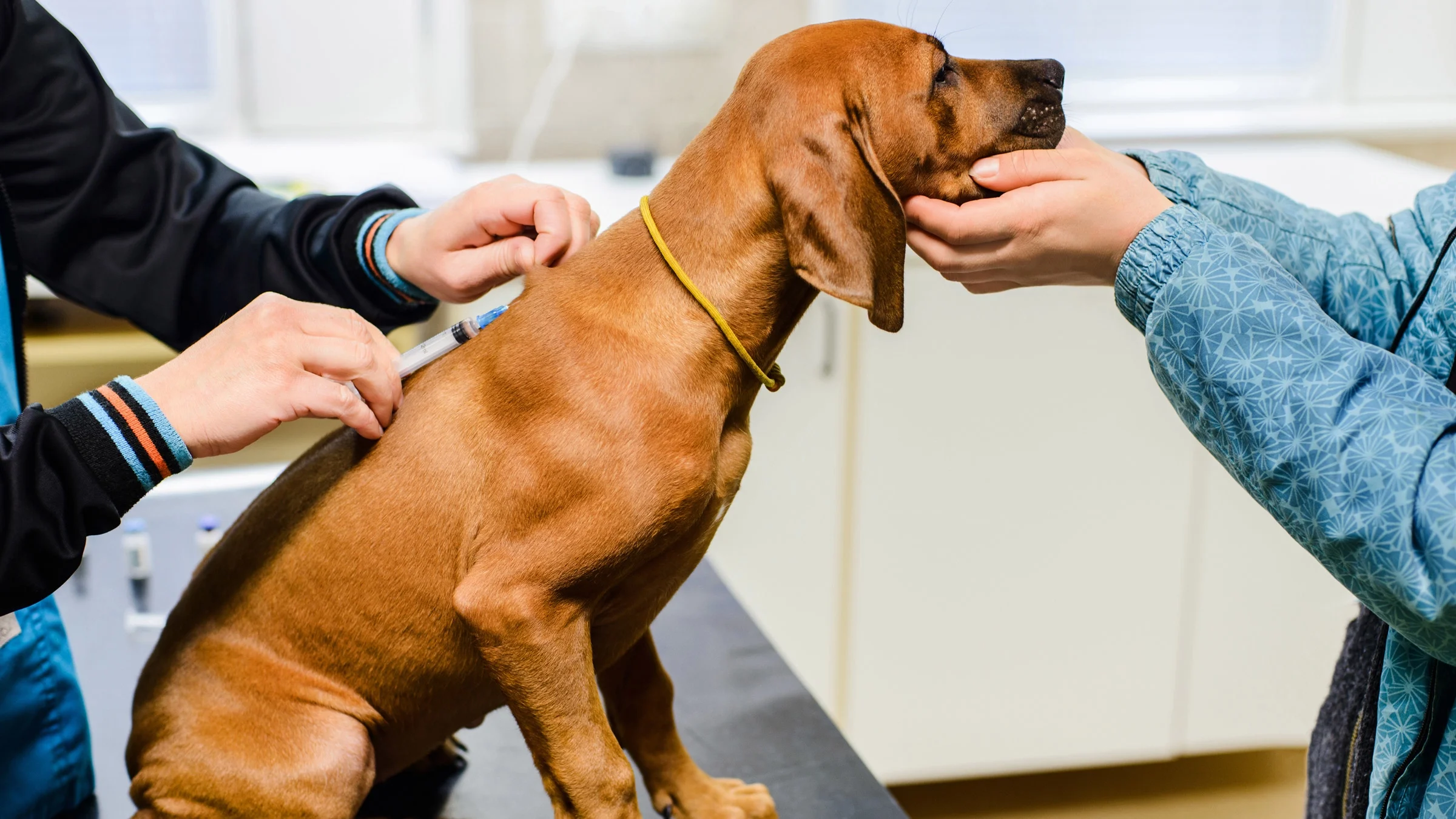
Credit: www.goodrx.com

Credit: www.lilyskitchen.co.uk
Frequently Asked Questions
What Are The Main Causes Of Kennel Cough In Dogs?
Kennel cough is caused by bacteria like Bordetella bronchiseptica and viruses such as canine parainfluenza. These germs spread through coughing, sneezing, or direct contact with infected dogs.
How Does Kennel Cough Spread Among Dogs?
Kennel cough spreads primarily through airborne droplets when infected dogs cough or sneeze. It can also transmit via contaminated surfaces or close contact in crowded places like kennels.
Can Kennel Cough Be Prevented In Dogs?
Yes, kennel cough can be prevented with vaccines and avoiding crowded dog areas. Maintaining good hygiene and isolating infected dogs also reduces the risk of transmission.
What Symptoms Indicate Kennel Cough In Dogs?
Common symptoms include a persistent dry cough, gagging, sneezing, runny nose, and mild fever. Dogs usually remain active but may show discomfort when coughing.
Conclusion
Kennel cough spreads easily among dogs in close contact. It happens from viruses, bacteria, or both. Signs include coughing, sneezing, and a runny nose. Keeping your dog away from sick dogs helps a lot. Good hygiene and vaccinations reduce the risk of infection.
Watch your dog’s health and see a vet if coughing lasts. Early care helps your dog recover faster and stay healthy. Stay informed and protect your furry friend from kennel cough.

Emily Barker is the founder of ChillDogLife.com, a space dedicated to helping pup parents discover the best dog products, lifestyle tips, and cozy ideas for happier homes.
A lifelong dog lover, Emily combines her passion for pets with a knack for research to share trusted recommendations on everything from toys and furniture to health and everyday care.
Her goal is simple: to make life easier, stylish, and more joyful for dogs and the people who love them.




