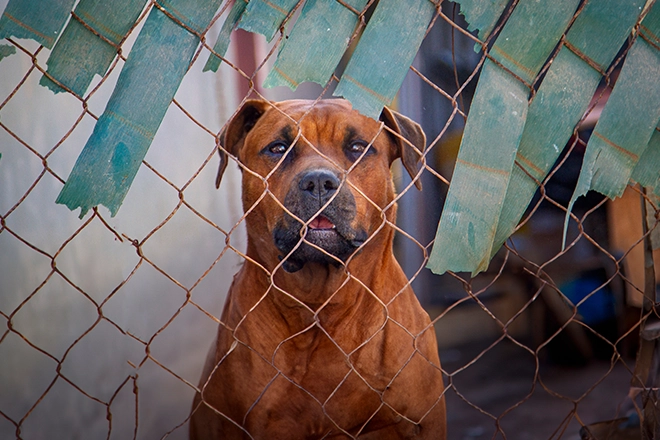
Have you ever wondered why your dog suddenly growls when someone steps near your door or why they patrol the yard like a little guard? That’s territorial behavior in dogs at work.
Understanding this natural instinct can help you keep your furry friend calm and happy while protecting your home. You’ll discover what territorial behavior really means, why your dog acts this way, and simple tips you can use to manage it.
Keep reading to unlock the secrets behind your dog’s protective side and strengthen the bond you share.
Territorial Instincts In Dogs
Dogs have strong territorial instincts. These instincts help them protect their home and family. Understanding these behaviors can improve your relationship with your dog.
Territorial behavior varies by dog. It depends on nature, triggers, and breed tendencies. Let’s explore these key areas.
Nature Of Territorial Behavior
Territorial behavior is a natural way dogs mark and defend their space. They use barking, marking, and body language to show ownership. This behavior is often linked to survival instincts.
- Protecting food and toys
- Guarding the home or yard
- Alerting owners to strangers
- Marking territory with scent
Common Territorial Triggers
Several triggers cause territorial behavior in dogs. These triggers can make dogs alert or aggressive. Recognizing these helps manage their reactions.
| Trigger | Description |
| Strangers | People entering the dog’s space |
| Other animals | Dogs or wildlife near the territory |
| Unusual sounds | Noise that signals intrusion |
| Changes in environment | New objects or furniture in the area |
Breed Tendencies
Some dog breeds show stronger territorial instincts. These breeds often come from working or guarding backgrounds. Knowing this helps owners train and care for their dogs better.
| Breed | Territorial Trait | Common Behavior |
|---|---|---|
| German Shepherd | High | Strong guarding and alertness |
| Beagle | Medium | Alert but less aggressive |
| Bulldog | Low | Protective but calm |
| Doberman | High | Very protective and watchful |
Credit: bullystickscentral.com
Signs Of Territorial Aggression
Territorial aggression in dogs is a natural behavior. It happens when dogs defend their space from intruders.
Recognizing signs early helps prevent problems. Dogs show this behavior in many ways.
Body Language Cues
Body language shows how a dog feels about its territory. Watch for stiff posture and raised hackles.
- Stiff legs and body
- Raised fur on the neck and back
- Direct, hard stare
- Tail held high or rigid
- Lips pulled back to show teeth
- Ears pointed forward or flat against the head
Vocalizations And Posturing
Dogs use sounds and poses to warn others. Growling and barking warn intruders to stay away.
| Vocalization | Meaning |
| Low growl | Warning and threat |
| Barking | Alert or challenge |
| Snarling | High aggression level |
| Snapping | Defensive strike |
Situations That Escalate Aggression
Certain situations raise a dog’s territorial aggression. Stress and surprise can make dogs more reactive.
- Strangers entering the home or yard
- Other dogs approaching the dog’s space
- Protecting puppies or food
- Sudden loud noises or movements
- Being cornered or trapped
Causes Behind Territorial Aggression
Territorial aggression in dogs happens when they protect their space. This behavior can cause problems if not understood. Dogs act this way to feel safe and secure.
Understanding why dogs show territorial aggression helps owners manage it better. There are several causes linked to this behavior.
Fear And Anxiety Factors
Fear is a common cause of territorial aggression. Dogs feel threatened by strangers or new animals. This fear makes them guard their space strongly.
Anxiety also plays a role. Dogs with anxiety may see any approach as danger. They react by growling, barking, or biting to keep the threat away.
Protective Instincts
Dogs have natural protective instincts. They guard their home and family from intruders. This instinct can cause aggressive behavior toward strangers.
Territorial aggression is often a way to keep their family safe. Dogs feel responsible for protecting their space and loved ones.
Lack Of Socialization
Dogs not socialized well may become territorial. They do not know how to behave around new people or animals. This can lead to fear and aggression.
Early socialization helps dogs feel comfortable in different situations. Without it, they may see new things as threats and guard their territory more.
Preventing Territorial Aggression
Territorial aggression in dogs can cause problems at home and outside. It happens when dogs defend their space with growling or biting.
Preventing this behavior early helps dogs live calmly with people and other pets. Training and socialization play key roles.
Early Training Techniques
Start training your dog as early as possible. Teach simple commands like “sit,” “stay,” and “leave it.” These commands help control your dog’s reactions.
- Use positive reinforcement with treats and praise.
- Practice commands in different places and situations.
- Keep training sessions short and consistent.
- Avoid punishment as it can increase fear or aggression.
Socialization Strategies
Socialize your dog by exposing it to new people, animals, and places. This reduces fear and territorial behavior.
| Socialization Activity | Purpose | Age to Start |
|---|---|---|
| Meeting friendly dogs | Builds positive dog interactions | 8 to 16 weeks |
| Visits to parks | Familiarizes with new environments | 8 to 16 weeks |
| Meeting different people | Reduces fear of strangers | 8 to 16 weeks |
| Exposure to sounds | Prevents noise-related aggression | 8 to 16 weeks |
Establishing Boundaries
Set clear rules about where your dog can go and what it can do. Boundaries help your dog feel safe without needing to guard aggressively.
- Use baby gates or fences to limit access to certain rooms.
- Do not allow your dog to guard food or toys aggressively.
- Teach your dog to wait calmly at doors or gates.
- Reward calm behavior near boundaries.
Managing Aggressive Episodes
Dogs show territorial behavior to protect their space. Sometimes, this can lead to aggressive episodes.
Understanding how to manage these episodes helps keep everyone safe and calm.
Calming Approaches
Calm your dog by using soft voices and slow movements. Avoid sudden actions that may increase their stress.
- Use a calm tone when speaking
- Offer a favorite toy or treat to distract
- Give your dog space to relax and settle down
- Practice deep breathing to stay calm yourself
Safe Intervention Methods
Intervene safely to prevent injury during an aggressive episode. Avoid direct contact with the dog’s mouth or teeth.
| Safe Actions | Unsafe Actions |
| Use a barrier like a large board | Try to grab the dog’s collar |
| Distract with noise or a toy | Shout loudly or make sudden moves |
| Lead the dog away calmly with a leash | Reach into the dog’s space quickly |
When To Seek Professional Help
Get expert advice if your dog’s aggression is frequent or severe. Professionals offer training and behavior plans.
- Persistent growling or lunging at people or animals
- Aggression that causes injury
- Sudden changes in behavior
- Difficulty managing episodes at home
Training Tips For Territorial Dogs
Territorial behavior in dogs is common. It often arises when dogs are protective of their space. Training can help reduce this behavior.
Using effective training techniques, you can guide your dog to be less territorial. This requires patience and consistency.
Positive Reinforcement
Positive reinforcement encourages good behavior. Reward your dog when it behaves calmly in territorial situations.
- Give treats for calm behavior
- Use verbal praise to reinforce good actions
- Playtime as a reward for positive behavior
Desensitization Exercises
Desensitization helps your dog become comfortable with triggers. Slowly introduce your dog to the stimuli it reacts to.
Set up a controlled environment for desensitization.
- Start with low-intensity exposure
- Gradually increase the exposure time
- Monitor your dog’s reaction closely
Consistency And Patience
Training takes time. Be consistent with your approach. Patience is key to successful training.
| Training Step | Time Required |
| Initial Introduction | 5-10 minutes |
| Reinforcement | Daily |
| Evaluation | Weekly |
Creating A Safe Environment
Territorial behavior in dogs can cause stress. A safe home helps reduce this behavior.
Setting up your home correctly can make your dog feel secure. Here are some steps to create a safe environment.
Home Setup For Territorial Dogs
Arranging your home can impact a dog’s territorial instinct. Make sure their space is comfortable and private.
- Designate a quiet area for your dog to retreat.
- Use dog beds or blankets to mark their territory.
- Keep food and water in a consistent location.
Using Barriers And Signs
Barriers and signs can guide your dog's behavior. They help define where your dog can go.
Consider using gates to block certain areas. Signs can alert visitors to a dog’s presence.
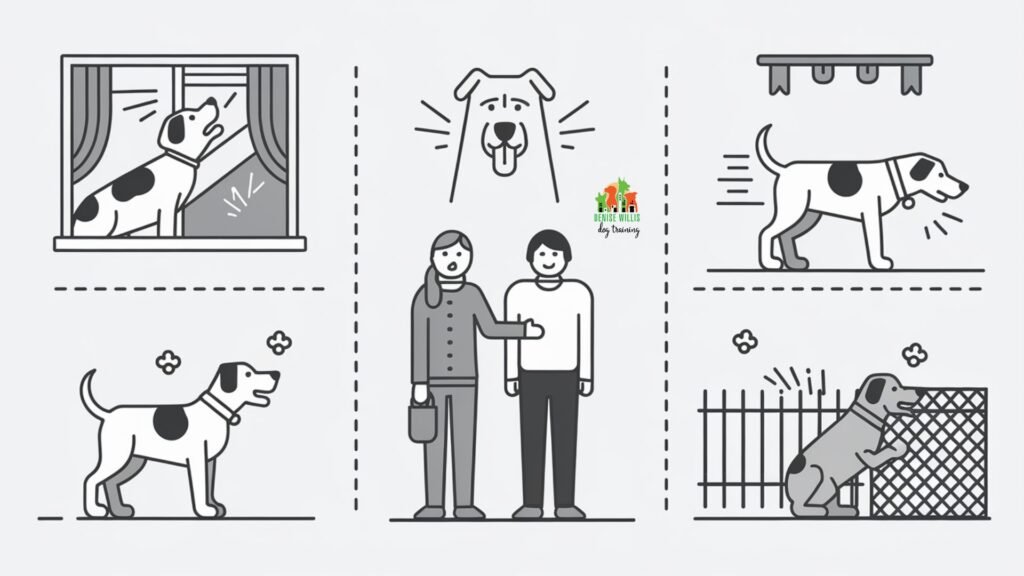
Monitoring Visitors
Visitors can trigger territorial behavior in dogs. Monitoring them helps keep your dog calm.
| Visitor Type | Action |
| Family | Introduce slowly |
| Friends | Allow sniffing |
| Strangers | Keep distance |
Credit: www.dwdogtraining.com
Behavioral Tools And Resources
Dogs show territorial behavior to protect their space. Using the right tools helps manage this behavior well.
There are several resources and aids to guide owners in training and understanding territorial behavior.
Training Aids And Equipment
Training aids can support teaching dogs how to behave around their territory. Using the right equipment helps keep control and safety.
- Leashes and harnesses to limit roaming
- Boundary flags or markers for clear zones
- Clickers for positive reinforcement training
- Calming sprays to reduce anxiety near boundaries
Books And Online Courses
Books and courses offer detailed knowledge about dog behavior and training methods. They guide owners step-by-step.
| Resource Type | Focus Area | Benefits |
| Books | Territorial behavior, training tips | In-depth explanations, easy to refer back |
| Online Courses | Interactive lessons, video demonstrations | Visual learning, flexible schedule |
Professional Trainers And Behaviorists
Experts help assess and treat territorial problems. They create custom plans based on the dog’s needs.
Ways professionals assist include:
- Behavior evaluations at home or training centers
- Personalized training sessions
- Advice on equipment and training aids
- Support for ongoing behavior management

Credit: www.dwdogtraining.com
Frequently Asked Questions
What Causes Territorial Behavior In Dogs?
Territorial behavior in dogs is driven by instincts to protect their space. It often stems from fear, insecurity, or a desire to assert dominance. This behavior helps dogs feel safe and secure in their environment.
How Can I Stop My Dog’s Territorial Aggression?
Consistent training and socialization help reduce territorial aggression. Use positive reinforcement to reward calm behavior. Avoid punishment, as it can increase fear. Gradually expose your dog to new people and situations to build confidence.
Is Territorial Behavior Normal In All Dog Breeds?
Most dog breeds exhibit some territorial behavior. However, breeds with strong guarding instincts may show it more intensely. Understanding your dog’s breed tendencies helps manage and train territorial behavior effectively.
When Should I Seek Professional Help For Territorial Dogs?
Seek professional help if your dog’s territorial behavior causes frequent aggression or anxiety. A certified trainer or behaviorist can provide tailored strategies. Early intervention improves safety and strengthens your bond with your dog.
Conclusion
Territorial behavior is natural for many dogs. They protect their space and feel safe this way. Understanding their actions helps build trust and respect. Training with patience can reduce unwanted guarding. Clear boundaries and gentle guidance work best. Every dog is different, so observe closely.
With care, your dog can feel calm and secure. This bond improves life for both of you. Keep learning about your dog’s needs daily. A happy dog makes a happy home.

Emily Barker is the founder of ChillDogLife.com, a space dedicated to helping pup parents discover the best dog products, lifestyle tips, and cozy ideas for happier homes.
A lifelong dog lover, Emily combines her passion for pets with a knack for research to share trusted recommendations on everything from toys and furniture to health and everyday care.
Her goal is simple: to make life easier, stylish, and more joyful for dogs and the people who love them.




