Have you ever noticed your male dog acting restless, more vocal, or even a bit anxious when a female dog nearby is in heat? It can be confusing and sometimes frustrating to understand why your usually calm pet suddenly behaves this way.
Understanding male dog behavior during a female’s heat cycle can help you manage your dog’s reactions better and keep him comfortable. Keep reading to discover the surprising reasons behind these changes and learn simple tips to handle this natural but challenging phase with confidence.
Credit: seniortailwaggers.com
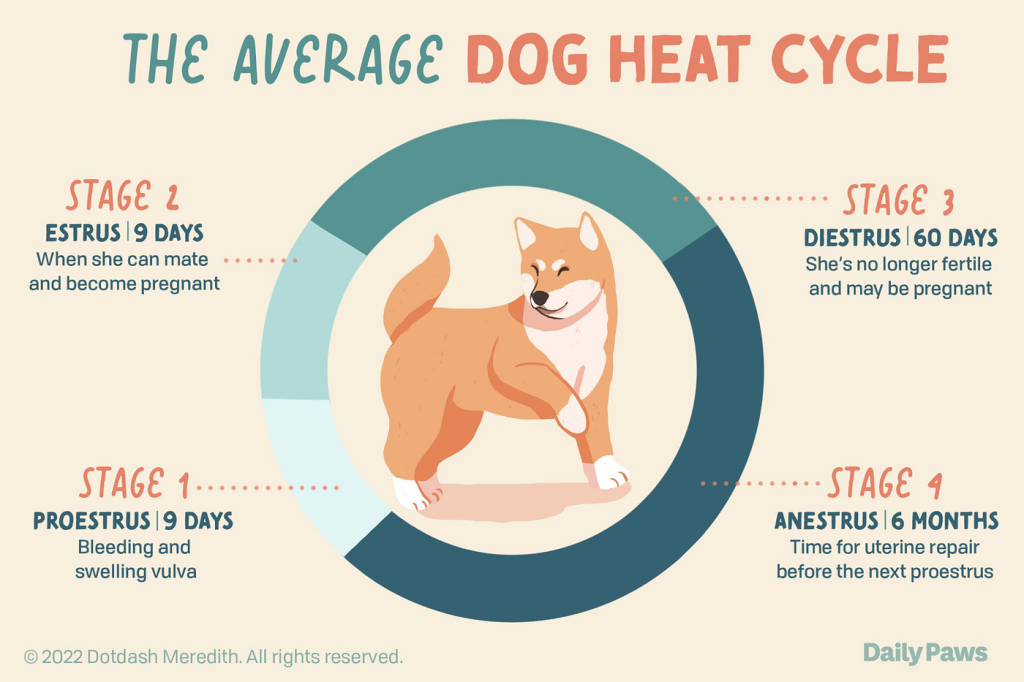
Heat Cycles In Female Dogs
Female dogs go through heat cycles, also called estrus. These cycles happen twice a year on average. Understanding these cycles helps explain male dog behavior during this time.
During heat, female dogs show signs that they are ready to mate. These signs affect how male dogs act around them.
Timing And Duration
A female dog's heat cycle usually lasts about three weeks. The cycle has different stages, each with its own timing and changes.
- Proestrus: This stage lasts 7 to 10 days. The female may have a swollen vulva and bleeding.
- Estrus: Lasts 5 to 9 days. The female accepts males and can get pregnant.
- Diestrus: Lasts about 60 days. The female stops accepting males.
- Anestrus: This is the resting period before the next cycle begins.
Physical Changes
Physical changes in female dogs during heat signal males to show interest. These changes can include visible and behavioral signs.
| Change | Description |
|---|---|
| Swollen Vulva | The vulva becomes larger and softer. |
| Discharge | Blood-tinged fluid is released, especially during proestrus. |
| Attraction to Males | The female may allow males to sniff and mount her during estrus. |
| Behavioral Changes | She may be more restless or affectionate during heat. |
Male Dog Reactions To Female Heat
Male dogs show strong reactions when a female dog is in heat. Their behavior can change due to the scent and signals from the female.
Understanding these reactions helps dog owners manage their pets better during this time.
Increased Interest And Alertness
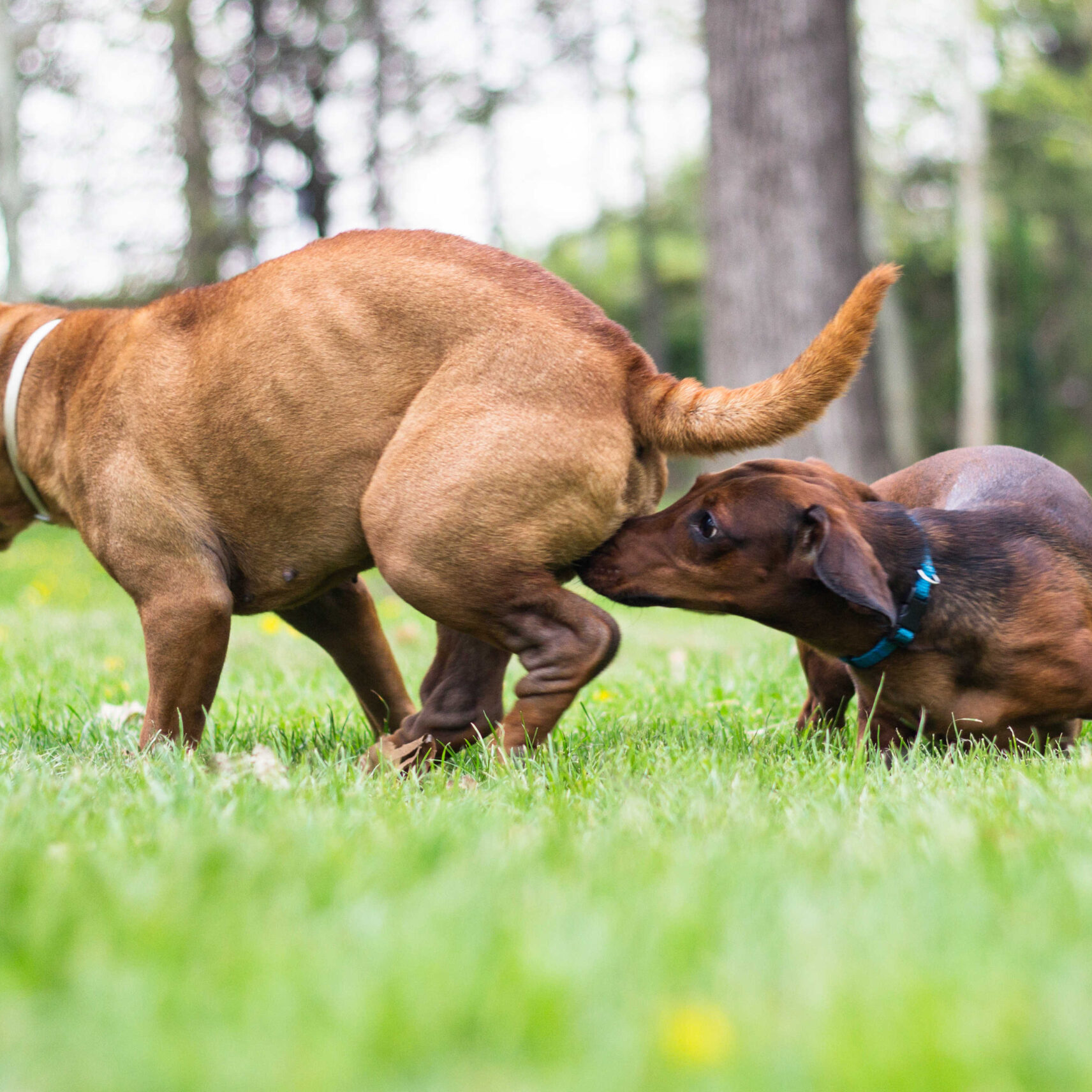
Male dogs become more alert and focused when a nearby female is in heat. They may sniff more and try to find her location.
- Heightened sense of smell to detect pheromones
- Increased attention to surroundings
- More frequent howling or barking
- Restlessness and pacing
- Attempts to escape to reach the female
Behavioral Changes
Besides alertness, male dogs may act differently in other ways. These changes show their strong drive to mate.
| Behavior | Description | Possible Owner Action |
|---|---|---|
| Marking Territory | Spraying urine to mark areas | Regular walks to reduce indoor marking |
| Increased Aggression | Defending territory or competing males | Supervised interactions and calm environment |
| Mounting Objects or Dogs | Trying to mate with objects or other pets | Redirect attention with toys or training |
| Loss of Appetite | Less interest in food due to stress | Offer favorite treats and maintain routine |
Common Signs In Male Dogs
Male dogs show clear behaviors when a female dog is in heat. These signs help them react to her presence. Understanding these signs helps owners manage their pets better.
Not all male dogs act the same, but some common changes happen in many of them. These behaviors can affect their mood and habits.
Marking And Urinating More
One clear sign is that male dogs mark their territory more often. They use urine to leave a scent that signals their presence to the female. This behavior increases during the female’s heat cycle.
- Frequent urination inside and outside the house
- Spraying urine on walls, furniture, or trees
- Showing interest in places where the female has been
- Trying to escape to find the female
Restlessness And Anxiety
Male dogs may become restless and anxious when a female is in heat. They often pace around or show signs of stress. This behavior is caused by strong hormonal changes and the desire to be near the female.
| Behavior | Possible Signs |
|---|---|
| Restlessness | Pacing, inability to settle down |
| Anxiety | Whining, shaking, or hiding |
| Escape Attempts | Trying to break out of yard or leash |
Vocalization Changes
Male dogs often change how they vocalize during a female’s heat. They may bark, whine, or howl more than usual. These sounds are ways to attract the female’s attention or express their own frustration.
Aggression And Territorial Behavior
Male dogs often show changes in behavior when a female dog is in heat. Aggression and territorial actions can increase. These behaviors can cause challenges for owners.
Understanding why these behaviors happen helps in managing them. It is important to recognize triggers and warning signs early.
Triggers And Warning Signs
Male dogs react to the scent and presence of a female in heat. This can lead to increased aggression and marking of territory. Watch for signs that show your dog is stressed or acting out.
- Growling or barking more than usual
- Marking territory with urine inside or outside
- Restlessness or pacing around the home
- Showing signs of jealousy or protectiveness
- Challenging other dogs nearby
Managing Aggression
There are several ways to help reduce aggression and territorial behavior. Keeping your dog calm and distracted is key. Training and environment control also help.
| Method | Description |
| Physical exercise | Daily walks and play to burn energy |
| Distraction | Use toys or commands to redirect attention |
| Controlled socialization | Limit contact with other dogs during heat cycles |
| Safe space | Create a quiet area for your dog to relax |
| Professional help | Consult a trainer or behaviorist if needed |
Preventing Unwanted Breeding
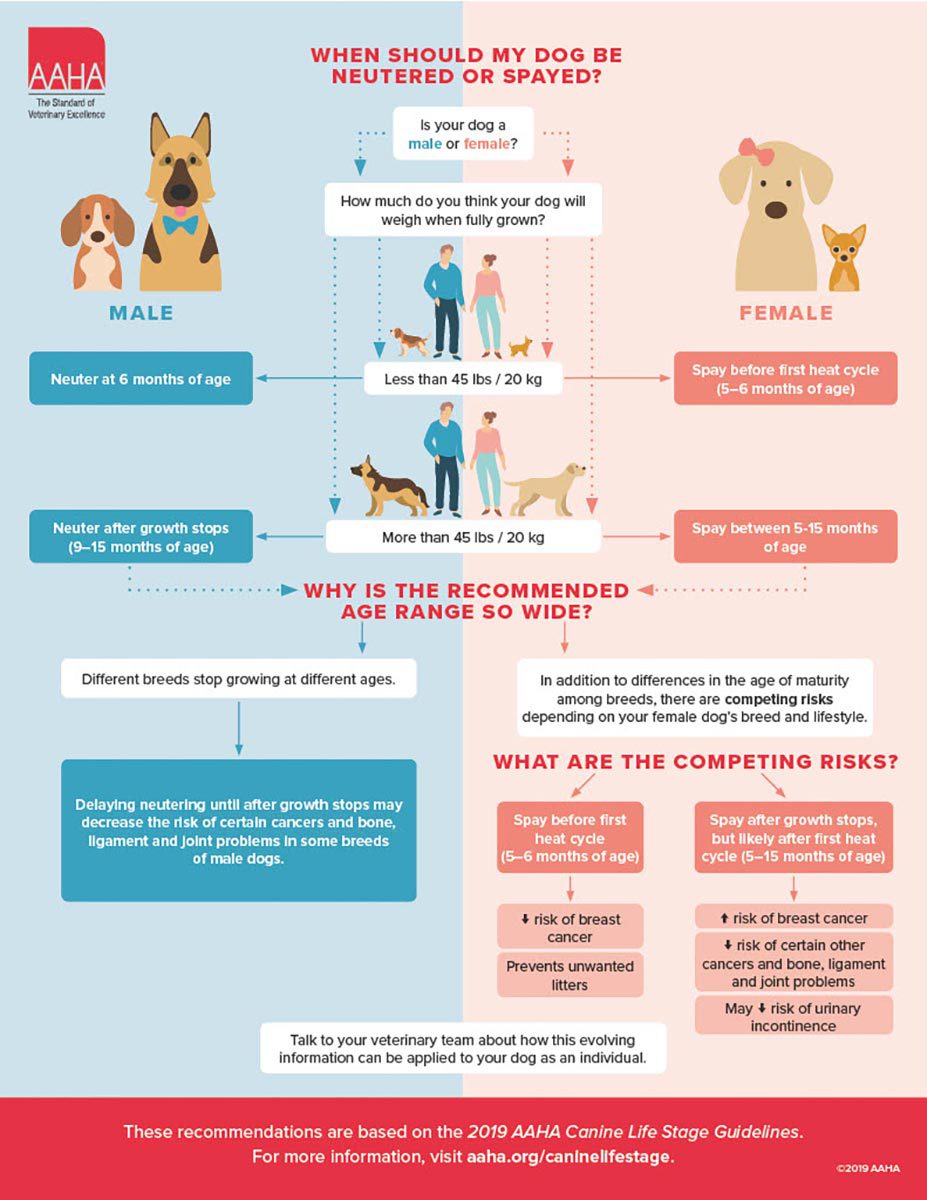
Understanding male dog behavior during a female’s heat cycle is important. It helps prevent unwanted breeding and keeps your dog safe.
Simple measures like supervision and barriers can be effective. These steps can ensure both dogs remain calm and separated.
Supervision And Separation
Keeping a close eye on your male dog is crucial. Supervision helps manage his behavior and prevents him from getting too close to a female in heat.
- Always know where your dog is during a female’s heat period.
- Use separate rooms or areas to keep dogs apart.
- Monitor outdoor time to prevent accidental encounters.
Use Of Barriers And Leashes
Barriers and leashes are effective tools. They provide physical separation and control over your dog’s movements.
| Tool | Purpose |
| Leash | Control during walks |
| Gate | Separate living spaces |
| Crate | Provide a safe space |
Credit: southeastoakvillevet.ca
Training Tips During Heat Periods
Male dogs may act differently when a female dog is in heat. Training them can be challenging. Understanding how to keep training consistent helps manage their behavior.
Using clear and calm methods can keep your dog focused. This guide shares ways to keep training steady and use positive rewards during this time.
Maintaining Routine
Keeping your dog’s daily routine steady is very important during heat periods. Consistent walks, playtime, and feeding times help reduce stress and distractions.
- Stick to regular walk times to give your dog exercise and fresh air.
- Keep feeding schedules the same to avoid confusion or anxiety.
- Offer quiet time in a calm place to help your dog relax.
- Avoid places where female dogs in heat may be present.
Positive Reinforcement Strategies
Rewarding good behavior helps your dog learn faster. Use treats, praise, or toys to encourage calm and focused actions during heat periods.
| Reward Type | Use When | Effect |
| Treats | Dog follows commands despite distractions | Increases motivation |
| Praise | Dog stays calm near female dogs | Builds confidence |
| Toys | Dog redirects attention from distractions | Encourages focus |
When To Consult A Veterinarian
Male dogs do not experience heat cycles like females. However, they can show certain behaviors when near a female in heat. Understanding when to consult a veterinarian helps ensure your dog’s health and well-being.
Consulting a veterinarian is essential if you notice unusual behaviors or health issues in your male dog. This is important for peace of mind and to rule out any medical problems.
Behavioral Concerns
Male dogs may become restless or anxious around females in heat. This change in behavior can disrupt daily routines and cause stress for both the dog and owner.
If your dog’s behavior becomes aggressive or destructive, a veterinarian’s advice is crucial. They can provide guidance on managing these behaviors effectively.
- Restlessness and pacing
- Increased marking behavior
- Unusual aggression
Health Issues Related To Heat
Health issues can arise if a male dog is excessively stressed by a nearby female in heat. Issues like dehydration or weight loss can occur if the dog is not eating or drinking enough.
It is important to monitor your dog’s health closely. If you notice symptoms like vomiting or diarrhea, a veterinarian should evaluate your dog promptly.
- Dehydration
- Weight loss
- Digestive problems
Credit: www.petscare.com
Frequently Asked Questions
How Does A Male Dog Behave When A Female Is In Heat?
Male dogs often become restless, more vocal, and show increased interest near a female in heat. They may also attempt to escape or mark territory more frequently during this time.
Why Do Male Dogs Become Aggressive During A Female’s Heat?
Male dogs may show aggression due to increased testosterone and competition for the female’s attention. This behavior is driven by instinct to mate and protect their chances.
Can Male Dogs Sense When Females Are In Heat?
Yes, male dogs can detect hormonal changes through scent. They use their strong sense of smell to identify females in heat from a distance.
How Long Does Male Dog Behavior Change During Female Heat Last?
Male dogs’ heightened behavior usually lasts throughout the female’s heat cycle, which is about 2 to 3 weeks. The intensity may vary between individual dogs.
Conclusion
Male dogs act differently when females are in heat. They may bark more and try to escape. This is normal behavior driven by strong instincts. Owners should stay patient and keep their dogs safe. Training and calm attention help reduce stress for both dogs and owners.
Understanding these behaviors helps you care for your dog better. Stay aware and prepared during this time. It is part of your dog’s natural life cycle.

Emily Barker is the founder of ChillDogLife.com, a space dedicated to helping pup parents discover the best dog products, lifestyle tips, and cozy ideas for happier homes.
A lifelong dog lover, Emily combines her passion for pets with a knack for research to share trusted recommendations on everything from toys and furniture to health and everyday care.
Her goal is simple: to make life easier, stylish, and more joyful for dogs and the people who love them.




