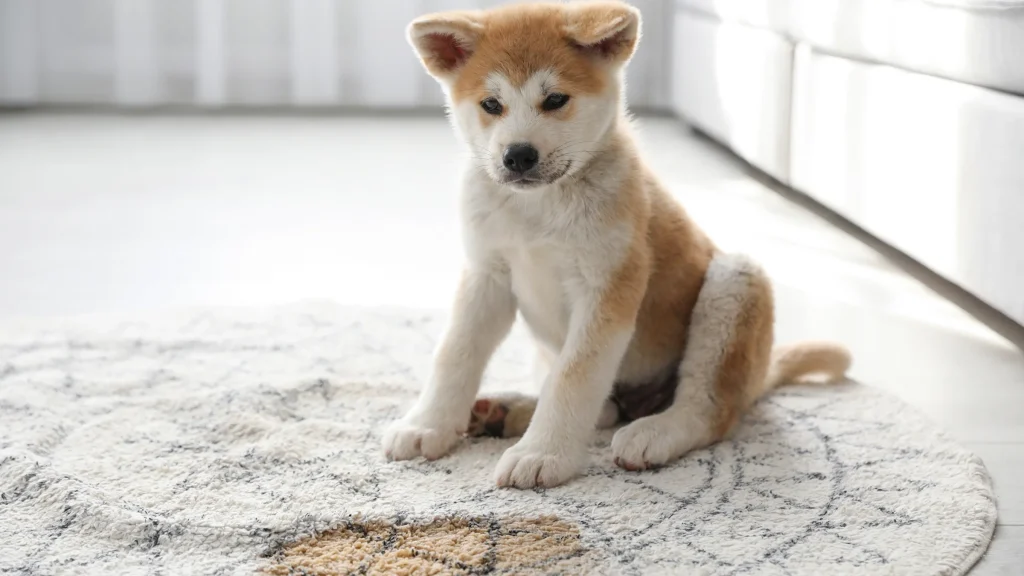
Is your dog suddenly having poop accidents around the house? It can be frustrating and confusing, especially if your furry friend has always been well-trained.
You might wonder why this is happening and what it means for your dog’s health and happiness. Understanding the reasons behind these accidents is the first step to solving the problem and bringing peace back to your home. Keep reading to discover the common causes and simple solutions that can help you and your dog get back on track quickly.

Credit: www.holistapet.com
Common Causes Of Poop Accidents
Understanding why your dog has poop accidents helps you address the problem fast. Several common causes can lead to this issue. These causes range from what your dog eats to health problems and behavior. Knowing these can guide you toward the right solution.
Dietary Changes
Sudden changes in your dog’s diet often cause digestive upset. New foods may not agree with their stomach. This upset can lead to loose stools or accidents inside the house. Feeding your dog a consistent diet helps maintain regular bowel movements.
Medical Conditions
Health problems can cause loss of bowel control. Conditions like infections, parasites, or digestive disorders affect stool consistency. Some dogs develop inflammation or allergies that upset their digestion. A vet checkup is important to rule out medical issues.
Behavioral Issues
Stress and anxiety may cause accidents in dogs. Changes in the environment or routine can confuse them. Some dogs do not ask to go outside due to fear or insecurity. Training and creating a calm space helps reduce these accidents.
Age-related Factors
Older dogs often lose muscle strength and control. Aging affects their ability to hold stool until outside. Puppies also struggle with control as they learn house training. Patience and proper care are key for both young and senior dogs.
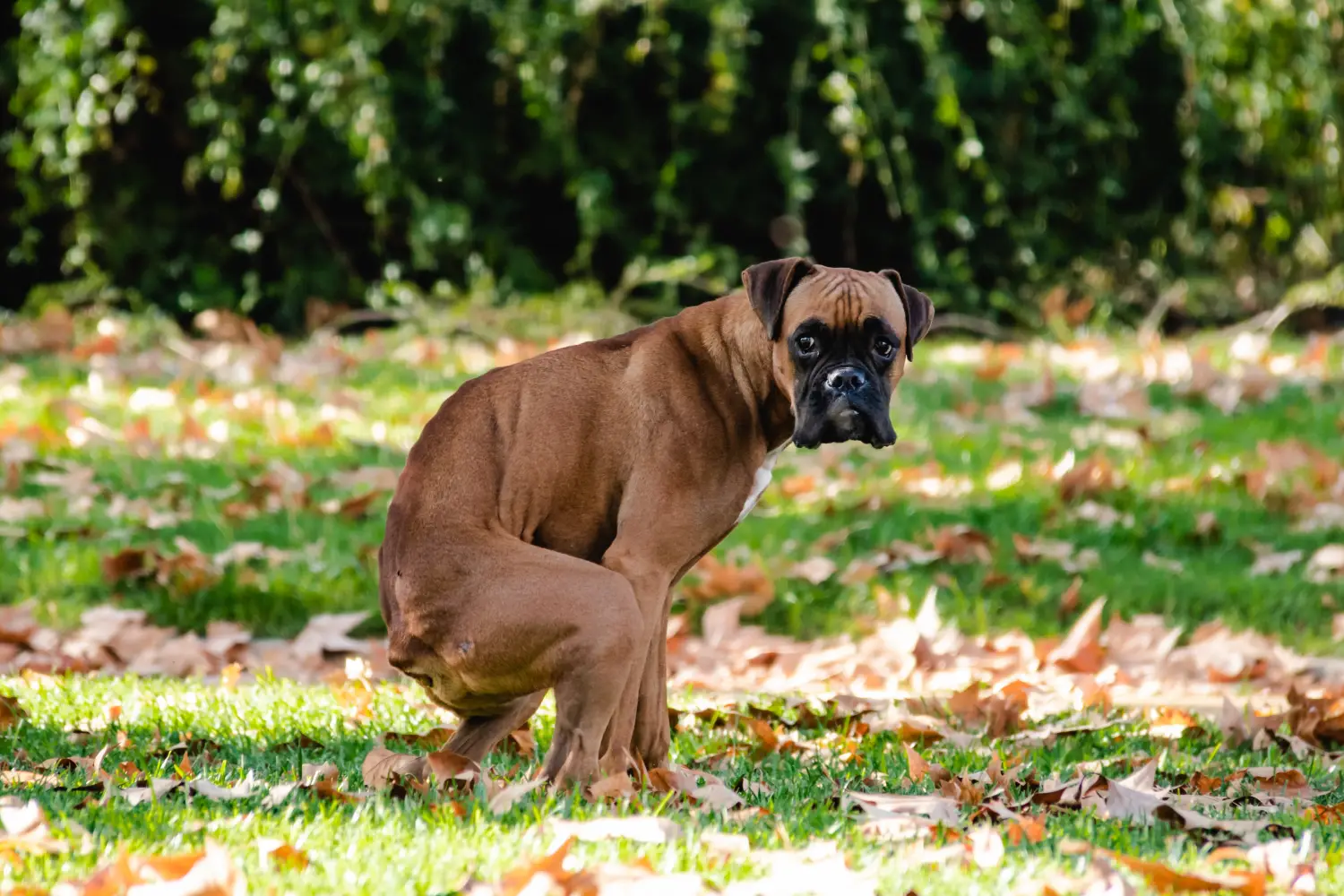
Credit: blog.thepetstable.com
Identifying Medical Concerns
Noticing your dog having poop accidents can be frustrating and worrying. Sometimes, these accidents are signs of underlying medical issues rather than just behavioral problems. Identifying medical concerns early can help you get your dog the right treatment and bring back peace to your home.
Gastrointestinal Disorders
Gastrointestinal problems are a common cause of sudden poop accidents in dogs. Conditions like inflammatory bowel disease, food allergies, or dietary indiscretions can upset your dog’s digestion.
If your dog shows other symptoms such as vomiting, diarrhea, or loss of appetite, these could point to a GI disorder. Have you noticed changes in your dog’s stool consistency or frequency? These clues are important to share with your vet.
Parasites And Infections
Parasites like worms or infections caused by bacteria and viruses often lead to incontinence or diarrhea. These issues can make it hard for your dog to control their bowel movements.
Regular vet check-ups and fecal exams can catch these problems early. If your dog has sudden accidents, think about recent exposure to new environments or other animals that might have caused an infection.
Neurological Problems
Neurological disorders affect your dog’s ability to control muscles, including those used for bowel movements. Conditions such as spinal injuries, nerve damage, or degenerative diseases might cause accidents.
Does your dog seem weak, uncoordinated, or reluctant to move? These signs alongside accidents can indicate a neurological problem. Quick diagnosis is crucial to managing these conditions effectively.
Addressing Behavioral Problems
Behavioral problems often cause dogs to have poop accidents indoors. These issues can confuse or stress your dog, leading to unwanted messes. Understanding these behaviors helps you address the root cause and improve your dog’s habits.
Separation Anxiety
Separation anxiety makes dogs nervous when left alone. This stress can cause accidents inside the house. Dogs might soil the floor as a reaction to fear or loneliness. Signs include whining, pacing, and destructive behavior. Creating a calm environment and gradual alone time can reduce anxiety.
Territorial Marking
Dogs mark their territory to show ownership. Poop accidents can be a form of marking inside the home. This behavior is common in unneutered males but can occur in any dog. Providing clear boundaries and neutering may help lower marking tendencies. Consistent routines also reduce territorial stress.
Training Inconsistencies
Inconsistent training confuses dogs about where to eliminate. Mixed signals lead to accidents and frustration. Using the same commands and schedules builds clear habits. Positive reinforcement encourages good behavior. Patience and repetition are key to successful house training.
Dietary Adjustments And Solutions
Diet plays a key role in managing your dog’s digestive health. Adjusting diet can reduce poop accidents effectively. Changing what your dog eats helps balance their system and improve bowel control.
Balanced Nutrition
Feeding a well-balanced diet supports healthy digestion. Include proteins, fats, and fiber in proper amounts. Fiber helps firm up stools and promotes regular bowel movements. Avoid sudden food changes to prevent upset stomach.
Check dog food labels for quality ingredients. Whole grains, vegetables, and lean meats work best. Avoid fillers and artificial additives that may cause digestive issues.
Hydration Importance
Water is vital for your dog’s digestion and stool consistency. Dehydration can cause hard stools or diarrhea. Always provide fresh water, especially after exercise or hot weather.
Monitor water intake daily. Some dogs need encouragement to drink more. Try adding water to dry food or offering broth to boost hydration.
Introducing Probiotics
Probiotics help balance the good bacteria in your dog’s gut. This supports digestion and reduces accidents. They can improve stool quality and ease diarrhea.
Probiotics come in treats, powders, or capsules. Consult your vet for the right type and dose. Consistent use often shows benefits within a few weeks.
Effective Training Techniques
Effective training techniques are essential to help your dog overcome poop accidents. Consistency and patience play a big role in changing your dog’s habits. Using the right strategies can make a huge difference in your dog’s comfort and your peace of mind.
Positive Reinforcement
Reward your dog immediately after they go to the bathroom outside. This could be a treat, praise, or a quick play session. Positive reinforcement helps your dog understand exactly what behavior you want to see.
One time, I noticed my dog was confused about where to go. When I started giving her a small treat right after she pooped outdoors, she quickly connected the dots. What small reward can you add to encourage your dog?
Regular Bathroom Schedule
Set a consistent schedule for bathroom breaks, such as first thing in the morning, after meals, and before bedtime. Dogs thrive on routine and predictability.
Try to take your dog out at the same times each day. This reduces accidents because your dog knows when it’s time to go. How regular is your dog’s bathroom schedule right now?
Crate Training Tips
Use a crate that is just big enough for your dog to stand, turn around, and lie down comfortably. Dogs naturally avoid soiling their sleeping area, which helps teach bladder and bowel control.
- Introduce the crate gradually and make it a positive space with toys and treats.
- Never use the crate as punishment.
- Limit crate time to avoid discomfort or anxiety.
When I started crate training my dog, accidents inside the house reduced significantly within a week. Have you noticed if your dog has a safe, cozy spot like a crate?
When To Consult A Veterinarian
Knowing when to consult a veterinarian is crucial if your dog has poop accidents. Some accidents are normal, but others may signal health problems. Early veterinary advice can prevent serious issues and help your dog feel better quickly.
Signs Of Serious Health Issues
- Frequent diarrhea or loose stools lasting more than two days
- Blood or mucus in the stool
- Sudden changes in appetite or water intake
- Vomiting alongside diarrhea or accidents
- Weakness, lethargy, or unusual behavior
- Straining or difficulty during bowel movements
- Weight loss without explanation
These signs suggest your dog needs a prompt checkup. Do not wait or try home remedies without advice.
Diagnostic Tests And Treatments
The veterinarian will perform tests to find the cause. Common tests include:
- Fecal examination to check for parasites or infections
- Blood tests to assess organ function and inflammation
- Imaging like X-rays or ultrasounds to look for blockages or tumors
- Allergy testing if food intolerance is suspected
Treatment depends on the diagnosis. It may involve medication, special diets, or other therapies. Follow the vet’s instructions carefully for the best results.
Preventive Measures
Preventive measures help stop your dog’s poop accidents before they start. These steps keep your dog healthy and comfortable. A few simple habits can reduce accidents and make house training easier.
Consistent Routine
Dogs thrive on routine. Feed and walk your dog at the same times daily. This helps regulate bowel movements. Predictable schedules make it easier for your dog to know when to go outside. Consistency reduces stress and confusion, lowering accident chances.
Regular Vet Check-ups
Regular vet visits catch health problems early. Digestive issues, infections, or parasites can cause accidents. Your vet can provide treatments or dietary advice. Keep vaccination and deworming schedules up to date. Healthy dogs are less likely to have accidents.
Monitoring Environmental Changes
Changes in environment can upset your dog’s routine. New homes, visitors, or loud noises may cause stress. Stress can lead to accidents. Watch for signs of anxiety or discomfort. Help your dog adjust with calm reassurance and familiar items. Keep their space safe and comfortable.

Credit: www.reddit.com
Frequently Asked Questions
Why Is My Dog Suddenly Having Poop Accidents Indoors?
Sudden poop accidents can indicate health issues, stress, or changes in routine. A vet checkup is essential to rule out infections or digestive problems. Consistent bathroom schedules and positive reinforcement help prevent accidents.
Can Diet Cause My Dog’s Poop Accidents?
Yes, diet changes or poor-quality food can upset your dog’s digestion. Sudden diet shifts may cause loose stools or accidents. Ensure a balanced diet and introduce new foods gradually to avoid digestive issues.
How Does Anxiety Lead To Dog Poop Accidents?
Anxiety triggers loss of bowel control in dogs. Stressful situations like loud noises or separation can cause accidents. Creating a calm environment and using behavioral training can reduce anxiety-related accidents.
Are Old Dogs More Prone To Poop Accidents?
Older dogs may have weaker bladder and bowel control. Age-related health issues like arthritis or dementia also contribute. Regular vet visits and gentle training can help manage accidents in senior dogs.
Conclusion
Dogs having poop accidents can signal health or behavior issues. Watch for changes in diet, stress, or routine. Keep a close eye on your dog’s habits. Clean accidents quickly to avoid repeat problems. Consult a vet to rule out medical causes.
Patience and care help your dog improve. Understanding the root cause is key to success. Stay calm and consistent with training and care. Your dog depends on you for comfort and support.

Emily Barker is the founder of ChillDogLife.com, a space dedicated to helping pup parents discover the best dog products, lifestyle tips, and cozy ideas for happier homes.
A lifelong dog lover, Emily combines her passion for pets with a knack for research to share trusted recommendations on everything from toys and furniture to health and everyday care.
Her goal is simple: to make life easier, stylish, and more joyful for dogs and the people who love them.




