Knowing exactly when to switch your dog to adult food can feel confusing. You want to give your furry friend the best nutrition at every stage, but how do you know the right time to make the change?
Feeding your dog the wrong food for too long can affect their health and energy. You’ll discover simple signs and clear guidelines that help you decide the perfect moment to switch to adult dog food. Keep reading to make sure your dog stays happy, healthy, and full of life.

Credit: petheavenblogs.com
Puppy Growth Stages
Puppies grow fast during their first year. Their bodies and minds change a lot.
Knowing when to switch to adult dog food helps support healthy growth.
Key Development Phases
Puppies have several growth phases. Each phase needs different care and food.
These phases include newborn, weaning, juvenile, and adult stages.
- Newborn (0-2 weeks):Puppies rely on mother’s milk.
- Weaning (3-8 weeks):Start soft food with mother’s milk.
- Juvenile (2-6 months):Rapid growth, more solid food needed.
- Adolescent (6-12 months):Growth slows, prepare for adult diet.
- Adult (12+ months):Full adult food supports maintenance.
Nutritional Needs By Age
Puppies need extra protein and calories for growth. Adult dogs need balanced nutrition.
Switching food at the right time helps avoid health problems and supports energy.
| Age | Nutritional Needs | Food Type |
|---|---|---|
| 0-8 weeks | High fat, protein, vitamins from mother’s milk | Mother’s milk, soft puppy food |
| 8 weeks – 6 months | More protein, fat, and minerals for fast growth | High-quality puppy food |
| 6-12 months | Balanced nutrients, less fat, support bone growth | Transition to adult food |
| 12 months+ | Maintain healthy weight and muscle | Adult dog food |
Age Benchmarks For Switching
Knowing when to switch your dog to adult food is important. It helps keep your dog healthy and strong.
Dogs grow at different rates depending on many factors. Age is a key factor to watch for.
Breed Size And Maturity
Small, medium, and large dogs mature at different ages. This affects when to change their food.
Smaller breeds grow faster and need adult food sooner. Larger breeds take longer to mature.
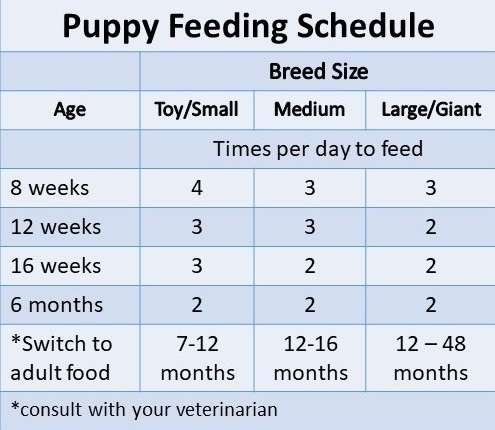
- Small breeds: switch at about 9 to 12 months old
- Medium breeds: switch around 12 months old
- Large breeds: switch at 12 to 18 months old
- Giant breeds: switch at 18 to 24 months old
Veterinarian Recommendations
Veterinarians give advice based on your dog’s health and growth. They help find the best time to switch food.
Check with your vet before switching. They may suggest tests or a gradual change in diet.
- Ask your vet about your dog’s breed and size
- Follow vet advice for gradual food transition
- Monitor your dog’s weight and energy levels
- Report any digestive issues to your vet
Behavioral Changes
Dogs show clear signs when they are ready to switch to adult food. Watching their behavior helps you know the right time. Changes in their daily habits can signal this important step.
Understanding these behaviors makes feeding easier. It helps keep your dog healthy and happy as they grow.
Energy Level Shifts
As dogs grow, their energy needs change. Puppies are full of energy and need more calories. Adult dogs often have lower energy levels and burn fewer calories.
You may notice your dog is less hyper or playful than before. This change is normal and means their diet should adjust to their new energy needs.
Appetite And Eating Habits
Adult dogs may eat less than puppies. Their appetite can become more steady and less demanding. Watch how much and how often your dog wants to eat.
Changes in eating habits can show that your dog needs adult food. Adult dog food has nutrients suited for their mature body and appetite.
Credit: www.vetsupply.com.au
Physical Indicators
Knowing when to switch your dog to adult food is important for their health. Watch your dog’s body for signs of growth and maturity.
Physical changes show when your dog is ready for adult food. These signs help you feed the right diet.
Teeth And Jaw Development
Puppies grow new teeth as they get older. Their baby teeth fall out and adult teeth come in.
When your dog’s jaw is strong and teeth are fully grown, it is a sign to switch food. Adult food suits their bigger teeth and stronger jaws.
- Puppy teeth start to fall out around 4 months old
- Adult teeth usually finish growing by 6 to 7 months
- Strong jaws help chew harder adult food
Weight And Body Condition
Your dog’s weight and shape show if they are growing up. Puppies are usually lean and small.
When your dog reaches a steady weight and has muscle tone, it is time to change to adult food. This food helps keep them healthy and fit.
- Look for steady weight without fast growth
- Check if ribs are easy to feel but not showing
- Muscle definition shows maturity
- Too thin or too fat means adjust feeding amount
Choosing The Right Adult Food
Switching to adult dog food is an important step in your dog’s life. Adult food meets their changing needs as they grow.
Picking the right food helps keep your dog healthy and active for many years.
Nutrient Requirements
Adult dogs need balanced nutrients to stay strong and healthy. Their food must have the right mix of proteins, fats, and carbohydrates.
Vitamins and minerals are also important to support their immune system and bone health.
- Protein for muscle maintenance
- Fat for energy and healthy skin
- Carbohydrates for fuel
- Vitamins A, D, E, and minerals like calcium
Special Dietary Needs
Some adult dogs have special health needs that affect their diet. You should choose food that fits these needs.
There are foods made for dogs with allergies, weight issues, or sensitive stomachs.
- Grain-free options for dogs with allergies
- Low-calorie food for overweight dogs
- Easy-to-digest formulas for sensitive stomachs
- Food with joint support for older dogs
Transition Tips
Switching your dog to adult food is an important step. It ensures they get the right nutrients for their age.
This transition should be smooth to avoid upsetting their stomach. Here are some tips to help with the change.
Gradual Food Changes
Introduce new food slowly over a week. Mix a little adult food with their regular food at first.
Increase the amount of adult food each day. By the end of the week, they should be eating only adult food.
- Day 1-2: 25% adult food, 75% puppy food
- Day 3-4: 50% adult food, 50% puppy food
- Day 5-6: 75% adult food, 25% puppy food
- Day 7: 100% adult food
Monitoring For Reactions
Watch for changes in your dog’s behavior. Look for signs of allergies or digestive issues.
If your dog shows signs of discomfort, slow down the transition. This can help avoid any health problems.
- Check for vomiting or diarrhea
- Look for excessive scratching
- Notice changes in energy levels

Credit: www.youtube.com
Frequently Asked Questions
When Should I Switch My Puppy To Adult Dog Food?
Switch to adult dog food when your puppy reaches 12 months old. Large breeds may need to switch around 18-24 months. This ensures balanced nutrition for their growth and energy needs.
What Are Signs My Dog Needs Adult Food?
Signs include slowed growth, reduced energy, and less playfulness. Also, your vet might recommend switching based on breed and health. Adult food supports maintenance rather than growth.
Can Switching Too Early Harm My Dog?
Yes, switching too early can cause nutrient imbalances. Puppies need higher protein and fat for development. Early switching may lead to poor growth or digestive issues.
How To Transition To Adult Dog Food Safely?
Gradually mix adult food with puppy food over 7-10 days. Increase adult food portion daily to avoid stomach upset. This smooth transition helps your dog adjust comfortably.
Conclusion
Switching to adult dog food supports your pet’s health and growth. Watch their age and weight to decide the right time. Adult food has nutrients suited for mature dogs. Feeding the right food helps keep your dog active and happy.
Always check with your vet to choose the best diet. Changing food slowly avoids stomach problems. Your dog will thank you with better energy and health. Keep an eye on their needs as they grow older. A smart food choice means a longer, healthier life.

Emily Barker is the founder of ChillDogLife.com, a space dedicated to helping pup parents discover the best dog products, lifestyle tips, and cozy ideas for happier homes.
A lifelong dog lover, Emily combines her passion for pets with a knack for research to share trusted recommendations on everything from toys and furniture to health and everyday care.
Her goal is simple: to make life easier, stylish, and more joyful for dogs and the people who love them.




