You’ve brought home your new puppy and want to give them the best care possible. One question that probably crosses your mind is, “When can I start feeding my puppy adult dog food?” Choosing the right time to switch their diet is important for their growth, health, and happiness.
Feeding adult dog food too early or too late can affect their development. Keep reading to discover the signs you should watch for and expert tips to make this transition smooth and safe for your furry friend. Your puppy’s future starts with the right nutrition now.
Credit: www.thinkjinx.com
Puppy Nutrition Basics
Feeding your puppy the right food helps them grow strong and healthy. Their diet should support their fast development.
Knowing when to switch to adult dog food is key. It depends on their size, breed, and nutrition needs.
Essential Nutrients For Growth
Puppies need a balanced diet with the right nutrients. These help build bones, muscles, and organs.
- Protein for muscle and tissue growth
- Fats for energy and brain development
- Calcium and phosphorus for strong bones
- Vitamins and minerals for overall health
- Water to stay hydrated
Why Puppy Food Matters
Puppy food has extra nutrients. It supports their high energy and rapid growth phases.
| Type of Food | Why It Matters |
| Puppy Food | Higher calories and nutrients for growth |
| Adult Dog Food | Balanced for maintenance, less energy needs |
| Switch Timing | Usually at 12 months for small breeds, 18-24 months for large breeds |
Signs Your Puppy Is Ready
Knowing when to switch your puppy to adult dog food is important for their health. Puppies grow fast, and their food needs change with age.
Watch for certain signs that show your puppy is ready for adult food. These signs include age milestones and changes in behavior and body.
Age Milestones To Watch
Puppies usually start eating adult food between 9 and 12 months old. The exact time depends on their breed and size. Small breeds may switch earlier. Large breeds may need more time.
| Breed Size | Recommended Age to Switch |
| Small | 9 to 12 months |
| Medium | 12 months |
| Large | 12 to 18 months |
| Giant | 18 to 24 months |
Behavioral And Physical Indicators
Besides age, watch your puppy’s behavior and body. These signs show they may be ready for adult food.
- Your puppy’s growth rate slows down.
- They have fewer bursts of energy.
- Their teeth are fully grown and strong.
- They start eating less frequently.
- Weight gain becomes steady or stops.
Differences Between Puppy And Adult Food
Puppy food and adult dog food are made differently. Puppies need special nutrients to grow strong and healthy.
Adult dog food supports maintenance and keeps dogs healthy after they finish growing.
Nutrient Composition
Puppy food has more protein and fat than adult food. This helps puppies build muscles and energy.
Adult food has balanced nutrients to keep dogs fit without adding extra weight.
- Puppy food: higher protein, fat, and calcium
- Adult food: moderate protein and fat
- Puppy food supports bone and brain growth
- Adult food supports daily energy needs
Calorie Needs
Puppies need more calories for fast growth. They burn energy quickly and need constant fuel.
Adult dogs need fewer calories to avoid weight gain. Their energy use slows down as they age.
- Puppies need about twice the calories per pound than adults
- Adult dogs need calories based on activity level
- Too many calories can cause adult dogs to gain weight
- Too few calories can slow puppy growth
Texture And Size
Puppy food is softer and smaller. This helps young dogs chew and digest food easily.
Adult dog food is firmer and comes in larger pieces. It helps clean teeth and improve chewing.
- Puppy kibble is small and soft
- Adult kibble is larger and harder
- Soft food prevents choking in puppies
- Harder food supports adult dental health
Transitioning To Adult Food
Feeding your puppy adult dog food needs careful planning. The change should be smooth to keep your puppy healthy.
Switching too fast can upset your puppy’s stomach. A slow transition helps your puppy adjust to new food.
Gradual Switch Method
Start mixing a small amount of adult food with puppy food. Slowly increase the adult food over two weeks.
This slow change helps your puppy get used to the taste and nutrients. It also helps their digestion adjust.
- Day 1-3: 25% adult food, 75% puppy food
- Day 4-7: 50% adult food, 50% puppy food
- Day 8-10: 75% adult food, 25% puppy food
- Day 11-14: 100% adult food
Avoiding Digestive Issues
Watch your puppy for signs of digestive problems during the switch. Loose stools or vomiting means slow down the transition.
Keep fresh water available. Proper hydration helps digestion and prevents stomach upset.
- Feed smaller meals more often during the switch
- Observe stool quality daily
- Give your puppy time to adjust before changing food again
- Contact your vet if problems last more than a few days
Breed And Size Considerations
Feeding your puppy adult dog food depends on their breed and size. Different dogs grow at different rates. Knowing when to switch food helps keep your puppy healthy.
Large breeds and small breeds have unique needs. This guide explains those differences and special diets.
Small Vs. Large Breeds
Small breed puppies grow faster and reach adult size sooner. Large breed puppies take more time to mature. Feeding adult food too early can cause health problems.
- Small breeds usually switch to adult food around 9 to 12 months.
- Large breeds may need puppy food up to 18 to 24 months.
- Adult food has fewer calories and different nutrients for grown dogs.
- Puppy food supports growth with extra protein and calories.
Special Dietary Needs
Some breeds need special diets because of their health or size. These diets can affect when you should switch to adult food.
| Breed Type | Reason for Special Diet | When to Switch to Adult Food |
| Large Breeds (e.g., Great Dane) | Joint health and slow growth | 18 to 24 months |
| Small Breeds (e.g., Chihuahua) | High metabolism and energy needs | 9 to 12 months |
| Breeds with Allergies (e.g., Bulldogs) | Sensitive digestion | Follow vet advice |
| Active Breeds (e.g., Border Collie) | Extra energy requirements | Usually 12 months |

Credit: greensafaris.com
Common Mistakes To Avoid
Feeding your puppy adult dog food too soon can cause health issues. It’s crucial to understand the right time for this transition.
Knowing common mistakes helps you make informed decisions. This keeps your puppy healthy and strong.
Switching Too Early
Some owners switch to adult food when puppies look grown. This can lead to nutritional gaps.
Puppies need special nutrients to grow properly. Adult food lacks these essential elements.
- Consult your vet for the right time to switch
- Follow feeding guidelines on puppy food packages
- Observe your puppy’s energy and growth patterns
Ignoring Puppy Growth Patterns
Each puppy grows at its own pace. Ignoring this can lead to poor dietary choices.
Growth patterns vary by breed and size. Monitoring these helps in choosing the right food.
- Track your puppy’s weight and height regularly
- Understand breed-specific growth milestones
- Adjust feeding plans based on growth stages
Consulting Your Veterinarian
Switching your puppy to adult dog food is a big decision. Consulting your veterinarian ensures your pet’s health is a priority.
Your vet can offer insights that are tailored to your puppy’s needs. This helps in making informed decisions about their diet.
Personalized Feeding Plans
Every puppy is unique and may require a personalized feeding plan. Your vet considers factors like breed, size, and activity level.
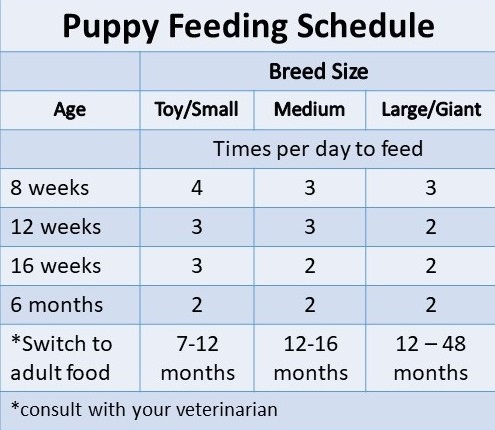
Here’s a simple example of a feeding plan:
| Age (Months) | Food Type | Frequency |
| 6-12 | Puppy Food | 3 times a day |
| 12-18 | Transition Mix | 2 times a day |
| 18+ | Adult Food | 2 times a day |
Monitoring Health And Development
Your vet helps monitor your puppy’s health and development. This ensures they grow strong and healthy as they transition to adult food.
- Check weight regularly
- Observe energy levels
- Watch for any digestive issues
Regular check-ups with the vet are crucial. This helps catch any potential issues early and adjust feeding as needed.

Credit: www.youtube.com
Frequently Asked Questions
When Should I Switch My Puppy To Adult Dog Food?
You should switch your puppy to adult dog food at about 12 months old. Large breeds may need adult food after 18 months. This timing supports their growth and health.
How To Transition Puppy Food To Adult Dog Food?
Gradually mix adult food with puppy food over 7-10 days. Slowly increase adult food portion to avoid digestive upset. This helps your puppy adjust comfortably.
What Signs Indicate My Puppy Needs Adult Dog Food?
Signs include slowed growth, reduced energy needs, and reaching maturity size. Consult your vet to confirm the right time to switch diets.
Can Feeding Adult Food Early Harm My Puppy?
Yes, feeding adult food too early can cause nutrient deficiencies. Puppies need higher calories and protein for growth. Always follow age recommendations for feeding.
Conclusion
Choosing the right time to feed your puppy adult dog food matters a lot. Most puppies switch to adult food between 9 and 12 months old. Watch your puppy’s size, breed, and energy to decide the best moment. Feeding adult food too soon can cause health issues.
Giving puppy food too long may not meet their changing needs. Talk to your vet for advice tailored to your dog. Careful feeding helps your puppy grow strong and healthy. Stay patient and observe your puppy’s growth closely. Your dog will thank you with a happy, healthy life.

Emily Barker is the founder of ChillDogLife.com, a space dedicated to helping pup parents discover the best dog products, lifestyle tips, and cozy ideas for happier homes.
A lifelong dog lover, Emily combines her passion for pets with a knack for research to share trusted recommendations on everything from toys and furniture to health and everyday care.
Her goal is simple: to make life easier, stylish, and more joyful for dogs and the people who love them.




