
If you have a furry friend at home, you’ve probably wondered: what’s the real difference between adult dog food and puppy food? Choosing the right food for your dog is one of the most important decisions you’ll make for their health and happiness.
You want to make sure your pup grows strong, and your adult dog stays energetic and healthy. But how do you know which food meets their unique needs? Keep reading, because understanding these differences will help you give your dog the nutrition they truly deserve.
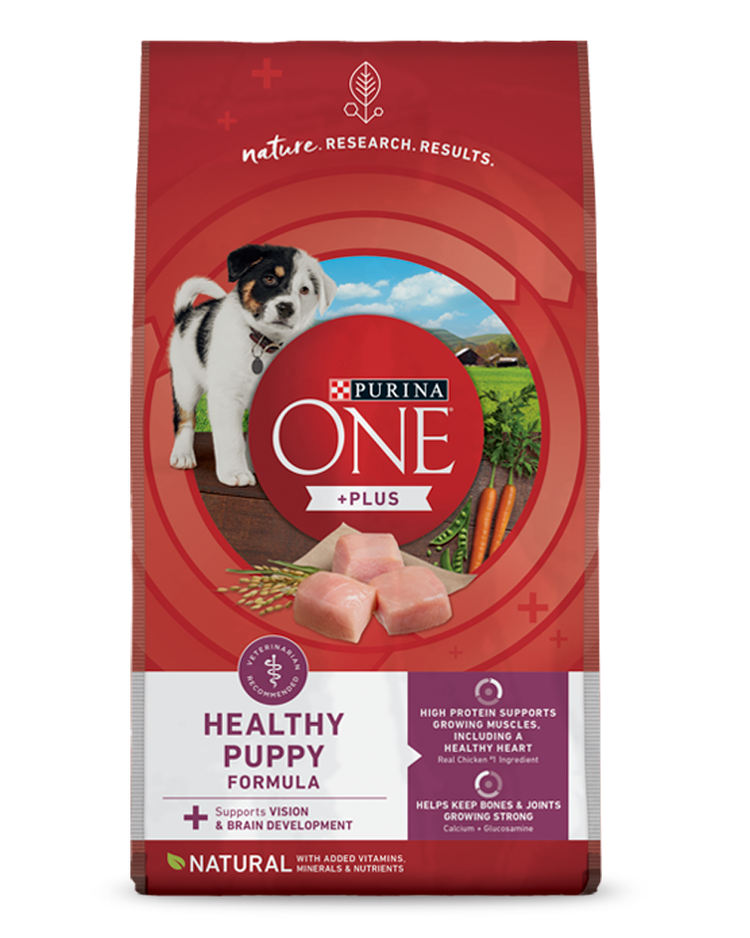
Credit: www.purina.com
Nutritional Needs
Adult dogs and puppies have different nutrition needs. Their diets support their bodies in unique ways.
Puppies grow fast and need special food. Adult dogs need food that keeps them healthy and strong.
Calorie Requirements
Puppies need more calories to fuel their growth and energy. They burn energy quickly while growing.
Adult dogs need fewer calories to maintain their weight. Too many calories can cause weight gain.
- Puppies require higher calorie food for active growth.
- Adult dogs need balanced calories to avoid obesity.
- Calories support energy and body functions at each life stage.
Protein Levels
Protein helps build strong muscles and tissues. Puppies need higher protein to support their fast growth.
Adult dogs need enough protein to keep muscles healthy. Their protein needs are lower than puppies.
- Puppy food has more protein for growth and development.
- Adult dog food has moderate protein for maintenance.
- Protein supports muscle, skin, and coat health.
Essential Vitamins And Minerals
Puppies need extra vitamins and minerals to build bones and support brain growth. Calcium and phosphorus are key.
Adult dogs need vitamins and minerals to keep their bodies working well. Their needs focus on maintenance and health.
| Vitamin/Mineral | Puppy Needs | Adult Dog Needs |
|---|---|---|
| Calcium | High for bone growth | Moderate for bone strength |
| Phosphorus | High for development | Balanced for health |
| Vitamin A | Supports vision and growth | Maintains skin and immune health |
| Vitamin E | Protects cells | Supports immune system |
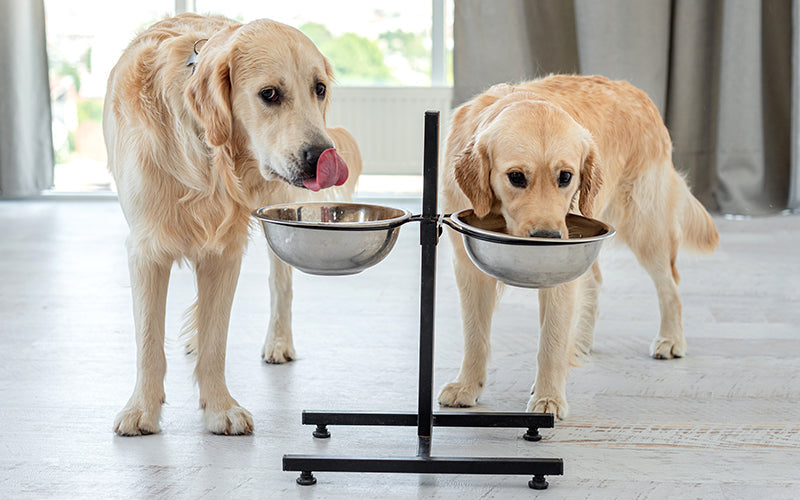
Credit: blepworld.com
Growth And Development
Feeding a dog the right food is key for healthy growth. Puppies and adult dogs need different nutrients. Puppy food supports growing bodies. Adult dog food maintains health.
The focus on growth means puppy food has more protein and calories. This helps build strong bones, muscles, and brains. Adult dog food has balanced nutrients for maintenance.
Bone And Muscle Formation
Puppies need extra calcium and protein. These help bones grow strong and muscles develop properly. Adult dogs need less calcium to avoid bone problems.
- Puppy food has higher protein content
- More calcium supports bone growth in puppies
- Adult dog food has balanced protein for muscle maintenance
- Controlled calcium levels prevent adult bone issues
Brain Development
Puppies need more DHA and fatty acids. These nutrients help brain growth and improve learning. Adult dog food has less DHA as brain growth slows down.
| Nutrient | Puppy Food | Adult Dog Food |
|---|---|---|
| DHA | High | Moderate |
| Fatty Acids | High | Moderate |
| Protein | High | Moderate |
Immune Support
Puppy food has added vitamins and antioxidants. These help build a strong immune system. Adult dog food supports immunity but with fewer extra nutrients.
- Higher vitamin levels in puppy food
- Added antioxidants to fight illness
- Adult food focuses on balanced nutrition
- Immune support tailored to life stage
Ingredient Differences
Adult dog food and puppy food have different ingredients. These differences support the dog’s age and growth needs.
Puppies need more nutrients for growth. Adult dogs need maintenance nutrition to stay healthy.
Types Of Proteins Used
Puppy food uses proteins that help build muscles and support brain development. Adult dog food has proteins for maintaining muscle and overall health.
- Puppy food often has higher quality animal proteins like chicken, lamb, or fish.
- Adult dog food may include more plant proteins alongside animal proteins.
- Protein amounts are higher in puppy food to support rapid growth.
Fat Content Variations
Puppy food contains more fat for energy and brain growth. Adult dog food has less fat to prevent weight gain.
| Type of Food | Fat Content (%) |
| Puppy Food | 8 – 12% |
| Adult Dog Food | 5 – 8% |
Additives And Supplements
Puppy food includes supplements that support bone growth and immunity. Adult dog food focuses on joint health and maintenance.
- Calcium and phosphorus are higher in puppy food for strong bones.
- Omega-3 fatty acids help brain development in puppies and support coat health in adults.
- Adult food often has glucosamine and chondroitin for joint care.

Credit: www.youtube.com
Digestive Considerations
Adult dogs and puppies have different digestive needs. Their food should support their unique growth stages.
Puppy food focuses on easy digestion and nutrient absorption. Adult dog food supports maintenance and health.
Digestibility Factors
Puppy food uses ingredients that break down quickly. This helps puppies absorb nutrients better.
Adult dog food may contain more complex ingredients. These support a fully developed digestive system.
Fiber Content
Fiber helps keep a dog’s digestion smooth. Puppies need less fiber than adult dogs.
| Type of Food | Fiber Amount | Purpose |
| Puppy Food | Lower | Easy digestion, growth support |
| Adult Dog Food | Higher | Maintains gut health, prevents constipation |
Enzyme Support
Puppies produce fewer digestive enzymes. Puppy food includes enzymes to aid digestion.
- Protease helps break down proteins.
- Lipase supports fat digestion.
- Amylase helps digest carbohydrates.
Adult dogs produce more enzymes naturally. Their food does not need added enzyme support.
Feeding Guidelines
Adult dog food and puppy food have different feeding needs. Puppies need more energy and nutrients to grow. Adult dogs need balanced nutrition to stay healthy.
Feeding your dog the right amount and type of food helps them stay strong. Follow guidelines for portion sizes, feeding frequency, and food changes.
Portion Sizes
Puppies need more food per pound of weight than adult dogs. Their bodies grow fast and need extra calories and nutrients.
Adult dogs eat less food by weight because they use less energy. Overfeeding can cause weight gain and health problems.
- Puppies: Feed larger portions based on age and weight.
- Adults: Feed smaller portions to maintain weight.
- Check package guidelines for exact amounts.
Feeding Frequency
Puppies need to eat more often than adult dogs. Their small stomachs cannot hold much food at once.
Adult dogs usually eat once or twice a day. Feeding them too often can cause digestive problems.
- Puppies under 3 months: 4 meals per day.
- Puppies 3 to 6 months: 3 meals per day.
- Adult dogs: 1 to 2 meals per day.
Transitioning Between Foods
Switching from puppy food to adult food should be slow. Sudden changes can upset your dog’s stomach.
Mix small amounts of new food with the old food. Increase new food over 7 to 10 days until fully changed.
- Start with 25% adult food and 75% puppy food.
- Gradually increase adult food to 100%.
- Watch for signs of stomach upset during transition.
Potential Risks Of Feeding Incorrect Food
Feeding your dog the wrong type of food can cause health issues. Adult dogs and puppies need different nutrients.
Puppy food and adult dog food are not the same. They are designed to meet different needs at different life stages.
Overfeeding Concerns
Feeding adult dog food to puppies might lead to overfeeding. Puppies have smaller stomachs but high energy needs.
Adult dog food is denser and may cause weight gain in puppies. This can lead to obesity.
- Obesity can cause joint problems
- Overfeeding can lead to diabetes
- Healthy growth requires portion control
Nutrient Deficiencies
Puppies need more protein and fat than adult dogs. These nutrients support their rapid growth and development.
Adult dog food lacks enough nutrients for puppies. Feeding it can lead to deficiencies.
| Puppy Nutrient Needs | Adult Dog Nutrient Needs |
| High protein | Moderate protein |
| High fat | Low fat |
| More calcium | Less calcium |
Long-term Health Effects
Feeding the wrong food can have long-term effects. Puppies fed adult food may not grow properly.
Adult dogs eating puppy food might gain too much weight. This can shorten their lifespan.
- Improper growth in puppies
- Increased risk of heart disease
- Joint issues in overweight dogs
Frequently Asked Questions
What Are The Main Differences Between Adult And Puppy Food?
Puppy food has higher protein, fat, and calorie content to support growth. Adult dog food is formulated for maintenance and balanced nutrition. Nutrient ratios differ to meet each life stage’s specific needs and energy requirements.
Why Can’t Puppies Eat Adult Dog Food?
Adult dog food lacks essential nutrients and calories puppies need for healthy growth. Feeding adult food to puppies may cause deficiencies and slow development. Puppy food supports bone, muscle, and brain growth with enriched vitamins and minerals.
When Should I Switch From Puppy To Adult Dog Food?
Switch to adult dog food when your dog reaches about 80% of its expected adult size. This usually happens between 9-12 months for most breeds. Large breeds may switch later to support gradual growth and avoid joint issues.
Can Adult Dogs Eat Puppy Food Safely?
Adult dogs can eat puppy food but it’s not ideal long-term. Puppy food is calorie-dense and may cause weight gain in adults. For balanced health, feed adult dogs food formulated for their age and activity level.
Conclusion
Choosing the right food helps your dog stay healthy and strong. Puppy food has extra nutrients for growth and energy. Adult dog food supports maintenance and overall health. Feeding the wrong type can cause health problems. Pay attention to your dog’s age and needs.
Proper nutrition makes a big difference in their life. Keep your furry friend happy with the right diet. Simple choices lead to a long, joyful life together.

Emily Barker is the founder of ChillDogLife.com, a space dedicated to helping pup parents discover the best dog products, lifestyle tips, and cozy ideas for happier homes.
A lifelong dog lover, Emily combines her passion for pets with a knack for research to share trusted recommendations on everything from toys and furniture to health and everyday care.
Her goal is simple: to make life easier, stylish, and more joyful for dogs and the people who love them.




