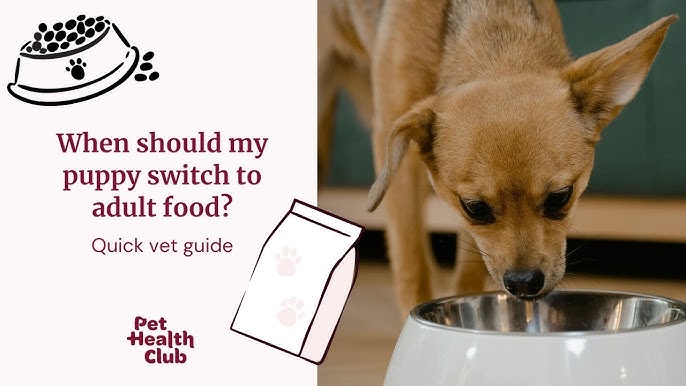
Have you ever caught your puppy sneaking a bite of your adult dog’s food and wondered, “Is this okay?” It’s natural to worry about what could happen next.
You want to keep your puppy healthy and growing strong, but adult dog food isn’t made for their little bodies. Understanding the effects of your puppy eating adult dog food can help you avoid common mistakes that might affect their development.
Keep reading to learn exactly what happens and how you can protect your furry friend’s health.

Credit: greenpantry.co.uk
Differences Between Puppy And Adult Dog Food
Puppies and adult dogs need different types of food. Their bodies grow and change at different speeds.
Feeding the right food helps puppies grow healthy and strong. Adult dog food may not meet these needs.
Nutritional Needs Of Puppies
Puppies need extra nutrients to support fast growth. They need more protein and fat than adult dogs.
Vitamins and minerals help puppies build strong bones and healthy organs. Puppy food has the right balance.
- Higher protein helps build muscles
- More fat provides energy for growth
- Added calcium and phosphorus support bones
- Essential vitamins keep the immune system strong
Ingredients In Adult Dog Food
Adult dog food has fewer calories and less protein than puppy food. It matches the needs of grown dogs.
Adult foods focus on maintaining weight and health. They have more fiber and fewer fats to avoid obesity.
- Lower protein to maintain muscle
- Reduced fat for healthy weight
- More fiber for digestion
- Balanced vitamins for adult health
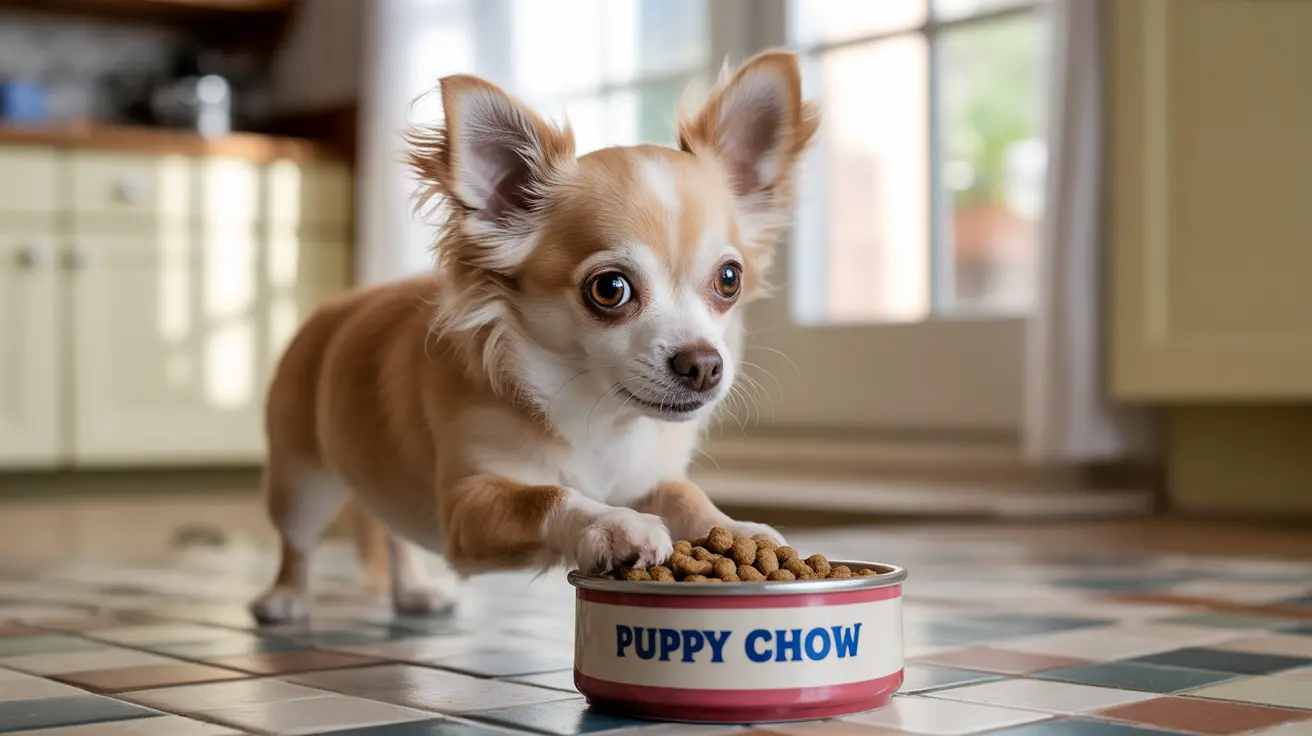
Credit: www.petscare.com
Immediate Effects On Your Puppy
If your puppy eats adult dog food, it can affect them right away. Puppies need special nutrients to grow well. Adult dog food may not meet these needs.
Eating the wrong food can cause problems like tummy upset and changes in energy. Watch your puppy closely after they eat adult food.
Digestive Issues To Expect
Puppies may have digestive problems after eating adult dog food. Their stomachs are sensitive and not ready for adult food formulas.
Common issues include diarrhea, vomiting, and gas. These happen because adult food has more protein and fat than puppies need.
- Loose or watery stools
- Stomach cramps or discomfort
- Increased gas or bloating
- Occasional vomiting
Changes In Energy Levels
Your puppy’s energy might change after eating adult dog food. The food may not give them enough energy for play and growth.
Some puppies may feel tired or less active. Others might seem restless if their tummy hurts from the food.
- Lower energy during playtime
- More napping or sleeping
- Restlessness due to stomach discomfort
Long-term Health Risks
If your puppy eats adult dog food regularly, it can cause problems over time. Puppies need special nutrients for their growth.
Adult dog food does not meet the needs of a growing puppy. This can lead to health issues later in life.
Potential Nutritional Deficiencies
Adult dog food may lack important vitamins and minerals that puppies need. This can cause nutritional gaps that affect their health.
- Lower levels of calcium and phosphorus can weaken bones
- Less protein can slow muscle growth
- Reduced fat content can affect energy levels
- Missing DHA can harm brain and eye development
- Fewer antioxidants can reduce immune support
Impact On Growth And Development
Puppies grow fast and need extra nutrition for strong bones and muscles. Feeding adult food can slow their development.
| Growth Aspect | Effect of Adult Food |
|---|---|
| Bone Strength | Can become weak due to low calcium and phosphorus |
| Muscle Growth | May be slower with less protein |
| Brain Development | Could be impaired without enough DHA |
| Energy Levels | May be low because of reduced fats |
| Immune System | Less support from missing antioxidants |

Credit: www.youtube.com
How Much Adult Food Is Harmful?
Feeding your puppy adult dog food can cause health problems. Puppies need food made for their growth. Adult food has different nutrients and calories.
It is important to know how much adult food is too much. Too much adult food can upset your puppy’s stomach and affect its growth.
Quantity And Frequency Considerations
Small amounts of adult dog food on rare occasions usually do not cause harm. But regular feeding of adult food can lead to problems. Puppies need a balanced diet with proper nutrients for their age.
- Limit adult food to less than 10% of the puppy’s daily diet.
- Avoid feeding adult food more than once a day.
- Watch your puppy’s weight and adjust food amounts accordingly.
- Consult a veterinarian before changing your puppy’s diet.
Signs Of Overconsumption
Too much adult food can cause health issues in puppies. Watch for these signs if your puppy eats adult dog food often or in large amounts.
| Sign | What It Means |
| Diarrhea | Digestive upset from wrong food type |
| Vomiting | Stomach irritation or inability to digest |
| Weight Gain | Too many calories for puppy’s size |
| Low Energy | Possible nutrient imbalance or illness |
| Constipation | Not enough fiber suitable for puppies |
What To Do If Your Puppy Eats Adult Food
If your puppy eats adult dog food, do not panic. Adult food is not toxic but may upset your puppy’s stomach.
Puppies need special nutrients that adult food may not provide. Watch your puppy closely after eating adult food.
Immediate Steps To Take
First, check how much adult food your puppy ate. A small amount usually causes no harm but can cause mild stomach upset.
Offer fresh water to help your puppy stay hydrated. Avoid feeding any more adult or puppy food for a few hours.
- Remove any remaining adult food to prevent more eating
- Watch for signs like vomiting or diarrhea
- Keep your puppy calm and comfortable
When To Contact A Veterinarian
Call your vet if your puppy shows serious symptoms. These include vomiting that lasts more than one time or diarrhea that is watery.
Also contact a vet if your puppy acts weak, refuses to eat, or seems very tired. These signs can mean a health problem.
- Repeated vomiting or severe diarrhea
- Signs of dehydration like dry gums or sunken eyes
- Unusual behavior or weakness
- Any sudden changes in breathing or alertness
Preventing Future Incidents
If your puppy eats adult dog food, it might not get the right nutrition. Puppies need food that helps them grow strong and healthy. Preventing future incidents is important to keep your puppy safe.
Safe Feeding Practices
Feeding your puppy the right way is crucial. Puppies have different dietary needs than adult dogs. Choose food made for their age and size.
- Feed your puppy at regular times each day
- Use a bowl size that fits their portion
- Keep the feeding area clean
Storage Tips For Dog Food
Proper storage of dog food keeps it fresh and safe. Spoiled food can make your puppy sick. Always check the expiration date before use.
- Store food in a cool, dry place
- Use airtight containers to keep food fresh
- Keep food away from reach of your puppy
Frequently Asked Questions
What Happens If My Puppy Eats Adult Dog Food?
If a puppy eats adult dog food, it may miss essential nutrients. Adult food has fewer proteins and fats needed for growth. Occasional ingestion is not harmful, but long-term feeding can cause poor development and health issues.
Can Adult Dog Food Harm My Puppy’s Health?
Adult dog food lacks vital nutrients for puppies. Feeding it regularly can lead to nutrient deficiencies, weak bones, and poor immune function. It’s best to feed age-appropriate puppy food to support healthy growth.
How To Switch My Puppy From Adult To Puppy Food?
Introduce puppy food gradually over 7-10 days. Mix increasing amounts of puppy food with adult food each day. This helps avoid digestive upset and allows your puppy to adjust smoothly to the new diet.
Is Adult Dog Food Nutritionally Complete For Puppies?
No, adult dog food is not nutritionally complete for puppies. It lacks essential vitamins and minerals required for their rapid growth and development. Always choose a formula specifically designed for puppies to meet their dietary needs.
Conclusion
Feeding a puppy adult dog food once in a while is not dangerous. But regular feeding can cause health problems and slow growth. Puppies need more nutrients and calories for strong bones and energy. Watch your puppy’s health and change food if needed.
Always choose the right food to help your puppy grow well. Consult a vet if you notice any issues. Healthy food means a happy, active puppy. Keep your puppy’s diet balanced for the best start in life.

Emily Barker is the founder of ChillDogLife.com, a space dedicated to helping pup parents discover the best dog products, lifestyle tips, and cozy ideas for happier homes.
A lifelong dog lover, Emily combines her passion for pets with a knack for research to share trusted recommendations on everything from toys and furniture to health and everyday care.
Her goal is simple: to make life easier, stylish, and more joyful for dogs and the people who love them.




