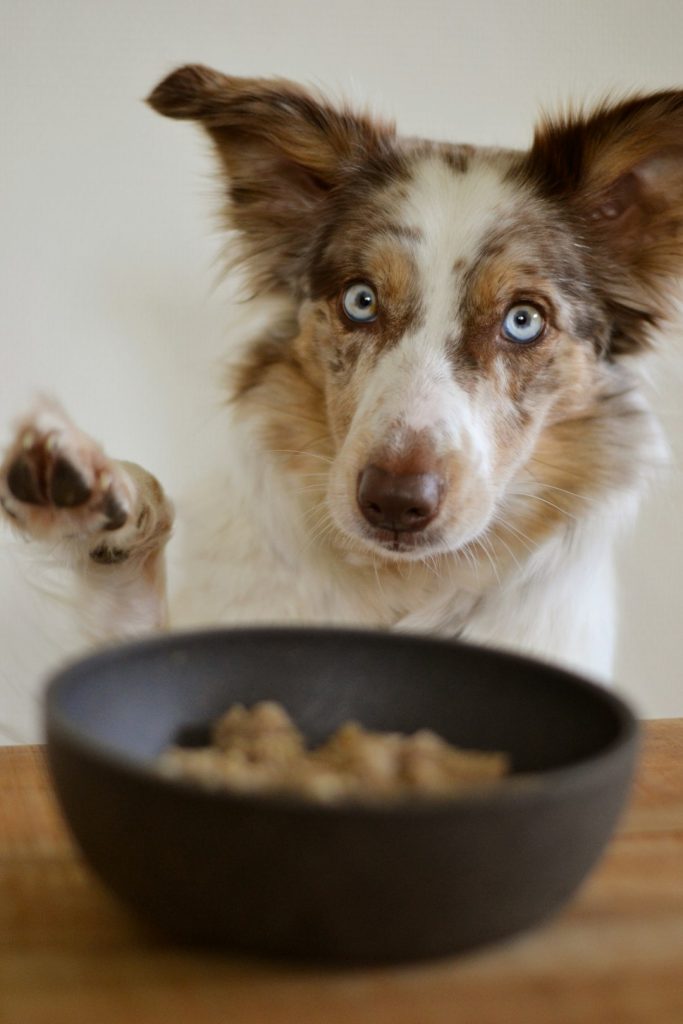
Have you ever wondered what happens if your puppy eats adult dog food? It might seem harmless at first, but this small mix-up can affect your furry friend’s health in ways you didn’t expect.
You want the best for your puppy, and understanding the difference between puppy and adult dog food is key. Keep reading to discover the surprising effects, why it matters, and how you can protect your puppy’s growth and happiness. Don’t let this common mistake hold your puppy back from a healthy start!
Credit: www.thinkjinx.com
Differences Between Puppy And Adult Dog Food
Puppies need special food that fits their growing bodies. Adult dog food does not meet these needs. Feeding adult dog food to puppies can affect their health.
Understanding the differences helps you choose the right food for your puppy. This guide explains key differences in nutrition, ingredients, and energy content.
Nutritional Needs Of Puppies
Puppies need more nutrients to support their growth. Their food has more vitamins and minerals than adult dog food. These nutrients help build strong bones and muscles.
- Higher calcium and phosphorus for bone growth
- More DHA for brain and eye development
- Extra vitamins like A, E, and C for immunity
- Balanced fats for energy and healthy skin
Ingredients In Adult Dog Food
Adult dog food usually contains less protein and fat. It focuses on maintaining health, not growth. The ingredients suit dogs with stable energy needs.
| Ingredient | Puppy Food | Adult Dog Food |
| Protein | High (22-32%) | Moderate (18-25%) |
| Fat | Higher (8-20%) | Lower (5-15%) |
| Calcium | Increased for growth | Standard levels |
| Calories | More for energy | Fewer calories |
| DHA | Added for development | Not usually included |
Calorie And Protein Variations
Puppies burn more calories. Their food contains more protein to build muscles. Adult dog food has less of both. Feeding adult dog food to puppies may slow growth.
- Puppy food has up to 30% more calories
- Protein supports muscle and tissue growth
- Adult food supports maintenance, not growth
- Low protein can cause weakness in puppies

Credit: www.youtube.com
Potential Health Risks For Puppies
Puppies have different nutritional needs than adult dogs. Feeding them adult dog food can cause health problems.
This article explains the risks puppies face if they eat adult dog food. It covers digestive issues, nutrient gaps, and growth problems.
Digestive Issues
Adult dog food has more protein and fat than puppy food. Puppies’ stomachs may not handle this well.
Eating adult food can cause diarrhea, vomiting, or upset stomach in puppies. Their digestive systems are still developing.
- Loose stools or diarrhea
- Vomiting
- Stomach discomfort
- Loss of appetite
Nutrient Deficiencies
Puppy food contains extra nutrients for growth. Adult dog food lacks some key vitamins and minerals puppies need.
Feeding adult food can cause puppies to miss important nutrients. This can slow down their development and weaken their immune system.
- Lower calcium for bone growth
- Less DHA for brain development
- Insufficient vitamins A and E
- Reduced protein quality
Long-term Growth Concerns
Puppies need balanced food to grow strong and healthy. Adult food can cause problems in their bones and joints over time.
Using adult food regularly may lead to weak bones, poor muscle growth, and joint issues. This affects their health as adults.
- Weak bone development
- Joint problems later in life
- Slow muscle growth
- Poor overall health
Signs Of Trouble After Eating Adult Food
Puppies need special food for their growth. Eating adult dog food can cause problems. Watch your puppy closely after it eats adult food.
Some signs show that the puppy may be having trouble. Knowing these signs helps you act quickly and keep your puppy safe.
Vomiting And Diarrhea
Puppies may vomit or have diarrhea after eating adult food. Their stomachs are sensitive and may not handle the different nutrients well.
Vomiting and diarrhea can cause dehydration. These symptoms need attention to prevent further problems.
- Look for repeated vomiting
- Check for loose or watery stools
- Note any signs of dehydration like dry gums
Lethargy And Weakness
Puppies may feel very tired after eating adult food. They might not want to play or move much. This can happen because their body is not getting the right nutrients.
Weakness and low energy are signs to watch. If your puppy seems very weak, it may need a vet’s care soon.
- Reduced activity or playfulness
- Sleeping more than usual
- Difficulty standing or walking
Changes In Appetite
A puppy might eat less or refuse food after having adult dog food. Their stomach may feel upset, or they may not like the different taste.
Watch for sudden changes in eating habits. Loss of appetite can lead to poor growth and other health issues if it lasts long.
- Refusing to eat normal puppy food
- Eating less than usual
- Showing discomfort while eating
What To Do If A Puppy Eats Adult Food
Puppies have different nutritional needs than adult dogs. Eating adult dog food might not provide the right balance for their growth. It is important to know what steps to take if your puppy eats adult food.
While one instance might not be harmful, regular consumption can lead to health issues. Let’s explore what you should do to keep your puppy safe and healthy.
Immediate Steps To Take
First, ensure your puppy has access to fresh water. Check how much adult food they ate. Remove the adult food to prevent further consumption.
Observe your puppy for any signs of discomfort. Keep them calm and relaxed. Avoid giving more food immediately.
When To Contact A Veterinarian
Contact a veterinarian if your puppy shows signs of illness. Look for symptoms like vomiting, diarrhea, or lethargy. These can indicate a reaction to adult food.
If your puppy has consumed a large amount, call your vet. Early consultation can prevent potential health problems.
Monitoring Your Puppy’s Condition
After eating adult food, watch your puppy for any changes. Look for signs of discomfort or unusual behavior. Maintain their usual feeding routine with puppy-specific food.
- Check their stool for changes
- Note any decrease in energy levels
- Ensure they drink enough water
Regular monitoring helps you catch any issues early. It ensures your puppy grows healthy and strong.
Preventing Accidental Feeding
Puppies need special food made for their growth. Adult dog food may not give them the right nutrients. It can upset their stomach or cause health problems.
Preventing accidental feeding of adult dog food to puppies is important. This guide helps you keep your puppy safe and healthy.
Safe Storage Tips
Keep adult dog food and puppy food in different places. Make sure each bag or container is closed tightly. Store them in spots out of reach from your puppy.
- Use sealed containers to keep food fresh and separate.
- Label all food packages clearly.
- Store puppy food on a low shelf that is easy to reach for you.
- Keep adult dog food in a locked cabinet or high shelf.
- Clean up any spilled food right away.
Feeding Schedule Management
Follow a regular feeding schedule for your puppy. This helps you watch what your puppy eats and avoid mistakes. Feed the puppy only its special food at set times.
| Time | Type of Food |
| 7:00 AM | Puppy Food |
| 12:00 PM | Puppy Food |
| 5:00 PM | Puppy Food |
Educating Family Members
Teach everyone in your home about the puppy’s diet. Explain why adult dog food is not good for puppies. Make sure they feed the puppy only the right food.
- Show where the puppy food is stored.
- Remind them to check labels before feeding.
- Ask them to report if the puppy eats wrong food.
- Keep feeding tools separate for puppy and adult dogs.
Choosing The Right Food For Your Puppy
Feeding your puppy the right food is very important for their health. Puppies need special nutrition to grow strong and healthy.
Giving adult dog food to a puppy can cause problems. It is best to understand how to choose proper food for your puppy.
Age-appropriate Formulas
Puppy food has more nutrients than adult dog food. It helps support their fast growth and energy needs.
Adult dog food may not have enough nutrients for puppies. It can slow down their development and cause health issues.
- Puppy formulas have higher protein and fat
- They contain vitamins needed for bones and muscles
- Adult food is made for maintenance, not growth
Consulting Your Vet
Your vet can give the best advice about your puppy’s diet. They know the right food based on your puppy’s breed and size.
Talk to your vet if your puppy eats adult dog food by mistake. They can help you check for any problems and guide you on feeding.
- Ask about the best brand and formula
- Get advice on meal amounts and schedule
- Discuss any special health needs
Transitioning To Adult Food
Puppies should switch to adult dog food at the right age. This usually happens when they stop growing fast.
Changing food slowly helps prevent stomach upset. Mix small amounts of adult food with puppy food over several days.
- Start mixing 25% adult food with 75% puppy food
- Gradually increase adult food over 7 to 10 days
- Watch for any digestion problems

Credit: greenpantry.co.uk
Frequently Asked Questions
Can Puppies Eat Adult Dog Food Safely?
Puppies can eat adult dog food occasionally, but it lacks essential nutrients. It may cause growth delays and digestive issues. Always feed puppy-formulated food for balanced nutrition tailored to their development needs.
What Are Risks Of Feeding Puppies Adult Dog Food?
Adult dog food can cause nutritional deficiencies in puppies. It may lead to weak bones, poor immunity, and slow growth. Digestive upset like diarrhea or constipation is also common. Puppy food is specifically designed to avoid these risks.
How Long Can A Puppy Eat Adult Dog Food?
Feeding adult dog food to a puppy should be very brief, ideally just one or two meals. Prolonged feeding can harm development. Switch back to puppy food promptly to ensure proper growth and health.
What Signs Show A Puppy Ate Adult Dog Food?
Signs include vomiting, diarrhea, lethargy, and poor appetite. Puppies may also show stunted growth if fed adult food long-term. Monitor your puppy closely and consult a vet if symptoms persist.
Conclusion
Puppies need food made just for their growth. Adult dog food lacks some key nutrients. Feeding it to puppies often causes stomach upset. Their bones and muscles may not develop right. Watch your puppy’s health closely after eating adult food.
Switching back to puppy food helps them stay strong. Always choose the right food for your puppy’s age. This keeps them happy and healthy as they grow. Small changes in diet make a big difference. Puppies grow fast and need proper nutrition every day.

Emily Barker is the founder of ChillDogLife.com, a space dedicated to helping pup parents discover the best dog products, lifestyle tips, and cozy ideas for happier homes.
A lifelong dog lover, Emily combines her passion for pets with a knack for research to share trusted recommendations on everything from toys and furniture to health and everyday care.
Her goal is simple: to make life easier, stylish, and more joyful for dogs and the people who love them.




