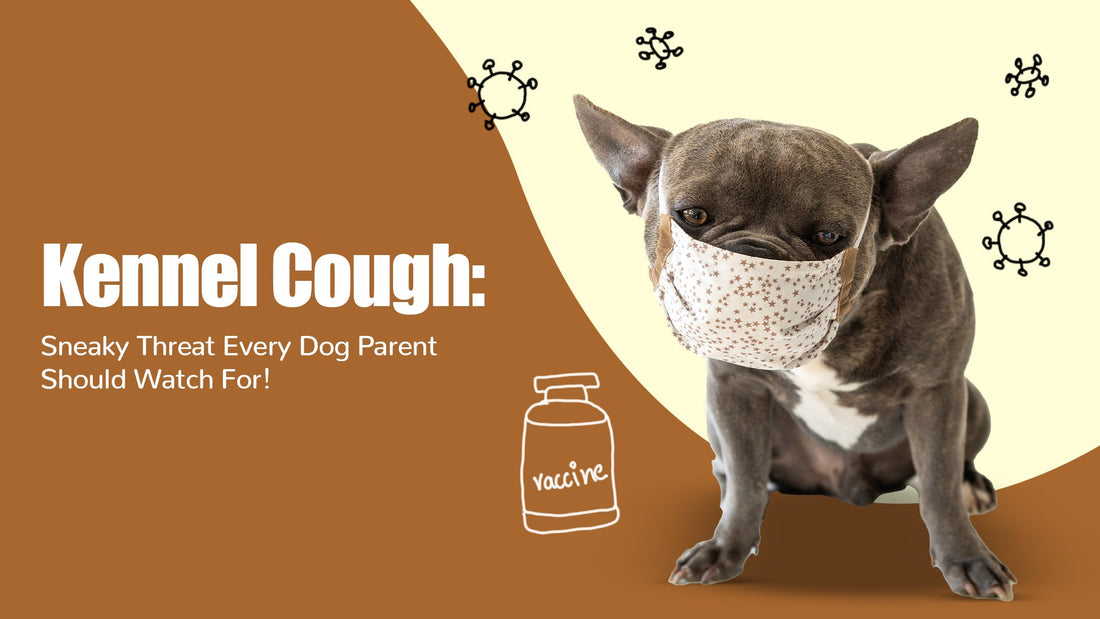
If your dog suddenly starts coughing and seems uncomfortable, you might be worried about kennel cough. It’s a common illness that can make your furry friend feel miserable.
But don’t panic—there are simple steps you can take to help your dog recover quickly. You’ll learn exactly what kennel cough is, how to spot the signs, and what you should do right away to keep your dog safe and comfortable.
Keep reading to protect your best friend and ease your mind.
Symptoms Of Kennel Cough
Recognizing the symptoms of kennel cough is important for your dog's health. This contagious respiratory infection affects the throat and windpipe. Knowing the signs helps you act quickly and keep your dog comfortable.
Common Signs To Watch For
- A loud, dry cough that sounds like a honk
- Gagging or retching after coughing
- Runny nose or sneezing
- Watery or red eyes
- Loss of appetite or mild lethargy
- Low fever in some cases
The cough often worsens after exercise or excitement. Dogs may also have a hoarse voice. Many dogs stay active despite these symptoms.
When To Seek Veterinary Help
- Cough lasting longer than two weeks
- Persistent high fever over 103°F (39.4°C)
- Difficulty breathing or rapid breathing
- Excessive weakness or unwillingness to move
- Signs of pneumonia, such as coughing up blood or green mucus
- Puppies, elderly, or dogs with weak immune systems showing symptoms
Early veterinary care prevents complications. Your vet can recommend the right treatment and keep your dog safe.
Credit: www.lilyskitchen.co.uk
Causes And Risk Factors
Kennel cough spreads easily in places where dogs gather, like kennels and parks. Dogs with weak immune systems or young puppies face higher risks. Close contact with infected dogs increases the chance of catching this cough.
Understanding the causes and risk factors of kennel cough can help you protect your furry friend. Kennel cough, a common respiratory infection in dogs, is caused by a combination of bacteria and viruses. Identifying where your dog is most at risk can prevent the spread and ensure their health remains a top priority.How Dogs Catch Kennel Cough
Dogs can catch kennel cough through direct contact with an infected dog or by sharing contaminated objects like water bowls and toys. The infection spreads easily in areas where dogs congregate, such as dog parks or grooming salons. It’s also airborne, meaning your dog can catch it just by being near an infected dog. If your dog loves making new friends, this could increase their chances of exposure. Imagine your pup playing fetch with a new buddy at the park, not knowing the other dog has a cough. It’s an innocent interaction that can lead to an unexpected vet visit.High-risk Environments
Certain environments pose a higher risk for kennel cough. Places like boarding facilities, dog shows, and shelters often have many dogs in close quarters, creating a breeding ground for the infection. Consider how often your dog visits these places. Frequent visits increase the chance of encountering an infected dog. While socializing is essential, being aware of these risk factors ensures you can take preventive measures. Have you ever considered how a simple grooming session might expose your dog to kennel cough? Even brief visits to a crowded dog spa can be risky if hygiene protocols aren’t rigorously followed. Understanding these factors allows you to make informed decisions about where and how your dog interacts with others. Taking preventive steps can help keep your dog happy and healthy, reducing the risk of kennel cough in the future.Home Care Tips
Taking care of your dog at home during kennel cough can make a big difference in their recovery. The right environment, good hydration, and smart ways to handle coughing episodes help your pet feel better faster. Let’s look at some practical tips you can use immediately.
Creating A Comfortable Resting Area
Your dog needs a quiet, warm spot to rest away from drafts and loud noises. Use soft bedding that supports their body but is easy to clean in case of coughing or sneezing. I once placed a cozy blanket near a humidifier, which helped ease my dog’s breathing and made resting easier.
Keep this area free from dust and strong scents, as they can irritate your dog’s throat. How do you make your pet’s space calming and safe?
Hydration And Nutrition
Encourage your dog to drink plenty of water to keep their throat moist and help thin mucus. You can offer water at room temperature or add a little low-sodium broth to make it more appealing. I noticed my dog drank more when I switched to a wider bowl that was easier to access.
Feed your dog soft, easy-to-digest foods like boiled chicken and rice if they seem reluctant to eat. Smaller, more frequent meals can prevent exhaustion and keep their energy up during recovery. What tasty yet gentle foods does your dog enjoy?
Managing Coughing Episodes
When your dog starts coughing, stay calm and speak softly to soothe them. Distract them with gentle petting or a quiet toy to reduce stress that might worsen the cough. Avoid forcing them to lie down flat if it triggers coughing; instead, let them find a comfortable position.
If your dog’s cough becomes severe or is accompanied by other symptoms, note the frequency and triggers to share with your vet. Have you found any tricks that help calm your dog during tough coughing spells?
Veterinary Treatments
Veterinary treatments play a key role in helping dogs recover from kennel cough. A vet can diagnose the illness and suggest the best care plan. Treatment depends on the severity of symptoms and the dog’s overall health. Proper medical care reduces discomfort and speeds up healing.
Medications Commonly Prescribed
Veterinarians often recommend medicines to ease coughing and fight infection. Cough suppressants help reduce the harsh, dry cough that bothers dogs. These medicines make breathing easier and improve rest.
Sometimes, anti-inflammatory drugs are given to reduce throat swelling. These medicines calm irritation and help dogs feel better faster. Supportive care may include fluids and vitamins to boost recovery.
When Antibiotics Are Needed
Antibiotics are used only if a bacterial infection is present. They do not work against viruses, which often cause kennel cough. A vet will decide based on symptoms and test results.
Antibiotics prevent the illness from worsening or spreading to the lungs. Dogs with weak immune systems or severe signs may need these drugs. Always follow the vet’s instructions and complete the full course of treatment.
Preventing Kennel Cough
Preventing kennel cough is key to keeping your dog healthy and happy. This contagious respiratory infection spreads easily in places where many dogs gather. Protecting your dog reduces vet visits and discomfort. A few simple steps can lower the risk significantly.
Vaccination Options
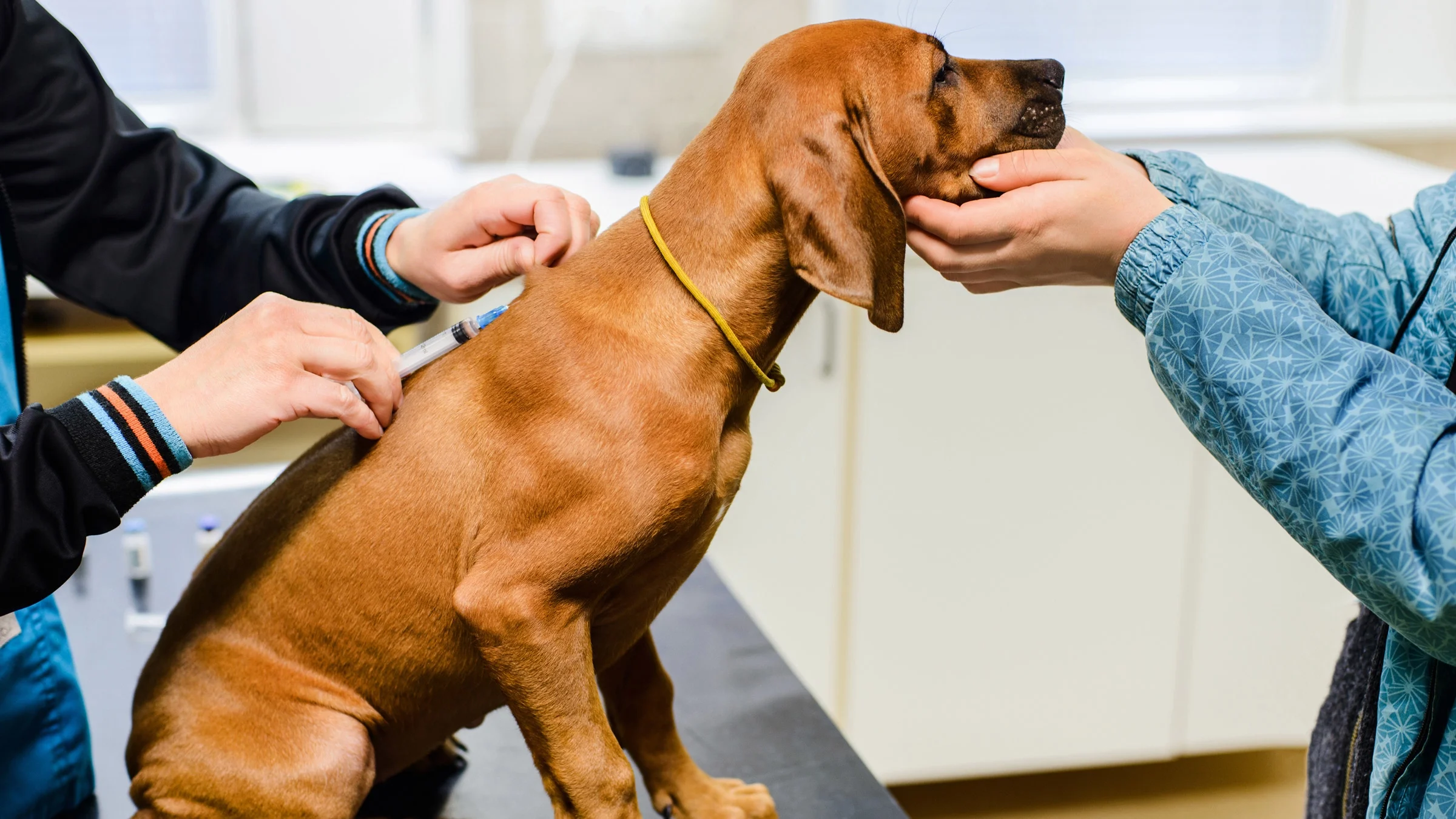
Vaccines help build your dog’s defense against kennel cough. They come in different forms, such as nasal sprays and injections. Vaccination is especially important for dogs that visit kennels, dog parks, or groomers often.
Talk to your vet about the best vaccine for your dog. Vaccines do not guarantee full protection but reduce the severity and spread. Keep your dog’s vaccinations up to date for ongoing safety.
Safe Socializing Practices
Socializing is good for dogs but can also spread kennel cough. Follow safe practices to lower the risk. Avoid crowded places during outbreaks or when your dog’s immune system is weak.
- Choose outdoor spaces with plenty of room.
- Keep your dog’s interactions brief and calm.
- Watch for signs of illness in other dogs before playtime.
- Wash your dog’s paws and fur after social events.
These steps help your dog enjoy social time without catching infections. Healthy habits protect your dog and others around them.
Credit: zigly.com
Monitoring Recovery
Monitoring your dog’s recovery from kennel cough is key to ensuring they bounce back quickly and comfortably. Paying close attention to subtle changes in their behavior and symptoms can help you understand if the treatment is working or if further action is needed. Knowing what signs to watch for and when to seek veterinary advice will keep your pet safe and stress-free during this tough time.
Signs Of Improvement
Look for a decrease in coughing frequency and intensity. If your dog starts to breathe easier and shows more energy, these are positive signs. Appetite returning is another important indicator that your dog is on the mend.
Also, check if the nasal discharge becomes clearer or disappears. Your dog may start playing again or show interest in walks, which means their overall health is improving. Keep a simple daily log of these changes—it helps you stay organized and notice progress you might otherwise miss.
When To Follow Up With Your Vet
If your dog’s cough worsens, lasts longer than two weeks, or they develop new symptoms like fever, lethargy, or difficulty breathing, contact your vet immediately. Delays in follow-up can lead to complications or secondary infections.
Even if symptoms improve but don’t fully resolve, a vet visit can ensure no hidden issues remain. Ask yourself: Is my dog behaving like their usual self? If not, it’s time to seek professional advice to avoid prolonged discomfort or health risks.
Credit: www.goodrx.com
Frequently Asked Questions
What Are The First Signs Of Kennel Cough In Dogs?
Early signs include a persistent dry cough, sneezing, and mild lethargy. Dogs may also have a runny nose or watery eyes. Noticing these symptoms early helps in seeking prompt veterinary care and preventing spread.
How Can I Treat Kennel Cough At Home?
Provide rest, keep your dog hydrated, and use a humidifier to ease coughing. Avoid strenuous activity and exposure to other dogs. Always consult your vet for appropriate medications and advice.
When Should I See A Vet For Kennel Cough?
Visit the vet if coughing lasts more than two weeks or worsens. Seek immediate care if your dog has difficulty breathing, fever, or loss of appetite. Early treatment prevents complications and speeds recovery.
Can Kennel Cough Be Prevented In Dogs?
Yes, vaccinations and avoiding contact with infected dogs reduce risk. Practice good hygiene and keep your dog’s environment clean. Regular vet check-ups help maintain your dog’s respiratory health.
Conclusion
Kennel cough can make your dog feel very uncomfortable. Watch for signs like coughing or sneezing. Keep your dog away from other pets to stop spreading. Make sure your dog gets plenty of rest and water. Visit the vet if symptoms last or get worse.
Early care helps your dog recover faster and safer. Take good care and your dog will feel better soon. Simple steps can protect your pet’s health. Stay calm and act quickly to help your dog heal.

Emily Barker is the founder of ChillDogLife.com, a space dedicated to helping pup parents discover the best dog products, lifestyle tips, and cozy ideas for happier homes.
A lifelong dog lover, Emily combines her passion for pets with a knack for research to share trusted recommendations on everything from toys and furniture to health and everyday care.
Her goal is simple: to make life easier, stylish, and more joyful for dogs and the people who love them.




