Is your dog coughing more than usual? You might be wondering if it’s something serious like kennel cough.
This common illness can make your furry friend uncomfortable and restless. Knowing the signs early can help you take quick action to protect your dog’s health. You’ll learn exactly how to tell if your dog has kennel cough and what steps you should take next.
Keep reading to make sure your pet stays happy and healthy.

Credit: www.rover.com
What Is Kennel Cough
Kennel cough is a common respiratory infection in dogs that you might hear about often but not fully understand. It’s highly contagious and spreads quickly, especially in places where many dogs gather. Knowing what kennel cough is can help you spot it early and protect your furry friend.
What Causes Kennel Cough?
Kennel cough is caused by a mix of viruses and bacteria, most commonly Bordetella bronchiseptica. These germs irritate your dog’s throat and airways, leading to that distinctive cough. Your dog can catch it from other dogs through sneezes, coughs, or shared water bowls.
How Does Kennel Cough Affect Your Dog?
This infection mainly targets your dog’s upper respiratory tract. It causes inflammation and a harsh, dry cough that can sound like your dog is choking or trying to clear its throat. While many dogs recover quickly, puppies, older dogs, or those with weak immune systems can get seriously sick.
Why Is It Called Kennel Cough?
The name comes from the places where it often spreads—kennels, shelters, dog parks, and grooming centers. Any environment where dogs are close together increases the risk. Have you noticed your dog coughing after visiting such places? That could be a sign.

Credit: bestforpet.co.nz
Common Symptoms
A dry, hacking cough is a key sign of kennel cough in dogs. Sneezing, runny nose, and mild fever may also appear. Watch for loss of energy or appetite as the illness develops.
Kennel cough, a common respiratory infection in dogs, can be distressing for both you and your furry friend. Recognizing the symptoms early can help you seek appropriate care quickly. Here’s a closer look at some common signs that might indicate your dog has kennel cough.Persistent Cough
A persistent, dry cough is often the most noticeable symptom. It may sound like your dog has something stuck in their throat. This cough can worsen after exercise or excitement, making it a clear signal that something might be amiss.Sneezing And Runny Nose
Sneezing is another symptom to watch out for. Your dog might also have a runny nose, which can resemble a mild cold. These symptoms can vary in intensity and might sometimes be overlooked as minor.Lethargy And Loss Of Appetite
Has your dog been less energetic than usual? A noticeable drop in energy levels or a lack of interest in food could be signs of kennel cough. It’s important to monitor these changes, as they can affect your dog’s overall well-being.Mild Fever
A mild fever can accompany kennel cough, although it might not always be easy to detect. You might notice your dog feeling warmer than usual or showing signs of discomfort. Checking your dog’s temperature with a pet-safe thermometer can provide clarity. By observing these symptoms closely, you can better assess your dog’s health. If you suspect kennel cough, consulting your veterinarian is always a wise step. Remember, your vigilance can make all the difference in your pet’s recovery!When To See A Vet
Knowing when to seek veterinary care for your dog with kennel cough can make a big difference in their recovery. While mild cases often improve on their own, certain signs mean it’s time to get professional help. Paying close attention to your dog’s symptoms will help you decide the best course of action.
Difficulty Breathing
If your dog starts struggling to breathe, this is a serious warning sign. Watch for rapid breaths, wheezing, or persistent coughing that interrupts their normal breathing pattern. Difficulty breathing can indicate complications like pneumonia, and immediate veterinary care is essential to prevent further health risks.
High Fever
A kennel cough infection sometimes leads to a fever, but if your dog’s temperature rises above 103°F (39.4°C), don’t wait. High fever can signal that the infection is worsening or spreading. Taking your dog to the vet promptly can help manage the fever and prevent dehydration or other serious issues.
Prolonged Symptoms
How long has your dog been coughing? If the symptoms last more than two to three weeks, it’s a clear sign that something more than kennel cough might be going on. Persistent coughing can cause discomfort and fatigue, so getting a vet’s opinion can uncover underlying problems and guide proper treatment.
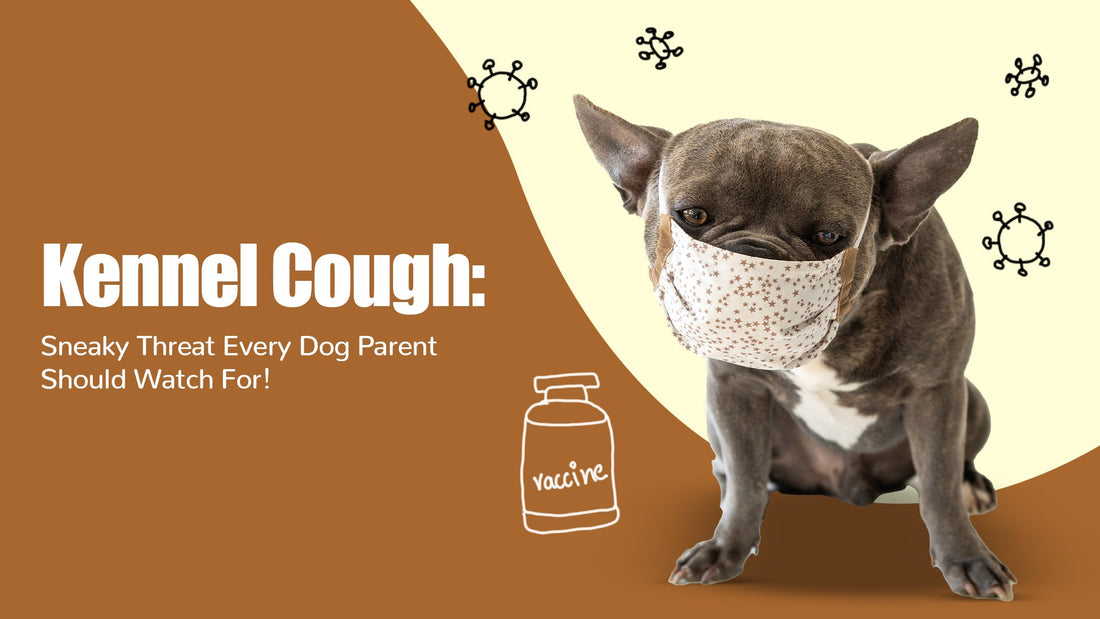
Credit: zigly.com
How Kennel Cough Spreads
Kennel cough spreads quickly and easily, making it a common concern for dog owners. Understanding how it transmits helps you protect your furry friend and others around them. The bacteria and viruses behind kennel cough travel in several surprising ways that you might not expect.
Direct Contact With Infected Dogs
Your dog can catch kennel cough through direct contact with a sick dog. When dogs play, sniff, or lick each other, germs pass from one to another. Even a quick encounter at the park can be enough to spread the infection.
Airborne Transmission
The germs causing kennel cough can spread through tiny droplets in the air. When an infected dog coughs or sneezes, these droplets float around and can enter your dog’s respiratory system. This means your dog doesn’t have to touch another dog to get sick.
Contaminated Surfaces And Objects
Shared water bowls, toys, and kennel surfaces can harbor the bacteria and viruses. If your dog licks or touches these contaminated items, they can pick up the infection. Cleaning and disinfecting common areas regularly can reduce this risk.
Stress And Crowded Environments
Crowded places like doggy daycares and boarding facilities increase the chance of kennel cough spreading. Stress weakens your dog’s immune system, making them more vulnerable to infection. Have you noticed your dog seems more prone to illness after busy social outings?
Knowing these ways kennel cough spreads helps you take smarter steps to keep your dog healthy. Are you vigilant about where your dog plays and what they come into contact with? Small changes can make a big difference in preventing the spread.
Preventing Kennel Cough
Preventing kennel cough is crucial to keep your dog healthy and happy. This contagious respiratory infection spreads quickly, especially in places where dogs gather. Taking proactive steps can reduce the risk and protect your furry friend from discomfort and complications.
Vaccination
Vaccines can significantly lower the chance of your dog catching kennel cough. Most vets recommend the Bordetella vaccine, which targets the main bacteria causing the illness.
Ask your vet about the best vaccination schedule for your dog, especially if you visit dog parks or boarding facilities often. Remember, vaccination doesn’t guarantee 100% protection but can make symptoms milder if your dog does get sick.
Avoiding Crowded Places
Places like dog parks, grooming salons, and boarding kennels can be hotspots for kennel cough. If your dog is not fully vaccinated, it’s wise to limit visits to these crowded areas.
Have you noticed your dog coughing after a busy day at the park? Avoiding high-traffic dog spots when outbreaks are reported can save your pet from weeks of coughing and discomfort.
Good Hygiene Practices
Keeping your dog’s environment clean helps reduce exposure to germs. Wash your dog’s bedding, toys, and bowls regularly with pet-safe disinfectants.
Also, clean your hands after handling other dogs or shared equipment. Small habits like these create a safer space for your dog and lower infection risks.
Treatment Options
Knowing the treatment options for kennel cough can make a big difference in your dog’s recovery. You want to ease your pet’s discomfort quickly and stop the illness from spreading. Let’s look at some practical ways you can help your dog heal and protect others around them.
Home Care
Rest is essential for your dog’s recovery. Keep them in a calm, warm, and well-ventilated area away from smoke or strong smells that might worsen coughing.
Hydration matters a lot. Offering plenty of fresh water helps soothe your dog’s throat and keeps their body strong.
Sometimes, a humidifier or a steamy bathroom can ease coughing spells. Have you tried spending time with your dog in a steamy room to see if it helps their breathing?
Medications
Not every case needs antibiotics, but your vet might prescribe them if there’s a bacterial infection alongside the cough. Never give your dog medicine without consulting your vet first.
Cough suppressants can reduce harsh coughing fits and make your dog more comfortable, especially at night.
In some cases, vets may suggest anti-inflammatory drugs to reduce airway swelling. Do you notice your dog’s cough worsening after activity? This might be a sign to ask your vet about these options.
Isolation To Prevent Spread
Kennel cough is highly contagious. Keep your dog away from other pets during their recovery period to prevent spreading the infection.
Use separate bowls, bedding, and toys until your vet confirms your dog is no longer contagious. This small step protects other dogs in your home and your neighborhood.
How easy is it for you to manage isolation? Planning ahead can make this stressful time smoother for both you and your dog.
Frequently Asked Questions
What Are Common Symptoms Of Kennel Cough In Dogs?
Kennel cough symptoms include a persistent dry cough, sneezing, runny nose, and mild fever. Dogs may gag or retch. These signs often worsen with excitement or exercise. Early detection helps in timely treatment and prevents spread to other dogs.
How Is Kennel Cough Diagnosed By Veterinarians?
Veterinarians diagnose kennel cough through physical exams and medical history. They listen for a distinctive cough sound. Sometimes, chest X-rays or lab tests are used to rule out other infections. Accurate diagnosis ensures appropriate treatment and care.
Can Kennel Cough Be Prevented In Dogs?
Yes, kennel cough can be prevented by vaccinating your dog regularly. Avoid exposing dogs to crowded or unsanitary places. Maintain good hygiene and isolate infected dogs promptly. Prevention reduces the risk of infection and spread.
How Long Does Kennel Cough Last In Dogs?
Kennel cough usually lasts about 1 to 3 weeks. Mild cases may recover without treatment, but severe cases need veterinary care. Proper rest and medications speed up recovery and reduce complications.
Conclusion
Recognizing kennel cough early helps protect your dog’s health. Watch for dry cough, sneezing, or watery eyes. A quick visit to the vet can make a big difference. Treatment often clears the infection in a few weeks. Keep your dog away from other dogs until fully healed.
Good care and attention prevent kennel cough from spreading. Stay alert and act fast to keep your pet happy and healthy.

Emily Barker is the founder of ChillDogLife.com, a space dedicated to helping pup parents discover the best dog products, lifestyle tips, and cozy ideas for happier homes.
A lifelong dog lover, Emily combines her passion for pets with a knack for research to share trusted recommendations on everything from toys and furniture to health and everyday care.
Her goal is simple: to make life easier, stylish, and more joyful for dogs and the people who love them.




